REVIEW · KRATIE
4 hours taking tuk tuk to see Mekong dolphins and countryside
Book on Viator →Operated by freshwater dolphin day tour · Bookable on Viator
Few places in Cambodia feel this wild.
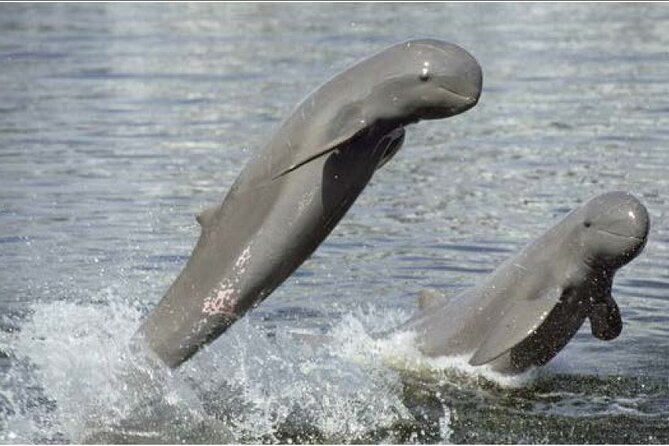
This Kratie dolphin hunt blends countryside tuk-tuk driving with a real shot at seeing the Mekong River Dolphin, one of the world’s rarest river mammals (thought to be only around 80 left). I also like that the day starts with a mountain temple stop, so you’re not just waiting around for dolphins. My main caution: the boat ride is a separate cost, and if the day runs behind schedule you’ll want to keep an eye on how much actual water time you get.
A small group matters here. You’ll cap at 15 people, and that makes it easier to keep everyone moving between stops without losing the vibe. The guide role can be huge too: one of the most named drivers on this route is Mr. Hak, and people who get his style often end up feeling well taken care of and properly explained.
Plan for a relaxed half-day. This is about 3 to 4 hours, with pickup offered from your hotel or bus station, and it ends back at the meeting point near Dolphin Home Stay in Krokor. If you’re tight on time, the big decision is whether you’re happy paying the extra boat ticket and going with the late-afternoon dolphin timing.
In This Review
- Key highlights worth your attention
- Tuk-tuk countryside time: the part you’ll actually remember
- Phnom Sambok Pagoda: mountain temple views without the museum feel
- Kampi village and the dolphin search: what “late afternoon” really means
- Price and logistics: $20 tour, then plan for the $10 boat ticket
- The guide matters: when Mr. Hak’s style clicks
- Timing, group size, and how to avoid a disappointment spiral
- What to bring for Kratie dolphin day comfort
- Should you book the Kratie Mekong dolphin tour?
- FAQ
- How long does the tour take?
- How much does it cost?
- What is included in the $20 price?
- What is not included in the tour price?
- What is the maximum group size?
- Where is the meeting point?
- Is pickup offered?
Key highlights worth your attention
- Phnom Sambok Pagoda with real viewpoints over the Mekong River and surrounding countryside
- Small group cap (up to 15 people) for a more comfortable pace
- Kampi village dolphin watching focused on one of the best-known spots for sightings
- Tuk-tuk travel between stops, which keeps the day feeling local instead of rushed
- Separate boat ticket ($10 per person) for the freshwater dolphin viewing shelter
Tuk-tuk countryside time: the part you’ll actually remember
This tour’s strongest move is simple: it uses a tuk-tuk to connect the dots instead of treating dolphin watching like a single quick errand. That means you get a few hours of getting your bearings around Kratie and the Mekong region before you head toward Kampi village.
Why that matters for you: dolphins aren’t guaranteed. River conditions, time of day, and animal behavior control the outcome. So the more “something” you do on land, the better your odds of feeling the day was worth it even if sightings are brief. In practice, the countryside driving also makes the whole experience feel less like a checkout line and more like a mini outing with a purpose.
It also keeps the day flexible enough to adjust to how things are running. When a guide has a good rapport with the driver and the next stop, you spend less time waiting and more time actually seeing.
One practical note: tuk-tuk days can run late for small reasons, like meeting points, quick conversations, or rounding up everyone. If you’re the type who needs tight timing, arrive with a little slack in your schedule and you’ll enjoy the day more.
Phnom Sambok Pagoda: mountain temple views without the museum feel
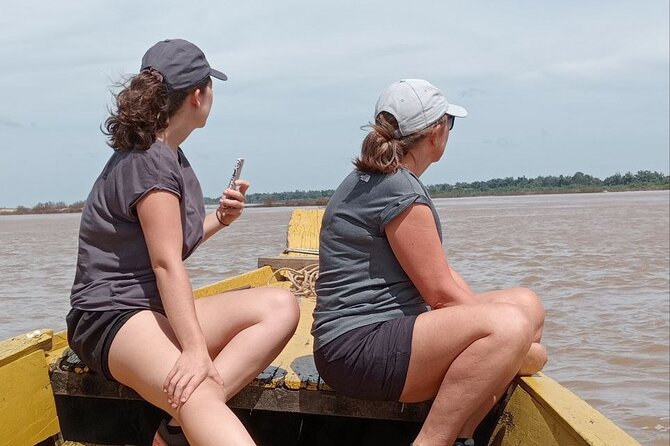
You start at Phnom Sambok Pagoda, a well-known cultural and tourist spot in Kratie province. This stop is built for your legs and your eyes: there’s a concrete stair route up from the mountain foot to the top, with resting places along the way. That structure makes it easier than you might expect if you’re not looking to “train” on vacation.
What I like about this first stop for your experience:
- You’re rewarded with panoramic Mekong River views and open countryside sightlines from the peak.
- The mountain area has a pond at the lower section, described as clearwater with natural plants, plus big trees and birds. Even if you’re not a birdwatcher, you’ll probably notice the calmer, greener tone compared with the riverside towns.
The tour usually gives you about 2 hours here. That’s enough time to walk up at an easy pace, take photos, and still come down without feeling like you’re on a schedule. You also get a chance to slow down before the dolphin part, which is smart. Dolphin watching can be emotionally high-stakes for a short window, so having the pagoda time first helps you get grounded.
Possible drawback to consider: it’s a mountain temple stop. You’ll want to wear comfy footwear for stairs, and you may want sun protection because the climb and viewpoints are open.
Kampi village and the dolphin search: what “late afternoon” really means
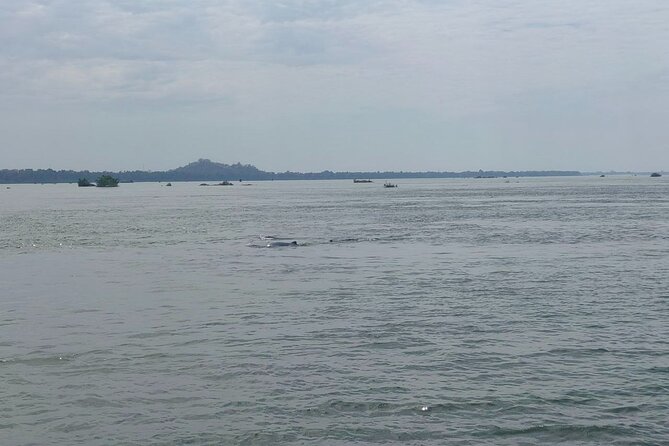
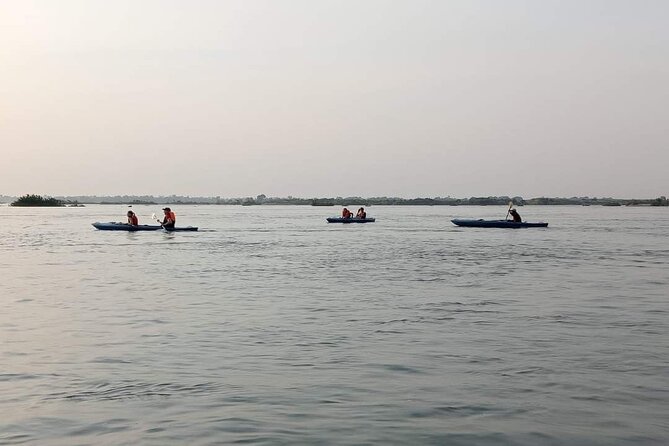
From Phnom Sambok, the day shifts toward Kampi village, the area strongly associated with the Mekong River dolphin. The idea is that this is one of the best places to try for sightings because dolphins feed and play in visible stretches of the river, especially later in the day.
Here’s what to know before you go:
- The dolphin population is estimated at less than 80, so you’re not chasing a common attraction.
- The best time for frolicking and sightings is often late afternoon, when the light and activity can line up better.
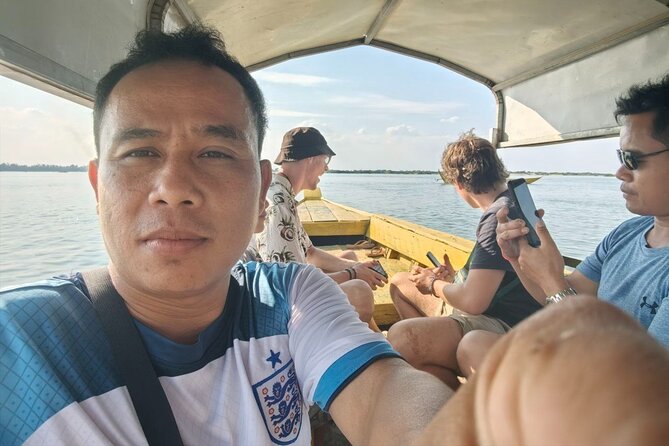
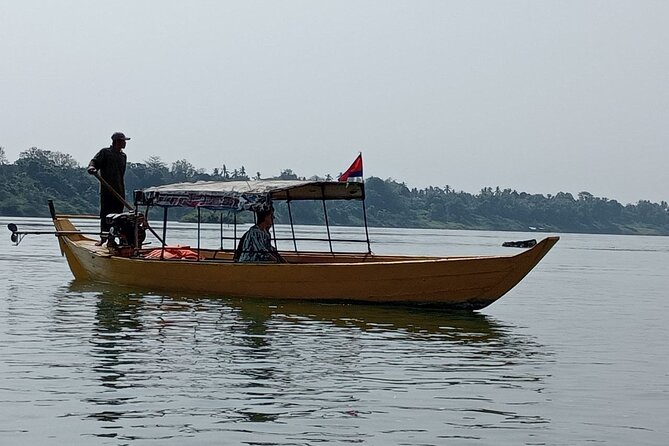
The tour focuses on a boat ride to a freshwater dolphin viewing area, using a separate ticket cost. The dolphin shelter viewing boat ticket is $10 per person (not included in the base price). That means your total budget for the day is more like $30 per person once you include the water part.
What to expect on the river day portion: you’re watching for movement from the boat and along the river stretch. Sometimes dolphins appear in the distance. Sometimes they come closer. Either way, your best “strategy” is patience. Bring yourself into a calm mode, not a frantic one. When you think you’re done scanning, take another look. Dolphins can surface briefly.
One more reason I like Kampi village for this kind of outing: it’s not a big tourist city. It feels more like a riverside community that happens to have become famous for a threatened mammal. That context makes the dolphin sightings feel more urgent and more meaningful.
Price and logistics: $20 tour, then plan for the $10 boat ticket
Let’s talk value, because this is where the math can make or break your decision.
The base tour price is $20 per person. What you typically get with that:
- Tuk-tuk transport
- Cold water
- Pickup from your hotel or bus station
- A day structure that starts at Phnom Sambok Pagoda and then transitions toward Kampi village
What’s not included:
- The boat ticket to the freshwater dolphin viewing shelter, listed at $10 per person
So in the real world, you should treat the dolphin day as a $30 per person experience once you’re ready for the water.
Is that good value? For me, it can be, because you’re buying more than “a boat ride.” You’re also buying a temple stop with mountain views, plus transportation in a way that feels local rather than a hard-to-find transfer. When the guide adds context and keeps the timing smooth, the day becomes a coherent outing.
Where value can slip: if the guide doesn’t share much about what you’re seeing, or if the day feels rushed and you don’t get the time on the water you expected. In a dolphin hunt, your “product” is sightings plus time spent looking. If either part feels short, you’ll notice.
My practical suggestion: if you book this, go in with the right mindset. This isn’t a theme-park dolphin show. It’s a respectful attempt to spot a wild animal in its own environment.
The guide matters: when Mr. Hak’s style clicks
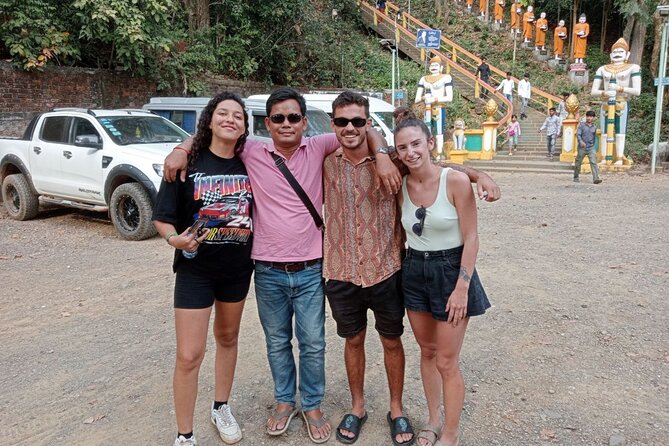
You’ll notice one name come up again and again: Mr. Hak. When he’s the person running your day, many people appreciate how he connects the dots and makes the experience feel authentic and comfortable.
Why that matters to you: a dolphin tour can turn into just looking at a river surface. But when a guide explains what to watch for, where to look, and how the Kratie area connects to the dolphin story, the day feels richer without adding extra time.
Even if you’re not with Mr. Hak, here’s what you can do to make the day work:
- Ask a couple of direct questions early, like what times tend to be best and what behaviors you might spot.
- Ask for clear instructions for river scanning, like which side of the boat tends to be better.
- If there’s a temple stop, ask what the local symbols or setting are meant to represent.
You don’t need a long lecture. You just need the right pointers so you can actually “see” instead of just sit.
Timing, group size, and how to avoid a disappointment spiral
This tour keeps the group to a maximum of 15 travelers. That number isn’t trivia. It affects your day:
- Smaller groups tend to move faster at each stop.
- You’re less likely to lose time herding people around.
- It’s easier for your guide to keep an eye on everyone’s readiness for the next segment.
For dolphins, time on the water is the currency. If your day runs late, the late-afternoon window can get squeezed, and sightings can change with it. That’s why you’ll enjoy this most if you treat it as a half-day plan rather than something to fit perfectly around other rigid activities.
Also, keep your expectations realistic. You might see more than a few dolphins. You might see them at a distance. The dolphins are wild, and the river is unpredictable.
If you want a simple way to stay calm: decide in advance that you’re going to be happy with the day even if the sightings are short. Then the dolphin moment, when it happens, feels like a bonus instead of a grade.
What to bring for Kratie dolphin day comfort
This isn’t a gear-heavy experience, but a few basics make it a lot easier:
- Comfortable shoes for temple stairs at Phnom Sambok
- Sun protection (hat and sunscreen), because the upper viewpoints can be exposed
- Light rain cover, since rivers and weather in Southeast Asia can change
- Water is provided as cold water, but bringing a small extra bottle can help if you run hot
- A phone with enough battery and storage for photos and quick videos
You’ll also spend time outdoors scanning the river. If you hate squinting, bring sunglasses.
One more comfort tip: if you bruise easily from stairs, slow down on the climb. Don’t rush up. Take breaks at the resting places. You’ll still get the view, and you’ll enjoy the temple more instead of treating it like a workout.
Should you book the Kratie Mekong dolphin tour?
I’d book this if you want a compact, local-feeling day that mixes mountain temple views with a serious attempt at Mekong River dolphin spotting. The combination is smart value for your time, especially since you’re not just sitting on a boat all morning. The small group cap and the included transport make it feel manageable.
I’d think twice if you hate the idea of an extra $10 boat ticket, or if you need a guaranteed dolphin sighting. This is a natural-area activity where timing and animal behavior drive outcomes.
Your best decision test:
- If you’re okay paying for the boat ride and you can accept wild-animal uncertainty, this tour can be a very memorable Kratie day.
- If you’re extremely scheduling-sensitive or only interested in the dolphin part with zero extra time on land, you may want to rethink how you plan the day around the late-afternoon window.
If you do book it, go in with a calm mind, ask your guide a couple of focused questions, and give yourself permission to enjoy Phnom Sambok as its own payoff. That way, even a short river sighting still feels like a win.
FAQ
How long does the tour take?
The experience runs about 3 to 4 hours.
How much does it cost?
The tour price is $20 per person.
What is included in the $20 price?
It includes tuk-tuk transport, cold water, and free pickup from your hotel or bus station. You’ll also receive a mobile ticket.
What is not included in the tour price?
The boat ticket to the freshwater dolphin shelter is not included and costs $10 per person. Health insurance, food, and drinks are also not included.
What is the maximum group size?
The tour has a maximum of 15 travelers.
Where is the meeting point?
The tour starts at Dolphin Home Stay in Krokor, Kratié 10062, Cambodia, and ends back at the meeting point.
Is pickup offered?
Yes, pickup is offered free from the hotel or bus station.