REVIEW · TENERIFE
Adeje: Whale and Dolphin Watching Cruise with Lunch and Swim
Book on GetYourGuide →Operated by Tenerife Dolphin · Bookable on GetYourGuide
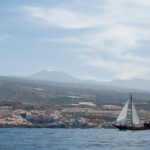
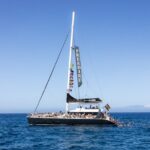
A catamaran, whales, and lunch—this combo is hard to beat. On Tenerife’s west coast from Adeje, you’re out with a live guide in search of pilot whales and dolphins, and you get a swim plus an underwater-view experience with submarine-style windows. One heads-up: the sea can get a bit choppy, so plan for motion if you’re prone to seasickness.
I really like how this tour treats wildlife like wildlife: you’re watching from the boat without the chaotic feel of chase-and-grab. I also like the practical extras—lunch and drinks are included, and the underwater viewing gives you something to enjoy even on slower sightings. The main trade-off is that the boat can feel busy at the most exciting moments (when everyone crowds to the rail or the swim stop happens).
If you’re choosing between routes, the timing is the big decision. The shorter option focuses on a swim in Diego Hernandez Bay, while the longer one runs up the coast toward Los Gigantes and anchors for a longer dramatic-bay experience.
In This Review
- Key things to know before you go
- Choosing the Adeje cruise: Diego Hernandez Bay vs Los Gigantes
- From Puerto Colón out to sea: safety briefing and the early coastal views
- Under the boat: 16 panoramic submarine windows and glass-bottom viewing
- Teno-Rasca whale watching: where pilot whales and dolphins fit in
- The swim-and-lunch anchor: Diego Hernandez Bay or Masca/Los Gigantes
- Diego Hernandez Bay stop (short cruise)
- Los Gigantes/Masca Bay stop (long cruise)
- The included lunch, drinks, and what “good value” really means here
- Seeing whales and dolphins well: boats, crowding, and how to work the deck
- Motion and seasickness: how to make the trip comfortable
- Photos and souvenirs: how the onboard camera experience works
- Wheelchair access and boat logistics: what you can expect
- Who should book this Tenerife whale and dolphin cruise?
- Should you book the Adeje whale and dolphin cruise with lunch and swim?
- FAQ
- How long is the whale and dolphin cruise?
- Where does the cruise depart from?
- Is lunch included?
- Are drinks included?
- Can I swim during the tour?
- Is snorkeling equipment provided?
- Will there be an underwater viewing option?
- What languages are available for the live guide?
- Is the tour wheelchair accessible?
- Can I get a full refund if I cancel?
Key things to know before you go
- Two cruise routes: Diego Hernandez Bay (shorter) or Los Gigantes/Masca area (longer)
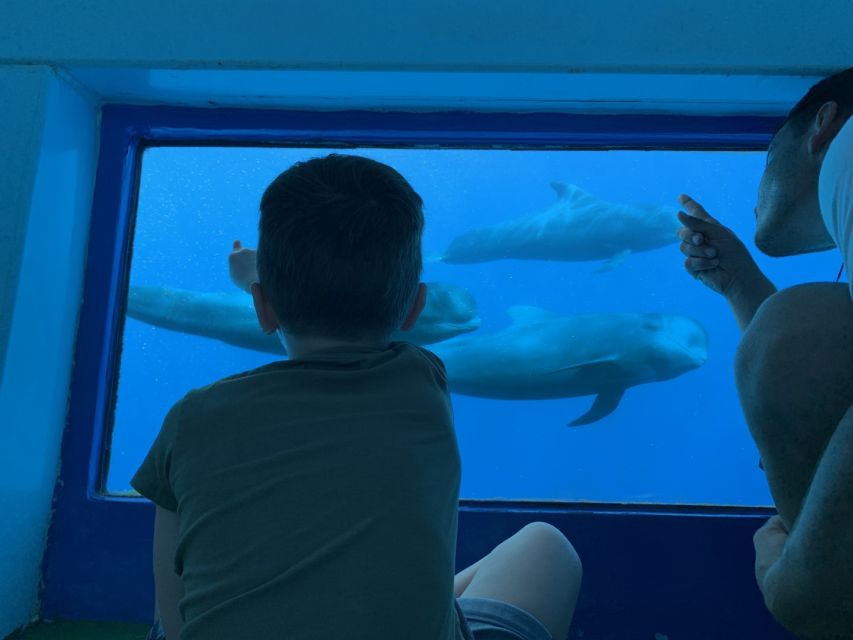
- 16 panoramic submarine windows plus glass-bottom viewing from the boat
- Teno-Rasca Whale Sanctuary focus, with guidance aimed at responsible viewing
- Lunch + drinks included, with vegetarian/vegan and gluten-free options by request
- Swim stop built in (about 40 minutes) with clear Atlantic water and platforms/steps to get in
- Multilingual live guide on board (English plus several other languages)
Choosing the Adeje cruise: Diego Hernandez Bay vs Los Gigantes
This is one booking with two different personalities, and picking the right one depends on what you want most: calmer timing or big-coast scenery.
The 3-hour cruise sails toward Diego Hernandez Bay. You spend more time on the water looking for cetaceans, then you anchor in that scenic bay for a swim and the included lunch while you take in the coast.
The 4.5-hour cruise goes farther along Tenerife’s southwest coast up toward the cliffs of Los Gigantes. You’ll still look for whales and dolphins along the way, but the swim and lunch stop comes with more “wow” scenery—dramatic cliff views, more time on the water, and a longer overall outing.
If you’re traveling with kids or anyone who gets tired quickly, the shorter option is often the smarter fit. If you want more time outside plus the bigger coastline show, the longer route is worth the extra hours.
You can also read our reviews of more tours and experiences in Tenerife.

From Puerto Colón out to sea: safety briefing and the early coastal views
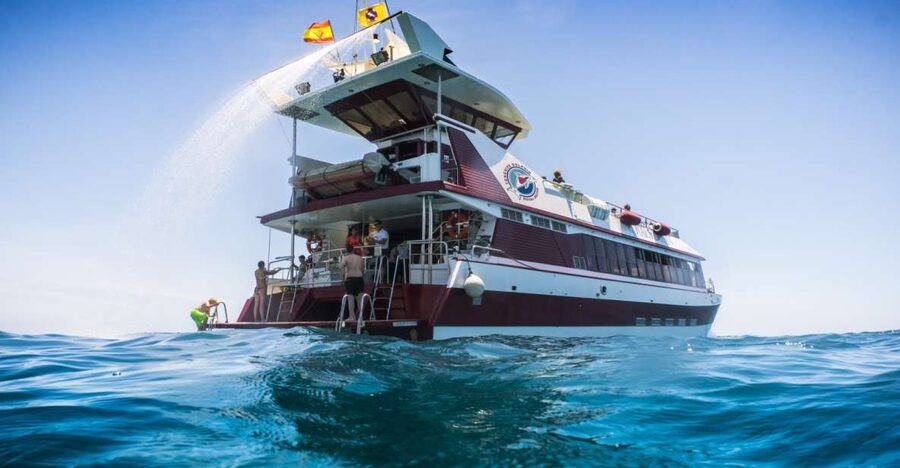
You start with a couple of setup steps depending on which boarding point you choose. One common pattern is a stop at Puerto Colón, where you’ll do a guided orientation, a safety briefing, and a stretch of scenic cruising while the crew gets you settled.
This part matters more than it sounds. Getting your bearings early helps when you’re later moving around the boat for views from different levels. Plus, you’ll hear how the crew handles sightings—where to stand, how they keep distance, and what to look for once whales or dolphins start showing up.
The crew also tends to keep things organized with clear announcements in multiple languages. That’s handy because you don’t have to translate the fun. You just look where they point.
Under the boat: 16 panoramic submarine windows and glass-bottom viewing
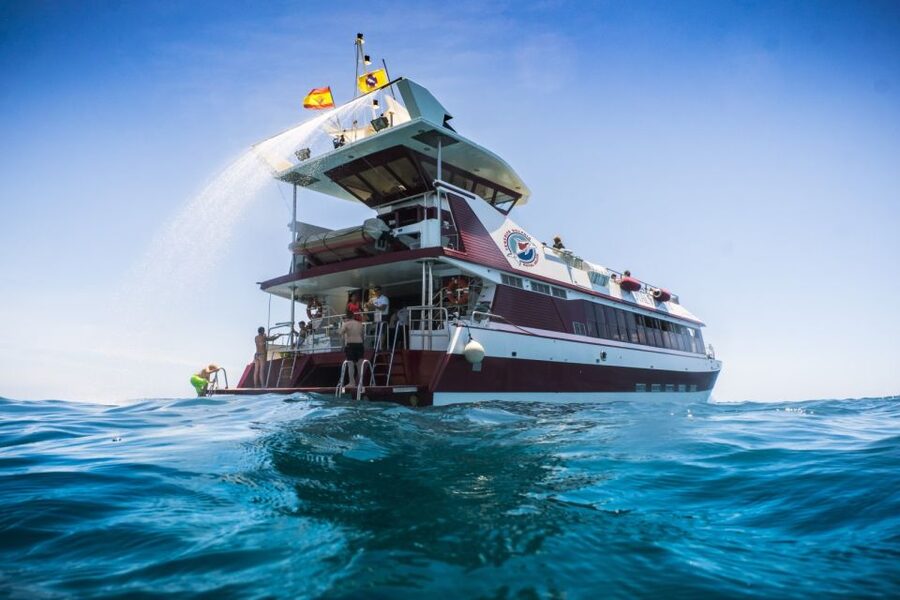
One of the best “value per minute” features here is the chance to see marine life from below—without you needing to get in the water.
The experience includes 16 panoramic submarine windows, and you can also enjoy glass-bottom viewing depending on where the boat stops and how the crew coordinates. The point isn’t magic underwater clarity all the time. The point is that you’re adding an extra layer to the trip: even when sightings are brief, you still have a built-in way to watch what’s happening beneath you.
This is especially helpful if the sea is a little rough. You can stay comfortable on board, watch from the windows, and still feel like you’re doing more than standing around hoping for whales.
Teno-Rasca whale watching: where pilot whales and dolphins fit in
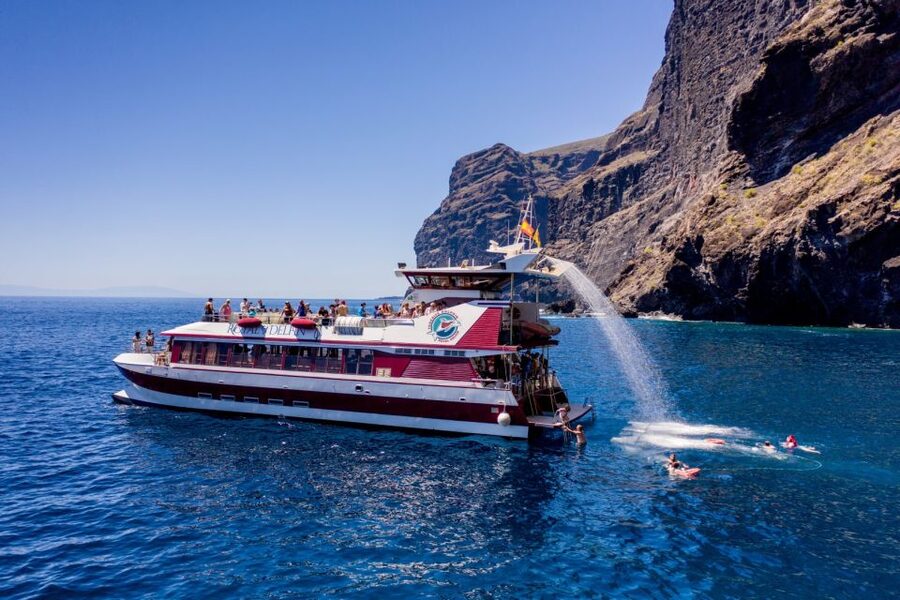
Tenerife’s southwest waters are treated as a special conservation zone for a reason. The tour is designed around the Teno-Rasca Whale Sanctuary idea—meaning you’re out in a real habitat where whales, dolphins, and seabirds show up.
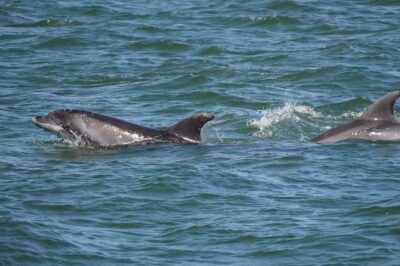
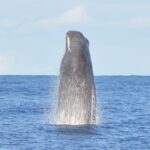
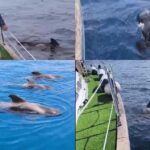
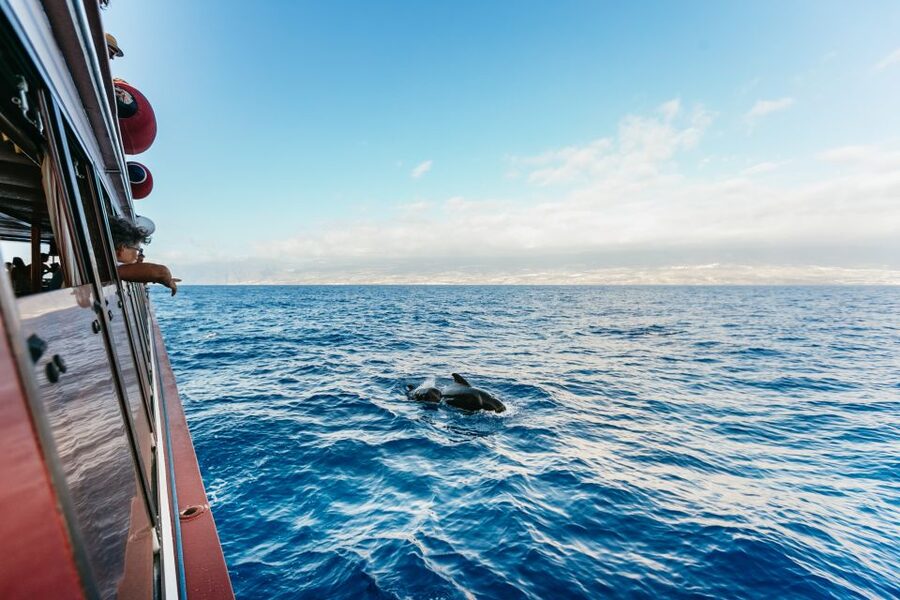
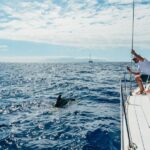
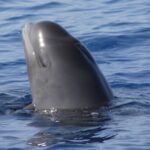
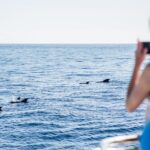
The search is for cetaceans, and the most common highlight you’ll hear about is pilot whales plus pods of dolphins. When it goes well, it can feel unusually close—not because the crew pressures the animals, but because the animals choose to pass near the boat.
From what you’re told and what you’ll notice, the crew’s goal is distance and respect. You’re not chasing; you’re observing. That also tends to make the whole trip feel calmer, which is a real quality upgrade when the boat is full.
On some days you’ll also spot other marine life along the way—flying fish show up in at least some outings, and turtles have been reported too. Even when you don’t get every species, the “marine environment” framing stays true: you’re surrounded by ocean activity, not just searching for one lucky moment.
The swim-and-lunch anchor: Diego Hernandez Bay or Masca/Los Gigantes
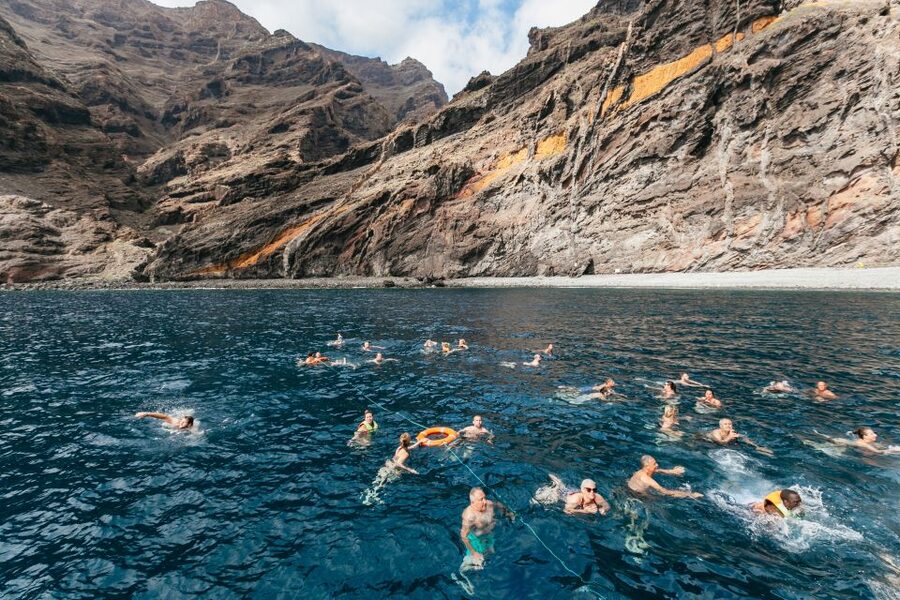
The best part of most afternoons is the pause to stop moving—then jump back in.
Diego Hernandez Bay stop (short cruise)
In the 3-hour version, you anchor at Diego Hernandez Bay for a swim in clear Atlantic water. You’ll also get the complimentary lunch during the stop, so you don’t have to cram a meal before the most important moment of the day. The swim time is about 40 minutes, which is long enough to cool off without turning into a full water session.
Los Gigantes/Masca Bay stop (long cruise)
In the 4.5-hour version, the swim and lunch come after sailing up toward the Los Gigantes cliffs. You’ll anchor in a beautiful bay, with dramatic cliff views all around. It’s the kind of stop where you’ll understand why people plan their Tenerife trips around the coastline—not just for a quick photo, but for the setting.
One practical thing: this is a busy time on a catamaran day. Plan to be patient when boarding steps get crowded, and keep an eye on your spot if you’re moving between swim areas and the deck for whale watches.
The included lunch, drinks, and what “good value” really means here
At $59 per person, the value question is simple: does the day feel like more than a whale-spotting ticket?
It does, because the tour bundles three things that normally cost extra on other excursions: a real outing at sea, a meal, and drinks. You get lunch plus drinks, and drink service is described as ongoing rather than a one-time pour. Options mentioned include soda, water, beer, and sangria, depending on the bar setup that day. If you’re traveling with mixed ages, this kind of included drink policy often becomes the difference between a “fun” day and a “we survived the boat” day.
Food-wise, lunch is included and there are diet accommodations by request—vegetarian, vegan, or gluten-free. That matters because some boats handle dietary needs poorly. Here, the offering is meant to fit more than just the standard menu.
A few passengers have said the lunch is tasty but not always exciting, and one person noted portion or variety limits. Keep expectations realistic: you’re eating on a boat at sea, not dining in a restaurant kitchen. But you’ll likely feel fed and satisfied rather than snack-only hungry.
If you love small local touches, there’s at least one mention of a traditional Canarian dessert on board as part of the meal experience. Also, some departures include a small shot for adults on the return, like honey rum—so it’s the kind of optional extra that makes the day feel a little more special.
Seeing whales and dolphins well: boats, crowding, and how to work the deck
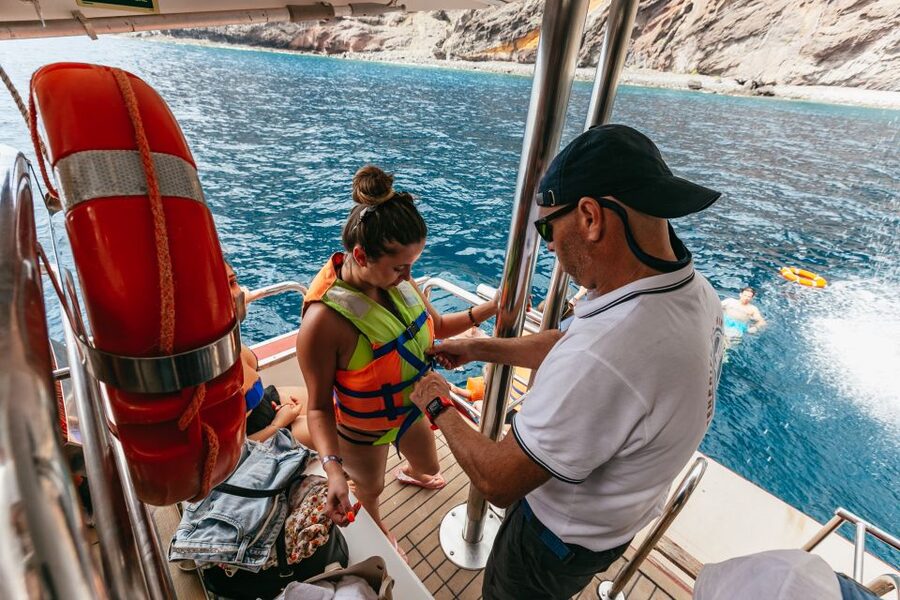
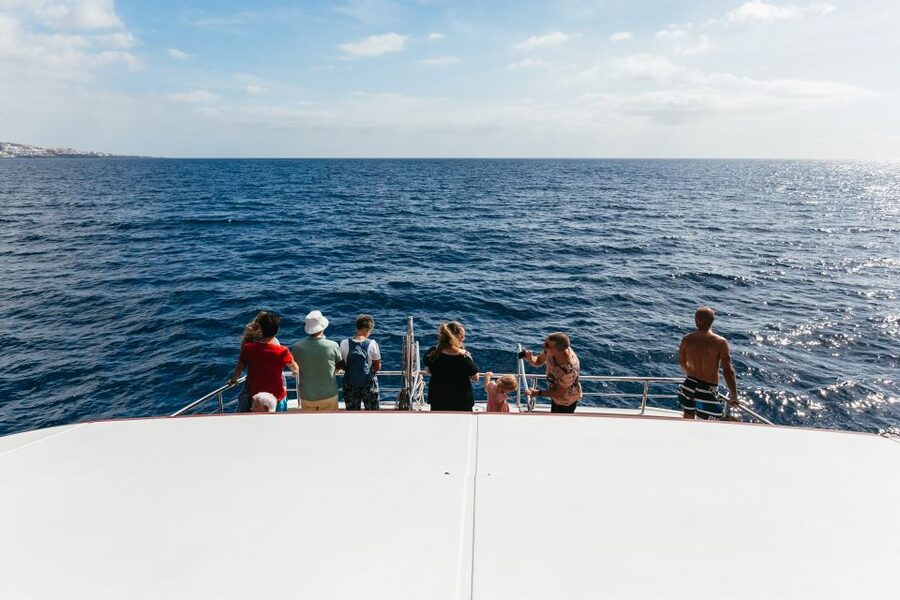
Here’s the truth: on a popular whale day, the boat can feel crowded at the exact moments you want a perfect view—when dolphins pass near the rails or when everyone swarms to see whales.
That doesn’t automatically mean it’s a bad trip. It means you should choose your strategy:
- Get to the viewing side early when you feel a sighting ramp up.
- Keep moving after the first rush. Many sightings last long enough that you can reposition.
- If you’re sensitive to motion, stay on the deck level that feels most stable for you, then move when the boat steadies.
One thing that sounds consistent in the experience is that the crew keeps people informed and doesn’t treat the viewing like a chaotic free-for-all. You’ll hear what to watch for and when to look below versus out to the side.
Also, if you’re traveling with kids, this is the kind of outing where kids can stay interested between sightings because there’s always something to watch: coastline, seabirds, and the chance to look from the windows.
Motion and seasickness: how to make the trip comfortable
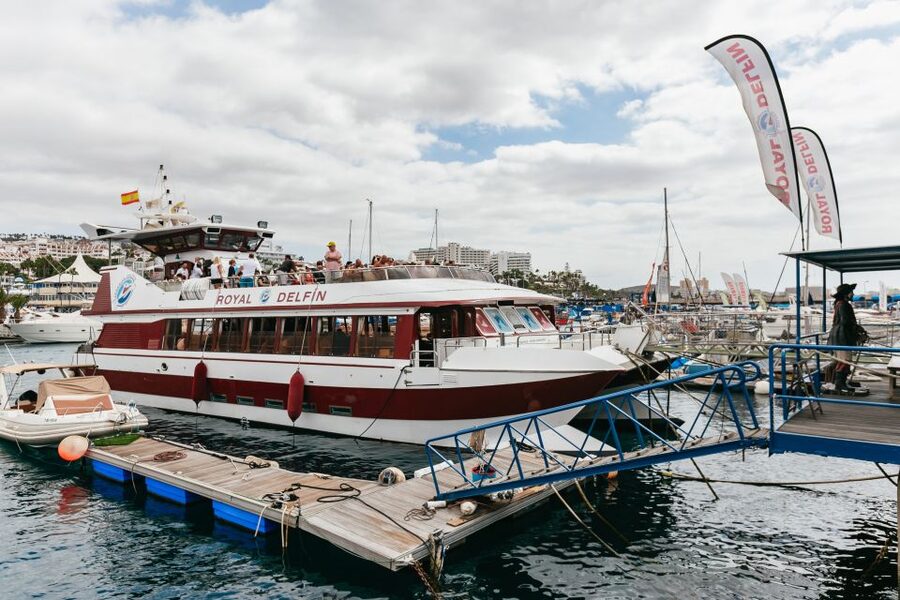
If you get seasick, this is the one factor you can’t ignore. Some days are smooth; other times leave the port with enough chop to bother sensitive stomachs.
Your best move is simple:
- Take any motion meds you normally rely on before you set off.
- Stay on the main deck when possible rather than hiding below.
- Bring a light jacket for morning departures—morning sea breeze can feel chilly.
If you’re prone to motion, plan your day so you’re not already exhausted. An hour on a rocking deck plus nerves can be worse than the actual waves.
Photos and souvenirs: how the onboard camera experience works
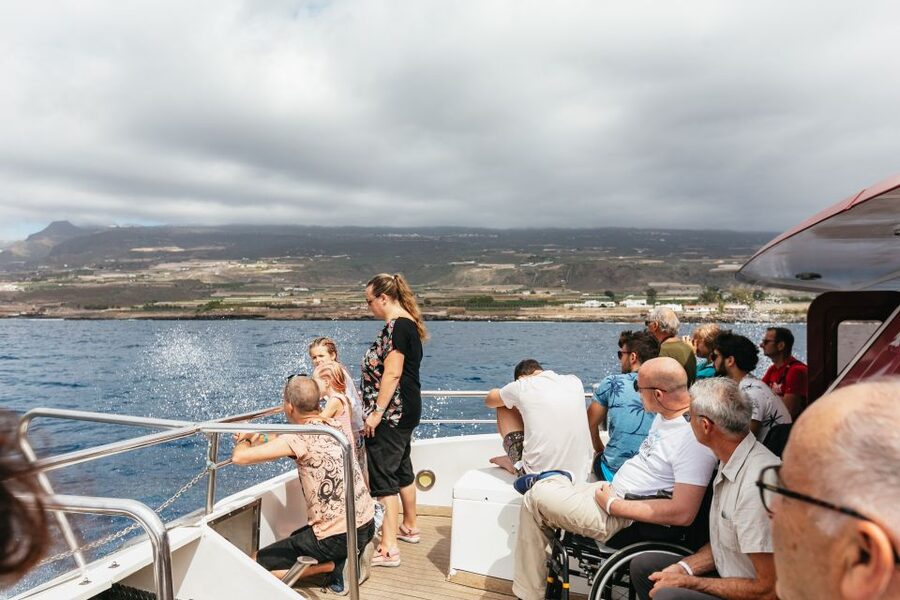
This trip offers photo and video options for purchase. You may have a dedicated camera person taking footage as you cruise, and some passengers have described that camerawork as friendly and memorable.
You’re not forced into anything during the experience, but you should expect the photos are an upsell at the end. If you like to buy a single professional memory shot, this is a good setup. If you’re a do-it-yourself photographer, you can focus on your own shots from the viewing levels and use the onboard option only if the results are worth it.
Either way, photos are never the main product here. The main product is the ocean time and the wildlife sightings.
Wheelchair access and boat logistics: what you can expect
The boat is described as wheelchair accessible, and there’s space to accommodate you if you tell the supplier beforehand. Still, there’s a reality check that matters: movement is limited to the main deck, and the bathrooms are not wheelchair-adapted.
If you use a wheelchair, reach out before you go so the crew can plan your space. Also, think about how you’ll handle the swim stop. The tour notes that there are ways to participate, but you’ll want to confirm with the crew on the day what access looks like at the water entry point.
For many mobility travelers, this tour can still work well because the viewing and windows give you plenty to enjoy without needing to roam everywhere.
Who should book this Tenerife whale and dolphin cruise?
Book it if:
- You want whales and dolphins as the headline, not just “maybe we’ll see something.”
- You’d like a day with a swim and a meal included, so you’re not juggling lunches and transfers.
- You enjoy marine viewing from multiple angles—out over the water and down through underwater windows.
Skip or rethink it if:
- Seasickness is a major issue and you don’t take precautions.
- You dislike crowded moments during high-demand viewing times.
- You’re expecting a long, restaurant-style meal with lots of side options. Lunch is included, but it’s still a boat lunch.
This is a strong family-friendly option too. The combination of wildlife, swim time, and onboard viewing keeps different ages happy, especially when the crew is actively pointing things out.
Should you book the Adeje whale and dolphin cruise with lunch and swim?
If your priority is a straightforward Tenerife sea day with great included value, I’d say yes—especially if you pick the route that matches your energy level. The shorter Diego Hernandez Bay option is a tidy half-day that still delivers a real swim and lunch. The longer Los Gigantes route gives you more coastline scenery and more time at sea.
The only serious reason not to book is if you know you’ll feel awful on a rocking boat and you don’t plan for it. Otherwise, this is one of those trips where the ocean experience comes packaged with the comforts that keep it fun.
FAQ
How long is the whale and dolphin cruise?
There are two options: a 3-hour cruise or a 4.5-hour cruise, depending on which route you book.
Where does the cruise depart from?
The meeting point can vary depending on the option booked. One noted stop is Puerto Colón, and there are two starting location options listed.
Is lunch included?
Yes. Lunch is included during the swim and anchor stop.
Are drinks included?
Yes. A selection of drinks is included throughout the excursion, and lunch/drinks come with the stop.
Can I swim during the tour?
Yes. You’ll have a swim stop in Diego Hernandez Bay (short cruise) or around the Los Gigantes/Masca area (long cruise).
Is snorkeling equipment provided?
No. Snorkeling equipment is not included.
Will there be an underwater viewing option?
Yes. The experience includes 16 panoramic submarine windows and also includes a glass bottom boat ride.
What languages are available for the live guide?
The live guide is available in Spanish, Dutch, English, German, Italian, and French.
Is the tour wheelchair accessible?
The boat is wheelchair accessible, but movement is limited to the main deck. Also, the bathrooms are not wheelchair-adapted.
Can I get a full refund if I cancel?
Yes. You can cancel up to 24 hours in advance for a full refund.