REVIEW · ALGECIRAS
Algeciras: Dolphin and whale watching in reduced groups
Book on GetYourGuide →Operated by Estrecho Natura · Bookable on GetYourGuide
Two hours on the sea can feel surprisingly personal. This small-group dolphin and whale watching trip in Algeciras (max 6 people) puts you in the Bay of Algeciras with a biologist guide and a merchant navy captain who know how to read the sea. I especially like the up-close, question-friendly setup with guide Irene and Alvaro, and I also love that the search adapts to conditions while you’re out there, weather permitting. One drawback to plan around: dolphin and whale sightings are still wild-animal stuff, and the fin whale part depends on season.
The big value here is that you’re not just chasing big sightings for a quick photo. You’re doing a guided marine-animal experience with a 99% chance of seeing at least one dolphin species, plus the option to come back for free another day if the outing doesn’t go well.
In This Review
- Key points at a glance
- Why Algeciras works for dolphin and whale watching in the Strait
- The 2-hour route: Bay of Algeciras searching on a short leash (in a good way)
- Your on-board team: biologist Irene, Alvaro, and a merchant navy captain
- What you can realistically see: three dolphin species in one trip
- Fin whales in season: the seasonal extra you shouldn’t count on
- The small-group difference: reduced numbers, better spotting, easier questions
- Comfort and seasickness: what the boat approach means for your body
- Price and value: $81 when you include the guide and the “second try” option
- What’s included, what’s not, and what to bring on departure
- Departure from Algeciras Marina: easy start, minimal friction
- Who this dolphin and whale watching trip suits best
- Should you book this reduced-group trip with Estrecho Natura?
- FAQ
- How many people are on the boat?
- What marine animals can I see on this excursion?
- Is there a guarantee for sightings?
- Where does the tour depart from?
- What is included in the ticket price?
- Is food or drinks provided?
- Can I get a free return if the sightings aren’t good?
Key points at a glance
- Max 6 passengers keeps the vibe calm and lets you actually ask questions
- Biologist-led explanations from Irene and Alvaro help you spot behavior, not just shapes
- 3 dolphin species possible: common, striped, and bottlenose
- Seasonal fin whales can appear during migration, depending on timing
- 99% sighting success guarantee for at least one dolphin species
- Free return if conditions or sightings are poor
Why Algeciras works for dolphin and whale watching in the Strait
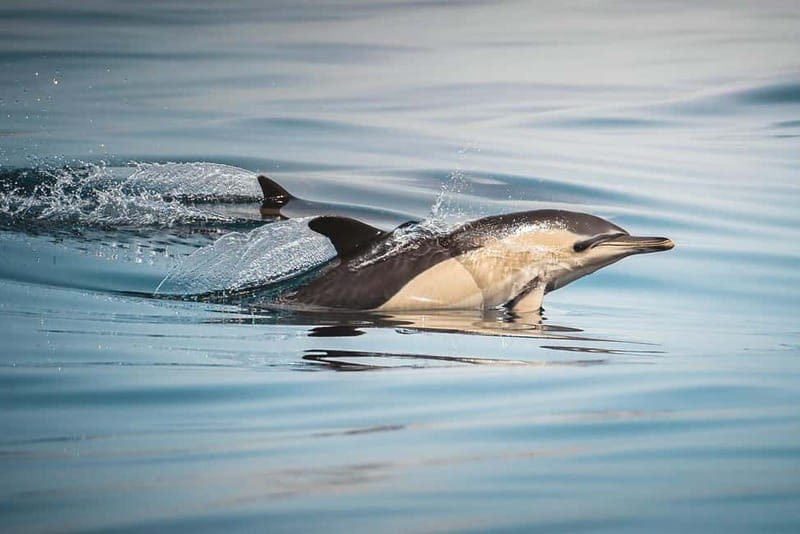
If you picture dolphin watching as a frantic dash to the next viewing spot, this trip is the opposite. Algeciras sits right at the Strait of Gibraltar, where marine life moves through waters between two seas and two continents. That geography matters because you’re not hunting in the open ocean with zero context—you’re operating in a known corridor where dolphins and whales may show up during the right conditions.
What I like is how the experience frames the wildlife. You’re not only told what animals might be there. You’re also guided to understand what you’re seeing: how different dolphin species act, how marine movement changes with the sea state, and why timing matters for whale encounters.
And since you’re starting from Algeciras Marina, you’re right in the action fast. No long transfer. No wandering. You’re on a boat with a small crew and a plan to look, learn, and wait when waiting pays off.
You can also read our reviews of more tours and experiences in Algeciras.
The 2-hour route: Bay of Algeciras searching on a short leash (in a good way)
The excursion runs about 2 hours, and the core experience is sailing around the Bay of Algeciras and nearby areas. That short time window is intentional. It gives you enough time to search, watch behavior, and reposition if the sea or animals shift, without turning the day into a half-sleepy ocean slog.
Here’s what that means for you on the water:
- You’ll spend the time actually looking, not just motoring.
- You’ll move around the bay and surrounding waters depending on where dolphins surface.
- The boat and crew adjust as weather changes.
A practical reality: wild animals don’t follow schedules. The trip’s promise isn’t that you’ll see everything at once. The promise is that the operation is built around high-probability dolphin encounters, and that’s where the 99% success rate comes in. It’s a useful mindset to bring: the dolphins are the main event, and the whale component is a seasonal bonus when conditions align.
Your on-board team: biologist Irene, Alvaro, and a merchant navy captain
This is the part that makes the whole trip feel more like a guided experience than a tour you rush through.
On board, you get a biologist-led guide service at all times. In practice, that means you’re not just handed a script. Irene and Alvaro are there to explain animal curiosities and answer your questions while you’re watching. If you’ve ever done wildlife trips where you spend 90% of your time guessing what you’re seeing, this is the fix.
You also have the captain of the Merchant Navy with local sea-and-fauna knowledge. That matters because sea conditions and animal movement are linked. When the sea gets rough, the crew can change how they run the boat. One of the most reassuring details from past outings is that the guide and captain actively manage comfort and safety when waves pick up, including slowing/stopping when needed so everyone stays well.
For families, this kind of captain competence matters. For adults, it matters too, because seasickness often hits when waves feel unmanaged. A crew that reads the conditions reduces stress, and stress makes it harder to enjoy wildlife.
What you can realistically see: three dolphin species in one trip
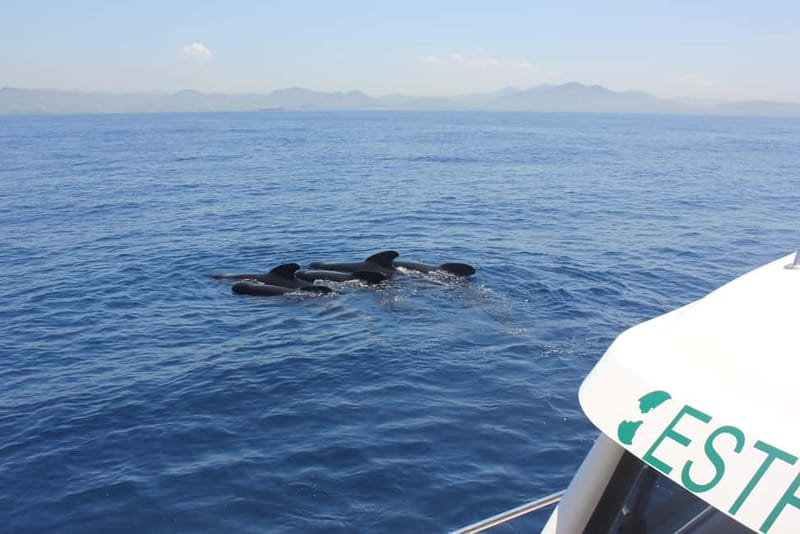
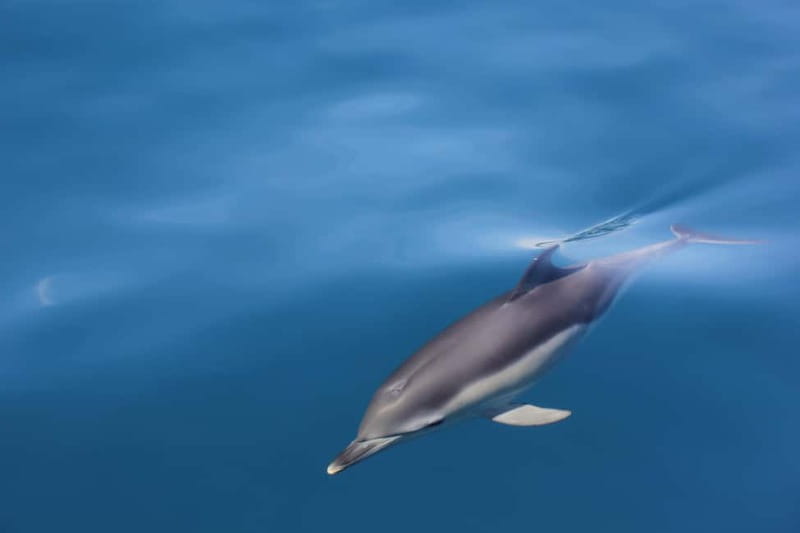
The trip is designed around the local dolphin population. You have the option to see three dolphin species known to live in this area:
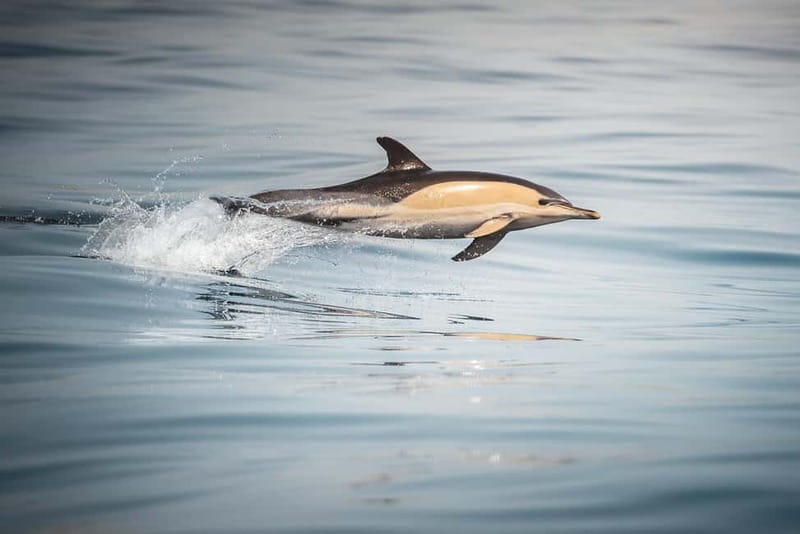
- Common dolphins
- Striped dolphins
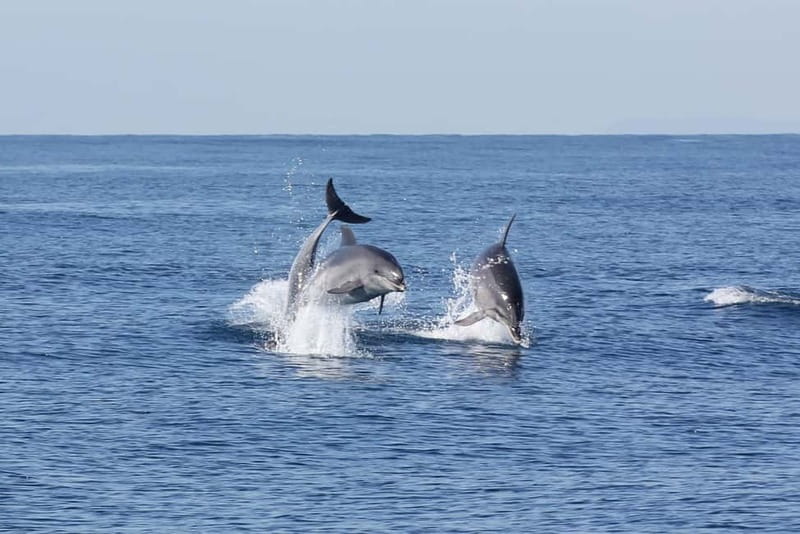
- Bottlenose dolphins
In plain terms, that variety boosts your odds. Even if one species doesn’t show, another might. It also turns the boat ride into a mini marine field class: the guide can help you separate species by behavior and appearance as you watch from the water.
One more useful thing: you’re not stuck watching from a distant perch. Dolphins can approach, surface near the boat, and show off their jumping and acrobatics. The experience is built around that possibility, which is exactly why small-group structure helps. With fewer people on board, you’re more likely to feel like you’re in the action rather than pressed into the back row.
Also, a key reminder: these are wild animals, so you can’t force the perfect moment. The value is that the team keeps searching while you’re out there and helps you interpret what happens when the moment comes.
Fin whales in season: the seasonal extra you shouldn’t count on
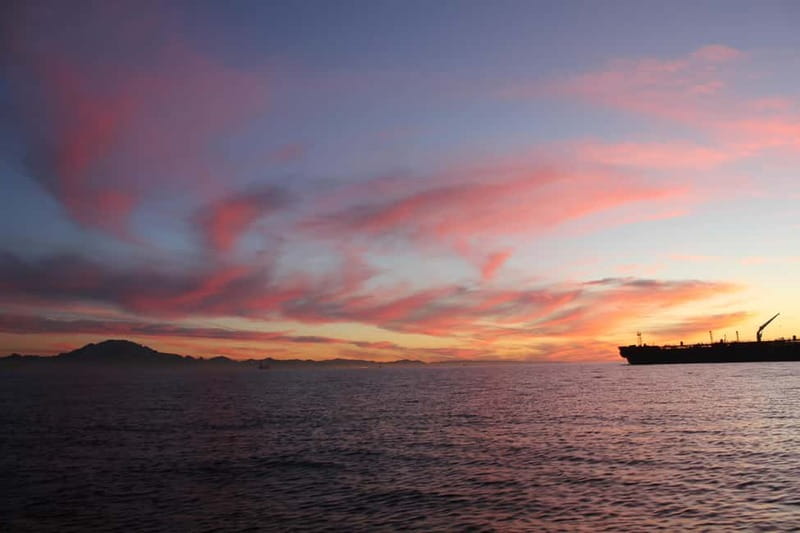
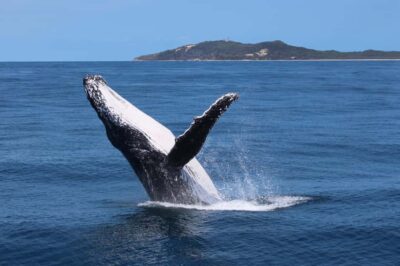
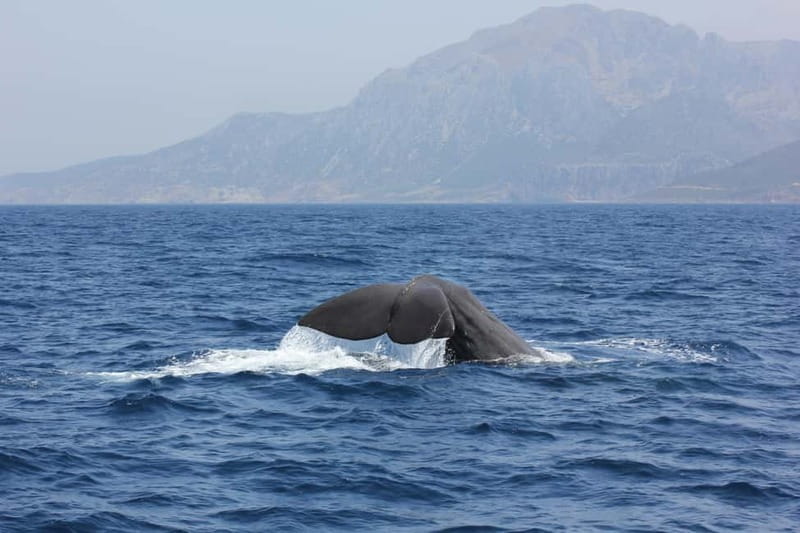
Yes, you may see a fin whale—listed as the second largest whale in the world—during migration. The important part is the wording: it’s based on season. So for you, the smart way to plan is this:
- If you’re booking for dolphins, you’re on solid ground.
- If you’re booking for whales too, keep expectations flexible and treat fin whales as a potential bonus.
That flexibility also improves your experience. When the whale shows up, it’s unforgettable. When it doesn’t, you’re still on a dolphin-centered outing with a high probability of sightings.
And if you go out and conditions or luck don’t produce a good show, there’s a safety net: if sightings aren’t good, you can come back for free another day. That turns the whale-chance element into a lower-risk gamble.
The small-group difference: reduced numbers, better spotting, easier questions
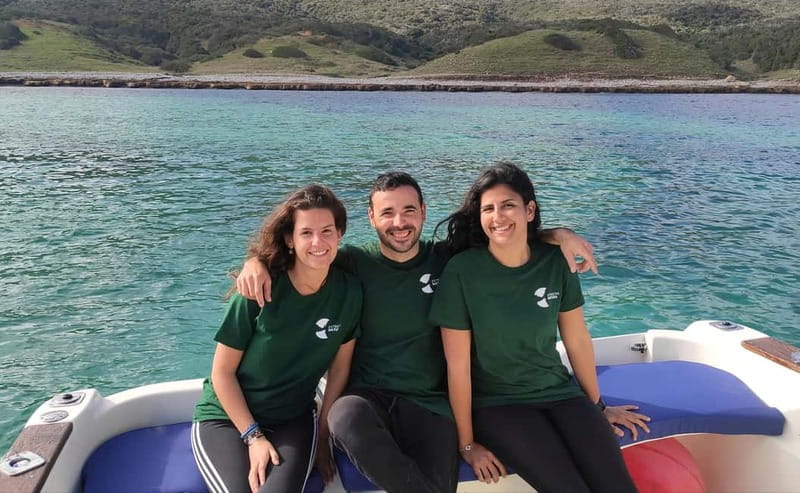
Max 6 passengers might sound like a minor detail, but on the water it changes everything. You get:
- More space to move around and reposition for viewing
- Quieter conversations so you actually hear the explanations
- A better chance that the guide can respond to your questions instead of repeating them to a packed group
- A more personal, adaptable vibe when weather changes
This is also where the service style shows up. People tend to forgive “wild animal unpredictability” when the crew feels friendly and attentive. Irene and Alvaro have done well here by being genuinely engaged during the trip, not just checking boxes.
If you’re bringing kids, small-group boating tends to help. You’re more likely to feel in control of the experience, and the captain/guide can manage comfort when the sea gets choppy.
Comfort and seasickness: what the boat approach means for your body
Even with careful routing, the Strait can get a little sporty. The good news is that this tour has an emphasis on adapting to conditions. If waves pick up, you can expect the crew to respond in ways that protect comfort and safety.
Still, you should come prepared. Bring a jacket even in warm months, because sea wind plus movement can cool you fast. Wear comfortable shoes so you can stand and adjust without feeling wobbly. Use biodegradable sunscreen since you’ll be out in open sunlight for part of the trip.
And follow the simple rules onboard. You’re there to watch and learn, not to distract the animals. That includes not touching wildlife.
Price and value: $81 when you include the guide and the “second try” option
At $81 per person, you’re paying for more than a boat ride. The real value shows up when you break down what’s included:
- Boat ride in a unique setting (between two seas and two continents)
- Biologist guide on board to explain what you’re seeing
- Merchant navy captain with local knowledge
- A 99% guarantee for at least one dolphin species sighting
- A free return if the sightings aren’t good
If you compare that to generic wildlife trips that mainly focus on getting you somewhere, this one is closer to a guided field experience. You’re not just hoping dolphins appear—you’re being coached on how to interpret their behavior when they do.
Is it still possible you see less than you hoped? Sure. Wild animals don’t obey timetables. But the combination of a high-probability dolphin plan and a second-day option reduces the sting of a slow outing.
What’s included, what’s not, and what to bring on departure
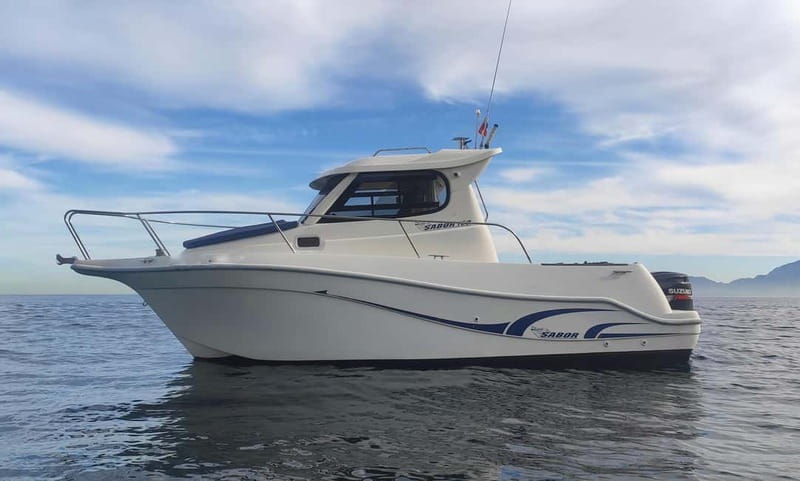
This tour is straightforward.
Included:
- Boat ride
- Biologist tour guide on board (Spanish/English)
- Captain (local knowledge of sea and fauna)
Not included:
- Food and beverage
That means you should plan your day so you’re not hungry on the water. Since the ride is only 2 hours, a small snack or water plan can make the difference between “this is great” and “I’m counting minutes because my stomach is loud.”
What to bring:
- Comfortable shoes
- Biodegradable sunscreen
- Jacket
Not allowed:
- Touching animals
Departure from Algeciras Marina: easy start, minimal friction
You meet at Algeciras Marina, and the boat is right in front. Free parking is available near the meeting point, and that’s a real plus if you’re driving in from the region. You get a clean start: arrive, find the boat, and get out on the water.
This matters because wildlife trips live and die by timing. The easier the meeting point, the less stress you carry into the experience.
Who this dolphin and whale watching trip suits best
I think this one is especially good for:
- Families who want a guided marine experience and a calmer small-group feel
- First-timers who don’t want to guess what species they’re seeing
- People who care about explanations as much as photos
- Anyone booking a short stay in Andalusia who wants a high-probability dolphin outing without a long day
It’s not suitable for wheelchair users, so if mobility is a concern, double-check your options before booking.
Should you book this reduced-group trip with Estrecho Natura?
If your goal is dolphins in the Bay of Algeciras, this is a strong bet. The small-group limit, the biologist-led explanations from Irene and Alvaro, and the 99% success rate for at least one dolphin species make it feel like a well-run wildlife outing, not a roll-the-dice boat ride.
I’d especially book it if you:
- Want a guided experience where you can ask questions
- Like the idea of a reduced group size for better viewing
- Appreciate a safety net with a free return day if sightings disappoint
I’d think twice if you’re mainly chasing fin whales and your travel dates don’t match the migration season. You might still see whales, but dolphins are the core plan—and that’s exactly where the best odds sit.
If you want, tell me your travel month and whether you’re traveling with kids. I can help you set realistic expectations for dolphins vs fin whale timing and what to prioritize during your 2-hour window.
FAQ
How many people are on the boat?
The trip is a small group with a maximum of 6 participants.
What marine animals can I see on this excursion?
You can see three dolphin species in the area: common dolphins, striped dolphins, and bottlenose dolphins. You may also see fin whales depending on the season.
Is there a guarantee for sightings?
Yes. There is a stated 99% success rate for seeing at least one dolphin species.
Where does the tour depart from?
Departure and arrival are at Algeciras Marina. Free parking is available and the boat is right in front.
What is included in the ticket price?
The ticket includes the boat ride, a biologist tour guide on board, and a captain with local sea knowledge.
Is food or drinks provided?
No. Food and beverages are not included.
Can I get a free return if the sightings aren’t good?
Yes. If the sighting isn’t good, you can return for free another day.