REVIEW · SESIMBRA
Arrábida – Sesimbra: Dolphin Watching
Book on GetYourGuide →Operated by ArrabidaLife · Bookable on GetYourGuide
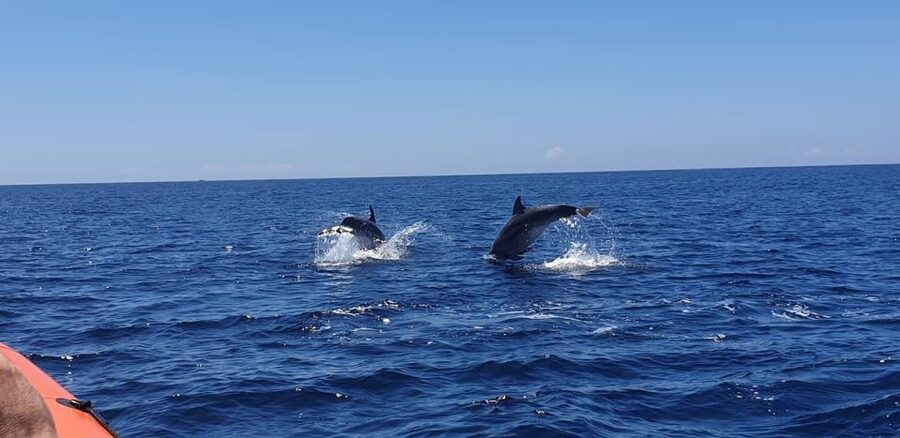
Dolphins meet you where the coast bends. This 2-hour boat tour from Sesimbra combines wildlife spotting with a hands-on ocean-plastic cleanup, cruising the Arrábida Natural Park coastline toward the Sado River. A marine ecologist is along for the search and the explanations, so you’re not just hoping for sightings—you’re learning what you’re seeing.
I love the way the scenery and the dolphins work together: Arrábida’s coastline views are dramatic, and they keep the trip interesting even when the water is quiet. I also like the focus on learning and conservation, including why the Sado River estuary matters and how the cleanup helps reduce ocean pollution.
One real consideration: dolphins are wild animals, so sightings can’t be 100% guaranteed. Even with a very high success rate (about 98%), you should still book with the right mindset—expect an excellent chance, not a promise.
In This Review
- Key highlights you’ll feel right away
- Why the Arrábida coast is a smart place for dolphin watching
- What the 2 hours on the water really look like
- Ocean-plastic pickup: conservation you can do with your own hands
- The Sado estuary moment: why it’s more than just a scenic stop
- Possible cave detour and how to not miss the fun
- Guides, languages, and the vibe onboard
- Price and value: is $58 for 2 hours fair?
- What to bring (and the behavior rules that keep it respectful)
- Who should book this dolphin tour—and who might skip it
- Should you book ArrábidaLife Dolphin Watching?
- FAQ
- Where does the dolphin watching tour depart from?
- How long is the experience?
- What’s included in the price?
- Is dolphin spotting guaranteed?
- What dolphin species are you looking for?
- Do you do anything to help the environment during the tour?
- What rules do I need to follow on the boat?
- What should I bring?
- What languages are the guides available in?
Key highlights you’ll feel right away
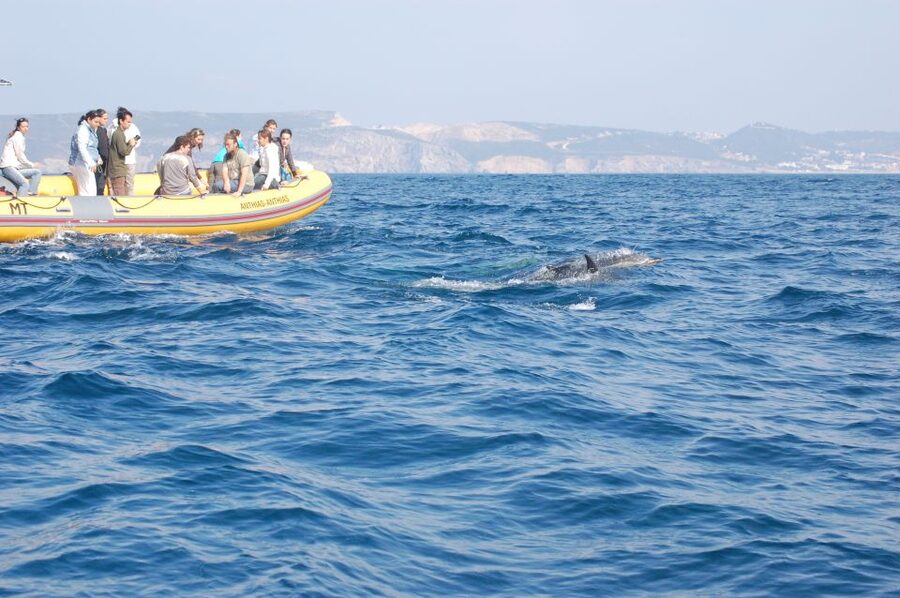
- 98% spotting success rate with common and bottlenose dolphins in the area
- Sado River estuary focus, a key conservation spot where dolphins live year-round
- Hands-on floating plastic collection to reduce pollution you can actually see
- Expert marine ecologist guidance in Portuguese, English, or Spanish
- Coastline cruising in Arrábida Natural Park, with a good shot at extra stops like nearby caves (when conditions allow)
- Water and a taste of farinhar torrada included, plus lifejackets for comfort and safety
Why the Arrábida coast is a smart place for dolphin watching
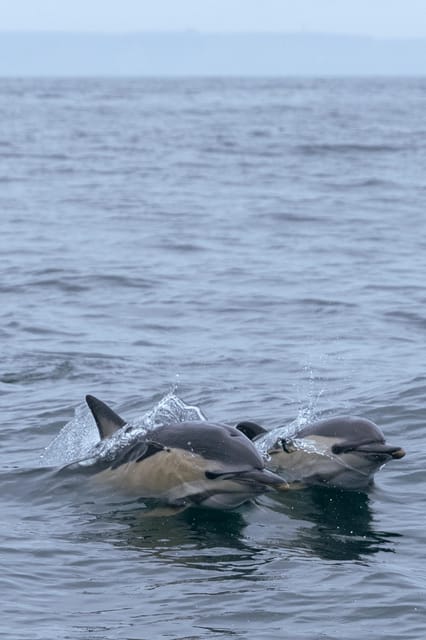
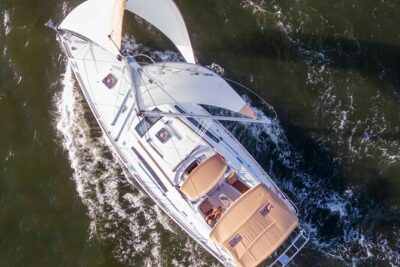
If you want dolphins without feeling like you’re stuck in a tourist trick, this route makes a lot of sense. You’ll be out from Sesimbra, scanning the coast and moving along the Arrábida Natural Park area, up toward the Sado River.
The big reason this works is the Sado River estuary. It’s described as a prime importance zone for dolphin conservation, and dolphins live there all year round. That’s not a small detail—year-round presence usually means the animals are more predictable in terms of where to look, especially compared to places where dolphins might only show up seasonally.
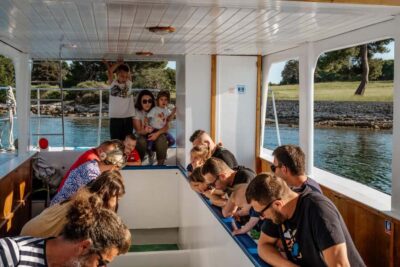
You’ll also get something that’s hard to quantify until you’re on the water: the coastline itself. Even when you’re concentrating on spotting movement (it happens fast out there), the views keep you engaged. You’re not just staring into open water the whole time.
You can also read our reviews of more tours and experiences in Sesimbra.
What the 2 hours on the water really look like
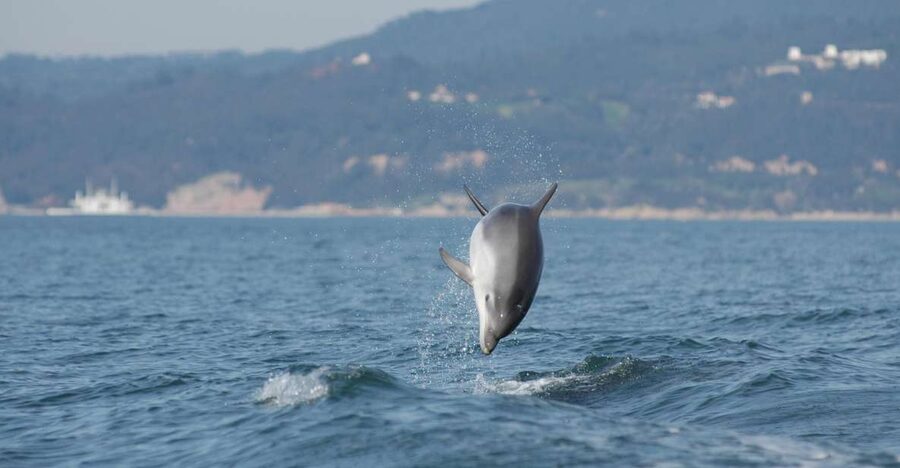
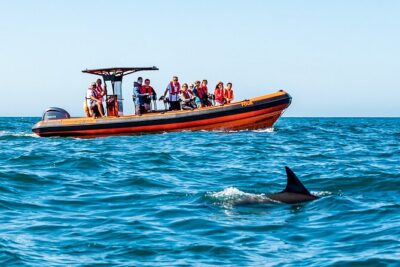
This is a focused trip—2 hours that trade long transfers for actual time scanning for marine life. You depart by boat from Sesimbra and head out searching for dolphin species that inhabit the coastline.
Your marine ecologist guide helps you locate likely areas and explains what you’re seeing as the boat moves. The tour is set up with the expectation that you’ll spot both:
- Common dolphins
- Bottlenose dolphins (including ones connected with the Sado River estuary)
You may also see other marine species along the way. The practical benefit here is that you’re not relying on one single outcome. Dolphins are the headline, but the trip keeps its momentum even if the dolphins don’t show immediately.
In real terms, you’ll want to be ready to look quickly. When dolphins surface, it can be brief. So keep your eyes on the water and your camera ready—but don’t let gear slow you down.
Ocean-plastic pickup: conservation you can do with your own hands
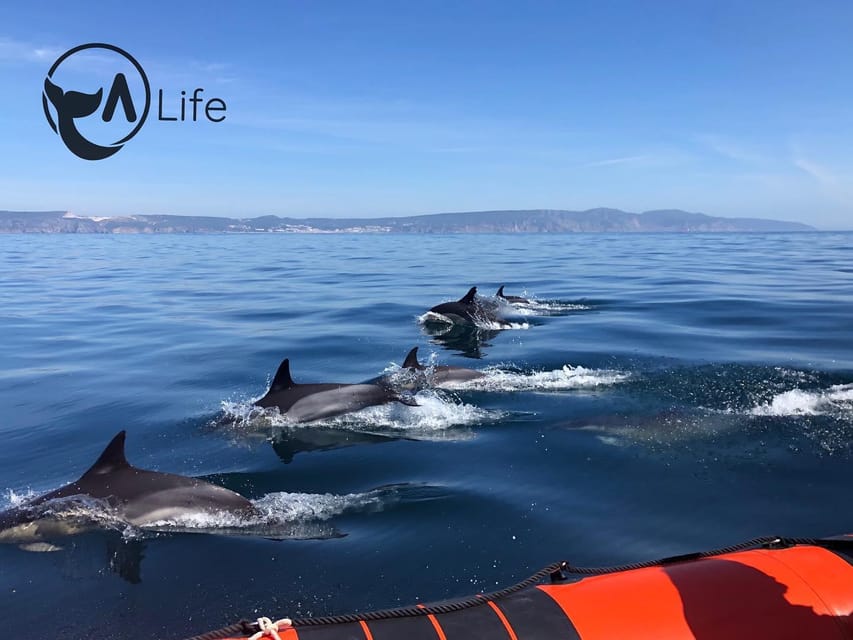
This is one of the reasons I’d pick this tour over a basic wildlife cruise. You’re not only learning about marine conservation—you’re helping with it during the trip.
During the boat experience, you’ll be part of an effort to locate and collect floating plastic that pollutes the waters. It’s a visible way to connect the conservation message to the problem in front of you. You’ll also hear more about dolphin conservation and why keeping the water clean matters for the whole ecosystem.
A couple of rules matter here. You’re not allowed to litter, and you’re not allowed to touch marine life. That keeps the activity safe for animals and responsible for you. And it means the cleanup stays focused on plastic, not on getting too close to wildlife.
If you care about doing more than taking photos, this hands-on element is the hook. If you’re expecting a purely passive experience, you might spend a bit of time paying attention to the cleanup process instead of only scanning for fins.
The Sado estuary moment: why it’s more than just a scenic stop
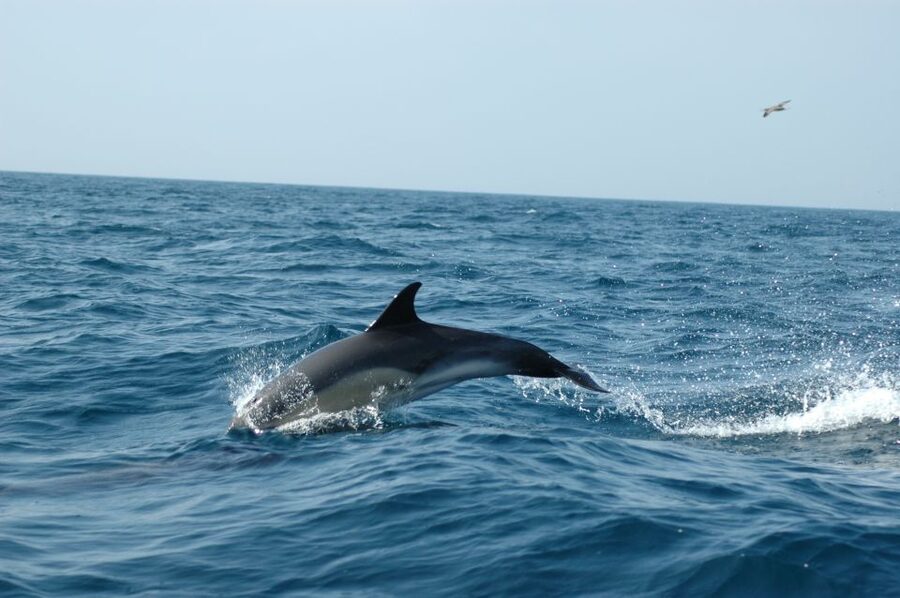
The tour is built around cruising the Arrábida coastline and reaching up to the Sado River area, with special attention on the estuary.
This is the key conservation zone where dolphins live all year round. That matters because the estuary isn’t just a name on a map—it’s treated as a real target area for spotting and understanding dolphin behavior.
You’ll get the feeling that the guide isn’t guessing randomly. The estuary focus gives the trip structure, and it’s why the overall dolphin-spotting success rate is reported as very high (about 98%). Still, remember the honest side of wildlife: dolphins are wild, so sightings depend on what the animals do that day.
If you’re the kind of traveler who likes meaning behind your view—why this place, why these waters—that estuary emphasis is where the tour delivers.
Possible cave detour and how to not miss the fun
Arrábida has dramatic coast features, and at least one recent experience included an extra detour to nearby caves. It’s not guaranteed based on the info you’re given, but it’s a good sign that the route can include interesting side options when conditions allow.
Here’s how to treat this as a smart traveler: don’t plan around it as the main event. Treat caves as a bonus if you get them. The primary promise is dolphins and the coastline cruising up toward the Sado River.
What I’d do is keep your schedule flexible in your head. If you have another appointment later that evening, give yourself breathing room. Two hours on the water can feel quicker when dolphins show up, and it can also feel longer if you’re catching every detail of the coastline.

Guides, languages, and the vibe onboard
The tour is led by a marine ecologist, who’s responsible for the activity. That’s a big deal for value: you’re not only on a boat—you’re on a guided explanation of what you’re seeing and why those sightings matter for conservation.
Language options are generous: Portuguese, English, and Spanish. So you can pick a comfort zone without feeling like you’ll miss the story. If you’re the type who likes to ask questions, a guide who can speak your language makes the trip much more satisfying.
The overall onboard experience seems to be guided by two priorities: professional spotting and friendly attention. You’ll also have lifejackets included, and water is provided—small things that keep the experience comfortable while you’re focused on the coast and the animals.
Price and value: is $58 for 2 hours fair?
For about $58 per person with a 2-hour runtime, you’re paying for more than boat time. The included items are what push this into “good value” territory:
- Marine ecologist guide (the expertise)
- Insurance
- Lifejacket
- Water
- A taste of the region’s typical cake (farinha torrada)
That combination means you don’t have to pack extra safety gear, and you’re not stuck paying separately for basic comforts while you’re trying to enjoy wildlife watching.
Food and beverages are not included, so plan to eat before or after. If you’re comparing value, think of it this way: this isn’t a long “vacation buffet” day—it’s a short, focused nature experience with real conservation activity. If you want quick quality in Lisbon area, that’s the right mental fit.
The other value factor is the reported high success rate of spotting dolphins (about 98%). When a tour actually delivers the headline animal, the cost per satisfying hour drops fast.
What to bring (and the behavior rules that keep it respectful)
The tour is simple, but a few items matter because you’ll be outside and looking at the water for extended stretches.
Bring:
- Comfortable shoes (you’re on a boat, so slip-ons that still grip help)
- Hat
- Sunscreen
- Comfortable clothes
Also, follow the two main behavior rules:
- No littering
- No touching marine life
These aren’t just “nice to have” rules. They protect animals and help the cleanup goal stay clean and effective.
And if you’re traveling with toddlers: it’s not suitable for children under 2 years. For families, that age note is important.
Who should book this dolphin tour—and who might skip it
This trip is a great match if you want:
- A real chance to see dolphins, with a strong success rate
- Conservation-focused activity (plastic cleanup)
- A guided experience with an expert marine ecologist
- Scenic cruising along Arrábida Natural Park up toward the Sado River
It’s also a smart choice for couples and solo travelers who want a short nature outing that doesn’t require a full day.
You might think twice if you’re the kind of traveler who hates any structure beyond pure sightseeing. You’ll spend time on cleanup and listening to conservation explanations, not just passively scanning for fins. And you should always be okay with the fact that dolphins are wild, so sightings can’t be guaranteed—even with strong odds.
Should you book ArrábidaLife Dolphin Watching?
I’d book it if you’re excited by both wildlife and a practical conservation action. The combination of coastline views, dolphin searching, and the chance to help remove floating plastic makes it feel purposeful, not just performative.
Also, be honest with your expectations. The tour has a very high reported spotting success rate (about 98%), but wild animals do what wild animals do. If you can enjoy the journey even in the slower moments, you’ll get a lot from it.
If you’re in Lisbon and want a two-hour window that delivers nature, learning, and a hands-on environmental impact, this is a strong pick.
FAQ
Where does the dolphin watching tour depart from?
The tour departs by boat from Sesimbra.
How long is the experience?
The duration is 2 hours.
What’s included in the price?
Included are insurance, a marine ecologist guide, lifejacket, water, and a taste of farinha torrada.
Is dolphin spotting guaranteed?
No. Dolphins are wild animals, so sightings can’t be 100% guaranteed. The local partner reports a very high success rate of about 98%.
What dolphin species are you looking for?
You’ll try to spot common dolphins and bottlenose dolphins, including dolphins associated with the Sado River estuary.
Do you do anything to help the environment during the tour?
Yes. You help locate and collect floating plastic that pollutes the water, as part of the environmental/conservation focus of the experience.
What rules do I need to follow on the boat?
You’re not allowed to litter, and you’re not allowed to touch marine life.
What should I bring?
Bring comfortable shoes, a hat, sunscreen, and comfortable clothes.
What languages are the guides available in?
The live guide speaks Portuguese, English, and Spanish.