REVIEW · BIARRITZ
Basque Country : Whale and Dolphin Watching Boat Tours
Book on GetYourGuide →Operated by oceanboat64 · Bookable on GetYourGuide
Dolphins feel close in Basque seas. Off Saint-Jean-de-Luz, you ride a fast zodiac RIB on a small-group run toward the Gouf de Capbreton, and I love that you’re watching real pods in the wild while the crew keeps things respectful. One thing to plan for: you’re out at sea for about 4.5 hours and there isn’t a toilet stop during that time.
You’ll meet at 8:00 AM at 14 Quai de l’Infante (pontoon A), get a quick briefing, then head offshore. Expect a French-English guide, included coffee, and lots of time in the observation area—so bring warm layers even if the day looks sunny from shore.
In This Review
- Key things I’d plan around before you go
- Meeting at 14 Quai de l’Infante and getting boat-ready
- The 45-minute run to the Gouf de Capbreton underwater canyon
- The 3.5-hour observation zone: dolphins, pods, and how close is close
- What species you can realistically expect from this coast
- Comfort and safety: a fast boat needs smart packing
- Coffee, timing, and the sense of a well-run expedition
- Value for money: what $199 buys you on the water
- Who this Basque whale and dolphin tour is best for
- Should you book this cetacean watching tour from Saint-Jean-de-Luz?
- FAQ
- Where do I meet for the tour?
- What time does the excursion start and end?
- How long is the tour?
- What wildlife might we see?
- What language is the live guide in?
- Is it suitable for children or everyone?
Key things I’d plan around before you go
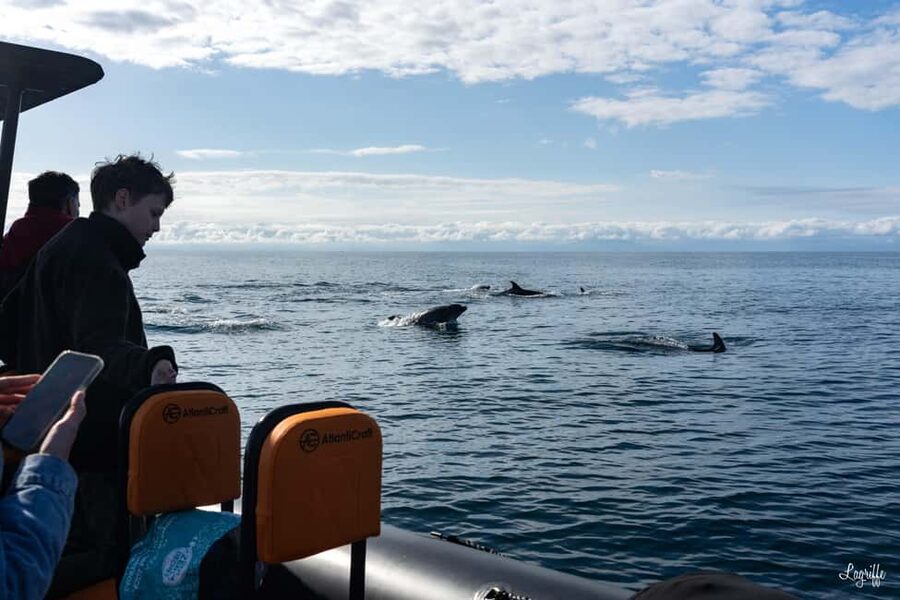
- A specific route, not just cruising: you head toward the Gouf de Capbreton underwater canyon for higher chances of cetaceans.
- Zodiac RIB + small group feel: you’re in a vessel designed for wildlife viewing, not a slow sightseeing ferry.
- Pods can be huge: you may see anything from a small group to large pods, sometimes numbering in the hundreds.
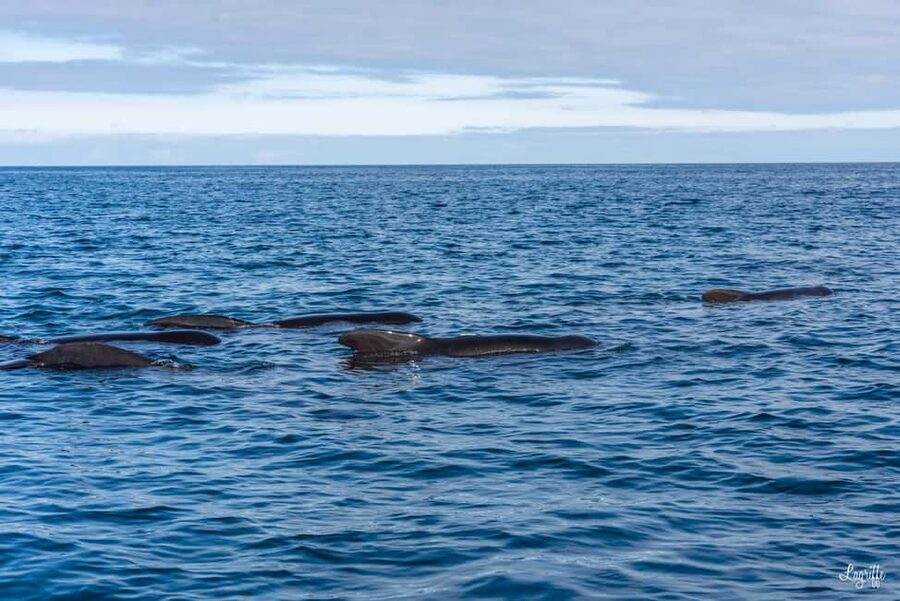
- Spring odds for pilot whales: pilot whales are a frequent spring sighting here.
- Rare-species possibility: Risso’s dolphins, fin whales, sperm whales, and even beaked whales are on the list of recorded sightings.
- Respectful approach: the plan is to observe without disturbing animals’ normal behavior.
Meeting at 14 Quai de l’Infante and getting boat-ready
This trip starts with a straight-to-the-point plan: meet at 14 Quai de l’Infante at the pontoon labeled A, the same one used for the maritime shuttle. You’ll gather early (8:00 AM), then get a briefing before heading out.
What I like about this setup is that it cuts down on waiting and keeps you pointed toward the day’s main goal: wildlife. Also, since it’s early, the light can be better for spotting—especially when you’re scanning for surfacing backs and fins.
Your best move: show up slightly before the start time with everything you’ll need within reach. The crew speaks French and English, so you should get clear answers quickly.
The 45-minute run to the Gouf de Capbreton underwater canyon
Once you leave the harbor, you’re not just heading out “somewhere.” You navigate offshore toward the Gouf de Capbreton, an underwater canyon system where the seafloor drops from just a few dozen meters down to more than 4,000 meters. That kind of depth change matters because it supports a whole food web—from plankton to fish to marine mammals.
The ride takes about 45 minutes to reach the observation zone. This is both practical and thrilling: you’re moving fast enough to get to the action, but not so long at the start that you burn the whole day in transit.
Here’s the real value of this design: the area is described as a marine biodiversity hotspot, and the canyon helps concentrate food. In simple terms, you’re putting yourself near where the ecosystem already does its work.
The 3.5-hour observation zone: dolphins, pods, and how close is close
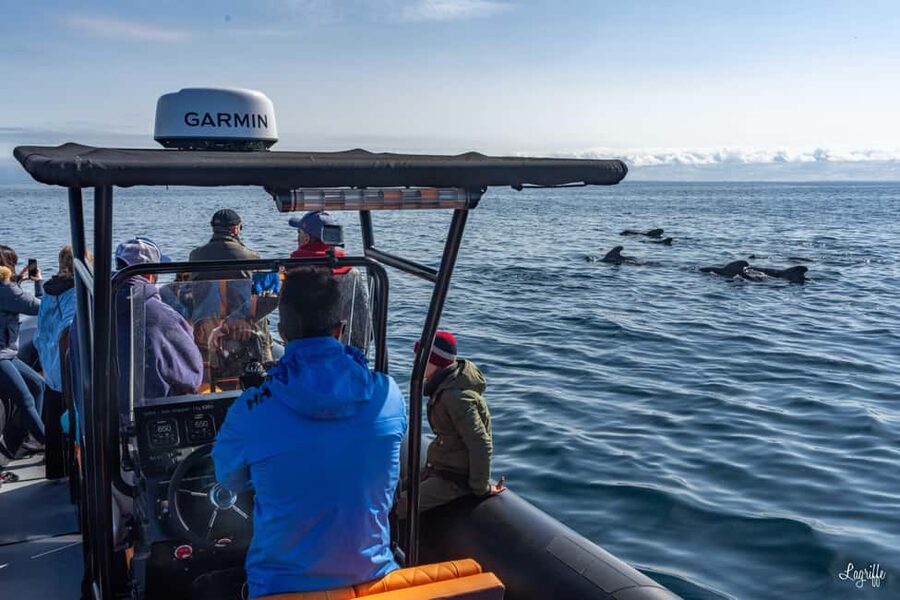
The heart of your morning is the long wildlife window—about 3.5 hours at the observation zone (sometimes described as a dolphin watching and marine life viewing stop). This is when you scan for movement, listen for the quick calls from the skipper/guide, and watch for surfacing patterns.
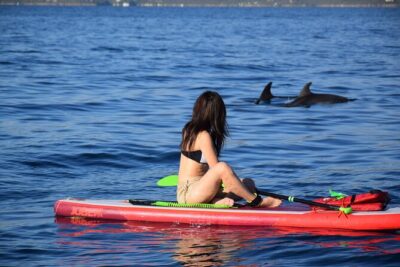
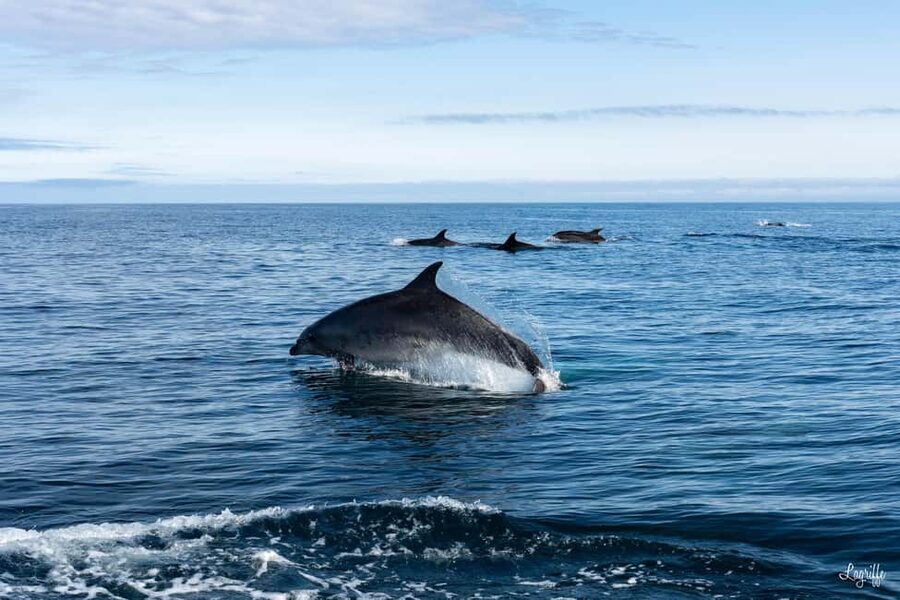
You can get simple sightings that feel magical, like a single dolphin breaking the surface nearby. But the bigger win is when you find active pods—small groups up to large pods, and sometimes dolphins in the hundreds. With cetacean watching, the day isn’t just about whether you see animals. It’s also about how the animals behave while you’re there: feeding, traveling, and interacting.
The tour plan includes an important behavior rule: they approach with utmost respect for the animals’ peace and natural behavior. That means your “close encounter” is about observation, not harassment. You’ll be watching from a position that focuses on wildlife rather than spectacle.
A note from real-world experience: on some outings, you might not be chasing whales specifically. The dolphin action can still be nonstop, and that can feel like the main event anyway.
What species you can realistically expect from this coast
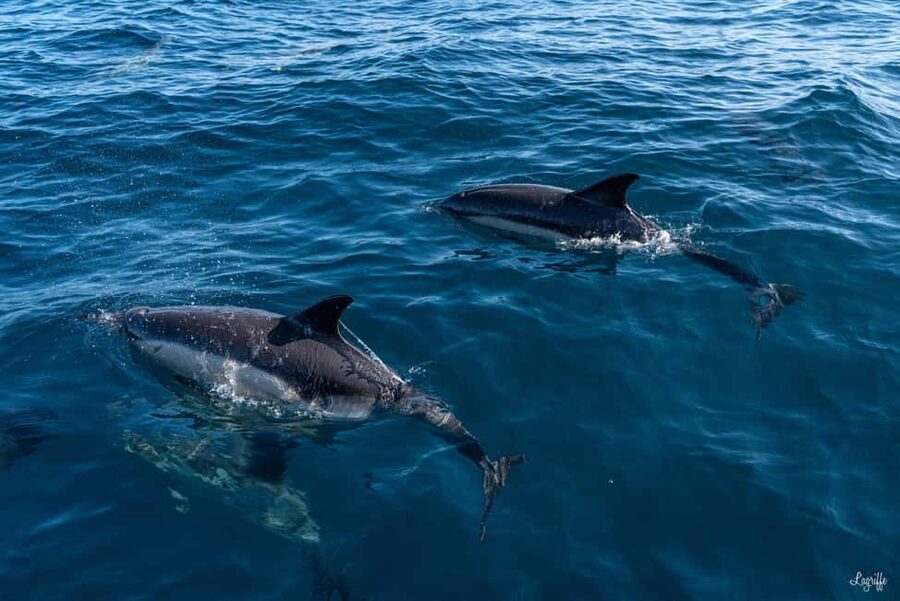
This area has recorded sightings of over 15 cetacean species, which is a big range for one region. You’re most likely to see dolphins that are described as common here: striped dolphins, common dolphins, and bottlenose dolphins.
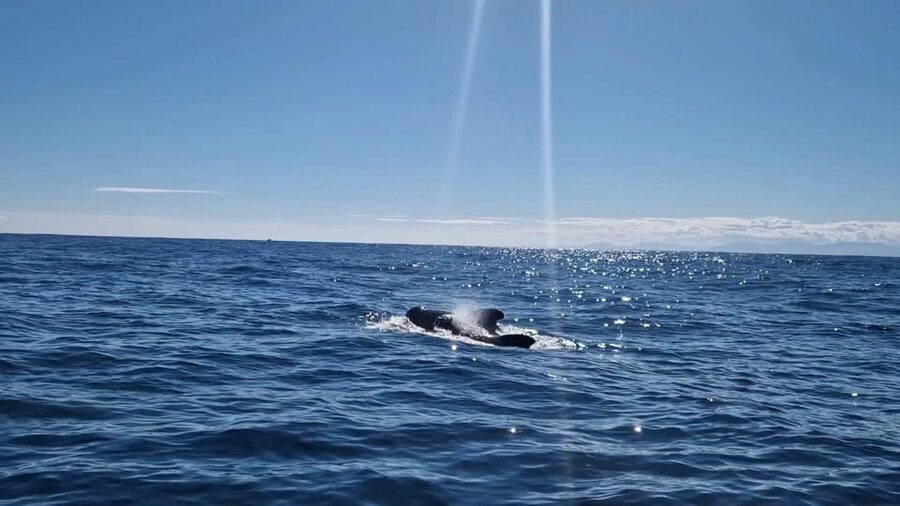
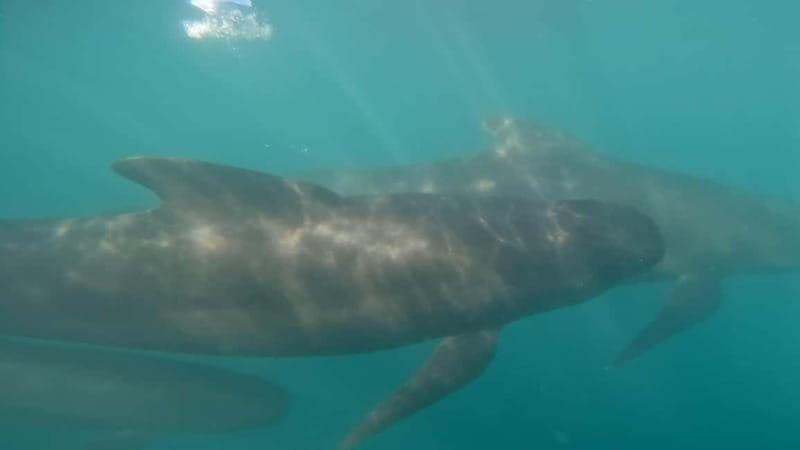
The season matters. In spring, pilot whales are frequently spotted. If you’re traveling outside spring, you’re still in a good zone for dolphins, but the pilot whale odds may be lower.
Then there are the less common possibilities—the ones that make the day feel like a true wildlife hunt:
- Risso’s dolphins
- Harbor porpoises
- Fin whales
- Sperm whales
- Beaked whales
And because the tour is wildlife-based, you’ll feel that difference between a “maybe” sighting and a “here they are” moment. When you see the first pod, it often makes the rest of the scanning easier—you start recognizing the rhythms of surfacing and moving.
Comfort and safety: a fast boat needs smart packing
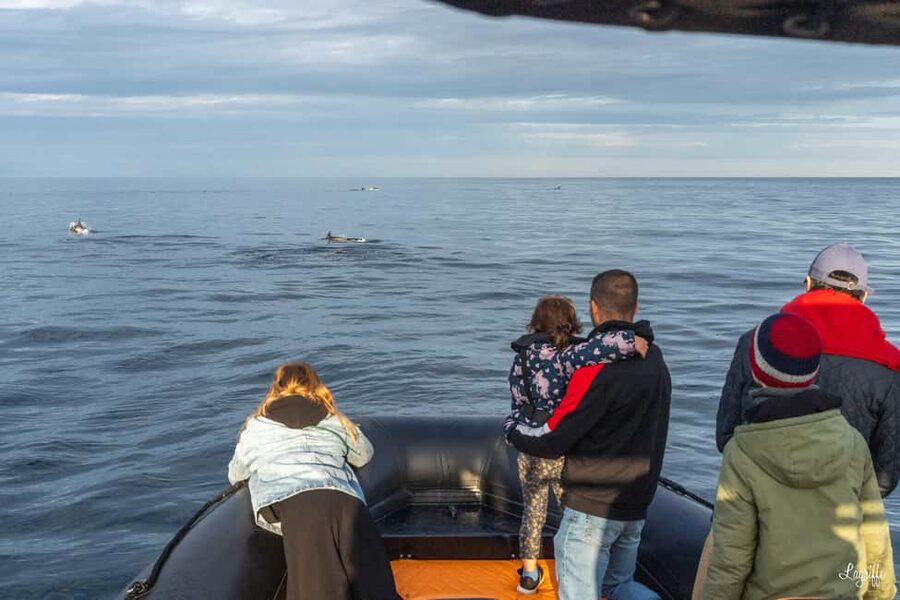
This is a zodiac RIB outing, so expect a wind-chilled, salt-sprayed feel even if the land is warm. The simple packing list matters here:
- Warm clothing
- Sunglasses
- Sunscreen
- Water
I’d also add one practical personal tip: if you’re even slightly prone to motion sickness, consider taking whatever you normally use before you get far offshore. One recurring theme from people who’ve done similar trips is that you can feel it during the middle stretch, and the longer you’re at sea, the more you’ll appreciate being prepared.
About safety: there’s a skipper, and you’ll get a briefing. If you want extra clarity on how things work (life jacket placement, where to stand, how the crew signals you), ask questions during the briefing and make sure you’re comfortable before leaving the dock. A calm, confident safety talk makes the trip feel smoother.
Also note who this isn’t designed for: it’s not suitable for children under 5, pregnant women, or wheelchair users. If you’re unsure about your comfort on a fast small boat, take that seriously.
Coffee, timing, and the sense of a well-run expedition
Included perks are small, but they help: you get coffee onboard. It’s not a luxury add-on—it’s the kind of comfort that makes a cool morning feel more doable, especially during the longer observation stretch.
The timing is also tight. After the 45-minute navigation out, you spend about 3.5 hours in the wildlife area, then head back. Return to the harbor is scheduled for around 12:30 PM. That means you can still build a full day around it—later lunches, beach time, and Basque Country wandering without losing the whole day to the sea.
And the human factor matters too. People who’ve gone on this tour highlight friendly, organized guidance—names like Antoine and Paul come up in positive stories. When the crew is relaxed and clear, you enjoy the spotting more, because you’re not spending your mental energy figuring out what’s going on.
Value for money: what $199 buys you on the water
At $199 per person for a 270-minute outing, you’re paying for three things that usually drive cost in wildlife tours: a small-group setup, the right boat for efficient spotting, and a targeted route to an ecosystem hotspot.
Here’s why I think the price can make sense:
- You’re not just “on a boat.” You’re moving toward the Gouf de Capbreton, where the food chain connects to marine mammals.
- You’re using a zodiac RIB, which is built for wildlife viewing—often part of what makes sightings feel immediate.
- You get an experienced skipper, insurance, and coffee included, which removes a few little extras from the budget.
Is it a guarantee? No wildlife trip can promise a specific whale species on a specific date. But if your priority is being in the right place, with the right vessel, for long enough time to find pods, this format is designed for that.
Who this Basque whale and dolphin tour is best for
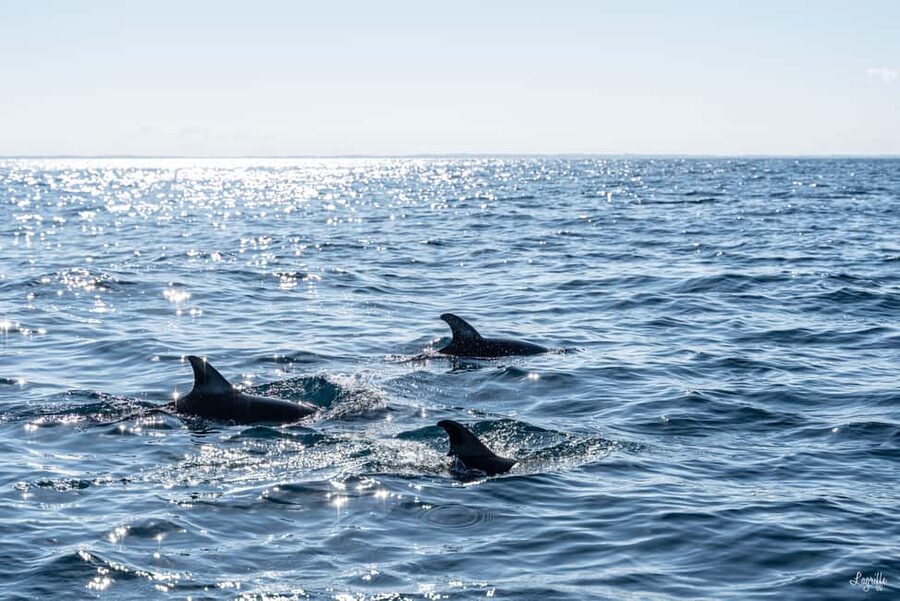
This tour suits you if you want a hands-on wildlife morning and you’re okay with a boat experience that’s more active than a slow cruise. I’d especially recommend it for:
- Dolphin lovers who enjoy scanning and learning what you’re seeing
- Travelers who want a focused, early outing that still leaves plenty of day left
- People comfortable with being outdoors in wind and sea spray
It’s also a good fit if you appreciate respectful wildlife behavior. The approach here is about watching animals in their normal behavior, not chasing them for photos.
If you hate boats in general or you’re not comfortable with a fast zodiac ride, you might want to choose a different style of marine tour.
Should you book this cetacean watching tour from Saint-Jean-de-Luz?
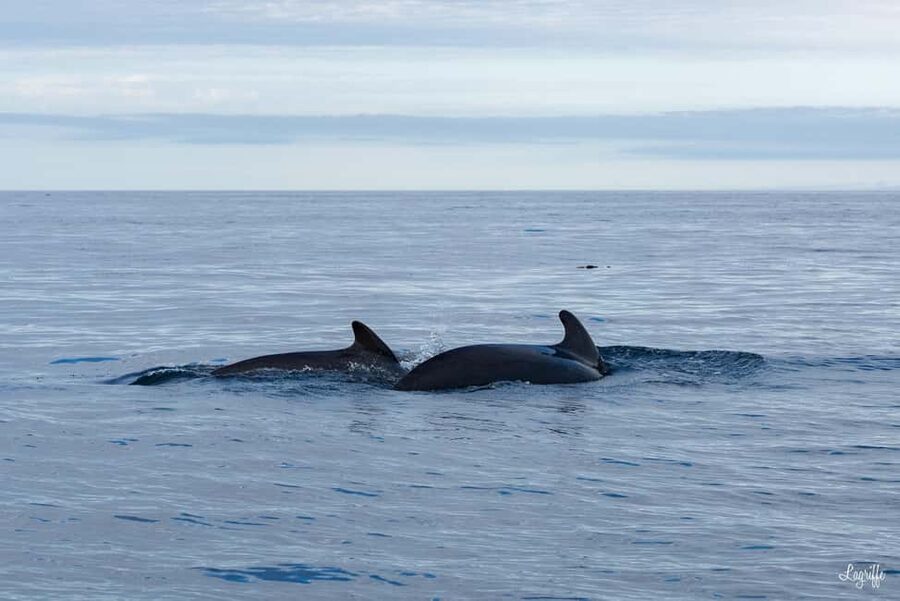
If your travel idea includes wild dolphins (and the real possibility of pilot whales in spring), I think this is a strong booking. The route toward the Gouf de Capbreton is a meaningful detail, not marketing fluff, and the time in the observation zone gives you multiple chances to spot pods rather than doing a quick loop.
Book it if you can handle a cool morning, bring the basics, and accept that wildlife is wildlife—some days mean only dolphins, and other days can include something rarer. Skip it if you need full accessibility comforts or you’re likely to struggle with the length of the sea time.
FAQ
Where do I meet for the tour?
You meet at 14 Quai de l’Infante at the pontoon A (the same pontoon as the maritime shuttle).
What time does the excursion start and end?
Meeting time is 8:00 AM, and the return to the harbor is scheduled for around 12:30 PM.
How long is the tour?
The total duration is 270 minutes (about 4.5 hours).
What wildlife might we see?
You’re in an area with recorded sightings of over 15 cetacean species. Common sightings include striped dolphins, common dolphins, and bottlenose dolphins. In spring, pilot whales are frequently seen, and rarer possibilities include Risso’s dolphins, harbor porpoises, fin whales, sperm whales, and beaked whales.
What language is the live guide in?
The live tour guide speaks French and English.
Is it suitable for children or everyone?
It is not suitable for children under 5 years, pregnant women, or wheelchair users. The excursion is also subject to weather and safety conditions and may change or be canceled.