REVIEW · DAYTONA BEACH
Dolphin and Manatee Stand Up Paddleboard Tour in Daytona Beach
Book on Viator →Operated by Three Brothers Boards Dolphin and Manatee Paddle Board Tours · Bookable on Viator
Seven bridges, and maybe a manatee. This Daytona Beach dolphin-and-manatee SUP tour turns calm canals into a wildlife hunt you can actually enjoy, even if you’ve never stood on a board before. I love the way they start with a real get-ready lesson in a calm bay so you can get your bearings fast.
Next, the ride itself is the fun part. You paddle under seven bridges, past a yacht club vibe, and through shallow canals where the guides focus on manatee and dolphin hotspots without rushing anyone. One thing to consider: the tour length can vary, since your time may stretch toward 3 hours when sightings take longer (and on some days it can feel shorter).
On many departures, guides like Fletcher, Walker, Dallas, Brock, and Spencer are big on keeping the group together and teaching on the move. Expect a slow pace that works for kids and first-timers, plus a backup plan if balance or wind is a problem.
In This Review
- Key things I’d circle before you book
- Why Daytona’s canals work for manatees and dolphins
- Picking the best time: 8:30am and 10:30am
- Meeting at Three Brothers Boards and getting ready quickly
- The calm-bay lesson: how they help first-timers
- Paddling the route: island circle, seven bridges, and canal wildlife spots
- Wildlife expectations: dolphins, manatees, and the season question
- Pace, safety, and group size: what 30 people means in practice
- What to bring (and what to leave for someone else)
- Price and value: is $65 a fair deal?
- Who should book this tour (and who should think twice)
- Should you book? My call
- FAQ
- How long is the Dolphin and Manatee Stand Up Paddleboard Tour?
- How much does the tour cost?
- What should I wear or bring for the tour?
- Is transportation pick-up included?
- Do I need to know how to paddleboard before I go?
- What if I’m not comfortable standing on a SUP?
- What time slots are recommended in Daytona Beach?
Key things I’d circle before you book
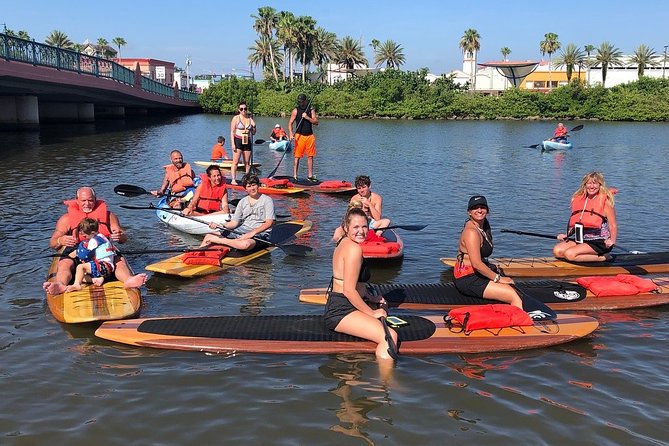
- Calm-bay coaching first: you get a ground demo and practice before you head out.
- Seven bridges and canal cruising: the route is scenic even if wildlife is quiet.
- Gear is included: boards and required equipment are handled for you.
- Kayak option if you’re not comfortable: you can switch if you need a different ride.
- All-ages, all-skill approach: the pace stays relaxed, and groups are capped at 30.
Why Daytona’s canals work for manatees and dolphins
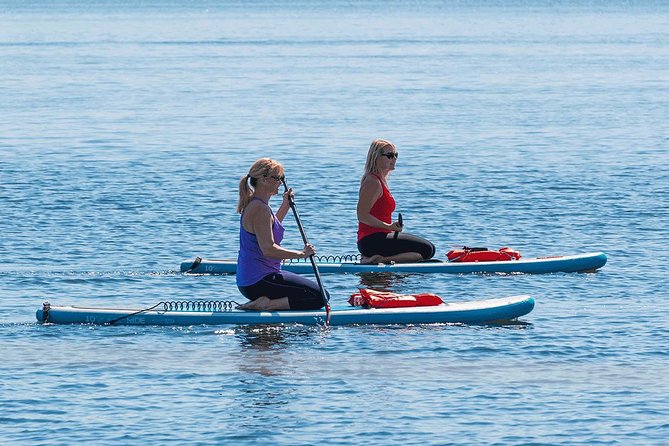
Daytona Beach sits on waterways where manatees and dolphins are part of the local rhythm. The practical idea behind this tour is simple: instead of watching from shore or hoping from a distance, you’re low and slow on a SUP in shallower, calmer sections near the coast.
That matters because animals tend to react to how you move through their space. A slow paddle, consistent spacing, and minimal fuss make it easier to share the water respectfully. This is also why the tour is designed as a guided, not a race: you’re going out to look, not to max out your fitness.
Even if you don’t land a manatee, you’re still doing something different from a beach day. You’ll pass under bridges, glide along yacht-club areas, and thread through small and larger canals that feel like a scenic shortcut through the waterways. For a lot of people, that calm-water “where am I?” feeling is the real value.
You can also read our reviews of more tours and experiences in Daytona Beach.
Picking the best time: 8:30am and 10:30am
If you have flexibility, choose the 8:30am or 10:30am slots. The tour notes these as recommended times because weather is usually better and wildlife activity tends to be higher.
Why I like this advice: early in the day you’re less likely to fight rougher water, more likely to enjoy the paddling instead of just surviving it. And with animals like dolphins and manatees, timing can matter because you’re trying to line up your paddle with their movement and feeding patterns.
One more reality check: wind happens. Some departures are windy, and when that hits, the tour stays friendly and paced—but you may find it harder on a SUP, especially with smaller kids or brand-new paddlers. If you’re the “I want a great time, not a wrestling match” type, early slots are the smarter bet.
Meeting at Three Brothers Boards and getting ready quickly
You’ll meet at Three Brothers Boards, 212 S Beach St #100, Daytona Beach, FL 32114. The tour returns you to the same meeting point, which makes your day plan easier. There’s no transportation pick-up included, so plan to drive, taxi, rideshare, or use public transit nearby.
The tour uses mobile tickets, and you should get confirmation at booking. That’s helpful because it reduces the usual “where do I go?” scramble right before you’re about to get wet and wobbly.
Once you arrive, the vibe is practical: gear first, lesson first, water second. Guides are set up to help you understand how to stand, how to hold the paddle, and how to move without tipping over or slowing everyone down. This is where you’ll meet the crew that people often name in their good experiences.
The calm-bay lesson: how they help first-timers
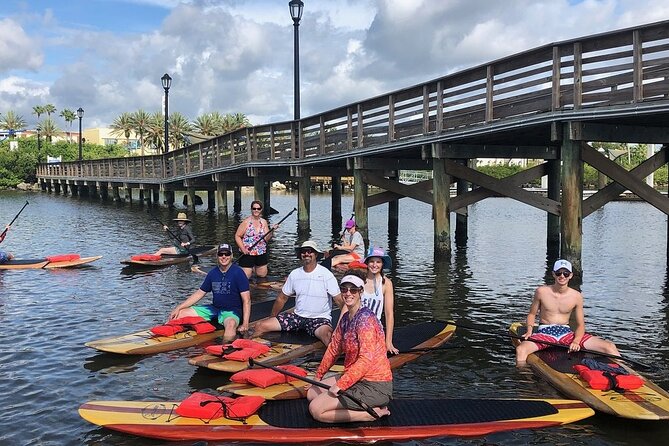
Most people start this tour as first-time SUP riders. That’s not a problem here because every tour begins with ground instruction and a demonstration. Then you practice in a calm bay so you can learn what it feels like to balance, paddle forward, and turn without the pressure of open water.
If you still don’t feel comfortable, there’s an option that I think is smart: you can use kayaks on site. That means you’re not locked into a single way of participating. The goal stays the same—get you out on the water to enjoy the waterways and the wildlife chances—without forcing you to “push through” fear.
What you should wear matters more than you’d think. The tour recommends comfortable clothing you don’t mind getting a little wet. Water shoes are suggested, but many people paddle barefoot. In other words, wear what you can stand in, not what you’ll panic about the second it gets damp.
Paddling the route: island circle, seven bridges, and canal wildlife spots
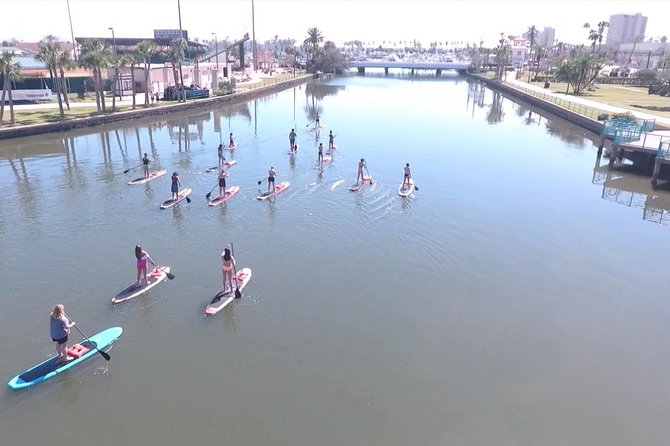
After the warm-up, your paddle begins with a circle around an island. This is a good transition from practice mode into tour mode because it’s still controlled, and you get a feel for how your strokes fit into the group rhythm.
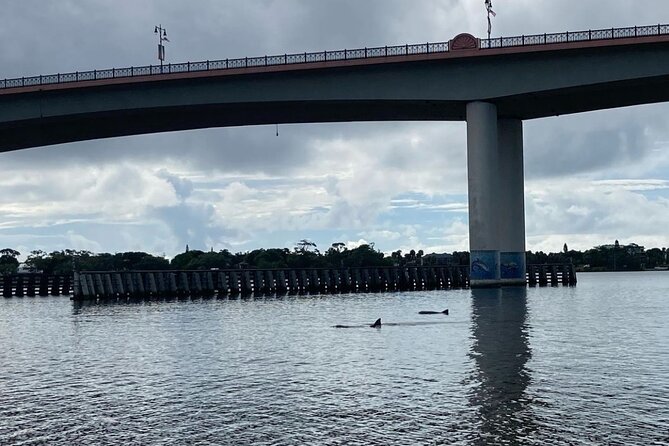
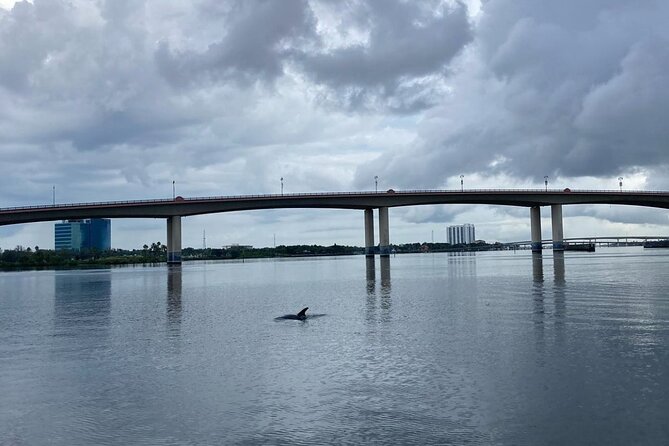
Then you’ll go under seven bridges, passing through areas close to shore. Expect a yacht club stop area and stretches where you’ll be alongside yachts—nice if you like that “waterway viewpoint” feeling rather than only looking at open water.
From there, the route takes you into small and larger canals. These sections are relatively shallow, so the tour stays comfortable and family-friendly. And this is where the wildlife search becomes the focus: your guides take you through areas with higher concentration chances for manatees and dolphins.
One note on pacing: the tour is described as slow-paced, and the whole structure supports that. That’s not just for safety. A slower glide lets you watch longer, and it reduces the chances that someone’s lagging turns the group into a pile-up. You get time to look.
Wildlife expectations: dolphins, manatees, and the season question
This is a manatee- and dolphin-focused tour, but it’s still nature. Dolphins and manatees are wild animals, so sightings depend on activity that day. Some people leave seeing dolphins clearly; others come back with none but still enjoyed the scenery and paddling.
One useful way to think about it: plan this as a guided wildlife search that also works as a scenic SUP outing. That mindset keeps the disappointment lower if the animals are quiet. It also helps you appreciate the guides’ effort, since they’re steering you toward better odds rather than promising a specific animal count.
There’s also a seasonal factor people bring up, especially regarding manatees. The tour isn’t positioned as a guarantee for manatees every day, so if seeing a manatee is your top priority, aim for the recommended earlier time slots and understand conditions can change.
If you do get dolphins or manatees, it can affect timing. The tour allows for extra time when sightings take longer, which is a big reason you shouldn’t pack your schedule like it’s a museum timed ticket.
Pace, safety, and group size: what 30 people means in practice
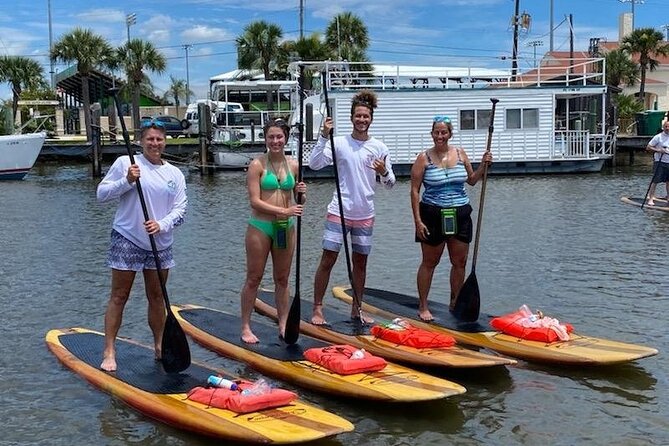
The tour caps at 30 travelers, which keeps the group manageable. But what really shapes your experience is how the guides run the spacing and instruction.
In good moments, guides are patient and safety-first. People have specifically praised guides for checking in with riders and helping when someone struggles at a current or needs support through a tricky section. That matters because SUP isn’t hard to learn, but it can be hard to learn if the conditions aren’t gentle.
Wind can also change the experience quickly. When it’s breezy, small kids and brand-new paddlers may find it tougher to keep control. The tour stays accommodating, including that kayak alternative if balance feels like too much.
So the practical takeaway is this: you’ll likely have a better time if you go in calm, patient, and willing to practice. If you want nonstop action, this isn’t that kind of tour.
What to bring (and what to leave for someone else)
Gear is included, so you’re not showing up to wonder about boards or paddles. But your job is to show up ready for water and sun.
Bring:
- Comfortable clothing you don’t mind getting damp
- Water shoes if you want more grip and foot protection
- Sunscreen and a hat (wind + sun both happen in Daytona)
- A way to keep your phone protected if you bring it
Leave for later:
- Anything you’re emotionally attached to. Water days have a way of turning “nice” items into “why did I bring this.”
A small but important point: the tour is designed as a half-day activity, but you should schedule like it could be up to 3 hours. Your hotel check-in plans or dinner reservations shouldn’t be right on the edge of the time window.
Price and value: is $65 a fair deal?
At $65 per person, this isn’t a bargain SUP lesson. But it also isn’t overpriced for what you get: a guided outing in wildlife-rich waterways, gear included, and instruction that helps first-timers get on board successfully.
Here’s how I evaluate value for this kind of tour:
- If you’re brand-new, the coaching and guidance can be the difference between a fun paddle and a frustrating day.
- If you do see dolphins or manatees, that’s the kind of experience you’ll remember long after the souvenir photos.
- Even on quieter wildlife days, the route is still scenic: bridges, yacht areas, and canal cruising close to shore.
The main value risk isn’t the price itself. It’s expectation matching. This tour is designed to search for animals, and time can stretch depending on sightings. If you book with a super tight schedule, you can end up frustrated about timing rather than the overall quality.
Who should book this tour (and who should think twice)
This is a strong fit if you want:
- A calm, beginner-friendly introduction to SUP
- A guided wildlife search for manatees and dolphins
- A family activity with a slow pace
- A way to spend time on the water without needing special fitness
It’s also worth mentioning for families: children must be accompanied by an adult, and the tour isn’t recommended for children age 2 and under. If you’re bringing kids, choose an earlier time slot and be ready for wind on some days.
Think twice if:
- You want a strict, clock-perfect 2-hour experience every time
- You’re very sensitive to being in and around water
- Your group has several riders who aren’t physically comfortable with standing and paddling, even with instruction (the kayak option helps, but the group experience still depends on everyone moving at a shared pace)
Should you book? My call
Yes, you should book this tour if you want a guided SUP experience that’s designed for real beginners and real families, with enough structure to make it safe and relaxing. The guides’ attention to teaching and the laid-back pace are the heart of what makes it work.
Book it with two smart assumptions: wildlife sightings are possible but not guaranteed, and the tour time can run closer to 3 hours when the guides linger for the best animal moments. If you plan your day with that flexibility, you’ll likely walk away feeling like $65 bought you a memorable slice of Daytona’s waterways—not just another beach stop.
FAQ
How long is the Dolphin and Manatee Stand Up Paddleboard Tour?
The tour is typically about 2 hours, but you should allow for up to 3 hours when scheduling, since the itinerary can be lengthened depending on manatee sightings.
How much does the tour cost?
The price is $65.00 per person.
What should I wear or bring for the tour?
Wear comfortable clothing you don’t mind getting a little wet. Water shoes are recommended but not required, and many people go barefoot.
Is transportation pick-up included?
No. Transportation pick-up is not included, so you’ll need to get yourself to the meeting point.
Do I need to know how to paddleboard before I go?
No. The tour starts with a ground demonstration and lesson, then practice in a calm bay so most first-timers can get comfortable.
What if I’m not comfortable standing on a SUP?
If you don’t feel comfortable, there are kayaks available on site so you can still participate.
What time slots are recommended in Daytona Beach?
The 8:30am and 10:30am tours are recommended, since weather is normally best and dolphins and manatees are often more active then.