REVIEW · CANARY ISLANDS
Dolphin and Whale Watching in La Restinga
Book on Viator →Operated by VIMOTIONS · Bookable on Viator
Those deep Atlantic waves mean real wildlife odds.
This La Restinga boat trip is all about finding cetaceans near El Hierro, with small-group guiding and a stop to swim at Alcuzas Beach. I especially like the hydrophone focus because it turns whale and dolphin watching into something you can understand, not just hope for. One thing to weigh is that this experience depends on favourable weather, so the ocean (and the schedule) can be picky.
What also makes it feel worthwhile is the emphasis on responsible observation: marine biologists support the crew, and you sail with the rules of conduct in mind. I also like that the boat is set up for comfort with an awning and safety gear (life jackets are provided), so you’re not just freezing on deck for three hours. The possible drawback: food and drinks are not included, so plan your timing and bring water if you think you’ll want it.
In This Review
- Key points I’d plan around
- Dolphin and Whale Watching in La Restinga: why this route stands out
- The 2pm–5pm rhythm: what a 3-hour outing feels like
- Hydrophones and responsible viewing: seeing and hearing whales the smart way
- Alcuzas Beach swim stop: the moment this becomes more than spotting
- Wildlife beyond dolphins: seabirds, sharks, and surprise moments
- Santa Cruz de Tenerife views from the boat: bonus scenery with real payoff
- Price and value: is $54.17 worth a half-day?
- Who this tour fits best (and who should plan carefully)
- Should you book Dolphin and Whale Watching in La Restinga?
- FAQ
- What is the duration of the La Restinga dolphin and whale tour?
- Where do I meet for the tour in La Restinga?
- What time does the tour start?
- How big is the group?
- Are life jackets and insurance included?
- Is food or drinks included?
- Do they use hydrophones on the trip?
- Will there be a swim stop?
- What happens if the tour is canceled due to bad weather?
- Can I still go if I have limited ability to participate in activities?
Key points I’d plan around
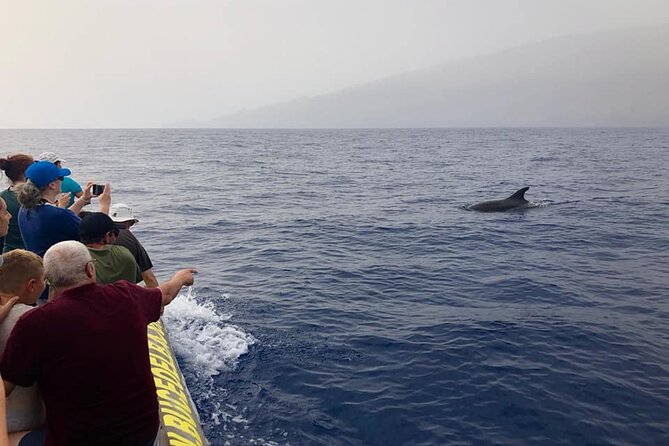
- Hydrophone listening: you can hear whale and dolphin sounds while you look for them.
- Marine biologists onboard: responsible viewing is built into how the trip operates.
- Alcuzas Beach swim stop: you’re not only spectating; you get time in the water.
- Small group (max 10): easier spotting and more attention from the skipper.
- Rare possibility of beaked whales: a species considered very hard to see across much of Europe.
- More than cetaceans: sightings can include seabirds, and occasionally other marine life.
Dolphin and Whale Watching in La Restinga: why this route stands out
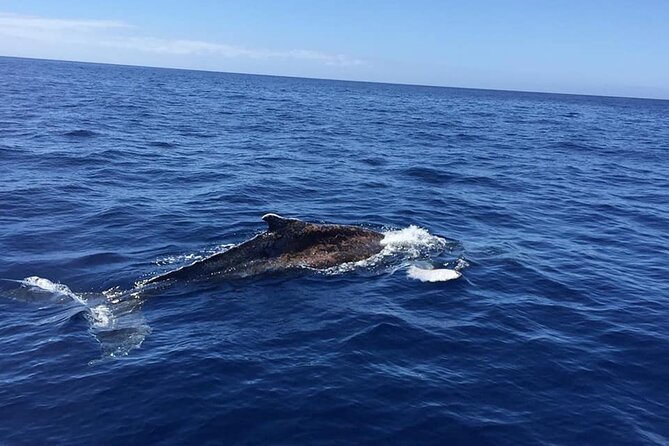
Most people come to the Canaries for beaches. This trip gives you a different kind of beach day—one where the main event is out on the Atlantic.
You’re sailing from La Restinga (El Hierro’s south coast) in search of dolphins and whales in the waters that border the island. The goal is not distant cruising. The experience is designed so the boat can get as close as possible for great views and photos, while still respecting the animals’ space. That balance matters. When you’re chasing rare species, a tour that treats wildlife like scenery usually gets you less than a tour that treats wildlife like, well, wildlife.
One of the strongest reasons to consider this outing is the chance of seeing beaked whales, described as a very rare cetacean across all of Europe. Even if that exact species doesn’t show up on your outing, the overall setup points toward serious cetacean watching, not just a casual boat ride.
And then there’s the setting: the route goes around the southern side and connects with the waters associated with the El Mar de las Calmas marine reserve. That matters because it’s not random ocean time. It’s targeted time in a marine area known for wildlife presence.
You can also read our reviews of more tours and experiences in Canary Islands.
The 2pm–5pm rhythm: what a 3-hour outing feels like
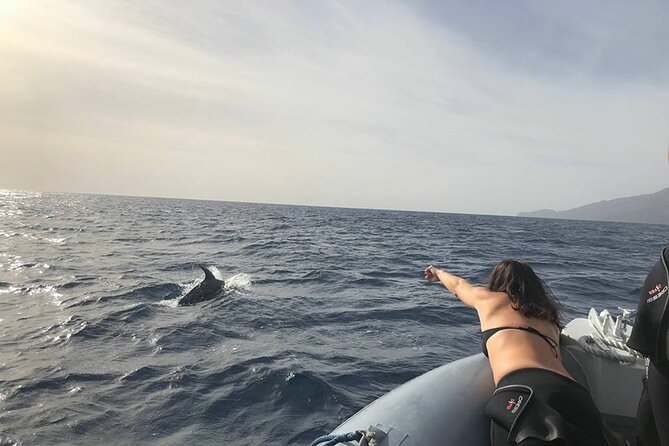
This tour runs about 3 hours, starting at 2:00 pm and ending back where you start. You’ll meet at Centro de Buceo El Bajón, on C. los Saltos, 23 in La Restinga.
From the moment you’re on board, the tone is practical. You’re on a comfortable deck with an awning, so you’re not baked under sun or trapped in wind the whole time. Life jackets are included, and the operator notes Blue Flag licensing plus insurance—small details, but they help you feel like safety isn’t an afterthought.
During the trip, the boat heads out to the area for cetacean searching. You’ll also get explanations about local marine life while you sail. This is one of those experiences where the “learning part” isn’t separate from the fun—it rides alongside the search.
The main body of your time is spent scanning and listening. Then the outing shifts gears near the Playa de las Alcuzas cove, where you stop so you can swim. That swim stop is often where people realize the day isn’t only about wildlife viewing from a distance. It’s also about being in the water in the same area you just saw animals above.
Hydrophones and responsible viewing: seeing and hearing whales the smart way
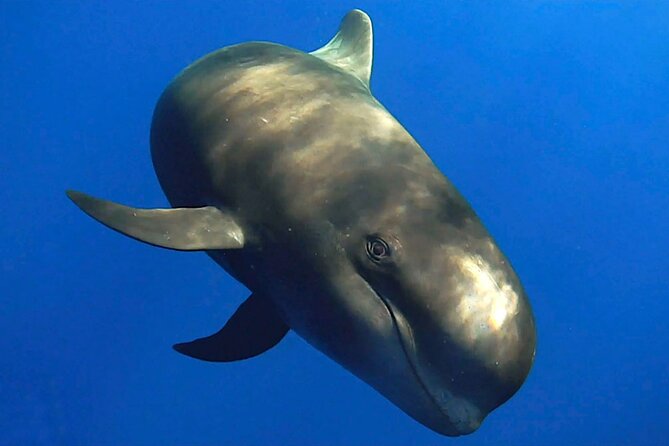
Here’s the part that makes this tour feel more valuable than the standard sightseeing version: the use of hydrophones.
Instead of only trying to spot blows and fins, you’re also meant to hear whale and dolphin sounds. The idea is simple: cetaceans communicate using sound, and a hydrophone lets you connect what you hear with what you see. You can think of it as turning the ocean into an ongoing story—sometimes you spot the characters, and sometimes you hear them first.
On top of that, marine biologists support the crew and the operation follows codes of conduct for responsible observation. Translation: there’s an emphasis on protecting cetaceans and their habitat while you’re looking for them. That matters because getting close doesn’t automatically mean doing it well. Responsible rules are what help keep wildlife calm and reduce stress during encounters.
The tour also uses the hydrophone and related tools to record images and other scientific data. Even if you’re not a marine science nerd, that adds credibility. It signals that you’re not on a tour that just fills a schedule—you’re on one that has a monitoring mindset.
And in case you’re wondering about the “closeness” promise: the tour notes the boat will get as close as possible for photos, which is great for your camera. Still, the responsible-observation focus helps keep that closeness in the right lane.
Alcuzas Beach swim stop: the moment this becomes more than spotting
After your search out on the Atlantic, you’ll reach the Playa de las Alcuzas area. The boat stops at the Alcuzas cove so you can swim in the water.
Why I like this addition: it gives you a break from scanning the horizon. It also lets you interact with the sea at the exact point where you’ve been watching wildlife activity from above. Even if you only get a short swim, it changes how you remember the trip.
A practical note: no food and drinks are included. So while the swim is refreshing, you’ll want to plan for hydration. If you’re the type to get snacky after a swim, you’ll probably want to have eaten before you go. (A midday swim plus a no-snacks boat ride can feel like a long stretch if you’re hungry.)
Also, because this is the Atlantic, the water and conditions depend heavily on the day. The operator makes it clear that the experience depends on favourable weather, so don’t assume you’ll always swim. If conditions aren’t right, the tour can change dates or offer a refund.
Wildlife beyond dolphins: seabirds, sharks, and surprise moments
Cetaceans are the headline, but the ocean isn’t one-note. This kind of trip often attracts attention from other wildlife too, and this operator’s style seems to include it rather than ignore it.
For example, you might get great views of seabirds while you’re out. In particular, sightings can include corys shearwaters and european storm petrels—both are the sort of birds you notice once a guide points them out and tells you what to look for.
There’s also the occasional unexpected marine cameo. One highlight shared with this experience includes a sighting of hammerhead sharks and even a rescued turtle. Those aren’t things you should bet your day on, but they do reflect that the guides are paying attention to the broader ecosystem, not only to dolphins and whales.
The best approach for you: treat the trip as a living search area. If the guide signals that something’s happening—birds circling, a change in surfacing patterns—be ready. The value here is in spotting cues quickly and learning what they mean.
Santa Cruz de Tenerife views from the boat: bonus scenery with real payoff
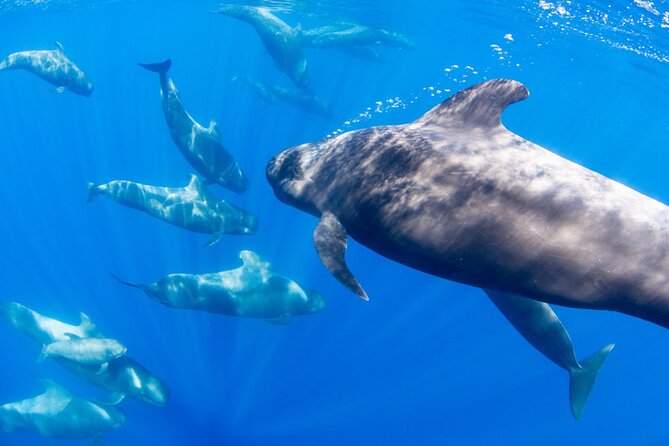
Even though the focus is wildlife, you still get serious scenery from the water. The tour specifically notes views of Santa Cruz de Tenerife from the boat.
That’s a nice payoff because it gives you a second kind of satisfaction. Wildlife spotting can be hit-or-miss on any given outing. Views are easier to guarantee, and the boat setting tends to offer different angles than anything you’ll get from land.
This is also part of why a 3-hour format works: you’re not stuck on a long haul where you only get one result. You get wildlife time and coastal scenery time.
Price and value: is $54.17 worth a half-day?
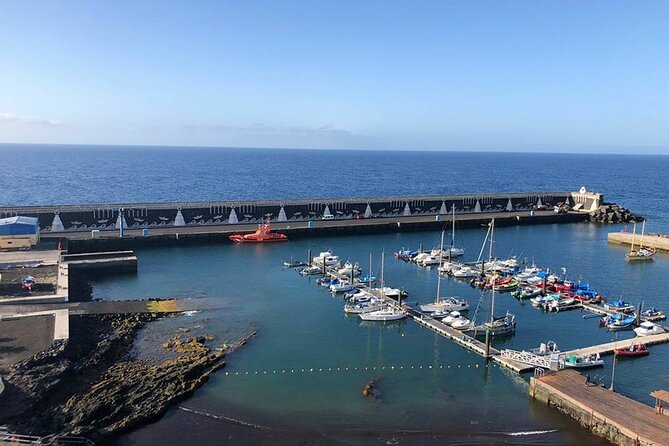
At about $54.17 per person, this isn’t a bargain, but it’s also not priced like a luxury expedition. For me, the value case comes from what’s included and what’s included in the experience design.
You get insurance and life jackets, and the operation uses hydrophones plus the support of marine biologists for responsible viewing. You’re also in a small group capped at 10, which typically improves your odds of good spotting and gives the skipper room to adjust the route when animals appear.
If you’ve ever done wildlife tours that feel like a revolving-door bus, you know why group size matters. A smaller group tends to reduce noise and crowding, and it also keeps decision-making smooth when the crew needs to follow animal movement. That’s part of what you’re paying for here.
Also, this tour runs at 2:00 pm, which can be a sweet spot depending on seasonal conditions and your day structure on El Hierro. You’re not giving up an entire day for the experience, but you’re also not cutting it so short that you barely get time to settle.
Who this tour fits best (and who should plan carefully)
This is a good match if you want a real wildlife outing without dealing with a massive crowd. The small group and the guide attention feel built for people who like being taught while they watch.
You’ll also probably enjoy it if you care about marine life beyond the moment of spotting. The hydrophone, the responsible codes, and the marine-biologist support all push it toward learning.
Who should think twice? Anyone who’s sensitive to moving boats. This is out on open Atlantic water, and even with a comfortable deck and an awning, you can still feel the sea. If you get motion sickness easily, plan for it before you step aboard.
It’s also weather-dependent. If you’re visiting during a period when the ocean often looks rough, keep your expectations flexible.
Should you book Dolphin and Whale Watching in La Restinga?
Book it if you want a nature-focused boat trip that goes beyond guessing. The hydrophone element, the responsible viewing approach, and the chance at rare beaked whales make this more than a typical day out.
Skip it only if your schedule can’t handle weather changes or if you dislike the idea of a 3-hour outing without included food. The swim stop at Alcuzas Beach is a bonus, but it’s not guaranteed on every day.
If you’re deciding between “another sightseeing boat” and “a guided, wildlife-first experience,” this one leans clearly toward the second option—especially with that small-group setup and the guide expertise that keeps the day informative.
FAQ
What is the duration of the La Restinga dolphin and whale tour?
It lasts about 3 hours.
Where do I meet for the tour in La Restinga?
You meet at Centro de Buceo El Bajón, on C. los Saltos, 23, 38917 La Restinga, Santa Cruz de Tenerife, Spain.
What time does the tour start?
The start time is 2:00 pm.
How big is the group?
The tour has a maximum of 10 travelers, with a minimum of 5 participants.
Are life jackets and insurance included?
Yes. Insurance and life jackets are included.
Is food or drinks included?
No. Food and drinks are not included.
Do they use hydrophones on the trip?
Yes, the tour uses hydrophones to listen to whale and dolphin sounds.
Will there be a swim stop?
Yes. The boat stops at Playa de las Alcuzas cove so you can swim.
What happens if the tour is canceled due to bad weather?
If cancelled due to poor weather, you’ll be offered an alternative date or a full refund. Free cancellation is also available up to 24 hours before the experience starts.
Can I still go if I have limited ability to participate in activities?
The tour says most travelers can participate, but the experience is subject to favourable weather conditions.