REVIEW · ZADAR
Dolphin tour 2 hours
Book on GetYourGuide →Operated by The Best Zadar Experience j.d.o.o · Bookable on GetYourGuide
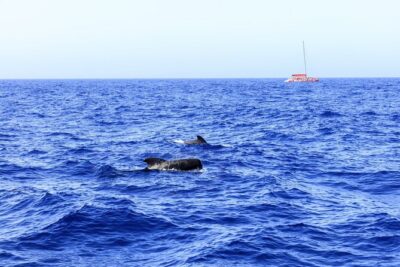
Dolphins in the wild, with a speedboat pace. This 2-hour Dolphin Reserve run from Small Port Zaton searches between Vir and Molat for wild bottlenose dolphins, and you’re close enough to really see the behavior when they surface. I like the no-nonsense format: sail, scan, look again. I also like that you get real context on dolphins—how they breathe through blowholes and how long they can stay underwater—so spotting feels less random.
The one thing to consider is weather and sea state. If strong wind or waves reduce visibility, the tour may be adjusted, cancelled, or moved, and dolphin-sighting odds in open water still depend on luck.
In This Review
- Key Highlights at a Glance
- A 2-Hour Dolphin Reserve Chase from Small Port Zaton
- How Timing Works: Zaton Camp at 14:00, Zaton Village at 14:15
- The Route: Sailing Between Vir and Molat to the Dolphin Reserve
- The Captain’s 23 Years: What Makes Sighting Odds So High
- Dolphin Watching from a Speedboat: What You Should Actually Look For
- The Value Question: 55 EUR Total, 30 EUR to Reserve + 25 EUR on Boarding
- What’s Included on Board (and What You Pay Separately)
- What to Bring and How to Stay Comfortable on a 2-Hour Run
- Who This Dolphin Tour Fits Best (and Who Should Skip It)
- A Few Dolphin Facts That Make the Watching Smarter
- Should You Book This Dolphin Cruise?
- FAQ
- How long is the dolphin tour?
- Where do I meet for the tour?
- How much does the tour cost?
- What do I pay when I book versus on the day?
- What is included in the price?
- Is the marine protected area fee included?
- Do I need cash?
- What happens if the weather is bad?
Key Highlights at a Glance
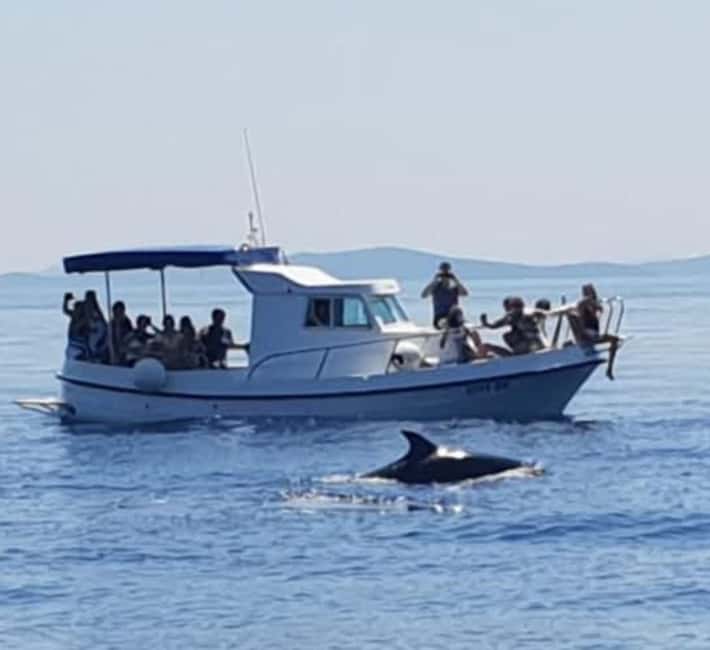
- Vir–Molat search area in Croatia’s Dolphin Reserve, not a vague open-water loop
- High sighting track record linked to a skipper with 23 years of experience
- Speedboat pace keeps you in the hunt and gets you out on the water fast
- A dedicated sea stop for observation, so you’re not only in transit
- Clear payment structure: 30 EUR per person when reserving, plus 25 EUR cash on board
A 2-Hour Dolphin Reserve Chase from Small Port Zaton
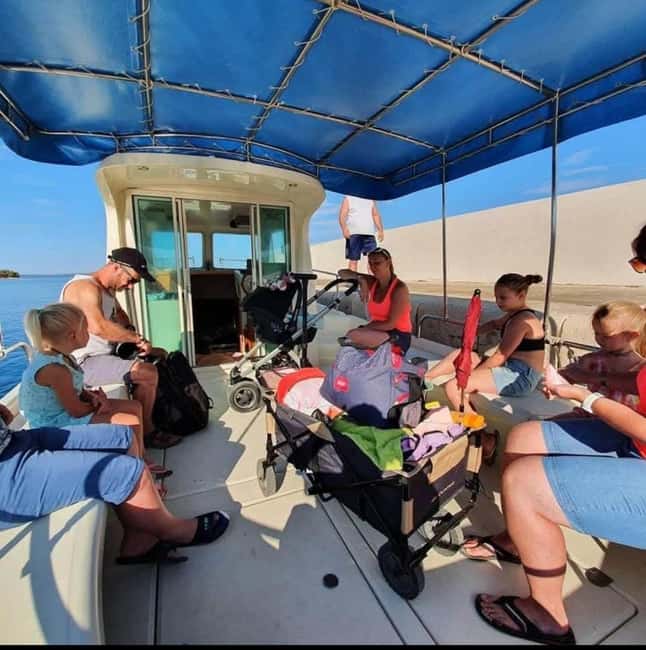
This tour is built around a simple idea: use a fast speedboat to get to the right water and then do focused dolphin watching. The time on the water is short on purpose—just two hours—so you’ll spend it scanning for fins, blowholes, and those telltale surface moments.
One reason I think this works for most people is that the experience is practical. You’re not stuck with long onboard lectures or complicated schedules. You’re out there looking for wild animals, and the captain keeps the search moving with the goal of finding dolphins while you still have daylight and good viewing conditions.
Another plus is the learning component that’s woven into the ride. You’ll hear dolphin basics that make your observations easier: dolphins don’t have gills, so they must surface to breathe. They inhale and exhale through blowholes, and their ability to stay submerged varies by species—some only a few minutes, others longer. Even if you’re not a biology person, it makes a difference when you’re trying to predict when they’ll pop up again.
How Timing Works: Zaton Camp at 14:00, Zaton Village at 14:15
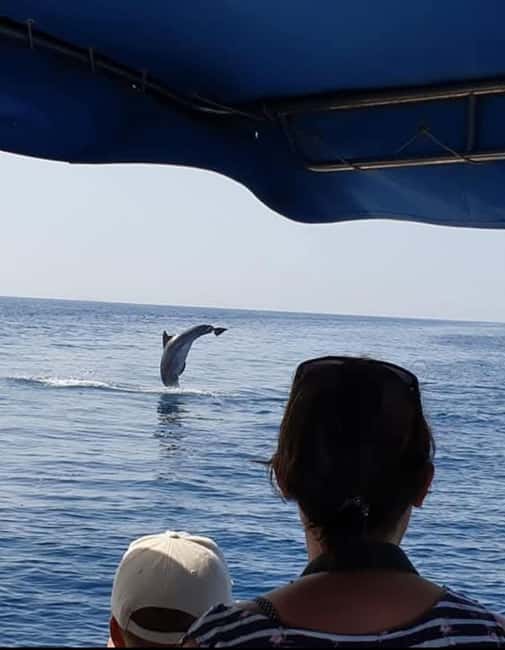
You meet at Small Port Zaton, with two pickup windows. Plan to be ready early at Zaton Camp at 14:00, and if you’re coming from Zaton Village at 14:15, that second meeting point is for you.
This is one of those tours where being late really does change everything. The boat has to run, the skipper has to plan the hunt, and delays can ripple into lost search time. If you’re catching this from a nearby hotel or apartment, I’d treat it like a timed activity, not a casual meet-up.
Good news: the tour is straightforward once you’re there. You’ll board, get underway, and the captain will do the main work—searching and repositioning as needed.
The Route: Sailing Between Vir and Molat to the Dolphin Reserve
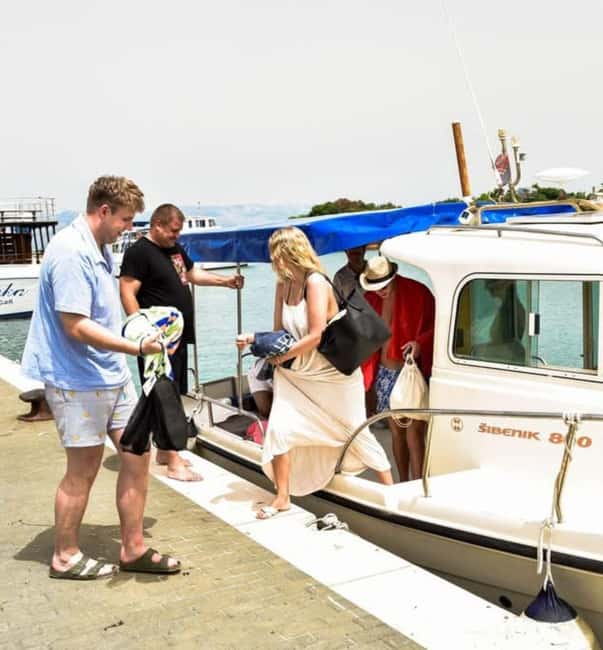
Here’s the big “where” behind the experience. The cruise sails between the island of Vir and the island of Molat, working in the Dolphin Reserve area. That matters because dolphins aren’t a theme park attraction you can schedule; you look where the animals are most likely to be.
You also get a “stop” at sea for observation. In other words, you’re not just speeding around and hoping. There’s time when you can slow your breathing, stand or sit in a comfortable spot, and actually watch the water surface for those first signs.
Because the exact spot can’t be fixed in advance for wild wildlife, you should think of this as a guided search pattern. The tour is designed to react—if the dolphins are in a certain pocket of water, the skipper positions the boat to maximize your viewing time.
The Captain’s 23 Years: What Makes Sighting Odds So High
What really separates this dolphin cruise from the cheap-and-hope version is the emphasis on experience. The operator highlights that their captain has been doing this for 23 years, and they aim for a very high percentage of dolphin sightings—reported as around 95%.
Even with that confidence, they also set expectations the honest way: observing wild animals requires knowledge and experience, and sometimes luck is the final ingredient. That’s not marketing spin; it’s how wildlife works. Dolphins move. They surface when they choose. Your job is to watch, and the captain’s job is to read the water and keep searching effectively.
In the practical world, this means you’re more likely to get an extended search if dolphins don’t appear right away. One of the strongest themes tied to the experience is the skipper’s determination—when sightings were delayed, the captain kept working and then added extra time to find the dolphins. If you’re the type who hates giving up early, that approach tends to feel reassuring.
Dolphin Watching from a Speedboat: What You Should Actually Look For
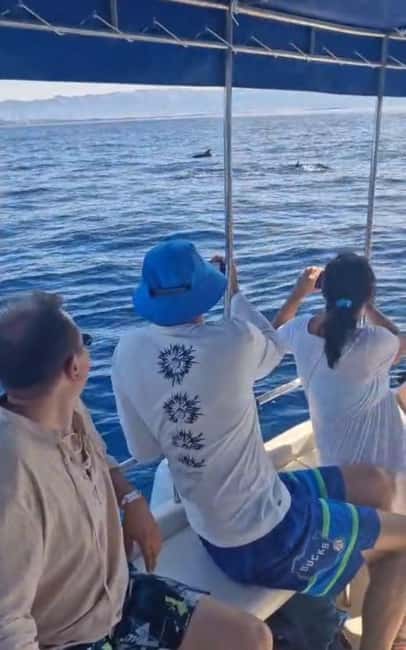
Dolphins aren’t always visible at first. You’ll likely start with scanning—watching for sudden ripples, small breaks on the surface, and then the moment when a blowhole comes up. When you know dolphins must surface to breathe, your eyes get sharper. You’re no longer staring at a blank sea—you’re waiting for the breathing rhythm.
The cruise is short enough that you’ll want to stay mentally switched on the whole time. The surface view is the key. Once you see movement, don’t fixate on one point too long. Dolphins can travel and re-surface in different places, so it’s helpful to keep your attention broad while still following what the skipper points out.
One more context tip that makes spotting easier: dolphins can dive to great depths, and some species can remain submerged for longer than you’d guess. That’s why it helps to watch patterns rather than only a single splash. If nothing happens for a minute or two, it doesn’t automatically mean you’re out of luck.
And yes, dolphins can move fast—up to around 35 km/h—so when they appear, you may see quick changes in direction. That’s part of the excitement, and it’s also why a speedboat search beats a slow boat for this kind of hunt.
The Value Question: 55 EUR Total, 30 EUR to Reserve + 25 EUR on Boarding
Let’s talk money in a way that helps you decide. The published total price is 55 EUR per person. When you reserve, you pay 30 EUR per person. The remaining 25 EUR is paid upon boarding.
That extra 25 EUR aligns with a note that marine protected area / berthing fees are mandatory. So you’re not paying random “surprise costs”—you’re paying the access/fee component when you board.
Does it feel pricey? Some people think the base rate is a bit much for a dolphin sighting. Others call it fair once they consider the speedboat ride, the skipper’s experience, and the overall chance of seeing dolphins. For me, the value comes down to one thing: your odds. If you care about maximizing the chance of seeing dolphins in a limited time window, this format has a clearer purpose than tours that run longer but search less effectively.
Also consider what’s included versus not included. You’re getting the speedboat, gasoline, passenger and boat insurance, and the skipper. Not included are those mandatory fees plus cash payment for the remaining amount.
What’s Included on Board (and What You Pay Separately)
From a practical standpoint, you can plan your day without too many unknowns.
Included:
- Speedboat
- Gasoline
- Passenger and boat insurance
- Skipper
Not included:
- Mandatory marine protected area / berthing fees (25 EUR per person)
- Payment on the boat in cash
That last point is a big one. Bring cash because it’s explicitly required for that remaining fee. If you only use card, you’ll want to plan ahead so you’re not hunting for an ATM while everyone else is already boarding.
What to Bring and How to Stay Comfortable on a 2-Hour Run
This is an active boat ride, and the tour asks for a few basic things. Bring comfortable shoes and comfortable clothes. You’ll also want cash for the fee paid on board.
A couple items are explicitly not allowed: bikes, alcohol and drugs, and bare feet. The bare-feet rule matters on deck—boats are not a place for slipping around, even on a short trip.
If you get motion easily, keep an eye on your own comfort needs. The tour is only two hours, but it’s still a speedboat, and sea conditions can change fast. I’d dress for cool wind as well as sun, because open water chills you once you’re moving.
Who This Dolphin Tour Fits Best (and Who Should Skip It)
This is not a one-size-fits-all activity. It’s listed as not suitable for:
- People with mobility impairments
- Wheelchair users
- People with claustrophobia
- People with altitude sickness
- People with recent surgeries
That’s not to be dramatic—it’s just about the reality of boat space and movement. Even if you’re healthy, the physical setup and enclosed spaces (if any areas restrict you) can be uncomfortable for some people.
If you’re generally able-bodied and you like wildlife experiences that depend on real nature (not guarantees), you’ll probably enjoy this. It’s especially a good match if you’re visiting the Zadar area and want something short, focused, and memorable without committing a whole day.
A Few Dolphin Facts That Make the Watching Smarter
Wildlife tours feel better when you know what you’re looking for. Here are the kinds of dolphin details this cruise highlights, which help you spot them faster:
- Dolphins are mammals, so they must surface to breathe.
- They breathe through blowholes, not through the mouth like some people assume.
- Species vary on how long they can stay underwater (some around 3 to 7 minutes; others up to about 20 minutes).
- Dolphins can dive to extreme depths—up to around 500 meters.
- They can swim fast, up to about 35 km/h.
- Common dolphins are known for leaping high out of the water, up to roughly 4.9 meters.
You don’t need to memorize this. You just need it as mental context when you’re scanning the water and waiting for that first confirmed surfacing.
Should You Book This Dolphin Cruise?
If you want a focused 2-hour dolphin watching outing with the best shot at a sighting, I’d strongly consider booking. The biggest reasons are the search approach (Vir–Molat Dolphin Reserve), the speedboat format, and the captain’s long experience—paired with that stated around 95% sighting track record.
You might want to think twice if:
- You’re very sensitive to wind and sea spray, since the tour can be adjusted or cancelled if conditions are unfavorable.
- You need accessibility-friendly options, because it’s clearly not suitable for mobility impairments or wheelchair users.
- You expect a guaranteed dolphin moment. Even with strong odds, wild animals keep wild rules.
For most people in the Zadar area, this is a good “do it now” choice: short commitment, high-energy search, and the real payoff of seeing dolphins in their actual sea home—when they choose to surface.
FAQ
How long is the dolphin tour?
The duration is 2 hours.
Where do I meet for the tour?
You meet at Small Port Zaton. There are two meeting times: Zaton Camp at 14:00, and Zaton Village at 14:15.
How much does the tour cost?
The tour price is 55 EUR per person total.
What do I pay when I book versus on the day?
When you reserve, you pay 30 EUR per person. The remaining 25 EUR is paid upon boarding.
What is included in the price?
Included are the speedboat, gasoline, passenger and boat insurance, and the skipper.
Is the marine protected area fee included?
No. The mandatory marine protected area / berthing fees are not included and are 25 EUR per person.
Do I need cash?
Yes. The remaining amount (25 EUR per person) is paid on the boat in cash.
What happens if the weather is bad?
The tour can be adjusted to weather conditions. If viewing is reduced due to wind or waves, the tour may be cancelled or moved to another date. If the appointment doesn’t suit you, the money paid is returned.