REVIEW · HUATULCO
Dolphin & Whale Watching with Marine Biologists
Book on Viator →Operated by Oceanico · Bookable on Viator
Watching whales in Huatulco feels more like science class on the water—led by marine biologists who explain what you’re seeing and hearing, not just pointing. The tour runs from Chahué Marina with a focused goal: respectful spotting of whales, dolphins, and sea turtles in the waters around Huatulco.
I especially like two things. First, you get a hands-on briefing and the tour uses a hydrophone (an underwater microphone) so you can listen to whale “singing” and dolphin communication. Second, the group is capped at a maximum of 14 people, which keeps things calmer and gives your captain room to reposition for sightings.
One possible drawback to plan for: whales aren’t guaranteed every day. Even with strong seasonal odds—especially December through March—some outings may bring dolphins and turtles without whales.
In This Review
- Key highlights worth planning around
- A whale-and-turtle day built for real viewing
- Where and when you set sail from Chahué Marina
- The marine biologist briefing and the hydrophone effect
- How Huatulco National Park waters change the odds
- Wildlife you can realistically hope to spot
- Whales: humpbacks are the seasonal star
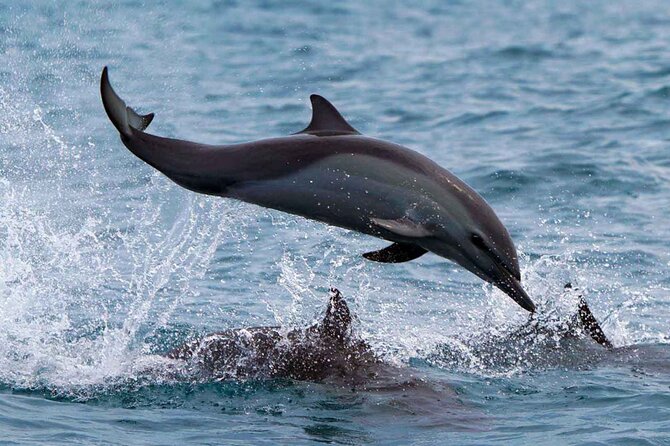
- Dolphins: pods that show up fast
- Sea turtles: a big part of the story
- Rays and surprises: often part of the mix
- Boat comfort, sun, and what to wear
- Safety and limits that matter before you go
- Time on the water: the flow of the experience
- Price and value: what you’re really paying for
- If whales don’t show up: how to judge the day
- Should you book Oceanico’s dolphin and whale tour?
- FAQ
- What time does the tour start, and how long does it last?
- What’s included in the price?
- What extra fees should I expect to pay on site?
- What wildlife can I expect to see?
- What are the age and weight limits?
- Is the tour offered in English?
Key highlights worth planning around
- Hydrophone listening time: you’re not just looking; you can hear whale and dolphin signals
- Small group size (max 14): easier boat movement and less crowding during prime moments
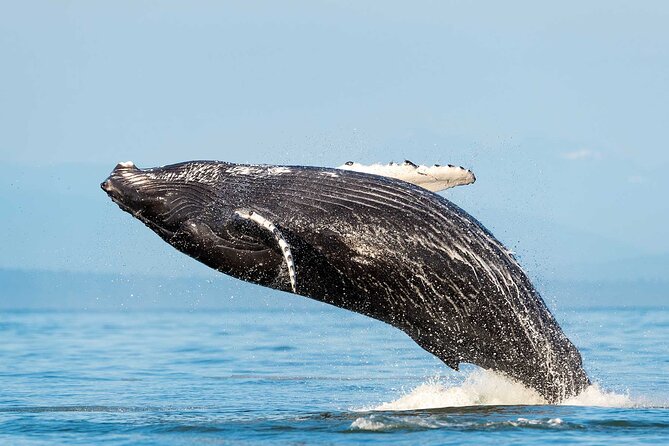
- Dec–Mar humpback odds: humpback whales can be seen on 90% of tours in that window
- Smart scouting: you travel to areas known through a network of spotters for more sightings
- Species variety, not a one-trick tour: turtles, dolphins, rays, and more show up often
- Real conservation rules: the focus stays on keeping distance and following park regulations
A whale-and-turtle day built for real viewing
This is a boat tour in Huatulco designed around one thing: respectful observation with expert context. The best part isn’t only the animals—it’s the way the crew turns sightings into understanding.
Before you head out, you’ll get a short briefing about whales, dolphins, and sea turtles of Huatulco. You’ll also have a chance to ask questions while you’re on the water. That’s a big difference from the usual “look over there” style tour.
If you care about animals beyond the checklist, this format works. You’re given the background that helps you interpret what’s happening—feeding, traveling, mother-and-calf behavior, and how dolphins communicate.
You can also read our reviews of more tours and experiences in Huatulco.
Where and when you set sail from Chahué Marina
The tour starts at 8:00 am at the Oceanico Huatulco meeting point in the Chahué Marina area. It ends back at the same meeting point, with a short debrief after you return.
This tour runs about 2 hours 30 minutes total, so it’s long enough to get past “quick look” time and actually settle into wildlife viewing. You’ll also receive a mobile ticket, and the start point is near public transportation.
The small-group cap matters here. With a maximum of 14 on board, you generally get a better chance at clear views and the crew can change position without the chaos that comes with larger crowds.
The marine biologist briefing and the hydrophone effect
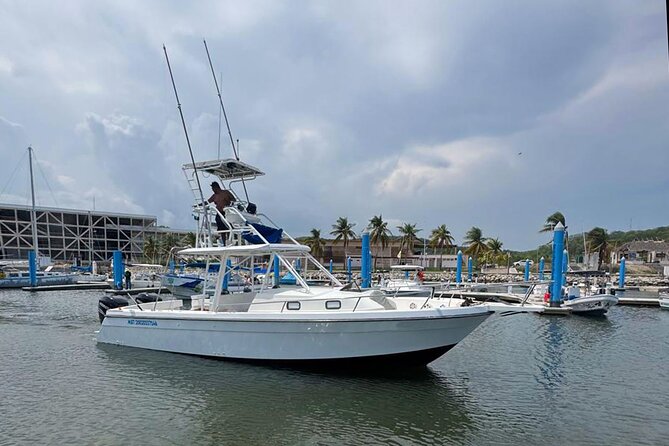
Two tools make this experience feel special right away: education and sound.
You’ll get a briefing as you depart the marina. The crew covers what to look for with whales, dolphins, and sea turtles in Huatulco waters. Then—this is the standout—you use a hydrophone to listen underwater.
That means you can catch whale calls/“singing” and dolphin communication even when you don’t instantly see everything. On calm moments, sound can lead your eyes, not the other way around. It’s also a rare treat for visitors who usually only experience wildlife through sight.
If you’re into photography, this kind of guidance helps you anticipate behavior instead of just reacting. You can frame better when you understand what the animal is likely doing next.
How Huatulco National Park waters change the odds
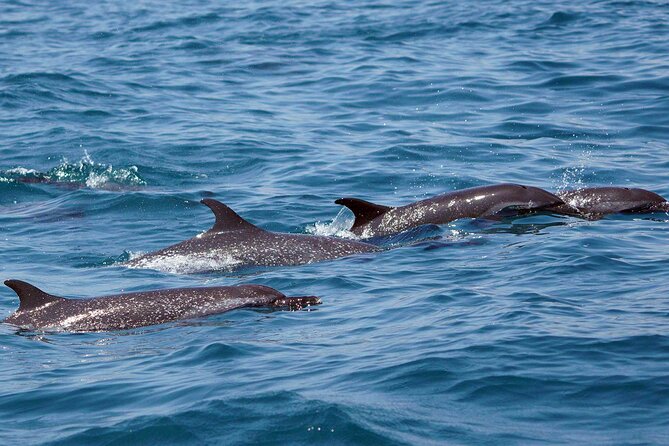
Your ride leads you to Huatulco National Park waters for the main viewing time. The crew also travels beyond the immediate marina area to zones they’re known for, based on their team and a network of spotters.
That approach matters. Whale and dolphin activity isn’t evenly distributed. By moving toward areas with current sightings, the tour aims to improve the number of encounters and the chance that you stay with the animals long enough to enjoy them.
In the best scenarios, you’re not just seeing “one thing.” You can get a mix in a single outing. People have reported humpbacks with mother-and-calf behavior, plus dolphin pods, plus sea turtles, sometimes alongside rays.
And the captain’s job is part of the package. Swells can happen in the open water. One review praised the pilot’s handling during larger swells—so if you’re prone to motion discomfort, still plan to hold onto your focus and wear the right mindset for ocean conditions.
Wildlife you can realistically hope to spot
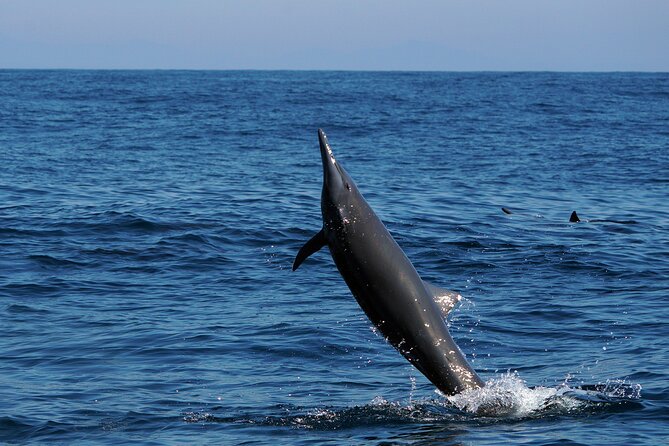
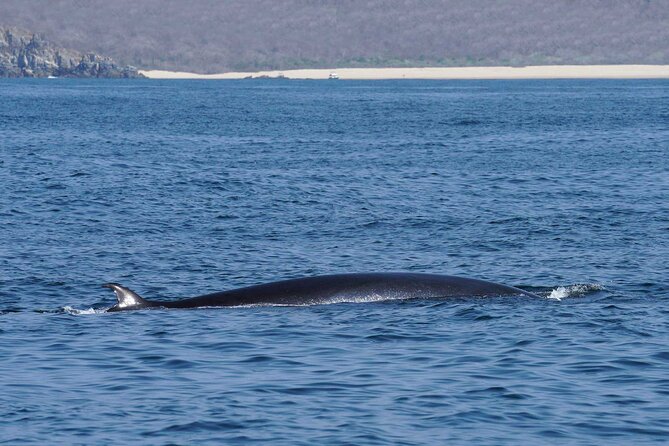
Here’s the practical reality: your sightings depend on season, weather, and where the animals choose to be that day. Still, the kinds of animals reported on these tours are consistently impressive.
Whales: humpbacks are the seasonal star
Humpback whales can be seen on 90% of tours from December through March. If your dates land in that window, you’re making a strong bet.
On some trips, humpbacks show up as more than a random sight. People have described mother-and-calf time and an escort around the same area. That kind of behavior can make the whale part feel extra meaningful.
Dolphins: pods that show up fast
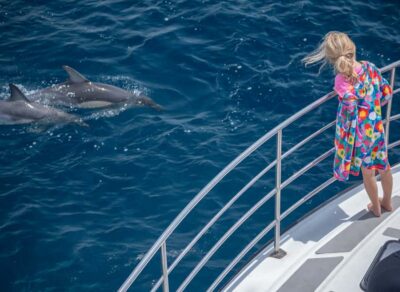
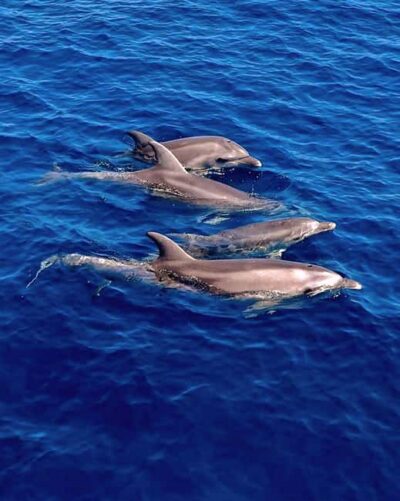
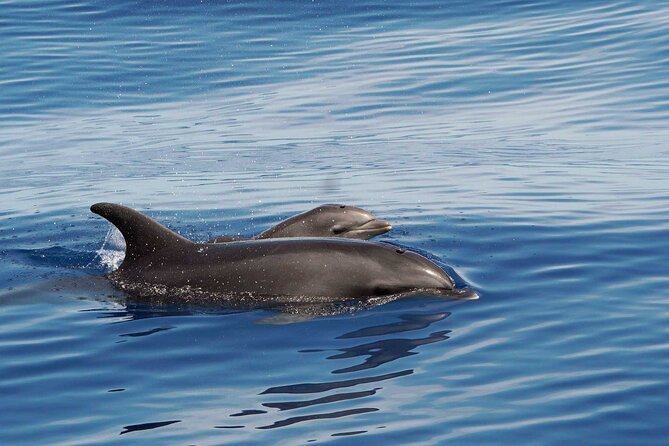
Dolphins are often seen quickly. One account described dolphins within about 15 minutes, and another described pods so large the group counted it as a standout moment.
You might see spotted dolphins and bottlenose dolphins—plus, in some cases, the ability to hear echolocation through the hydrophone adds another layer to the experience.
Sea turtles: a big part of the story
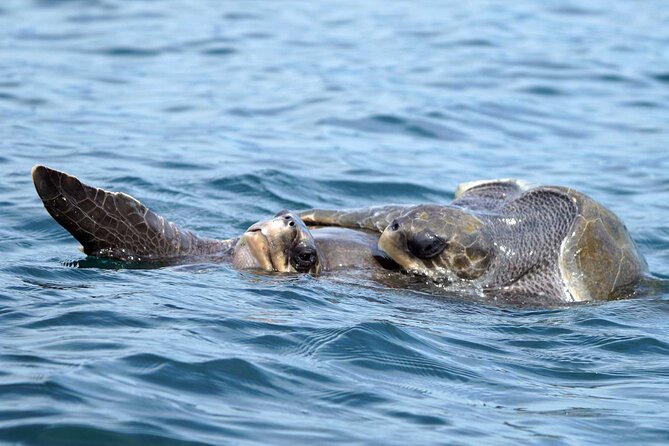
Sea turtles show up frequently in reports, including olive ridley turtles (often associated with mass nesting activity nearby) and green turtles. People have described seeing lots of turtles on the same outing.
If your main goal is turtles, this is a strong match for Huatulco. You’re in a region where these animals have a real presence, and the crew’s park focus helps keep the sightings on target.
Rays and surprises: often part of the mix
Beyond whales, dolphins, and turtles, some outings include rays and other marine life. Reviews mention manta rays, mobula rays, and even a sea snake and sailfish at times.
That variety is one reason I like this format: even if whales are quiet, the ocean often still delivers.
Boat comfort, sun, and what to wear
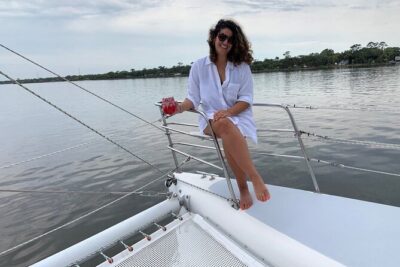
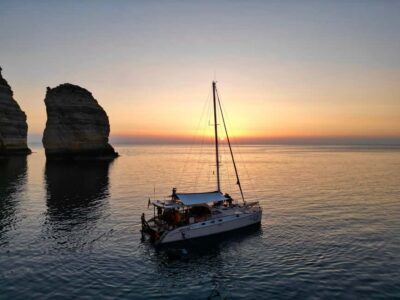
The boat is described as small, and there’s a canvas roof. That helps, but it doesn’t erase the sun. In real terms: you can still feel heat and glare.
Bring a hat and sunglasses. Use reef-friendly sunscreen (you’ll get more comfortable when you’re not rushing halfway through the trip). And pack water, even though bottled water is included.
If you’re sensitive to sun or heat, don’t wait until you’re already out on the water to realize you need shade. Dress for the fact that you’ll spend time exposed.
Also, positioning can matter. Several people emphasized being up front for the action, which is where you tend to get the best angles when the animals surface.
Safety and limits that matter before you go
This tour has clear limits:
- Lifejackets are available for children from age 3 up to adults 130 kg.
- The tour has a maximum of 14 travelers.
- Confirmation is received at booking, and the tour is offered in English.
Those details are worth taking seriously. If you’re above the weight limit, this one may not be an option. If you’re traveling with kids, the minimum age requirement means you’ll want to plan around that before you buy.
Time on the water: the flow of the experience
Your trip follows a simple rhythm. You start with the marina briefing, then you head out to the wildlife zones. Once you reach the most promising area, you observe and learn as the crew shares information and answers questions.
When it’s time, the tour ends with a respectful goodbye—Adiós y Gracias—and then you cruise back to Chahué Marina for a short debrief.
That debrief can be useful if you want to understand what you missed or what you saw. It’s also a good way to tie the hydrophone moments and the animal behavior together.
Price and value: what you’re really paying for
The price is $59.74 per person for the tour, for about 2.5 hours, with a marine biologist crew, hydrophone, bottled water, and an English experience.
What’s not included is important. You’ll also need to budget cash for:
- Huatulco National Park entrance fee: 65 pesos MXN per person
- Chahué Marina fee: 10 pesos MXN per person
That means your real cost isn’t just the online price. You’ll want to bring cash in pesos so you’re not scrambling on arrival.
So is it good value? In my view, it can be, because you’re paying for more than boat time. You’re paying for:
- expert interpretation on the water
- small group dynamics (max 14)
- the hydrophone experience
- a scouting approach aimed at maximizing sightings
If you just want a generic “boat ride with luck,” there are cheaper options out there. But if your priority is understanding and higher odds of meaningful sightings, this is priced like a wildlife education tour with real field effort behind it.
If whales don’t show up: how to judge the day
Even with strong seasonal whale chances, some outings may not include whales. That’s not a failure of the tour—it’s ocean wildlife timing.
What you can do is judge the day on what else shows up. In reports, even when whales weren’t seen, people still described dolphins, turtles, and other marine life.
In practice, I’d treat this tour as a chance at a multi-species marine experience, with humpbacks most likely in Dec–Mar. If you have flexible dates in that window, your odds improve.
Should you book Oceanico’s dolphin and whale tour?
Yes, if:
- you want marine biologists, not just a guide pointing at animals
- you like the idea of listening with a hydrophone, not only watching
- you want a small group experience that keeps viewing comfortable
- your travel dates fall between December and March, when humpbacks are reported on 90% of tours
Maybe skip or rethink if:
- you need a guarantee of whale sightings on any date. The sea doesn’t run on our schedules.
- you’re worried about heat and sun on a small boat with limited shade.
- you’re outside the age 3+ or 130 kg lifejacket limits.
FAQ
What time does the tour start, and how long does it last?
The tour starts at 8:00 am and runs for about 2 hours 30 minutes.
What’s included in the price?
The tour includes bottled water.
What extra fees should I expect to pay on site?
You’ll need cash for the Huatulco National Park fee (65 pesos MXN per person) and the Chahué Marina fee (10 pesos MXN per person).
What wildlife can I expect to see?
The focus is on respectfully observing humpback whales, dolphins, and sea turtles. Humpback whales are reported on 90% of tours from December through March, and other marine life such as rays has been seen on some outings.
What are the age and weight limits?
The minimum age is 3 years old. Lifejackets are available for children up to adults up to 130 kg. People over 130 kg aren’t included under the stated limit.
Is the tour offered in English?
Yes, the tour is offered in English.