REVIEW · DURBAN
Durban: Durban: Whale and Dolphin Watching Boat Tour
Book on GetYourGuide →Operated by Isle of Capri Cruises Whale watching · Bookable on GetYourGuide
Whales breathe beside you in Durban. I love how this 2-hour Indian Ocean ride puts humpback whales close enough to feel real, not staged, while a guide explains what you’re seeing. I also like the small scale: you’re on an 11-passenger boat, so the crew can shift position for better views.
One thing to plan around: sightings depend on season and weather, and the company may use different boats depending on conditions and maintenance.
In This Review
- Key highlights worth planning for
- Durban’s whale watch: what actually makes it worth it
- The 2-hour experience: what your time on the water feels like
- Getting started at Wilson’s Wharf Marina
- Out on the Indian Ocean: the viewing window
- Dolphins and other wildlife can share the stage
- Humpback whales in Durban: how to spot what matters
- The guide makes the difference: watching with skipper Bennie
- Price and value: is $102 per person fair?
- What can affect your chances (and how to improve them)
- Season matters
- Weather matters
- Don’t assume you’ll get the same boat
- What to pack: small things that help a lot
- Who this Durban whale watch fits best
- Should you book the Durban whale and dolphin tour?
- FAQ
- How long is the whale and dolphin watching tour?
- When can you see humpback whales around Durban?
- Is there a dolphin-watching option in summer?
- Where does the tour depart from?
- How early should I arrive and check in?
- Will I be guaranteed a specific boat?
- What’s included in the tour price?
- Are food and drinks included?
- Are you allowed to swim with the animals?
- Is the tour accessible for wheelchair users?
Key highlights worth planning for
- Up-close humpback moments in winter months when the migration passes Durban (June to November is prime)
- Small boat feel with front-facing seating and time spent out on the open ocean
- Guide-led whale behavior reading so you understand breaches, tail slaps, and mother-calf dynamics
- Dolphins often show up, and other sea life can appear depending on the day
- Respectful viewing distances so you get great photos without crowding the animals
- Skipper and guides add personality, with some days even quieter than expected
Durban’s whale watch: what actually makes it worth it
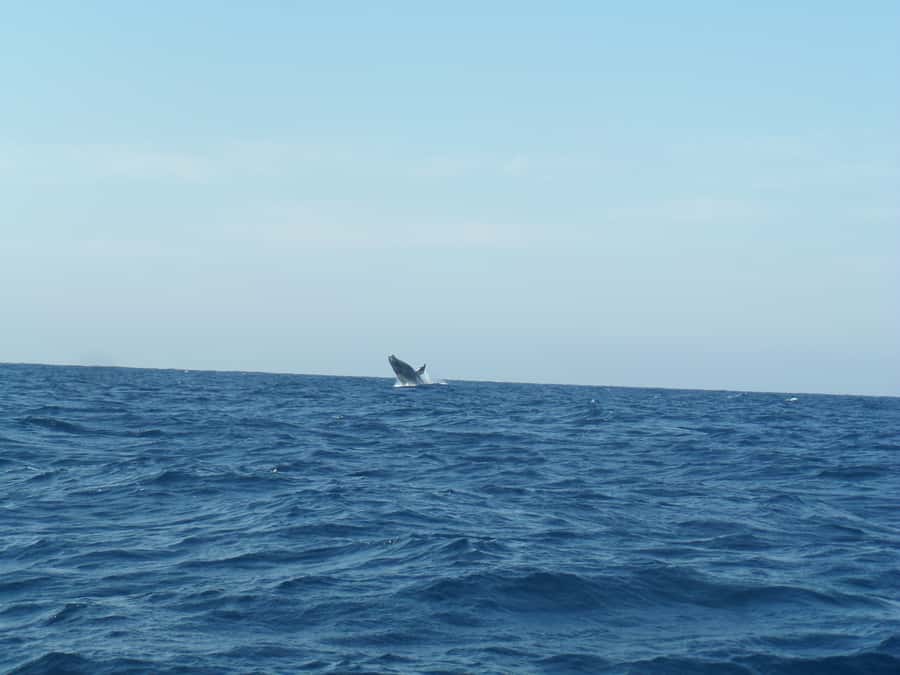
Durban’s coast has a way of turning a normal outing into a real wildlife encounter. This tour heads out onto the Indian Ocean for about two hours, giving you a strong shot at seeing migratory humpback whales during the colder season. If you time it right, you’re not just looking at distant spouts—you’re watching whales swim, surface, and sometimes put on full-body shows.
The best part is the way the tour is set up for viewing. You sit facing forward, and the skipper and crew are positioned behind you, which matters because whale-watching is a lot about scanning fast and getting on the right angles. Even more helpful, there’s a qualified guide onboard who points out what’s happening and what to look for next, so you’re not just waiting for a random blow.
The second reason I’d book this: the experience is designed around respect. On the water, it’s easy for boats to turn into a loud, frantic circus. Here, the viewing style focuses on staying appropriate for the animals while still getting you photo opportunities. That’s how you end up with memorable moments instead of a long day of frustration.
The 2-hour experience: what your time on the water feels like
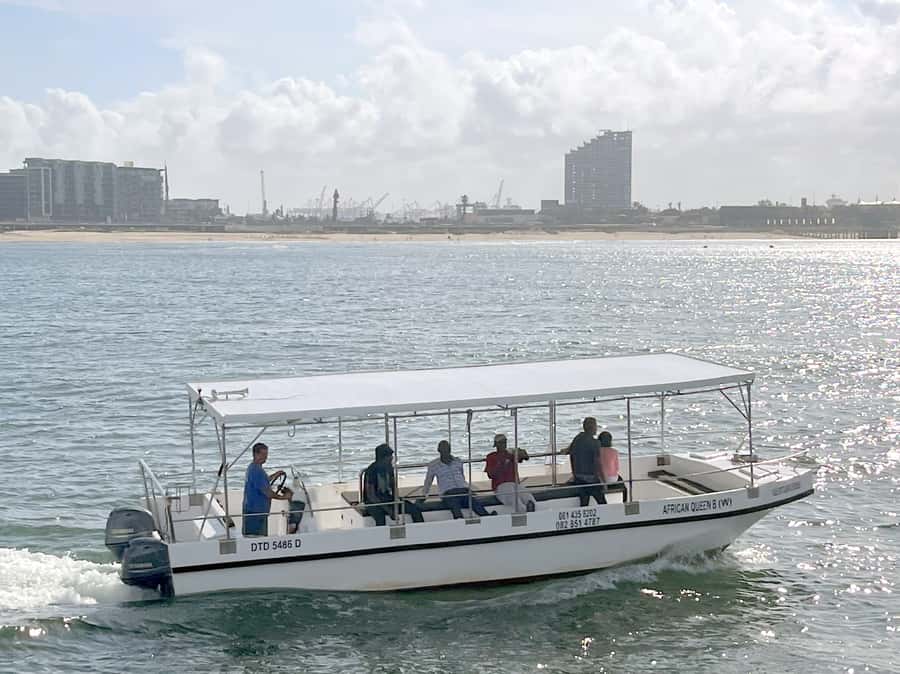
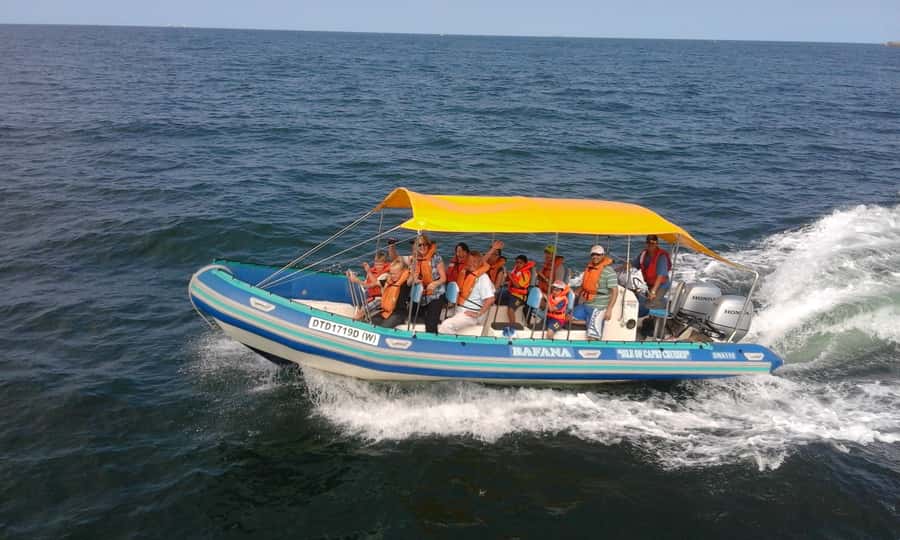
This isn’t a long expedition. It’s intentionally short and concentrated, which is great when you want a wildlife hit without losing an entire day to weather delays and waiting. After you meet the crew, you’ll step aboard an 11-passenger boat and head out into deeper water.
Getting started at Wilson’s Wharf Marina
Your tour begins at the Isle of Capri Cruises office on Wilson’s Wharf Marina, right next to the Spur end of the complex. Plan to check in about 30 minutes before departure time and have your ticket ready at the office/kiosk. That early buffer helps you settle in, meet the guide, and be ready to depart without stress.
Out on the Indian Ocean: the viewing window
Once you’re underway, you’ll sail toward the area influenced by the Mozambican current. That routing detail matters because it helps put you where marine life is more likely to be active. You’ll spend the bulk of your tour out on open water, watching for surfacing whales and watching how the sea changes around them.
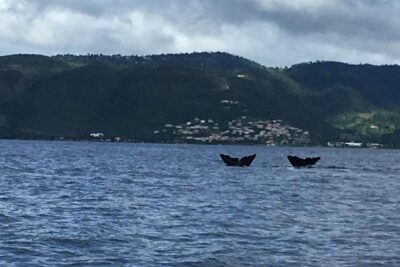
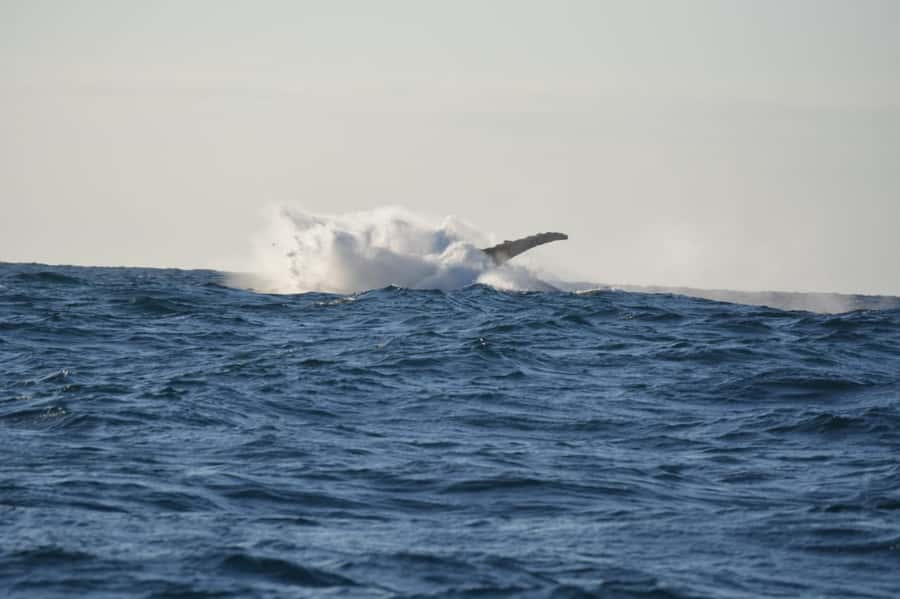
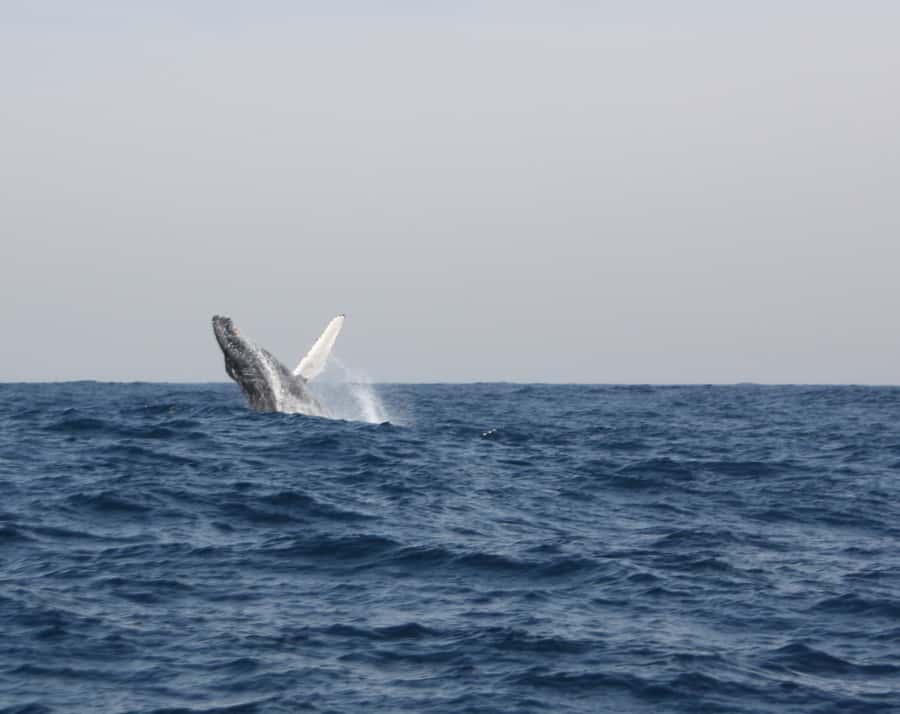
Between June and November, humpback whales can be seen on their migratory trek from the southern oceans toward warmer waters for mating and giving birth. You might catch whales breaching, tail slapping, or rising close enough to show the full scale of these animals.
Dolphins and other wildlife can share the stage
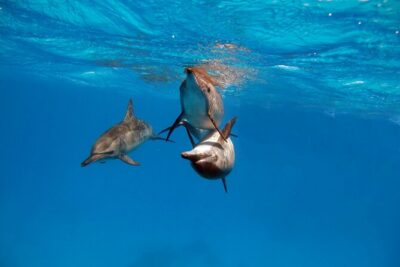
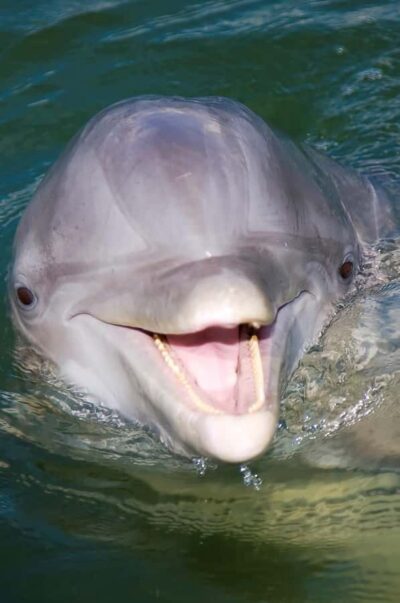
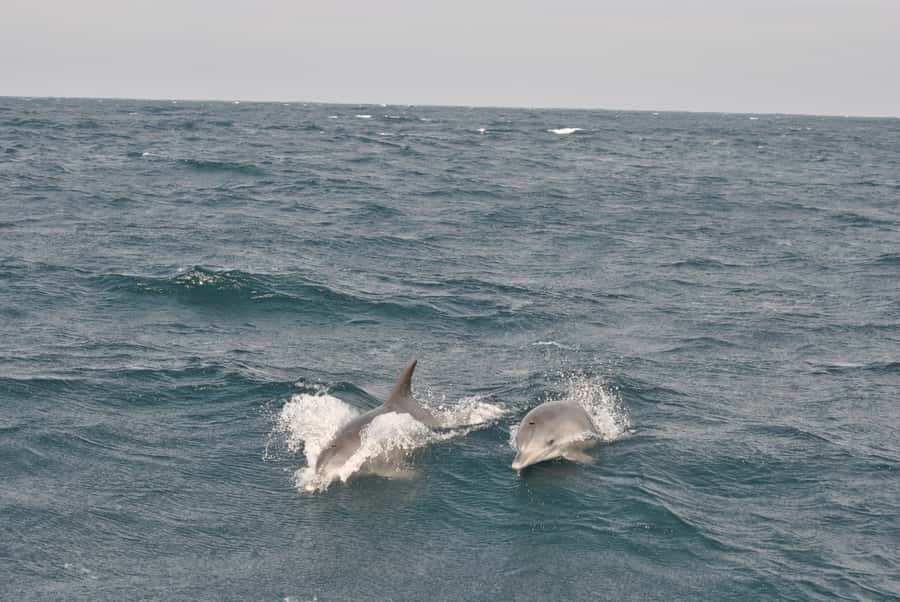
Even when whales are the main event, you should keep your eyes moving. The tour also looks for local marine life, especially dolphins, which can be seen in the area all year round. On some days, turtles may surface to feed, and there’s a chance of other impressive visitors such as orcas, manta rays, and even killer sharks—depending on what the ocean is offering that day.
Not every outing will have everything. I like that the guide isn’t treating it like a script. If you don’t get dolphins, you might get a better whale encounter. If you get a whale early, you may still spend time scanning for dolphins afterward.
Humpback whales in Durban: how to spot what matters
Watching humpback whales is one of those experiences where understanding the behavior makes everything better. A good whale guide doesn’t just tell you the name of the animal. They help you read the action.
Here’s what you can realistically hope for during the winter migration season:
- Breaches: the whale pops out of the water, often for dramatic effect
- Tail slaps: the tail hits the surface, usually related to communication or behavior
- Calf and mother moments: you may see mother whales with calves staying close
- Playful older calves: sometimes calves jump and interact in ways that look like play
One guide-led moment I’d watch for is getting to stay with a group of whales long enough to see repeat surfacing. When the sea is calm, you may even hear the breathing sounds—small detail, big payoff.
Also, pay attention to how the crew positions the boat. The goal isn’t to chase. It’s to place you for viewing while keeping the whales’ behavior undisturbed. That approach is part of why you can get clear photos without the feeling that the animals are being pressured.
The guide makes the difference: watching with skipper Bennie
A whale watch lives or dies on the guide’s ability to read the water. In Durban, that often comes down to steady scanning, smart positioning, and calm communication. On several top-rated outings, skipper Bennie stood out for exactly that: real character, enthusiasm, and hands-on knowledge.
On days when the boat wasn’t full—like when one early slot had only a few passengers—some groups were able to stay out a bit longer. That extra time can be the difference between seeing a single whale and watching multiple whales interact, including full breaches and repeated tail slaps.
Another nice touch: guides sometimes share their videos at the end of the trip. If you’re the type who likes to compare what you saw with what actually happened on the surface, that’s a bonus.
The tone of the guides also matters. The best sessions feel like someone is genuinely excited to show you the ocean, not rushing you through. It makes the watch feel personal, even though you’re on a small boat with limited seats.
Price and value: is $102 per person fair?
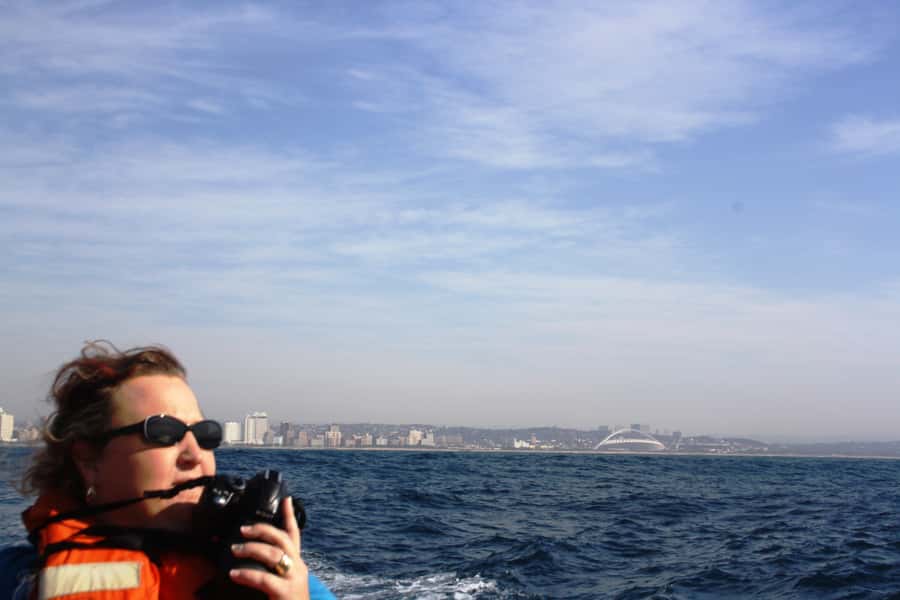
At $102 per person, this tour sits in the category of experiences that can feel pricey at first glance. But it’s also not a generic sightseeing cruise. You’re paying for three things you can’t easily replicate on your own: a legal whale-watching setup, an experienced guide, and a schedule that puts you on the water when the whales are most likely to be around.
A big value point is the limited group size. An 11-passenger boat means you’re more likely to get meaningful viewing positions instead of being elbow-to-elbow. You’re also investing in a short, focused outing rather than a half-day of travel time and dead air.
That said, the ocean isn’t a machine. Weather and animal movement control the outcome. If you’re going during the migration season and you get a good day, it feels worth every cent. If conditions are rough, you may see less. I think that’s the fair way to judge it: you’re paying for a strong chance, not a guaranteed whale show.
What can affect your chances (and how to improve them)
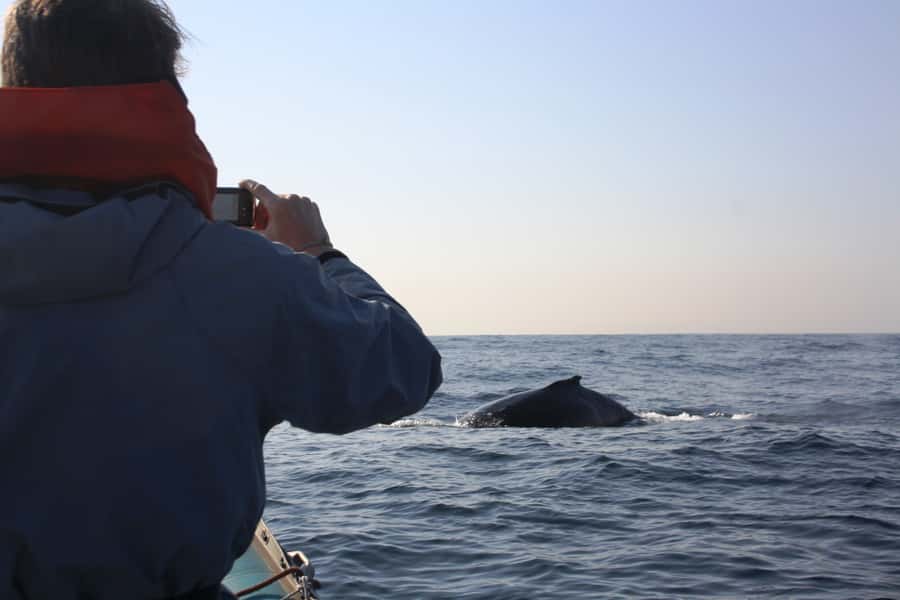
This is a whale tour, not a vending machine. Your best moves are practical ones.
Season matters
- Humpback whales pass Durban May to November
- June to November is the prime winter window for humpbacks
- In summer months, whales migrate elsewhere, and you’ll pivot toward dolphin watching and other sea creatures
Weather matters
The route is subject to weather conditions, so you might go further out or change course based on what the sea allows. Several comments also point out that calmer conditions—less wind and smaller swells—make viewing easier, and in the best cases you get better sound.
Don’t assume you’ll get the same boat
One detail I’d treat as normal here: you may not be guaranteed a specific vessel. The company uses a pool of available boats to cover weather fluctuations, seasonal passenger numbers, and planned maintenance. The experience remains essentially the same, but your exact boat may vary.
If that uncertainty bugs you, plan your expectations around the activity rather than the exact ship name.
What to pack: small things that help a lot
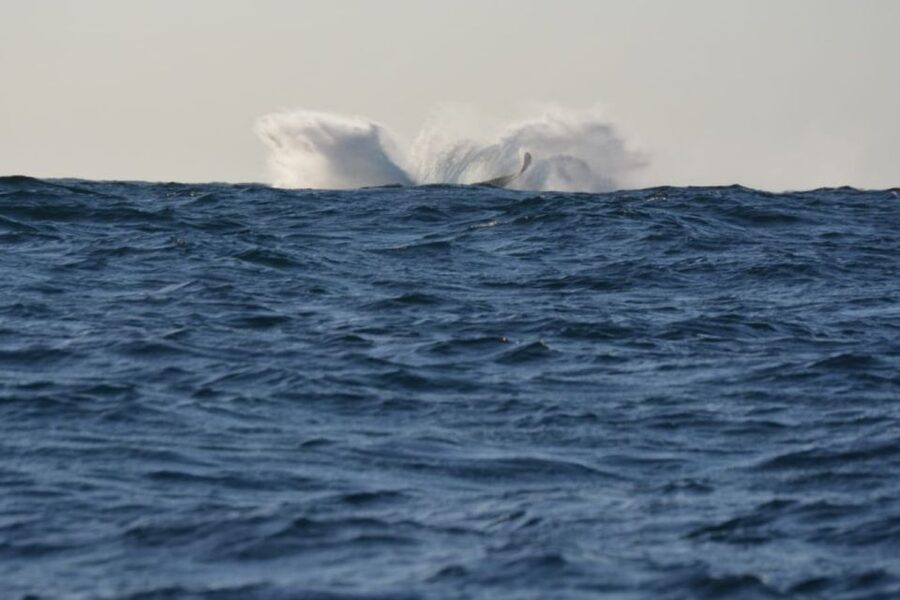
You’ll be out on open water and exposed to changing weather. Bring what keeps you comfortable and ready for quick photo moments:
- Hat and sunscreen
- Camera
- Water
- Comfortable clothes
- A scarf (wind happens)
- Weather-appropriate layers
Also remember what’s not allowed: swimming isn’t permitted. This keeps the focus on viewing and keeps everyone safe and the wildlife undisturbed.
Who this Durban whale watch fits best
This tour is a strong match if you:
- Want a short, high-focus wildlife outing
- Are visiting Durban in the winter months for a better chance at humpbacks
- Prefer smaller groups and guide-led interpretation
- Like the idea of learning behavior, not just spotting wildlife
It’s not the best fit if you have mobility limits or specific health constraints. It’s not wheelchair-friendly, and it’s not recommended for toddlers. It also isn’t suitable for pregnant women or people with back problems.
If you’re comfortable with being on a boat ride and you’re open to wildlife being wildlife, you’ll likely enjoy this.
Should you book the Durban whale and dolphin tour?
I’d book it if you’re traveling during May to November, especially June to November, and you want a small-boat whale watch with guides who focus on respectful viewing. The guide experience—especially the steady, enthusiastic style associated with skipper Bennie—is a big part of why people leave with real stories, not just blurry photos.
If you’re going in summer months, don’t panic. You’ll shift toward dolphins and other marine life, and dolphins can be in the area year-round. Just don’t expect humpbacks every single trip then.
And if you’re the type who needs guarantees, the ocean won’t give you that. But for many people, that’s the point. You’re buying a well-run outing designed for your best odds. If your dates line up with the migration and conditions are decent, this is one of the most memorable wildlife experiences you can do in Durban.
FAQ
How long is the whale and dolphin watching tour?
The tour lasts about 2 hours.
When can you see humpback whales around Durban?
Humpback whales can be seen passing Durban from May to November, with June to November being the winter months when they’re most likely in the area for this tour.
Is there a dolphin-watching option in summer?
Yes. During summer months, when humpbacks migrate elsewhere, the cruise focuses more on dolphins and other sea creatures.
Where does the tour depart from?
The meeting point is the Isle of Capri Cruises office on Wilson’s Wharf Marina, next to the Spur end of the complex.
How early should I arrive and check in?
You need to present your ticket at the office/kiosk about 30 minutes before departure.
Will I be guaranteed a specific boat?
No. The activity may use a selection of available vessels rather than a single dedicated boat, depending on weather, seasonal passenger numbers, and maintenance.
What’s included in the tour price?
Included is the whale-watching boat trip, open ocean sailing, and guides (English and Zulu).
Are food and drinks included?
No. Food and drinks are not included.
Are you allowed to swim with the animals?
No. Swimming is not permitted.
Is the tour accessible for wheelchair users?
No. The activity is not wheelchair-friendly, and it isn’t suitable for people with mobility impairments.