REVIEW · COCOA BEACH
Indian River Clear Bottom Kayak or Paddleboarding Manatee and Dolphin Tour
Book on Viator →Operated by Cocoa Kayaking · Bookable on Viator
Clear-bottom kayaks turn nature into a front-row show. This 90-minute paddle on the Indian River Lagoon is all about wildlife sightings with kayak or paddleboard options and a guide who helps you find the best spots. You get calm water, great scenery, and the chance to spot everything from dolphins to Florida birds.
Two things I really like: the tour is set up for easy time on the water (gear included, small group size), and the photos get shared with you after the outing so you’re not stuck hunting for proof later. One thing to keep in mind: wildlife isn’t guaranteed, since you’re paddling in their natural habitat and you’re at the mercy of weather and animal behavior.
In This Review
- Key things that make this tour worth your time
- Clear-bottom fun on the Indian River Lagoon: what you’re really buying
- 90 minutes from Merritt Island: how the tour usually unfolds
- Wildlife timing: manatees, dolphins, and the best paddle hours
- Kayak vs paddleboard and the no-shoes rule
- Gear, comfort, and photo perks that actually help
- Guide style and group size: what small-craft wildlife looks like in real life
- Price and value at $75: what’s included and what to pack
- The small rules that can make or break your day
- Who should book this manatee and dolphin tour?
- Should you book this manatee and dolphin tour?
- FAQ
- How long is the Indian River Lagoon manatee and dolphin tour?
- Where does the tour start?
- How much does it cost?
- What can I choose to do: kayak or paddleboard?
- What’s included with the tour?
- Are photos included?
- Are waivers required?
- Is wildlife guaranteed?
Key things that make this tour worth your time
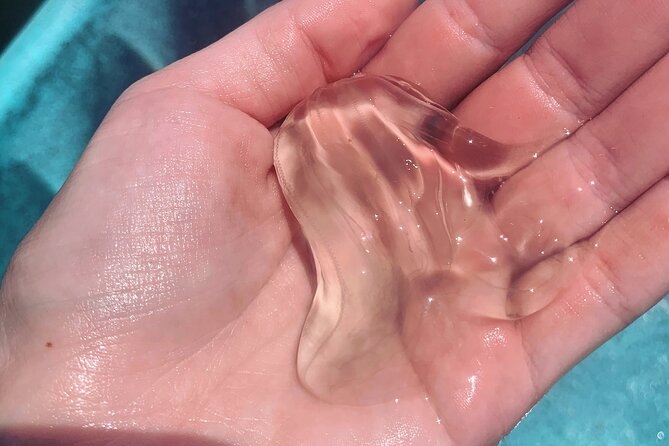
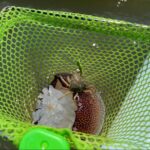
- Clear-bottom viewing makes critters feel close, especially for looking down at comb jellies and other lagoon life
- Small group size (max 12) helps you stay oriented and gives the guide room to adjust the route
- Manatee season timing (Mar–Aug) can raise your odds, since that’s when mating activity is more likely
- Best wildlife paddle windows (9:00am and 12:00pm) align with the day’s activity patterns you’re hoping to see
- Captain-led energy: names like Captain Michael (Mike), Tom, and Troy show up with a strong focus on spotting and explaining what’s around you
Clear-bottom fun on the Indian River Lagoon: what you’re really buying
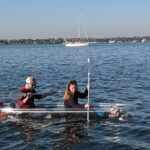
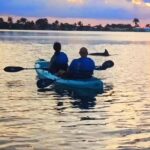
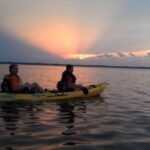
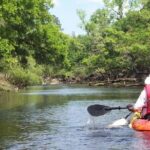
This tour isn’t a ticket to an animal theme park. It’s a chance to paddle the Indian River Lagoon in a way that keeps you close to what’s happening below the surface. Depending on what you choose, you’ll be either in a clear-bottom kayak that lets you see what’s under you, or on a paddleboard with a more open, scanning view.
I like the way this setup changes your whole mindset. On land, wildlife can be a quick glimpse and then gone. On the water, you’re moving slowly through the same area long enough for patterns to show up: birds feeding, wakes from dolphins, or the telltale stillness you sometimes get when a manatee decides to hang around.
And the guide element matters here. You’re not just following a route; you’re going out with someone who knows where wildlife tends to show up along this lagoon system. That can turn a generic paddle into a focused wildlife hunt.
One more plus: you’re paying for a complete “hour and a half outside” experience, not just the boat rental. Kayak/paddleboard gear, life jacket, and dry bags are part of the package.
You can also read our reviews of more tours and experiences in Cocoa Beach.
90 minutes from Merritt Island: how the tour usually unfolds
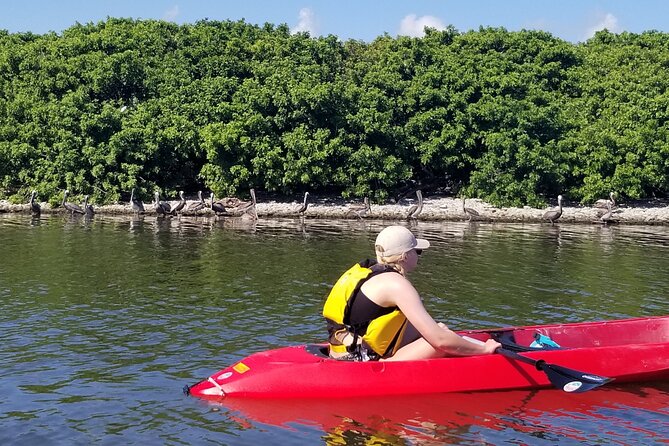
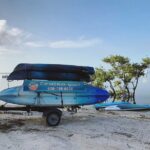
The tour starts and ends at 951 Kiwanis Island Park Rd, Merritt Island, FL 32953. It’s a straightforward loop, so you’re not worrying about transfers or complicated meeting points.
You’ll begin with the basics: getting fitted with your life jacket and going over the rules. This isn’t just safety theater. The clear-bottom gear has a strict footwear policy, and the guide will make sure you’re ready for the physical side of the tour before you push off.
Once you’re on the water, your time is usually split between:
- getting settled and learning how the lagoon feels under paddle power
- following the guide toward spots with better wildlife odds
- slowing down for observation when something is happening
The calm water is a big part of why this works for so many people. You can keep your eyes up for dolphins and birds while also looking down when the guide says the conditions are good for spotting lagoon life.
The tour style also feels like it’s built for attention. You’ll often hear explanations that connect what you’re seeing—like local birds and marine life—to how the lagoon ecosystem works. When someone points out what you’re actually looking at (and why it’s there), the whole outing clicks.
At the end, you return to the starting location, return gear, and get ready to dry off. There are bathrooms at the launch location, which makes the end-of-tour cleanup less stressful.
Wildlife timing: manatees, dolphins, and the best paddle hours
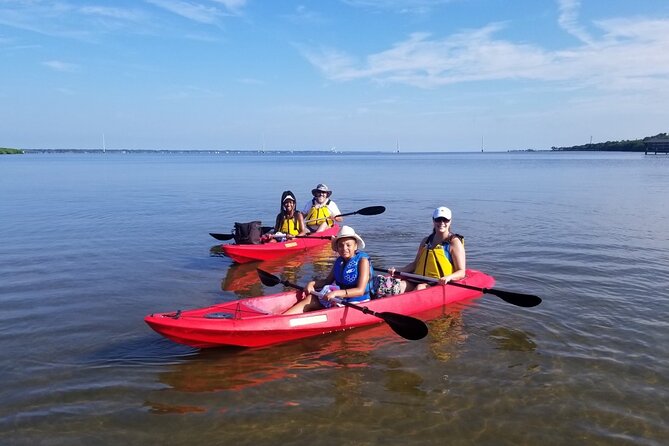
If you’re booking specifically for manatees and dolphins, the timing details are important. The operator notes that manatee mating season runs March through August. That doesn’t mean you’ll always see manatees, but it does mean the season is aligned with more frequent activity.
They also suggest the best times to paddle for wildlife: 9:00am and 12:00pm. Here’s how I think about that as a practical traveler: you want to be out when animals are more likely to be in the area and when conditions help visibility and observation. If your schedule allows, these time slots are the ones to target.
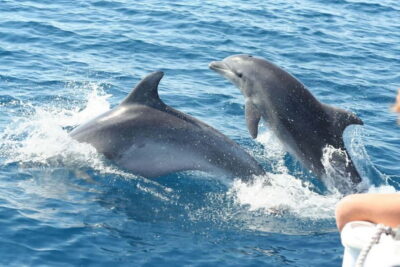
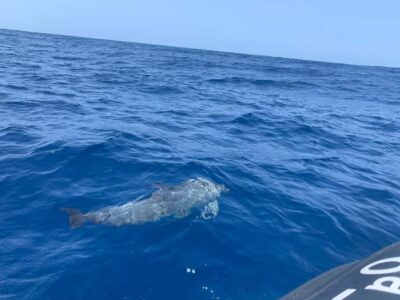
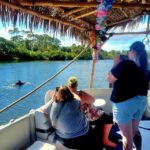
Dolphins can be the most exciting sightings because they move fast and they can appear suddenly. When you’re in a small craft like a kayak or paddleboard, you often notice the small signs first—birds reacting, surface movement, or changes in the water.
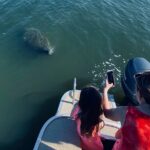
Manatees tend to be slower. Sometimes you spot them as a raised back or just as a calm, unexpected presence. Other times, you might not see anything for a while and then the guide makes a move because the lagoon is doing something specific—like shifting currents or changing where food is.
Important reality check: wildlife is never a guarantee. The experience is built around the chance to see animals in their habitat, not a promise that you’ll meet them. That’s why having a guide who tries hard to locate wildlife matters.
Kayak vs paddleboard and the no-shoes rule
Choosing between a clear-bottom kayak and a paddleboard changes how you experience the lagoon.
Clear-bottom kayak
This is the option built for down-looking. You can scan for lagoon life under your craft and catch more details than you would from above-water surfaces alone. There’s a big trade-off: the bottom of the kayak is clear and made of special material, so there’s a strict rule: no shoes allowed on clear-bottom kayaks.
You’ll be required to paddle bare feet when you’re in the clear-bottom kayak. That’s a small inconvenience, but it’s also what makes the viewing possible. If you hate the idea of feet contact with boat surfaces, this is where you should think twice and possibly choose the paddleboard option if offered in your booking.
Paddleboarding
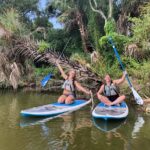
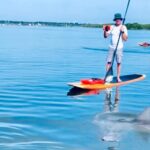
A paddleboard gives you a different vantage point. You’ll spend more time looking out across the lagoon and less time focusing directly under the surface. It can feel more like “standing on a moving observation deck,” especially if you’re comfortable balancing for the 90 minutes.
Both options are designed for a calm outing, but your body experience will be different. If you want the underwater view, go kayak. If you want broader scanning and a less strict footwear setup, consider paddleboard.
And either way, the guide will help you manage the pace so you can actually enjoy watching instead of white-knuckling your way through.
Gear, comfort, and photo perks that actually help
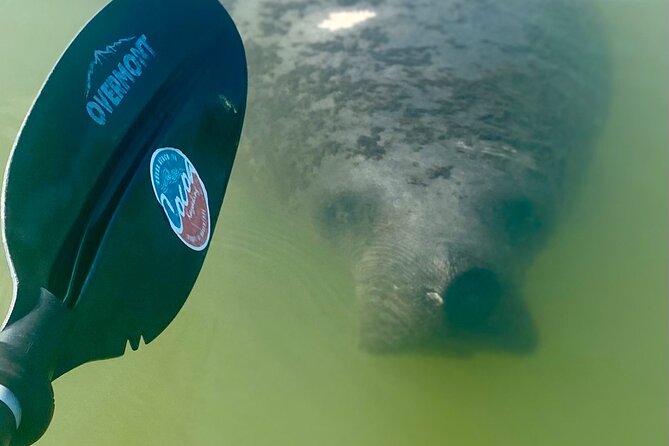
The tour package includes:
- your kayak or paddleboard
- a life jacket (for riders 30 lbs and up)
- a paddle
- dry bags
You’ll also have access to cell phone/wallet dry bags upon arrival, which is a nice practical touch. It means you can bring your phone and still avoid the classic lagoon mistake: dropping it.
What to bring matters more than you might expect:
- plenty of water (bottled water isn’t included)
- sunscreen
- bug spray if you use it
- a towel
- a wide brim hat
Also, plan for the weather. This is a good sunny-day activity, but if conditions are too poor, they’ll cancel and offer another date or refund.
One of the best “small extras” is the photo promise. The operator includes photos and shares them with you up to 48 hours after the guided tour, either by email or text. For a wildlife outing, that’s a real convenience. It’s easy to miss your chance to snap the exact moment, especially with fast-moving dolphins.
And here’s a comfort note people appreciate: there are bathrooms at the launch location, so your start and finish are smoother.
Guide style and group size: what small-craft wildlife looks like in real life
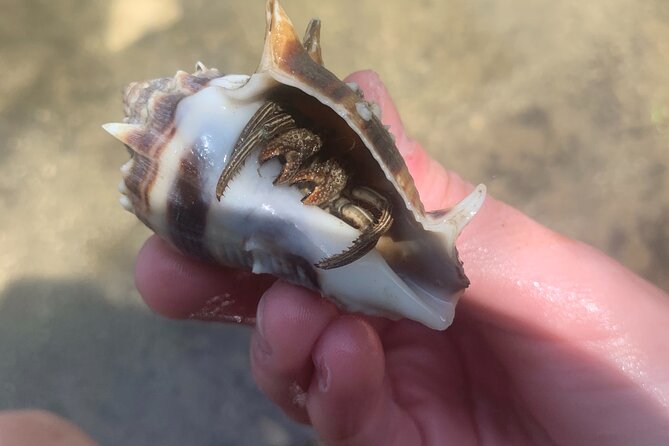
This tour caps at 12 travelers, which keeps things from turning into a chaotic paddle parade. In a small group, the guide can adjust the pace and placement. You’re less likely to get stretched out too far, and you can focus on watching instead of coordinating with strangers.
The guides also seem to lean into storytelling, not just pointing. Names like Captain Michael (Mike), Tom, and Troy come up in a way that suggests they care about more than the bare sighting. They talk about the area and wildlife, and they help guests understand what they’re seeing—like dolphins hunting, birds moving through the lagoon, and comb jellies in the mix.
If you’re traveling with kids, this kind of guided attention is especially useful. It helps keep the “are we there yet?” energy down and turns the wait between sightings into something you can enjoy. Even for adults, it prevents that awkward silence where everyone wonders if anything is happening.
My practical advice: ask your guide what they’re watching for at the moment. Because on the water, knowing the goal changes what you notice.
Price and value at $75: what’s included and what to pack
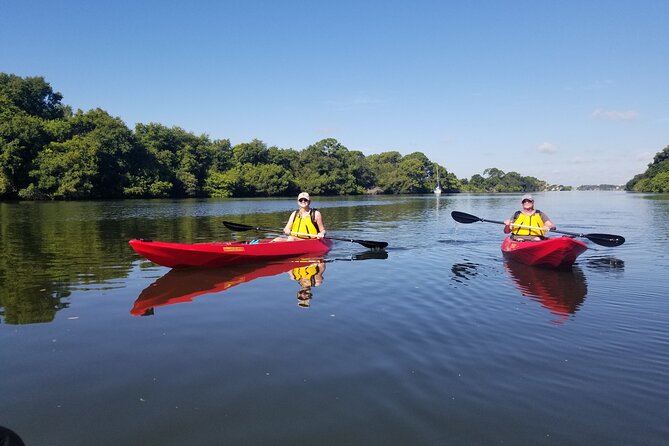
At $75 per person, the value depends on what you compare it to.
You’re not just paying for a kayak rental. You’re paying for:
- the craft (kayak or paddleboard)
- the safety gear (life jacket)
- the guiding and spotting effort
- dry bags
So you’re getting an organized wildlife outing that typically runs about 1 hour 30 minutes.
What’s not included is also clear. Bottled water isn’t included, so you should bring plenty. I also strongly suggest bringing your own snacks if that’s how you travel, even though the tour data only explicitly calls out water and sun protection items.
If you’re cost-sensitive, this is also a good “one activity day” choice because it doesn’t require a full-day commitment. You get your nature time, your wildlife chance, and then you’re back at the meeting point while the rest of the day is still yours.
One more value point: the tour includes photos after you go. That’s not just sentimental. It saves time later if you want to remember the day without sorting through a phone full of half-blurry water shots.
The small rules that can make or break your day
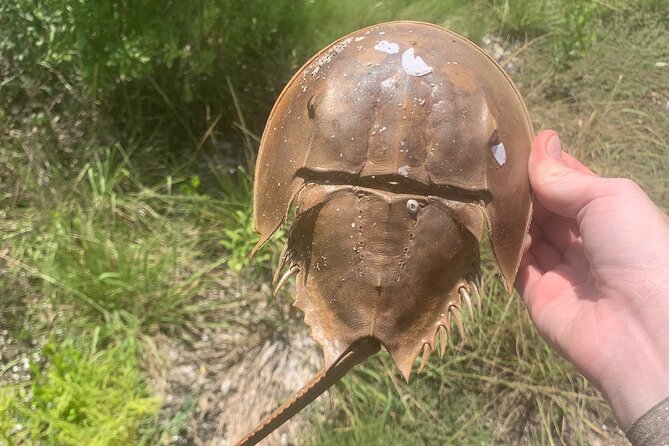
Some of the rules are easy to miss until you’re already there. Here are the ones that matter most:
- No shoes in clear-bottom kayaks. Plan bare feet.
- Waivers are required to enter the waterway. If you didn’t sign before, you’ll sign on arrival.
- Cell phone and wallet dry bags are available upon arrival, so you can keep essentials safe.
- Pack for sun and bugs. Even if the weather looks mild on land, the lagoon can be a different world once you’re out on the water.
They also note that you should contact them after booking to reserve a confirmation with waiver links. If you’re the type who likes everything handled in advance, doing that right after you book will reduce last-minute stress.
Who should book this manatee and dolphin tour?
This is a strong fit if:
- you want a nature-focused activity with a real wildlife angle
- you’re okay with not getting a guaranteed animal sighting
- you enjoy guided explanations while you move slowly through a calm environment
It’s especially good for first-timers who want a structure and gear support rather than a DIY rental day.
You might want to skip or adjust expectations if:
- you hate the idea of bare feet in a clear-bottom kayak
- you need a sure thing for manatees or dolphins (this is habitat viewing, not a guarantee)
- you’re going during poor weather windows, since the tour depends on good conditions
If your schedule allows, aim for 9:00am or 12:00pm for the best shot at wildlife activity.
Should you book this manatee and dolphin tour?
I’d book it if your goal is a guided, small-group paddle that mixes calm water with serious wildlife odds—and you don’t mind that nature runs on its own schedule. The $75 price makes sense when you factor in gear, life jackets, dry bag help, and photo follow-up.
If you’re traveling as a couple, with kids, or as a solo traveler who likes meeting a guide who keeps you focused, this fits well. If you’re picky about footwear rules, make the kayak vs paddleboard choice carefully. Either way, bring water, sun protection, and a towel—and plan your expectations around the real magic here: watching the lagoon do what it does.
FAQ
How long is the Indian River Lagoon manatee and dolphin tour?
It runs about 1 hour 30 minutes.
Where does the tour start?
The meeting point is 951 Kiwanis Island Park Rd, Merritt Island, FL 32953, USA, and the tour ends back at the same place.
How much does it cost?
The price is $75.00 per person.
What can I choose to do: kayak or paddleboard?
You can choose between kayaking or paddleboarding on the Indian River Lagoon.
What’s included with the tour?
The tour includes the kayak or paddleboard, a life jacket, a paddle, and dry bags.
Are photos included?
Yes. Photos are included and are sent up to 48 hours after the guided tour via email or text.
Are waivers required?
Yes. You’ll need to sign waivers to enter the waterway if you did not sign them prior to arrival. Waiver links may be provided via confirmation after booking.
Is wildlife guaranteed?
No. Wildlife sightings are not guaranteed because you’re paddling in animals’ natural habitat.