REVIEW · KANGAROO ISLAND
Kangaroo Island – Swim with Dolphins/Seals/Coastal Snorkel
Book on Viator →Operated by Kangaroo Island Ocean Safari · Bookable on Viator
This swim is a wild gamble. Guided snorkeling around Kangaroo Island targets dolphins or long-nosed seals, with your crew guiding you to the best wildlife spots.
I like that the tour includes the full setup—wetsuits, snorkeling gear, sunscreen, and life jackets—so you can show up and go. I also like the guide-led search, with live commentary on local animals and conservation.
One big consideration is the 14–15°C water. It is doable with the compulsory wetsuit, but it is still cold, and wildlife interactions are never guaranteed.
In This Review
- Quick Takeaways
- A Wild-Water Swim From Penneshaw: The Big Idea
- Cold Water Reality Check: 14–15°C Means You Prep Differently
- Where You Start and How the Time Adds Up (2 Hours, Not a Half-Day)
- Ocean Safari Search: How the Crew Finds Seals and Dolphins
- What About “Only Long-Nosed Seals”?
- The Actual Water Time: Seals Swim, Dolphin Swim, and Coastal Snorkel
- When Dolphins Show Up But You Can’t Swim: The Neonate Rule
- Snorkeling in the Open Ocean: It’s Not Just Swimming, It’s Snorkeling Plus Work
- Gear and Comfort: What’s Included and What You Should Bring
- A Note on Cold-Water Confidence
- Price and Value at $139.86: What You’re Really Paying For
- Best Fit: Who This Tour Suits (and Who Should Think Twice)
- How Weather and Wildlife Affect Your Outcome
- Make It Better: My Practical Checklist Before You Go
- Should You Book This Kangaroo Island Swim With Dolphins/Seals?
- FAQ
- Is swimming with dolphins guaranteed?
- How cold is the water for this snorkeling and swim tour?
- What gear is included?
- What about food during the tour?
- What is the minimum age for kids?
- Who should not participate?
Quick Takeaways
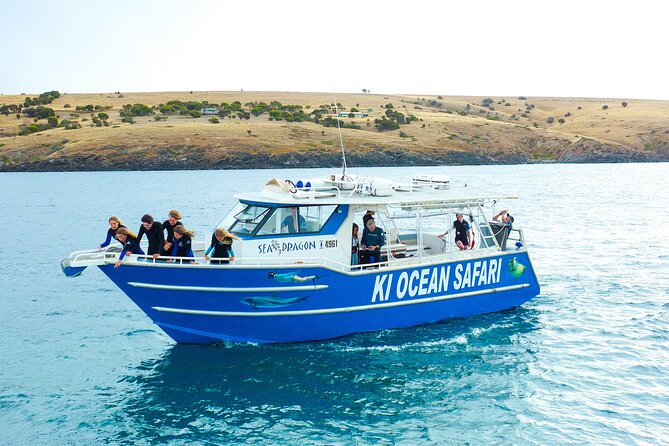
- Swim options depend on wildlife that day: you might get dolphins, seals, or seals first while the team searches.
- Long-nosed seals are a standout: this operator is noted as the only one in South Australia offering a swim with long-nosed seals.
- It is built for real ocean conditions: cold water, currents, and getting in/out of the boat matter.
- You get the gear: mask, snorkel, fins, wetsuit, life jacket, and even sunscreen are included.
- Small group feel: up to 20 travelers, with a 28-seater vessel.
- Neonates change the rules: if dolphins have baby dolphins with them, swimming with that pod won’t happen for safety.
A Wild-Water Swim From Penneshaw: The Big Idea
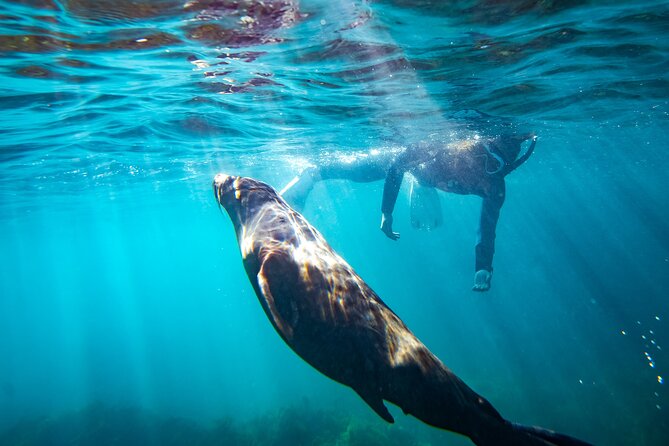
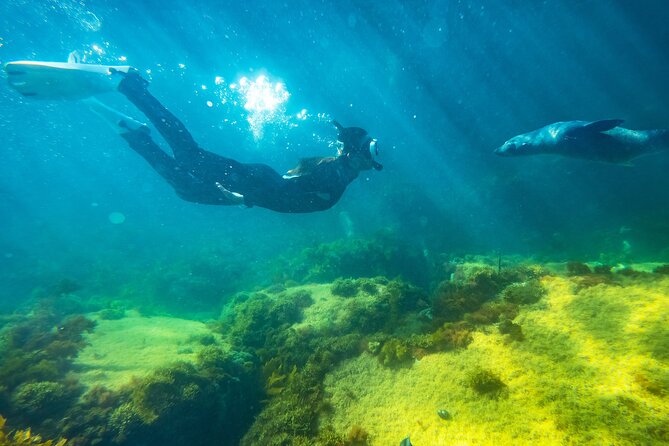
Kangaroo Island’s coastline is famous for wildlife, but this is the fun version: you’re not just watching from a boat. You’re in the water with a guide, using snorkel gear to explore the ocean edge while the crew looks for the right animals at the right moment.
The core appeal is simple. You head out from Penneshaw, then the team works the marine life spots until they find dolphin pods and/or cheeky seals. If dolphins are around but not safe or suitable for swimming, you still get to see them from the vessel and then shift to seals and coastal snorkeling.
You can also read our reviews of more tours and experiences in Kangaroo Island.
Cold Water Reality Check: 14–15°C Means You Prep Differently
Let’s talk about temperature up front. The water runs about 14–15°C. That is refreshing in the way ice cream is delicious—until your body clocks it.
Good news: the tour takes cold seriously. You’ll wear a wetsuit that’s compulsory, and kids under 14 get double wet suited. If you’re the type who runs cold, you can ask to be double wet suited even if you’re older. The crew also helps you gear up so you don’t end up under-prepared.
Practical tip: bring a warm jacket (you’re told to do this). You’ll likely need it when you climb out. They do provide waterproof jackets on board, and some past guests mention hot showers/warm-up options like hot water after the swim, but your best plan is still your own warm layer.
Where You Start and How the Time Adds Up (2 Hours, Not a Half-Day)
The tour starts at 43 Howard Dr, Penneshaw SA 5222, with a 12:00 pm start time. You’ll meet at the Kangaroo Island Information Stop in Penneshaw, where you’ll be fitted with your wetsuit and snorkeling gear and get a safety brief.
From there, you head to the water for the ocean safari. The whole experience runs about 2 hours. That short window is part of the value. You’re spending your limited time in Kangaroo Island actually doing the wildlife swim, not just waiting around.
On the day, you can also expect that timing will shift depending on wildlife behavior and conditions. That unpredictability is normal in marine life tours, and the crew does their best to keep things moving while you’re out there.
Ocean Safari Search: How the Crew Finds Seals and Dolphins
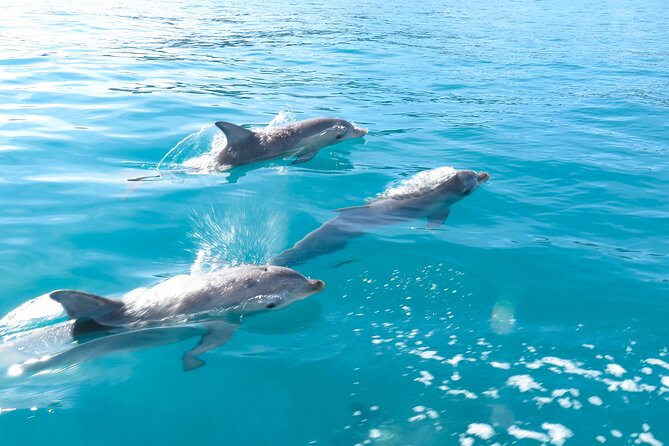
The tour centers on the search. You board a vessel (reported as a 28-seater) and go looking along the coastline for wildlife.
If you’re lucky, you’ll spot seals first. These long-nosed seals can be interactive—curious enough that they may approach. You’ll likely see them lounging on rocks and moving through the water. Then the crew gets you suited up for your swim section.
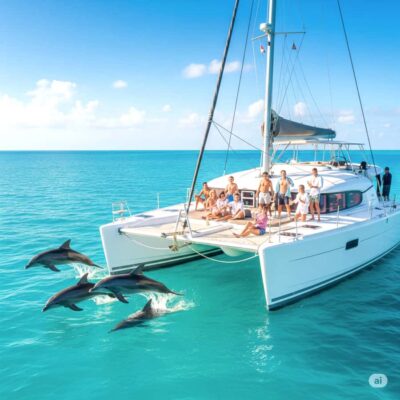
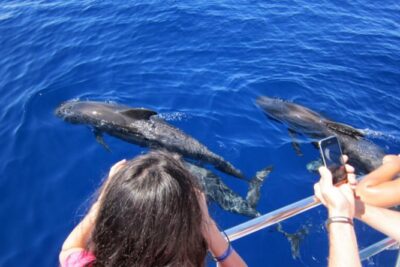
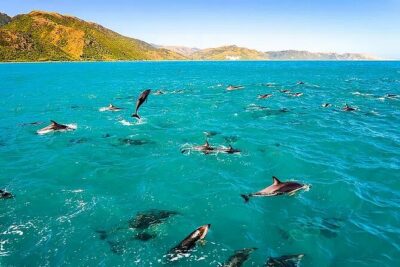
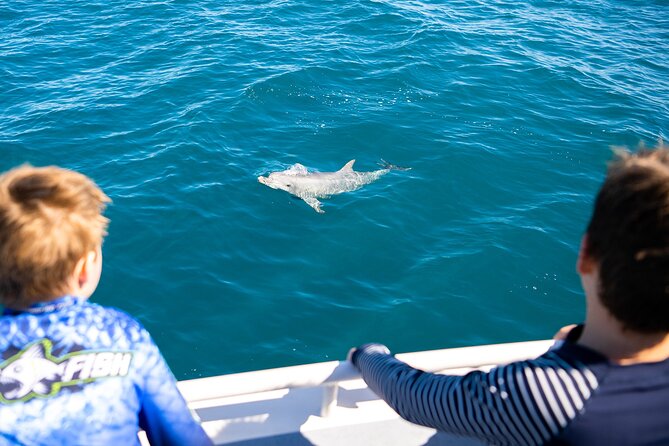
Then comes the dolphin hunt. Dolphins may arrive, move quickly, and change their behavior based on hunting or what else is happening nearby. The guide’s job is to find pods and then decide if a swim is possible. If dolphins are present but not in a situation that allows swimming, you still have a chance to view them close from the boat while the team manages the rest of your time.
What About “Only Long-Nosed Seals”?
This is one of the reasons the tour gets strong ratings. The tour’s materials note that it’s the only operator in South Australia that provides the chance to swim with long-nosed seals. In plain terms: you’re not doing the same generic wildlife cruise you can find elsewhere. You’re doing a specific kind of interaction that’s rare.
The Actual Water Time: Seals Swim, Dolphin Swim, and Coastal Snorkel
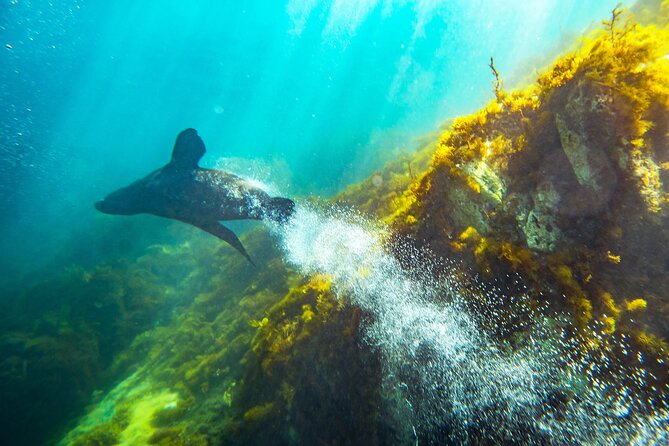
This experience is built around a choice that can shift during the day: swim with dolphins OR among seals, plus coastal snorkeling time.
Here is how it tends to play in practice:
- You start with the fitted gear and safety briefing, then board and cruise to wildlife spots.
- You watch seals and may then swim with them in the water.
- You look for dolphin pods, and if swimming is allowed, you’ll get a dolphin swim.
- If dolphins are not available for swimming, you’ll often still snorkel the coastline for marine life from the water.
One thing to know: wildlife interactions are not guaranteed. The tour clearly states that. If you do get in the water at any stage for coastal snorkeling, seals swim, or dolphin swim, you should also understand the policy that there’s no refund for that segment once you’ve gone in.
When Dolphins Show Up But You Can’t Swim: The Neonate Rule
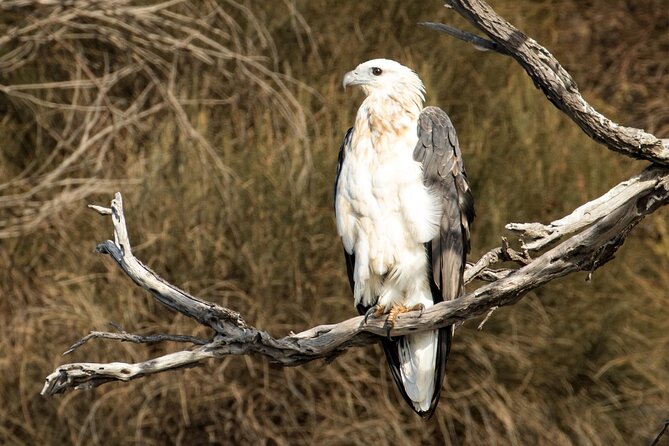
Marine safety can be frustrating, but it’s also why the system works.
For safety reasons, the tour won’t conduct swimming when a dolphin pod has neonates (baby dolphins). You can still observe from aboard the vessel. That means you might see the dolphins up close but not get in with them.
It’s a tough pill if you came for dolphins only. Still, the practical tradeoff is that you get a responsible wildlife experience where the crew is allowed to follow safety rules rather than pushing behavior.
Snorkeling in the Open Ocean: It’s Not Just Swimming, It’s Snorkeling Plus Work
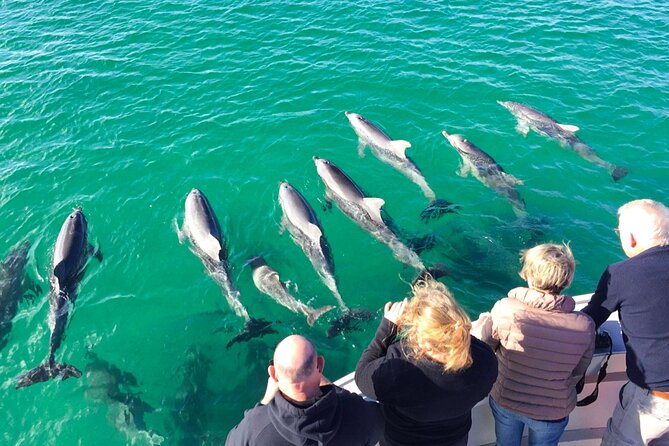
This is called a snorkeling tour, but it behaves like an ocean activity. You’re in cold water, in gear, with a current that can be stronger than a calm pool session.
Past guests point out two common themes:
- Some people want a bit more instruction if they are brand new to snorkeling.
- If you go in feeling confident, you tend to have a smoother time.
You do receive a safety brief and gear fitting before you get in, which helps a lot. Still, treat this as an active swim. If you’re a “float and hope” snorkeler, you may feel the pace.
Also, note the physical side of boarding and exiting the boat. Some guests mention a step getting on and off and the need to hold onto a rope while the crew helps guide you. That means this isn’t the kind of tour to book if you’re limited with arm strength or balance.
Gear and Comfort: What’s Included and What You Should Bring
Included gear and support:
- snorkeling equipment (mask, snorkel, fins)
- wetsuit
- life jacket
- jackets
- sunscreen
- informative commentary
Not included:
- food
That means you should plan your day so hunger doesn’t become the distraction. Bring snacks if you can before you start (or plan meals around your 12:00 pm departure).
What to bring beyond what’s provided:
- a warm jacket for after the water
- anything you need for sun protection on the boat (sunscreen is included, but personal preferences vary)
- your swim-ready mindset for cold water
A Note on Cold-Water Confidence
If you only swim when the pool feels like bath water, this might still be a challenge—but the wetsuits are compulsory for a reason. The suits are often described as 5mm, and that’s a big deal in 14–15°C water.
Price and Value at $139.86: What You’re Really Paying For
At $139.86 per person, you’re paying for three things that are hard to replicate on your own:
- a guided wildlife search with commentary (the crew actually looks for dolphins and seals)
- the gear (wetsuit + snorkeling setup + life jacket + sunscreen)
- the safety system that manages where and when you swim
You’re also paying for the fact that it is a structured small-group marine experience. The tour supports up to 20 travelers, and it runs for about 2 hours. That is a reasonable use of time for a swim-with-wildlife activity.
The one part that can lower value on a given day is unpredictability. If dolphins don’t show up for swimming, you might end up spending more time with seals and general snorkeling. If the wildlife is quiet or conditions are challenging, you may feel you didn’t get the interaction you hoped for. That’s not a hidden surprise—it’s part of how this kind of tour works.
If you’re okay with wildlife being wildlife, the value is solid. If you need guaranteed dolphin swimming no matter what, this may not match your expectations.
Best Fit: Who This Tour Suits (and Who Should Think Twice)
This is best for people who:
- can swim confidently in open water
- can handle cold water for short periods
- want a guided wildlife interaction rather than a long sightseeing cruise
- enjoy being out with a crew that keeps searching until time runs out
The tour notes:
- most travelers can participate
- recommended children are over age 9 for the swimming activity
- not recommended for those with a pacemaker
- not suitable for those who are pregnant (they may be on the vessel, but not in the water)
So if you fall into a “medical caution” category or you know you don’t handle cold well, it’s worth thinking hard before booking.
How Weather and Wildlife Affect Your Outcome
This is a “depends on the day” kind of tour.
Two different things can change your experience:
- wildlife behavior (pods may not approach; dolphins may hunt; seals may be active or not)
- conditions (the experience requires good weather)
The tour also states it’s canceled if weather is poor, with an option for a different date or a full refund. That’s good protection for your planning.
And wildlife is still wildlife. If you get in the water at any stage for snorkeling or swims, the policy is that you don’t receive money back. That’s important to understand before you commit.
Make It Better: My Practical Checklist Before You Go
Here’s how you set yourself up for the best experience in 14–15°C water:
- Wear a warm base layer under any clothing you’ll change into, if allowed by your own comfort needs.
- Bring that warm jacket and use it right after exiting the water.
- If you’re prone to being cold, ask about being double wet suited even if you’re not a child.
- Treat this as an active swim. Hold your focus on breathing and steady movement, not just taking pictures.
- Listen carefully to the safety brief and follow the crew’s cues for entry/exit and pace.
Also, keep expectations flexible. Some days dolphins are playful. Some days they are hunting and moving fast. Some days the neonate rule keeps you out of the water with dolphins. When that happens, the crew shifts to seals and other snorkeling time.
Should You Book This Kangaroo Island Swim With Dolphins/Seals?
Book it if you want a real wildlife encounter that goes beyond sightseeing, and you’re comfortable with the idea that the ocean decides what happens.
I’d say this tour is a great fit when:
- you’re traveling to Kangaroo Island specifically for wildlife
- you like guided structure and safety
- you are okay with either dolphins OR seals being the main swim of the day
Skip or reconsider if:
- you need dolphin swimming to be guaranteed
- you’re not comfortable with cold water or ocean entry/exit
- you have medical reasons listed by the tour (pacemaker; pregnancy water participation)
If you can roll with the wildlife and the cold (wetsuits help a lot), this is one of the more memorable ways to experience Kangaroo Island’s coastal life.
FAQ
Is swimming with dolphins guaranteed?
No. The tour is dependent on what happens with wildlife on the day. It also won’t conduct dolphin swimming when a pod has neonates (baby dolphins), though you can observe them from the vessel.
How cold is the water for this snorkeling and swim tour?
The water temperature is about 14–15°C. Expect it to be refreshing, and wetsuits are compulsory. Kids under 14 are double wet suited, and you can ask to be double wet suited if you’re prone to being cold.
What gear is included?
You’ll be provided with snorkeling equipment (mask, snorkel, fins), a wetsuit, a life jacket, jackets, and sunscreen. Your guide also delivers a safety brief.
What about food during the tour?
Food is not included.
What is the minimum age for kids?
The tour recommends children be over the age of 9 years old to participate in the swimming activity.
Who should not participate?
It’s not recommended for those with a pacemaker. It’s also not suitable for those who are pregnant (they can be on the vessel, but not in the water).