REVIEW · LOS ANGELES
Long Beach: Whale and Dolphin Watching Cruise
Book on GetYourGuide →Operated by Harbor Breeze · Bookable on GetYourGuide
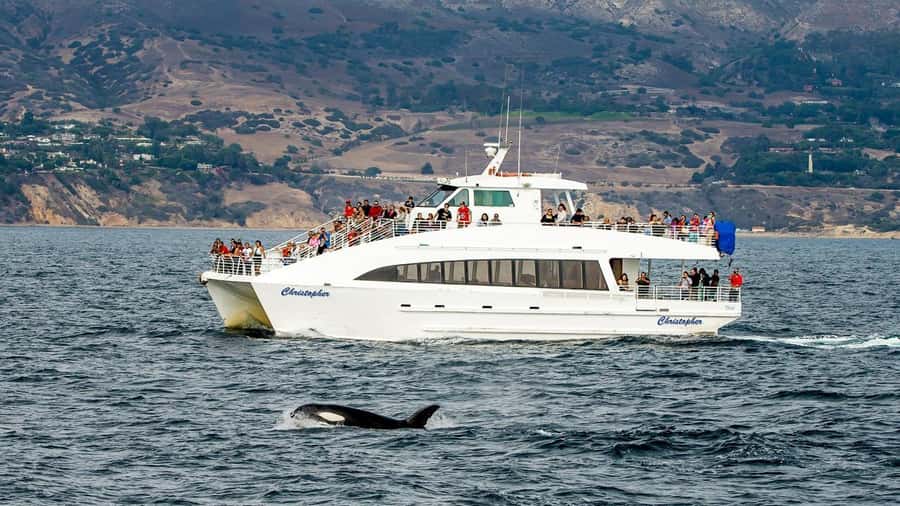
Cold wind, warm sightings—this is serious ocean time. I like that Harbor Breeze runs custom catamarans built for stability, and you get live guidance from Aquarium of the Pacific educators while you scan the water. You’ll also feel the difference of a wildlife-first setup, with low-emission engines designed to keep the ocean as undisturbed as possible.
The main thing to plan for is weather: it can be cold and windy out on the open water, and animal sightings are never 100% guaranteed.
In This Review
- Key highlights before you go
- Why this Long Beach cruise feels tuned for wildlife viewing
- The boat setup: comfort that helps you stay focused
- The 150-minute flow: where the boat goes and what you’ll see
- Starting options in the Long Beach area
- Long Beach waterfront sightseeing
- Past the Queen Mary for big harbor views
- Carnival Cruise Terminal views
- San Pedro Breakwater: the viewing-water transition
- Returning to one of the two departure/drop-off options
- What you’re really hoping to see: whales, dolphins, seals, seabirds
- Whales: humpbacks are a frequent headline
- Other whales show up too
- Dolphins: the part that often steals the show
- Seals, sea lions, and seabirds: the supporting cast
- The narration: why the facts make your eyes work better
- Weather and comfort: your clothing plan for a cold harbor
- Price and value: is $45 a fair deal?
- Who should book this cruise (and who might not love it)
- Should you book the Long Beach whale and dolphin cruise?
- FAQ
- How long is the Long Beach whale and dolphin watching cruise?
- Where do I meet for the tour?
- What’s included in the ticket price?
- Are food and drinks included?
- Is there a guarantee if you don’t see animals?
- What should I wear or bring?
- Is the boat wheelchair accessible?
Key highlights before you go
- Aquarium of the Pacific educators on board with live English narration about what you’re seeing
- Custom-built whale-watching catamarans meant for comfort and a steadier ride
- Ultra-quiet, low-emission engines to support more respectful viewing
- Inside and outside seating, plus panoramic windows when conditions aren’t pleasant
- Sealife Guarantee: if no sealife is spotted, you receive a voucher to return
- Big dolphin moments are common, and humpback whales (sometimes with breaching) show up on many outings
Why this Long Beach cruise feels tuned for wildlife viewing
Long Beach is a handy launch point for Pacific wildlife because you’re close to productive waters where whales and dolphins can show up during the right seasons. This Harbor Breeze cruise leans into that with a boat built for whale-watching, not a generic sightseeing platform.
The biggest vibe shift is the focus on animal welfare. The catamarans run low-emission, ultra-quiet engines, and that matters. It’s not just an eco talking point. When the boat is quieter and less disruptive, you often get longer looks and calmer animal behavior—which is what you want when you’re trying to spot a whale’s breath and not just a distant speck.
There’s also a strong “learn while you watch” approach. You’re not left to guess what you’re seeing out there. Naturalists and educators help you connect the dots fast—what a whale is doing, how dolphins move when they’re feeding, and what the seabirds are hinting at offshore.
You can also read our reviews of more tours and experiences in Los Angeles.
The boat setup: comfort that helps you stay focused
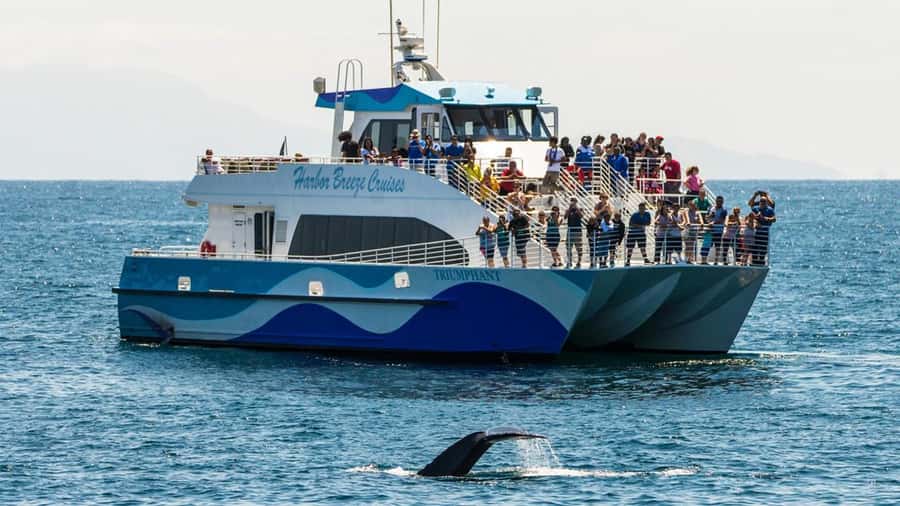
This cruise is all about viewing, so the vessel design is part of the experience. You’ll have inside and outside seating, which is a big deal when the Pacific decides to be windy. I like that you can choose where you sit based on the moment—wind on the open deck, or shelter with climate control and clear views from inside.
Panoramic windows are your friend. Even if the weather turns, you’re not stuck staring through small openings. Multiple restrooms are also included, which sounds basic until you’re two hours into ocean time and your brain is still adjusting to the motion.
Harbor Breeze also lists wheelchair and handicap accessibility on its vessels. If you or someone in your group needs an accessible setup, this is built into the cruise design rather than treated as an afterthought.
One small practical note: on at least one outing, a guest flagged that the boat bathrooms were not as clean as hoped. If you’re sensitive to that, plan to use facilities early and then settle in for the ride.
The 150-minute flow: where the boat goes and what you’ll see
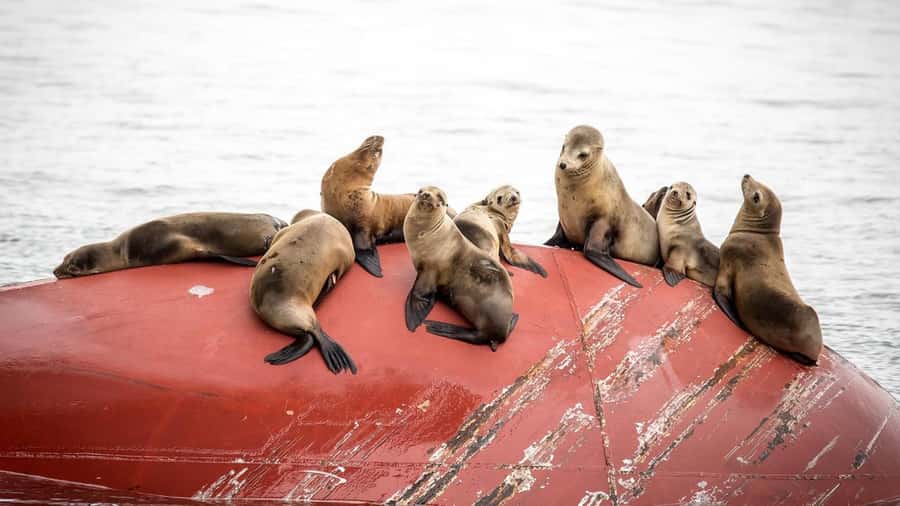
This is a 150-minute cruise that blends classic coastal sightseeing with time out on the water where marine life can appear. Exact timing can vary by season and conditions, but the route pattern is consistent: you start around the Long Beach waterfront area, glide past major landmarks, and then work toward viewing waters where whales and dolphins are possible.
Starting options in the Long Beach area
You’ll meet at one of two nearby departure points: LA Waterfront Cruises or Harbor Breeze Cruises. Either way, the plan is to get you quickly onto the water and into the scanning phase—when the first seabirds lift and birds start circling low, you’ll want eyes ready.
Long Beach waterfront sightseeing
As you leave, you’ll get shoreline views tied to the Long Beach harbor area. This is the moment to settle in, grab a seat, and let your guide set expectations. The naturalists don’t just recite facts—they point out what to look for first, like the telltale signs of surface activity.
Past the Queen Mary for big harbor views
The route includes sightseeing around the RMS Queen Mary area. Even if your main goal is whales and dolphins, this stop adds a memorable visual contrast: ocean wildlife hunting happens just offshore, while the harbor itself shows off one of Long Beach’s best-known landmarks.
If you’re traveling with someone who wants both “nature and place,” this is a good balance. It also gives you a chance to get oriented on what direction you’re traveling and how the boat positions for viewing.
Carnival Cruise Terminal views
Next you’ll pass the Carnival Cruise Terminal – Long Beach zone. This part of the route is useful for orientation and timing. When you’re trying to spot whales, you’ll learn the rhythm of the trip—scan, pause, listen, then scan again. Harbor areas can be noisy and crowded visually, so it’s nice to have a structured flow that doesn’t leave you wondering what’s happening.
San Pedro Breakwater: the viewing-water transition
The itinerary includes San Pedro Breakwater for sightseeing. This is the kind of stop that usually signals you’re getting closer to waters where marine life sightings are more likely. It’s also a good time to check the wind and dress accordingly—many people feel the cold hit more once you’re fully out where the breeze funnels across the water.
Returning to one of the two departure/drop-off options
At the end, the drop-off mirrors the start locations: LA Waterfront Cruises or Harbor Breeze Cruises. The return timing stays within the total cruise duration, so you can plan the rest of your day with a clear idea of when you’ll be back.
What you’re really hoping to see: whales, dolphins, seals, seabirds
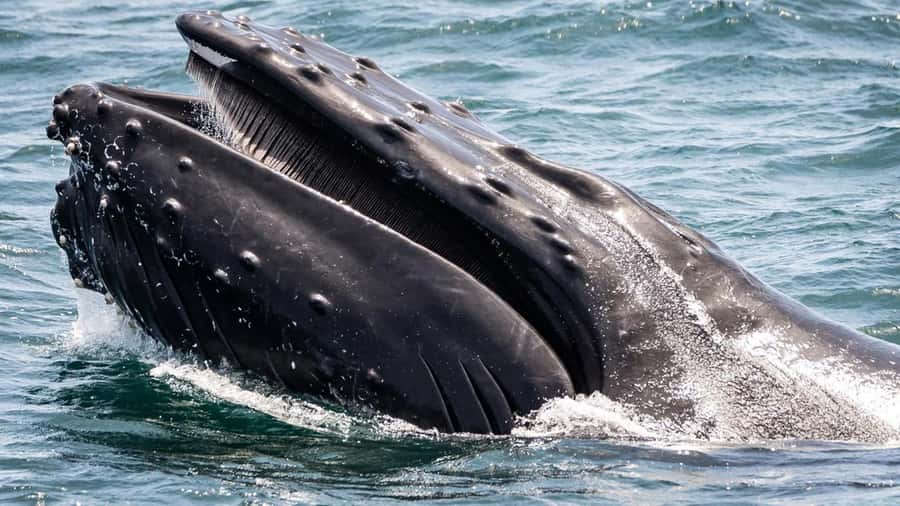
Let’s be honest: you’re paying for the Pacific to do its thing. And this cruise often delivers more than one species in a single outing.
Whales: humpbacks are a frequent headline
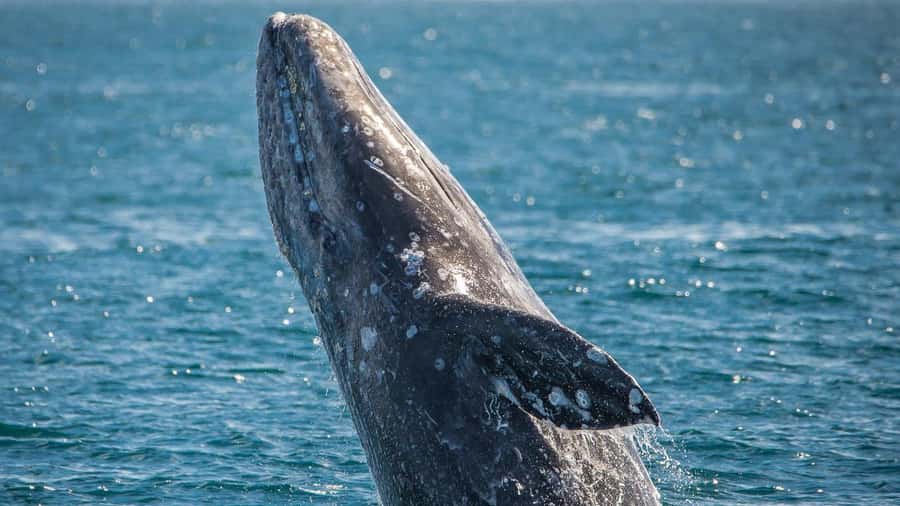
Many trips include humpback whales. You’ll hear details about their behavior and what their surface patterns mean—like when to watch for breath, how they move, and what it looks like when they’re more active.
Some outings go further than a standard sighting. Guests have described dramatic moments like humpbacks breaching repeatedly, including at least one report of a whale showing off near the boat area. Those are the stories you’ll remember—and they happen often enough that it’s worth booking without being overly cynical.
Other whales show up too
Other whale sightings listed include minke whales and even a fin whale on at least one outing. Rarely, an orcas sighting also appears in the mix. The key is to remember these are possibilities, not promises.
Dolphins: the part that often steals the show
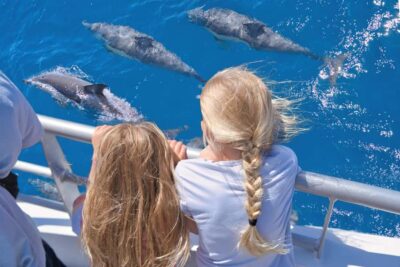
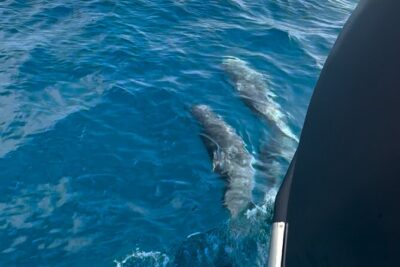
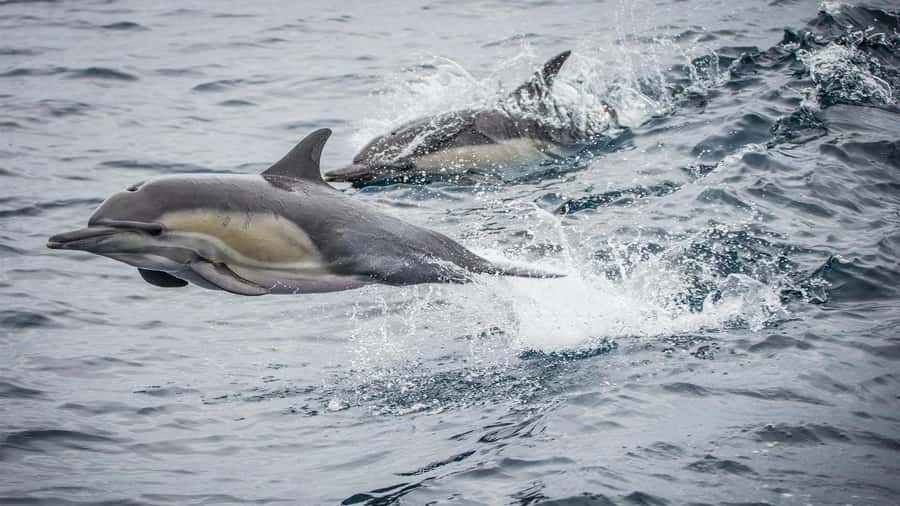
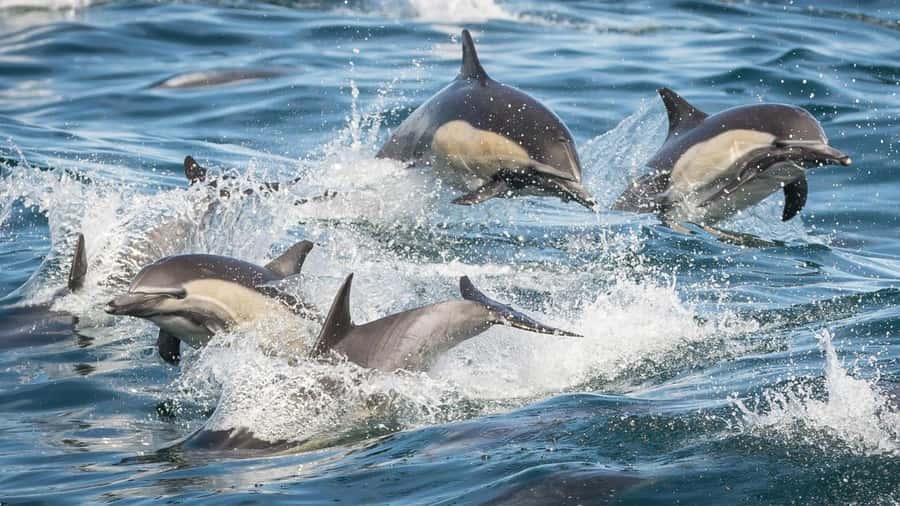
Dolphins show up frequently and can be the most fun, because they’re more likely to swim near the boat and switch directions quickly. Guests have described everything from pods moving alongside the route to big feeding or social moments that create nonstop viewing.
If you’re traveling with kids or a non-scientist who just wants to have an amazing time, dolphins can deliver fast. Even if the whales don’t cooperate that day, dolphins can still make the cruise feel like a win.
Seals, sea lions, and seabirds: the supporting cast
You might also spot seals and sea lions, plus seabirds that can help clue you into where bait and marine activity are happening. Seabirds are like the sky’s navigation system out there.
The narration: why the facts make your eyes work better
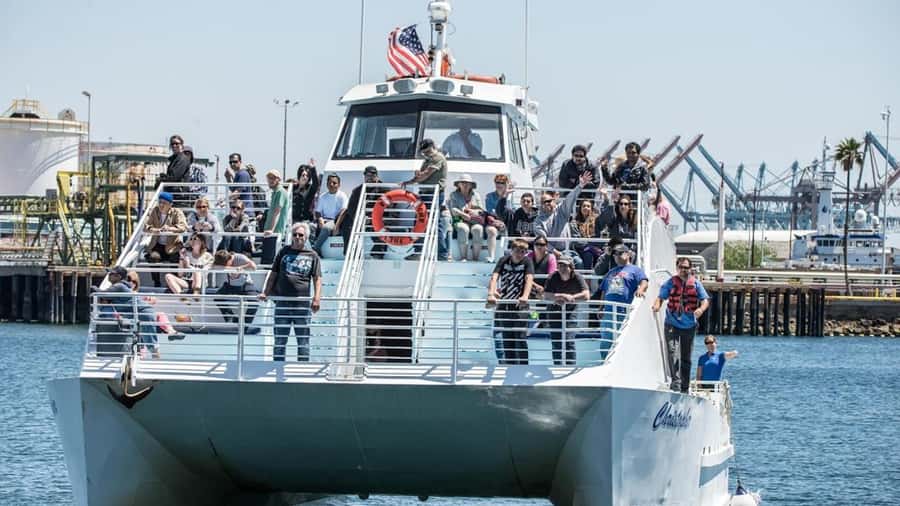
This is one of the strongest parts of the cruise. The onboard educators are from the Aquarium of the Pacific, and the narration is live English with both a naturalist-style layer of education and an onboard MC who keeps the energy moving.
What you’ll gain isn’t a textbook. It’s practical viewing knowledge. You’ll learn what behaviors to watch for and what might explain why animals appear where they do—like how whales surface and how dolphins move when they’re active.
Many people come away saying the guide’s excitement is contagious. That matters because whale watching isn’t just visual. It’s attention. When someone can point you toward the right patterns—rather than just saying, Whale, over there—you spot more in less time.
Weather and comfort: your clothing plan for a cold harbor
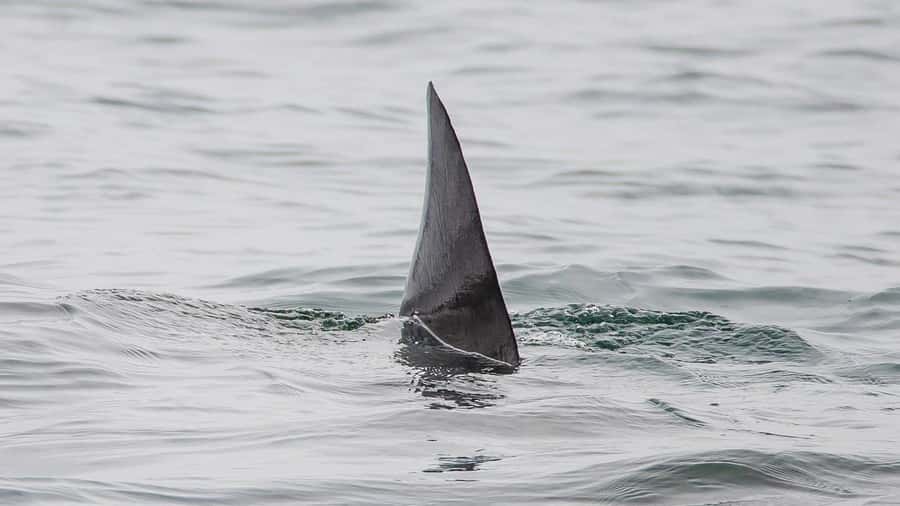
Even in good weather, a harbor cruise can feel chilly once you’re out in open wind. More than one rider specifically recommended warmer layers—especially a windbreaker—once the boat gets moving.
Here’s how I’d pack for this kind of cruise:
- A wind-resistant layer you can put on quickly
- Warm socks or thicker footwear if you get cold easily
- Comfortable shoes (you’ll be shifting stance and turning to watch)
- A hat or hood if you’re prone to wind chills
If it’s rough out, the nice part is you can switch locations. Sit outside if conditions are pleasant. Move inside if the wind ramps up. The goal is to keep your attention on the water, not on your teeth chattering.
Price and value: is $45 a fair deal?
At $45 per person for about 2.5 hours, you’re paying for a mix of things: a purpose-built whale-watching catamaran, expert educators, and a structured outing that targets wildlife rather than just cruising the bay.
Compared to simple harbor tours, the value here is the learning and the wildlife focus. The Aquarium of the Pacific educators aren’t just optional extras. They’re part of the core experience, and that changes what you get out of the time you spend offshore.
Also, Harbor Breeze lists a Sealife Guarantee: if no sealife is spotted, you receive a voucher to join again in the future. That doesn’t eliminate the natural uncertainty of wildlife watching, but it helps you feel better about taking the gamble.
One more value note: food and drinks are not included. That’s not automatically a deal-breaker, but plan for it. If you want to snack during the cruise, budget for buying food/drinks elsewhere before you go or bring what you’re allowed to bring (the cruise details don’t list outside food policy here, so check with the operator when you book).
Who should book this cruise (and who might not love it)
This is a great pick if you:
- Want a whale-and-dolphin focused outing in a manageable time window
- Like guided wildlife viewing with live narration from Aquarium educators
- Need comfort options like inside seating and panoramic views
- Travel with a mixed group (some want nature, some want clear, entertaining commentary)
It may feel less ideal if:
- You hate cold wind and don’t plan for layers
- You need guaranteed whale sightings (the cruise offers a sealife guarantee, not a whale guarantee)
- You’re expecting a full onboard meal service (food and drinks aren’t included)
Should you book the Long Beach whale and dolphin cruise?
I think you should book if you want a high-attention, wildlife-first cruise that’s built for actual viewing. The combination of quiet, low-emission catamarans, live Aquarium education, and a route that pairs landmark sightseeing with time out on the water is a smart use of a morning or afternoon.
Just don’t plan the day assuming whales are guaranteed. Plan as if you’ll see dolphins and maybe other sealife, then treat whale sightings as the big bonus. If you dress for wind, get a comfortable viewing spot early, and let the naturalists guide your scanning, this kind of outing can turn into a core memory fast.
FAQ
How long is the Long Beach whale and dolphin watching cruise?
The cruise duration is about 150 minutes (roughly 2 to 2.5 hours).
Where do I meet for the tour?
You’ll meet at one of two starting location options: LA Waterfront Cruises or Harbor Breeze Cruises. The meeting point can vary based on the option you book.
What’s included in the ticket price?
Included items are live English narration, expert educators from the Aquarium of the Pacific, seasoned captains and crew, inside and outside seating, climate-controlled interiors, restrooms, panoramic windows, parking validation options (not parking itself), and the Sealife Guarantee voucher if no sealife is seen.
Are food and drinks included?
No. Food and drinks are not included.
Is there a guarantee if you don’t see animals?
Yes. If the crew does not see any sealife, you’ll be issued a free voucher to join again in the future.
What should I wear or bring?
Comfortable shoes are recommended, and bringing warm layers is a good idea because it can get cold and windy out on the water.
Is the boat wheelchair accessible?
Yes. Wheelchair and handicap accessible vessels are available.