REVIEW · MAUI
Maui Eco-Raft Tour: Eye-Level Whale or Dolphin Watching – Lahaina
Book on Viator →Operated by Hawaii Ocean Rafting · Bookable on Viator
Whales feel close on a tiny raft. This Lahaina tour puts you at eye level on a low-to-the-water zodiac, with a marine-naturalist guiding you through what’s happening in Maui’s waters. In whale season, you can even listen for real whale songs through a hydrophone.
Two big things I love about it: the sightlines from the raft make spotting easier, and the naturalist narration turns a random swim in the dark of ocean time into a clear story of humpback behavior. One thing to consider: this is a wet, bouncy boat trip with strict safety limits, so it’s not for pregnant people, kids under 3, or anyone with back/neck issues—and you’ll get spray and possibly light rain.
In This Review
- Key Things I’d Zoom In On
- Eye-Level Zodiac Views: Why This Raft Works for Spotting
- Dec to Apr Whales, Summer Dolphins: What Changes by Season
- Marine Naturalists and the Hydrophone: Learning Without the Lecture
- The 2.5-Hour Rhythm: What the Trip Feels Like
- Stop 1: Lahaina Waters and the Early Scanning Game
- Stop 2: Maui Open-Water Motion and Photo-Friendly Pauses
- Dolphin Season Upgrade: Snacks, Coast Views, and the Shade Reality
- Practical Tips That Make or Break Comfort on a Raft
- Who This Tour Fits Best (and Who Should Skip It)
- Price and Value: Is $85.16 Worth It?
- Booking Wisely: A Few Things to Watch Before You Pay
- Should You Book This Maui Eco-Raft Tour?
- FAQ
- Where does the Maui eco-raft whale or dolphin tour depart from?
- How long is the tour?
- What season is best for whales vs. dolphins?
- Are whale and dolphin encounters guaranteed?
- Who can join the raft?
- What’s included on board?
- What should I bring or avoid bringing?
- FAQ
- What if weather causes the tour to be canceled?
- Is hotel pickup included?
- Is BYOB allowed?
- Is this a crowded tour?
Key Things I’d Zoom In On
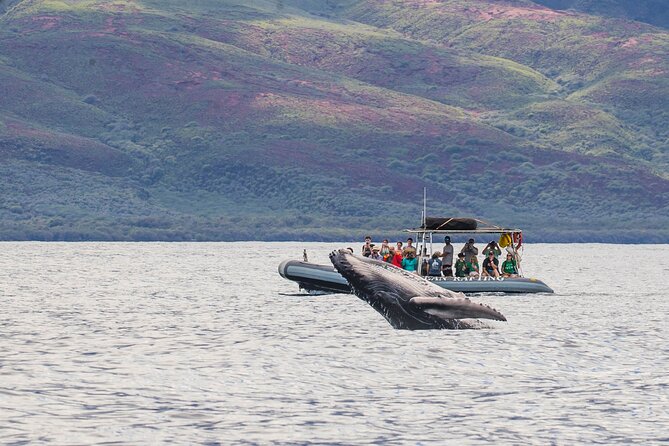
- Eye-level spotting from a zodiac raft with unobstructed views at the waterline
- Hydrophone for whale songs during the December–April humpback season
- Marine-naturalist narration in real time while you search, not just after you find whales
- Small group feel with a maximum of 25 people, and a setup that still gets close to the action
- Expect to get wet (ocean spray and light rain), plus shade that can be limited
- Season swap: whales in winter, dolphins and coastal sightseeing in summer, with snacks on dolphin tours
Eye-Level Zodiac Views: Why This Raft Works for Spotting
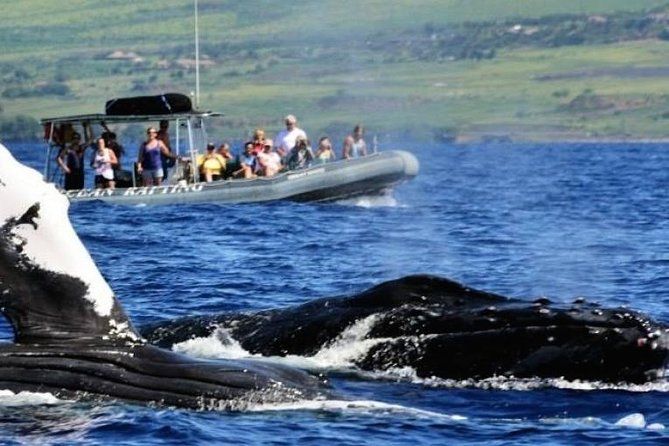
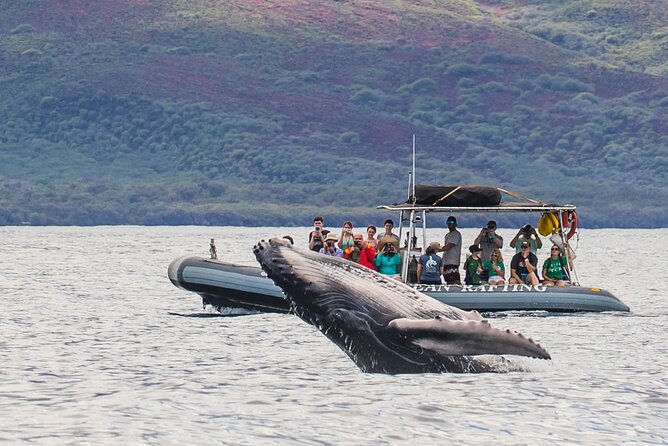
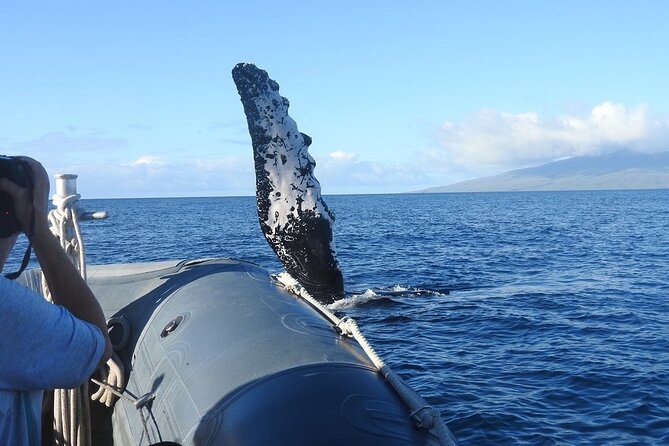
The best part of this tour is the platform. You’re not up high on a big vessel looking down at the ocean. You’re low and closer to the waterline, so when a whale lifts a tail fluke, rises for air, or moves just under the surface, you have a better chance of catching it fast.
That eye-level setup matters because whales don’t announce themselves. Even when the whales are nearby, you’re still scanning constantly. With the raft sitting low, your eyes don’t have to fight the horizon as much. In plain terms: you spend less time guessing and more time seeing.
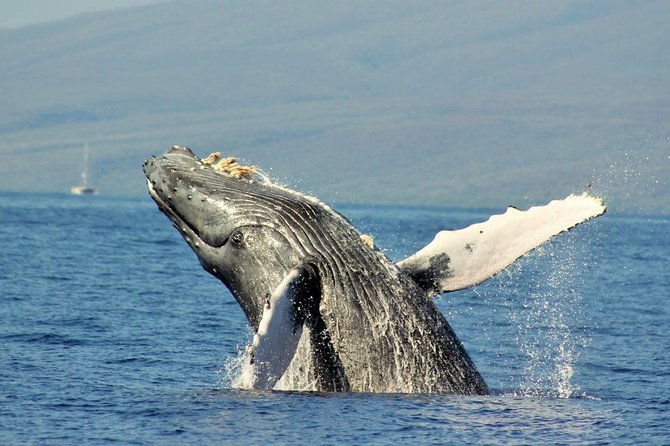
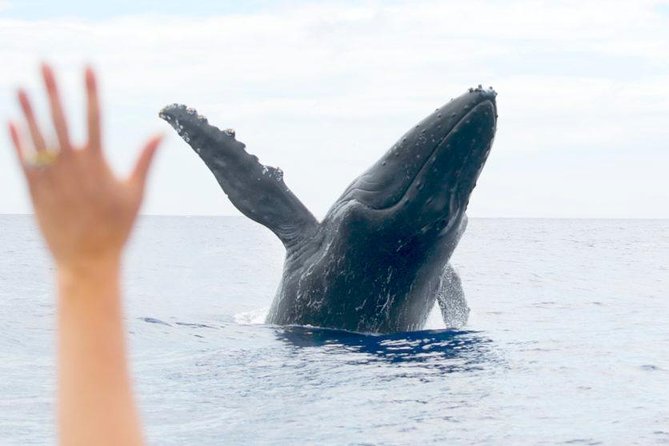
And when the crew finds activity, the raft stops at any sight of whales. That short pause is a gift for photos, too. Instead of passing by at speed while you’re still framing the shot, you get the moment to catch the behavior—breaches, flipper movements, and those quick exhale-and-dip cycles that are easy to miss from higher decks.
You can also read our reviews of more tours and experiences in Maui.
Dec to Apr Whales, Summer Dolphins: What Changes by Season
This experience is seasonal, and your expectations should match the calendar.
- December to April: you’re looking for migrating humpback whales. This is the time the tour can include hydrophone listening for whale songs, and the narration focuses on humpback behavior in Maui’s waters.
- Summer months: the focus shifts to dolphin watching and coastal sightseeing. You’ll still be out on the raft, still listening to marine-naturalist info, but the “soundtrack” changes with the animals you’re most likely to see.
If you’re traveling outside the humpback months, don’t treat it as a lesser trip. Dolphins can be energetic, and coastal sightseeing from a small raft gives a different kind of Maui feel: more “up close with the coastline” than “stand in one place waiting for a whale.”
Marine Naturalists and the Hydrophone: Learning Without the Lecture
This tour is built around two types of information: what you can see right now, and what you’re hearing.
A marine naturalist rides with you and calls the action as you go—where the animals are moving, what you should look for at the surface, and how the local Hawaiian ecosystem connects everything together. It’s not just facts. The guide ties the behaviors you spot to why they’re happening.
Then comes the hydrophone in whale season. Hearing whale songs makes the experience feel less like luck and more like communication. You might not see a whale at that exact second, but the sound can clue you in that activity is nearby. It’s also one of those rare “this is specific to this time of year” reasons to book this tour rather than any random boat ride.
The 2.5-Hour Rhythm: What the Trip Feels Like
Tours run about 2 hours 30 minutes and leave promptly. They require you to arrive 30 minutes prior to boarding, or you risk missing the tour. Once you check in at the Front Street meeting area, you board the raft and get to the scanning stage quickly.
The pacing is the key. You aren’t stuck doing one long stretch of “maybe someday.” The crew searches, and when whales (or dolphins) show themselves, the raft adjusts to the moment. That stop-at-sighting approach is why people leave with the feeling of actually being part of the action, not just watching from the sidelines.
Group size also affects the rhythm. This isn’t a giant crowd. The max is 25 travelers, and it often feels even smaller in practice (people report around a mid-teens number aboard). That means the guide can keep everyone in the loop, and you’re not permanently blocked by a stranger’s phone.
Stop 1: Lahaina Waters and the Early Scanning Game
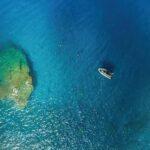
You start from 1223 Front St, Lahaina, HI 96761, and the first phase is about getting eyes on the water and warming up your whale-detection skills.
Lahaina waters are where the search begins. The crew’s job is to find the signs that indicate whales are active—surface activity, movement patterns, and time-of-day timing that matters. During this phase, you’ll feel the benefit of the raft’s low profile right away. You can spot the earliest changes—small breaches, quick tails, spouts—without craning.
This is also when the naturalist narration starts to land. Even if you’re not an expert on humpbacks, you’ll learn what the behaviors mean, which reduces the “what am I looking at?” confusion.
A practical note: this part of the experience is active. You’ll be scanning and repositioning with the raft. So wear clothes you don’t mind getting ocean spray on and bring footwear that won’t turn into a slip hazard.
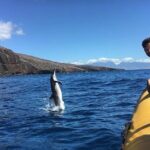
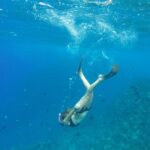

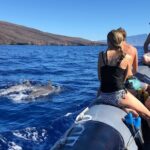
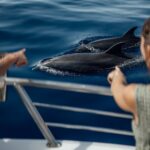
Stop 2: Maui Open-Water Motion and Photo-Friendly Pauses
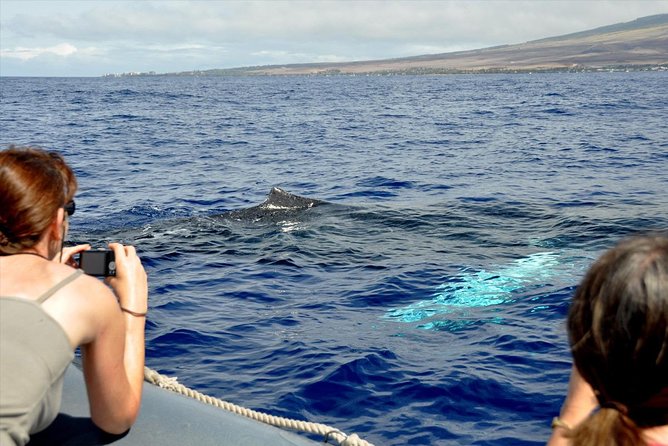
Once the crew finds activity, the raft keeps working the area. This is where you get the eye-level views that people rave about—mothers and calves, escorting behavior, and those quick moments where the whole surface changes in seconds.
When whales are sighted, the raft stops. That matters for two reasons:
- Photos get easier. You’re not trying to capture a moment while you’re racing past it.
- You see more behavior. Instead of one quick pass-by, you might catch multiple action cycles.
You’ll also notice how the crew manages sightlines. Multiple guide-team combos have been praised for keeping the group coordinated—reminding people when to sit so others can see, and generally running the boat in a way that keeps everyone included.
Guide names you may hear (depending on your date) include Captain Jack and marine biologist Jess—teams like those show up repeatedly in accounts. Others you might see in different departures include Captain Mark with guides such as Olivia, plus crews like Captain Steve and first mates mentioned by name. Different people, same goal: find whales and keep you informed while you’re watching.
Dolphin Season Upgrade: Snacks, Coast Views, and the Shade Reality
If you book during summer, you’re signing up for dolphin watching plus coastal sightseeing. The vibe shifts from “humpback hunting” to “find the fast movers,” with the naturalist helping you read the shoreline and water activity.
The dolphin option includes snacks and beverages. One detail worth knowing: the included food and drinks can be simple rather than a big spread—often centered on essentials like water available upon request. If you’re a heavy snacker or a picky water drinker, bring your own comfort snacks just in case, since the tour isn’t positioned as a full meal service.
Shade is variable on the boat, so don’t assume you’ll be sheltered from sun. Many people do fine with sunscreen and a hat, but if you burn easily, treat this as a sun day first and a whale day second.
Practical Tips That Make or Break Comfort on a Raft
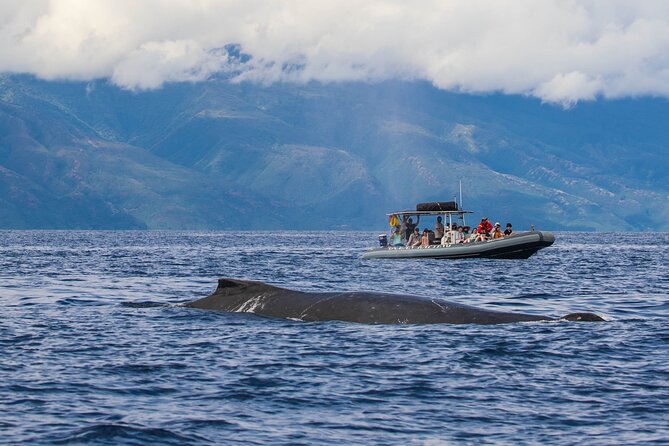
Plan for spray. This is a low to water boat, and ocean spray and light rain can happen even in decent weather. Life jackets are provided, but they’re not required to be worn during the tour.
Here’s what to do so you’re not miserable:
- Bring sun protection: hat, sunglasses, and reef-safe sunscreen. Shade varies, and the water reflects light.
- Pack a warm layer if you run cold: even short ocean trips can feel chill when the wind picks up.
- Bring slip-on shoes. People have noted you’ll remove footwear when entering the raft.
- Use the right sunscreen: no spray sunscreen is allowed; use reef-safe rub-on only.
- Expect ponchos if needed: there are ponchos available, and adding a jacket underneath can help a lot when it’s wet and chilly.
Also keep in mind boarding needs. Physical mobility is required due to the boarding location. If you have trouble stepping, balancing, or moving down to the raft, this is worth thinking through before you buy.
Who This Tour Fits Best (and Who Should Skip It)
This one is tailor-made for people who want close-up ocean time without the chaos of party-boat crowds.
You’ll likely love it if:
- You want high-probability whale spotting tools (eye-level views) rather than crossing your fingers on a tall ship
- You enjoy nature guides who explain what you’re seeing in the moment
- You like the idea of hearing whale songs through a hydrophone during season
- You’re traveling as a couple, solo, or family with kids age 3+ and you can handle a wet ride
You should probably skip it if:
- You’re pregnant (not suited for safety reasons)
- You have back/neck injuries
- You’re traveling with a child under 3 (no babies allowed on the raft)
- You’re expecting a totally dry, gentle cruise
The tour is also not a guaranteed wildlife encounter situation. Up-close sightings aren’t promised because animals are wild and move on their own schedule.
Price and Value: Is $85.16 Worth It?
At $85.16 per person, this isn’t a budget deal, but it also isn’t trying to be a luxury yacht. The value comes from three places:
- The viewing angle. Eye-level spotting from a zodiac raft is the whole product. You pay for the chance to see behavior clearly, not for a fancy interior.
- The marine-naturalist + hydrophone (in season). Whale watching can turn into hours of staring. Here, the sound component and narration give you something active to pay attention to—even if the first sighting takes a minute.
- Small-group feel. With a cap of 25, you’re not sharing the experience with a wall of bodies and phones.
Is it pricey? Slightly. But if whale and dolphin watching is a top Maui priority for you, this is the kind of outing that can justify the cost because it delivers on what most people actually want: close, readable wildlife moments.
Booking Wisely: A Few Things to Watch Before You Pay
Before you book, match your expectations to the real rules of ocean wildlife.
- Arrive early. The tour leaves promptly, and you must be there at least 30 minutes prior to board.
- Encounters aren’t guaranteed. You can have a slow start and then get action later, but no operator can promise sightings every time.
- Weather matters. The experience requires good weather. If it’s canceled due to poor conditions, you should be offered another date or a full refund.
If you’re traveling in peak whale months (Dec–Apr), booking ahead makes sense. This tour is commonly booked about 37 days in advance, which tells you it’s popular for a reason.
Should You Book This Maui Eco-Raft Tour?
I’d tell you to book it if you want the most “hands-on” whale or dolphin viewing style you can get from land-based Maui, and you’re comfortable with a wet, active boat ride. The low-to-the-water zodiac setup is the main reason to choose it, and the hydrophone and marine-naturalist narration add real substance.
I’d skip it if you need a dry, easy ride, can’t handle getting wet, or fall into the safety limits (pregnancy, under-3 kids, or back/neck injuries). Also, if your number-one goal is a guaranteed whale sighting no matter what, adjust your mindset: wild animals don’t sign contracts.
If your goal is a memorable Maui ocean experience with clear viewing and real explanations, this is a strong bet.
FAQ
Where does the Maui eco-raft whale or dolphin tour depart from?
The tour starts at 1223 Front St, Lahaina, HI 96761, USA. It also ends back at the meeting point.
How long is the tour?
The experience lasts about 2 hours 30 minutes.
What season is best for whales vs. dolphins?
It’s whale watching from December to April. During summer months, it shifts to dolphin watching and coastal sightseeing.
Are whale and dolphin encounters guaranteed?
No. Encounters vary in the wild, and up-close sightings are not guaranteed.
Who can join the raft?
Guests must be three years of age or older. No babies under 3 are allowed, and the tour is not suited for pregnant people. It’s also not suited for those with back or neck injuries.
What’s included on board?
The tour includes marine naturalist narration and, in whale season, hydrophone listening to whale songs. On dolphin tours, snacks and beverages are included. Life jackets are provided for emergencies.
What should I bring or avoid bringing?
Plan to get wet. Bring sun protection like a hat and sunglasses, and use reef-safe rub-on sunscreen (no spray sunscreen is permitted). Wear appropriate footwear for boarding, and expect shade to vary.
FAQ
What if weather causes the tour to be canceled?
If the experience is canceled due to poor weather, you’ll be offered a different date or a full refund.
Is hotel pickup included?
No, hotel pickup and drop-off are not included.
Is BYOB allowed?
BYOB is not included, and if you bring it, the guidance is plastic or cans only.
Is this a crowded tour?
It’s kept to a small group setting with a maximum of 25 travelers.