REVIEW · MONTEREY
Monterey: Monterey Bay Dolphin and Whale Watching Boat Tour
Book on GetYourGuide →Operated by Chris' Fishing and Whale Watching · Bookable on GetYourGuide
A gray whale breach can happen fast. This 3-hour cruise out of Old Fisherman’s Wharf mixes close-up action with a real focus on Monterey Bay’s fragile ocean life, including kelp forest habitat. I especially like the way you get both big-moment wildlife sightings and practical, safety-minded guiding from the boat team, with names like Kevin, Lauren, and Captain Harry showing up across departures. The one drawback to plan for: it’s not suitable for wheelchair users, and the water can get choppy, so you’ll want to come ready for a boat ride.
You’ll start near the wharf, learn what to look for as the coast falls away, then push out toward where sightings are most likely. Depending on the day, I’d expect a mix of gray whales, humpbacks, killer whales, dolphins, sea turtles, seals/sea lions, and even sharks, plus birds overhead and around the harbor. For $62, the value is that you’re paying for a guided boat hunt (with expert eyes), not just a scenic cruise—and many departures run close enough to make your photos feel like they belong in a wildlife field guide.
In This Review
- Key things that make this Monterey Bay whale watching tour worth your time
- Old Fisherman’s Wharf to open water: your first wildlife cue
- The guided ocean game plan: how spotting actually works
- The whales and dolphins you’re hoping to see (and what to watch for)
- Gray whales: the breach factor
- Killer whales (orcas): classic black-and-white moments
- Humpback whales: migration and behavior context
- Dolphins, porpoises, and sea life
- Seals, sea lions, and seals near the coast
- Sharks: a wild-card sighting
- What the shoreline facts add to the experience
- Time on the water: why 3 hours hits the sweet spot
- The boat, the guide team, and the safety vibe
- What to bring (so your trip is smooth from start to finish)
- Who this tour is best for
- Value check: $62 for a guided Monterey Bay wildlife hunt
- If the water gets choppy: how to handle it
- Should you book this Monterey Bay dolphin and whale watching cruise?
- FAQ
- Where does the tour start and what’s the parking address?
- How long is the Monterey Bay dolphin and whale watching cruise?
- How much does it cost?
- What wildlife might I see during the tour?
- Is there a live guide?
- What should I bring?
- Is the tour suitable for wheelchair users?
- What’s the cancellation policy?
- Does booking include the boat cruise?
Key things that make this Monterey Bay whale watching tour worth your time
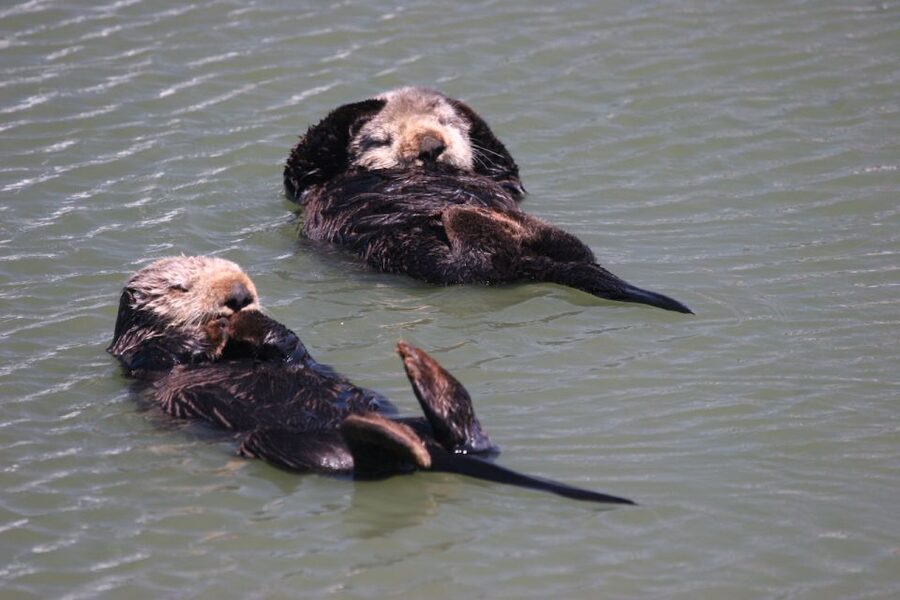
- Old Fisherman’s Wharf start: you get wildlife watching right from the harbor area before you even reach open water
- Big-species thrills, close range: gray whale and killer whale activity is a recurring highlight when conditions line up
- Habitat lessons, not just sightings: kelp forest ecology and humpback migration/mating patterns come up during the tour
- More than whales: sea turtles, bottlenose dolphins, porpoises, seals/sea lions, and sharks can all show in the same outing
- Small-boat feel on some departures: reports of around 15 people help keep sight lines better when whales surface
Old Fisherman’s Wharf to open water: your first wildlife cue
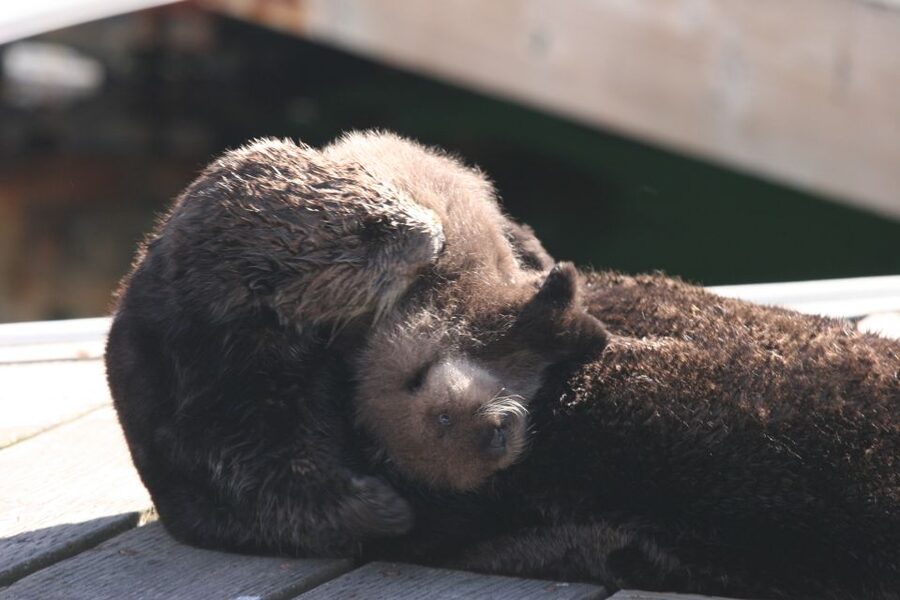
The tour begins at Old Fisherman’s Wharf, with boarding at the wharf area (Parking is listed as 201 Washington Street, then continue to 48 Fisherman’s Wharf #1, Monterey, CA 93940). Even before you’re far offshore, you’re already in a wildlife zone. Look for birds tracking fish and for harbor-area animals like otters and sea life that move along shallow banks.
What I like about this start is simple: it warms you up for the rest of the day. You’re not waiting around on a boat with nothing happening. The guide also uses the early part of the cruise to set your “watching lens,” so when you reach the more whale-focused waters, you’re not just hoping—you’re knowing what to scan for.
One practical note: the wharf area can be busy. Give yourself a little cushion so you’re not rushed when it’s time to board.
The guided ocean game plan: how spotting actually works
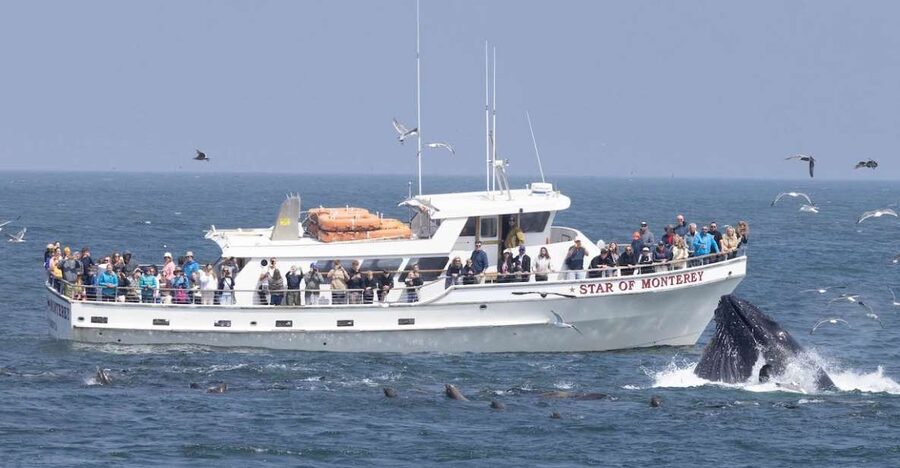
Once you’re out in Monterey Bay, the tour becomes a moving search—guided by people who know where to look and how to react when animals show surface activity. A common pattern on this kind of cruise is that sighting chances improve as you head away from the immediate shoreline, so the captain and naturalist keep an eye on conditions while the guide explains what you’re likely to see next.
You’ll hear about Monterey Bay’s ecological importance, including the idea that this is an extremely diverse marine system. The tour also ties animals to habitat, so you’re not just watching whales as spectacle—you’re connecting what you see to the living environment that supports it, including nearby kelp forest areas.
You’ll also learn how to interpret behavior. For instance, the tour includes discussion of seasonal humpback migration and mating patterns, which helps you understand why whales show up when they do and why certain areas may draw them.
The whales and dolphins you’re hoping to see (and what to watch for)
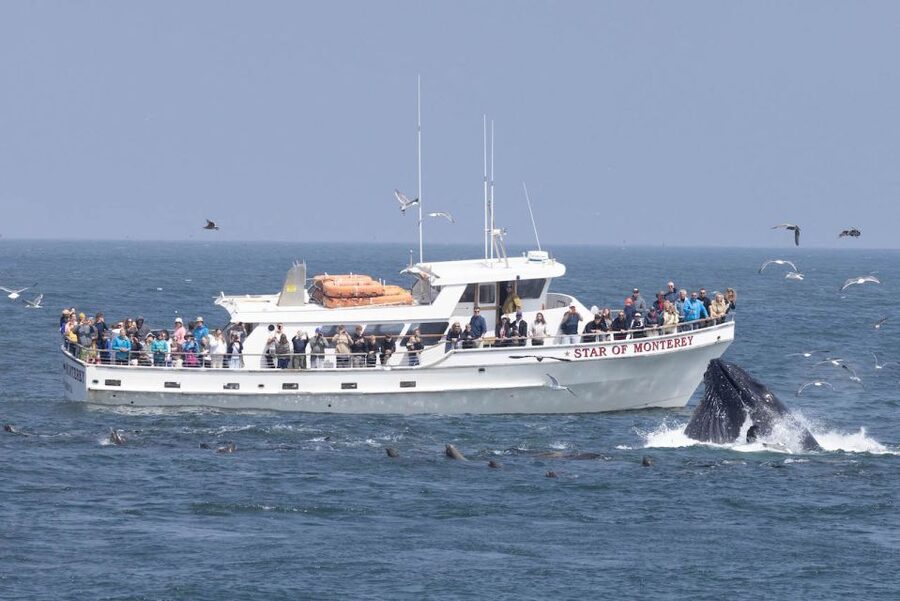
Here’s where Monterey Bay can steal the show. The highlights call out gray whales and killer whales with dramatic leaps, and the overall animal list is wide. On a good day, it’s not one big moment—it’s repeated chances.
Gray whales: the breach factor
Gray whales are a major draw. The experience is described as adrenaline-inducing when gray whales leap from the water, and on some departures sightings are close enough that your senses shift from “watching” to “reacting.” If you’re a photo person, this is also where you’ll want your camera ready early—breaches don’t wait for you to get set.
Killer whales (orcas): classic black-and-white moments
Killer whales are another headline species. The tour information specifically points to their black-and-white look, and you’ll want to keep an eye out for them as the captain works the area. Even when orcas are not breaching, you may spot them traveling and foraging in ways that look purposeful, not random.
Humpback whales: migration and behavior context
Humpback whales come up as part of the tour’s learning component, including migration and mating patterns. On the water, humpbacks are often easiest to see by their surface activity. If you’re lucky, you’ll see pairs and extended surfacing behavior, which gives you more than a quick glance.
Dolphins, porpoises, and sea life
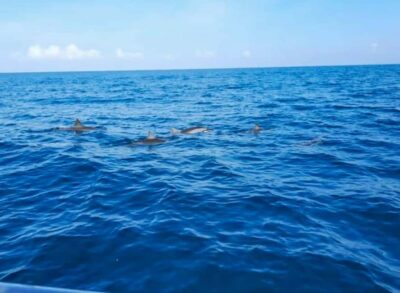
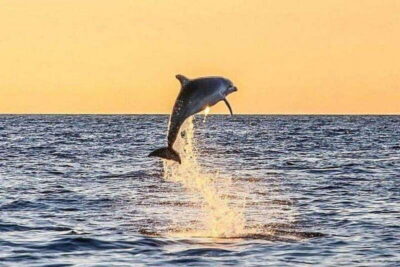
The tour expects dolphins like bottlenose dolphins, and it also mentions porpoises. Dolphins in particular can bring energy: they may leap, track the boat, or move in quick bursts. Even if the whales are the main target, these moments help fill in the “action gaps” between larger animal sightings.
Sea turtles are also listed as a possibility. If a turtle surfaces, it can be brief—so focus on motion and small changes on the water rather than staring at one spot too long.
Seals, sea lions, and seals near the coast
You may see harbor seals, and the tour also lists elephant seals. The reviews add more detail on sea lion behavior, including feeding-related activity that can happen when the food chain gets active. If you see sea lions working an area, don’t assume it’s a random stop—treat it like a cue that the water is productive right there.
Sharks: a wild-card sighting
Sharks are explicitly listed as possible. That doesn’t mean you’ll definitely see one, but knowing they’re part of the local ecosystem helps you keep your eyes open for any unexpected fin shapes.
What the shoreline facts add to the experience
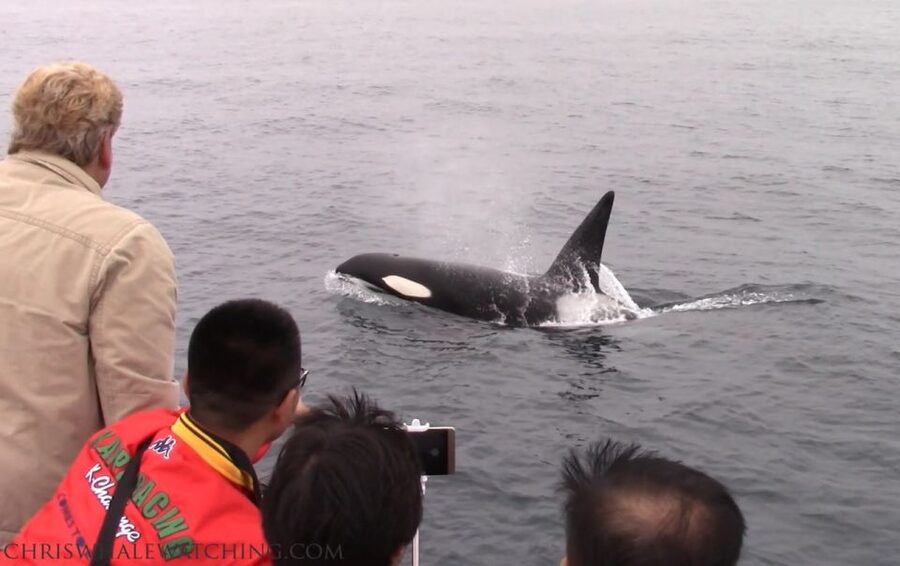
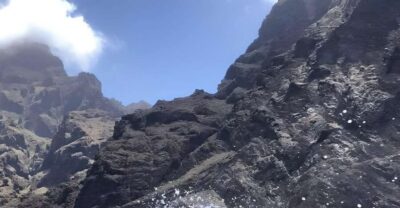
Monterey Bay is more than open water. The tour ties the sightings to the coast, mentioning sandy beaches and rocky ledges. That matters because these features influence where marine life feeds and how currents move nutrients.
A kelp forest gets called out in the tour highlights too. Kelp is one of those background details that suddenly makes sense once you learn how it supports food chains and shelters smaller marine life. If you’re the type who wants meaning behind the photos, these bits of ecology turn a “boat tour” into a “why this place works” experience.
Time on the water: why 3 hours hits the sweet spot
Duration is listed as 3 hours. That length is practical. You get enough time to travel out, spend meaningful time in likely sighting zones, and return without feeling like you’ve signed up for your whole day.
In real terms, three hours is long enough for repeat chances. It also helps if you’re sensitive to motion. Some people mention sea sickness during boat rides, so keeping the outing to a few hours is a big factor in whether you’ll feel okay when the fun starts.
If you know you’re prone to motion sickness, consider planning ahead—bring what helps you cope, and don’t wait until you feel it.
The boat, the guide team, and the safety vibe
The tour is led by a live English-speaking guide, and the boat team is clearly part of the experience. Names you may hear include Kevin and Lauren as guides, and Captain Harry shows up in reports from certain departures. There’s also mention of a deck hand/naturalist named Tinker in at least one account.
What you should take from that for your decision: this isn’t a “set-and-forget” cruise. The captain and guide actively work the area to find wildlife, and the guidance is tied to both safety and spotting.
Multiple reports also mention that the team keeps things safe even when water conditions get rough. You might still feel the motion—this is the ocean—but the overall tone is that the crew pays attention, responds quickly, and doesn’t treat the ride like an afterthought.
What to bring (so your trip is smooth from start to finish)
The tour lists a simple packing set, and it’s spot-on for Monterey:
- Comfortable shoes
- Camera
- Comfortable clothes
Add one more common-sense item: dress in layers. Coastal weather can shift fast, and you’ll spend time near the water surface where wind can pick up.
If you’re hoping for photos, bring a camera strap or stable setup you can manage one-handed while you scan for surfacing animals.
Who this tour is best for
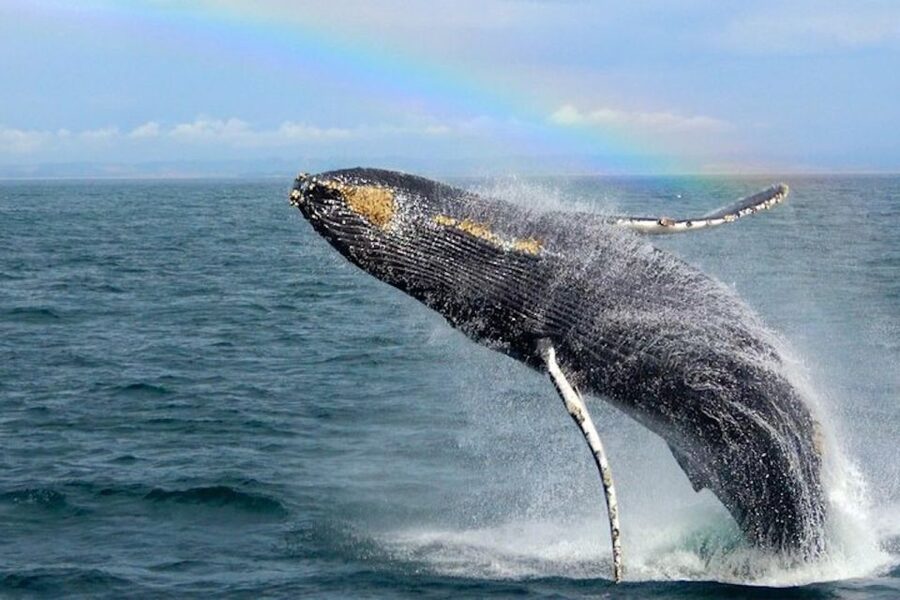
This is a great match if you want a guided wildlife outing that mixes:
- large-animal action (gray whales, killer whales, humpbacks)
- “bonus species” potential (dolphins, sea turtles, seals/sea lions, sharks)
- short, efficient timing (3 hours)
- education you can actually use while you’re watching
It’s also a good choice if you’re returning from a long day and want a focused activity with payoff. The Old Fisherman’s Wharf location means you can make it part of a bigger Monterey plan—eat before and after, then swap shore views for whale views.
It’s not the right call if you need wheelchair access.
Value check: $62 for a guided Monterey Bay wildlife hunt
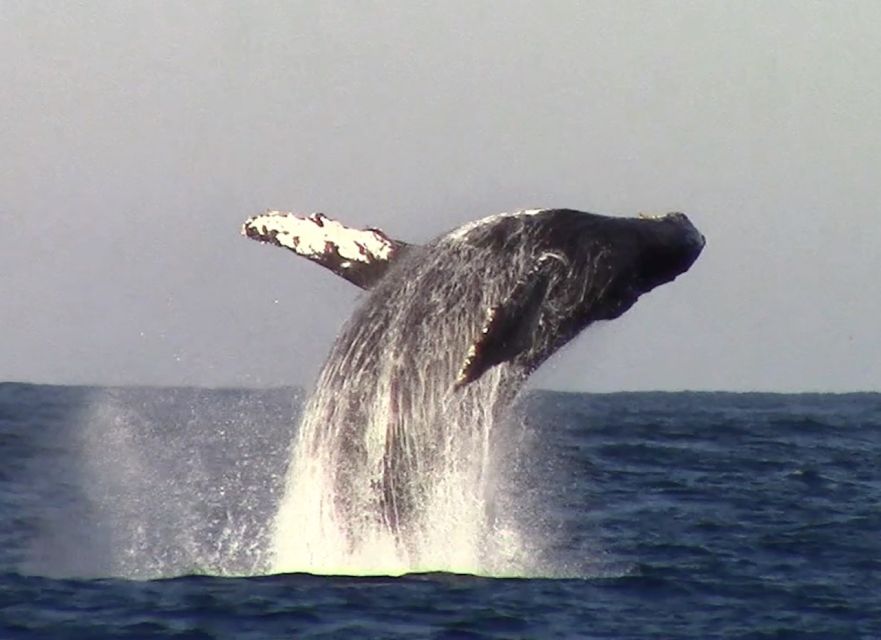
At $62 per person for a 3-hour guided cruise (boat cruise + guide included), the value comes from three places:
- Expert searching: you’re paying for a team that looks for wildlife and adjusts as animals appear.
- Repeat exposure to sightings: the duration is long enough to find multiple surface events.
- Education that matches what you’re seeing: humpback migration/mating patterns and kelp forest ecology help you watch with context.
If your goal is whales and dolphins only, you might wonder if this is “too basic” compared to private charters. But for most people, this hits a fair middle ground: access to open water, guided interpretation, and the chance of close activity without the cost of a full private boat.
If the water gets choppy: how to handle it
The tour information doesn’t promise calm seas. And some accounts mention rougher conditions. Here’s the best way to think about it:
You’re going to be on an ocean boat. So the win is not getting perfect weather—it’s having the crew manage safety and positioning while you focus on what’s happening outside.
If you tend toward motion sickness, be proactive. Bring whatever helps you stay comfortable, and try to watch the horizon rather than the inside of the boat.
Should you book this Monterey Bay dolphin and whale watching cruise?
I’d book it if you want a high-likelihood wildlife experience out of Monterey’s best-known harbor starting point, and you care about more than just seeing a whale for five seconds. The combination of gray whale and killer whale highlights, plus dolphins, turtles, seals/sea lions, and education about kelp forest habitat and humpback behavior makes it feel like you’re getting your money’s worth in actual sightings and actual learning.
I would not book it if wheelchair access is required. Also, if you know you can’t handle boat motion without suffering, plan carefully or consider a different style of outing.
If you go, be ready for fast moments, keep your eyes moving, and let the guide steer your attention. When a whale breaches, it’s the kind of scene you remember later when the rest of your trip fades.
FAQ
Where does the tour start and what’s the parking address?
The meeting point is at Old Fisherman’s Wharf in Monterey. For parking, the instructions provided are 201 Washington Street, then proceed to 48 Fisherman’s Wharf #1, Monterey, CA 93940.
How long is the Monterey Bay dolphin and whale watching cruise?
The tour duration is listed as 3 hours.
How much does it cost?
The price is listed as $62 per person.
What wildlife might I see during the tour?
The experience highlights include gray whales, killer whales, humpback whales, dolphins, sea turtles, porpoises, sharks, and seals/sea lions. Harbor seals, elephant seals, and birds are also mentioned as possible sightings.
Is there a live guide?
Yes. The tour includes a live tour guide, and the listed language is English.
What should I bring?
Bring comfortable shoes, a camera, and comfortable clothes.
Is the tour suitable for wheelchair users?
No, it is listed as not suitable for wheelchair users.
What’s the cancellation policy?
You can cancel up to 24 hours in advance for a full refund.
Does booking include the boat cruise?
Yes. What’s included lists a boat cruise and a guide.