REVIEW · NOOSAVILLE
Noosa: National Park and Dolphin Watching Safari
Book on GetYourGuide →Operated by Whale Songs Noosa Charters & Tours · Bookable on GetYourGuide
A dolphin song through a hydrophone feels unreal. This Noosa National Park dolphin safari is built for close sightings, clear explanations, and a seriously memorable sound track from the water. You sail the Noosa coastline with the focus firmly on dolphin behaviour and live audio.
What I like most: first, the live hydrophone. It turns dolphin calls into something you can actually hear during the trip, not just hope for in theory. Second, the vibe is small-boat and personal—when Indo Pacific bottlenose and common dolphins come near, you get front-row viewing instead of feeling like you’re stuck behind a crowd.
One thing to consider: this is weather and swell dependent. Dolphins are wild and sightings can vary, so it’s smart to go in with patience and plan for the sea to be a little bumpy sometimes.
In This Review
- Key points before you go
- Big Pelican meeting point and what “90 minutes” really feels like
- Noosa National Park coast: where the scenery supports the search
- Live hydrophone: the coolest part (and why it matters)
- Spotting Indo Pacific bottlenose and common dolphins up close
- The “education” part: what guides actually add on the water
- Snorkelling or picnic options: adding your own style (without hijacking the trip)
- Dolphin conservation support: why your “sighting data” isn’t just feel-good
- Value check: is $67 for 90 minutes a fair deal?
- Motion sickness and weather: the two real-world limits
- Who should book this dolphin safari?
- Should you book Whale Songs Noosa Dolphin Experience?
- FAQ
- How long is the dolphin watching tour?
- Where does the tour start?
- Can you hear dolphin songs during the tour?
- What dolphins does the safari look for?
- What’s included in the price?
- Is hotel pickup included?
- What should I do if I get motion sickness?
Key points before you go
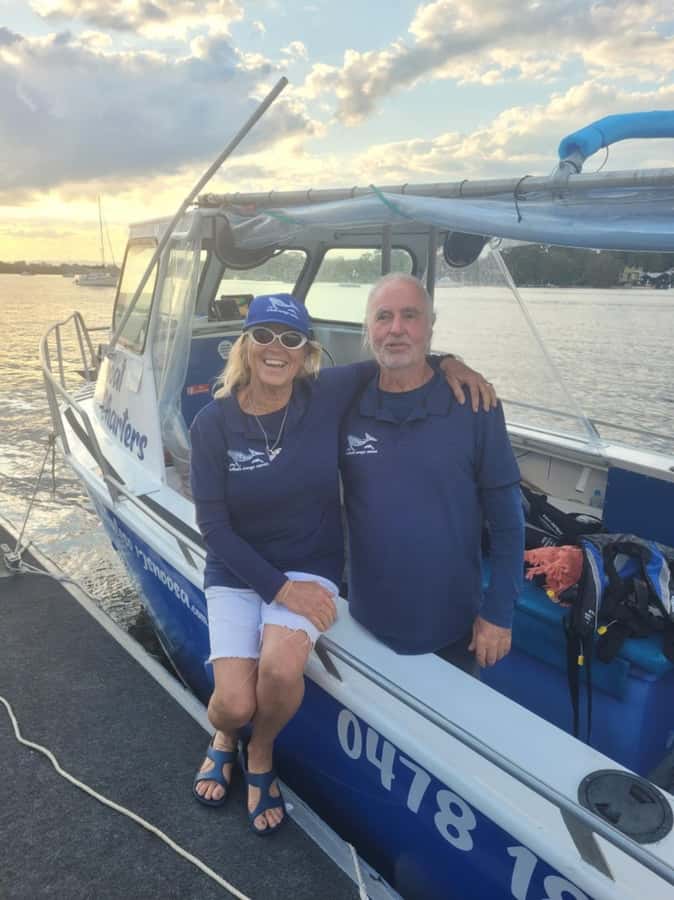
- Big Pelican start point makes the meeting easy to find in Noosa.
- Live hydrophone lets you listen to dolphin songs during the cruise.
- Real dolphin IDs: Indo Pacific bottlenose and common dolphins are the focus.
- Peppi and Alby-led commentary adds context on behaviour and communication.
- You help research by sharing sighting data with Southern Cross University.
Big Pelican meeting point and what “90 minutes” really feels like
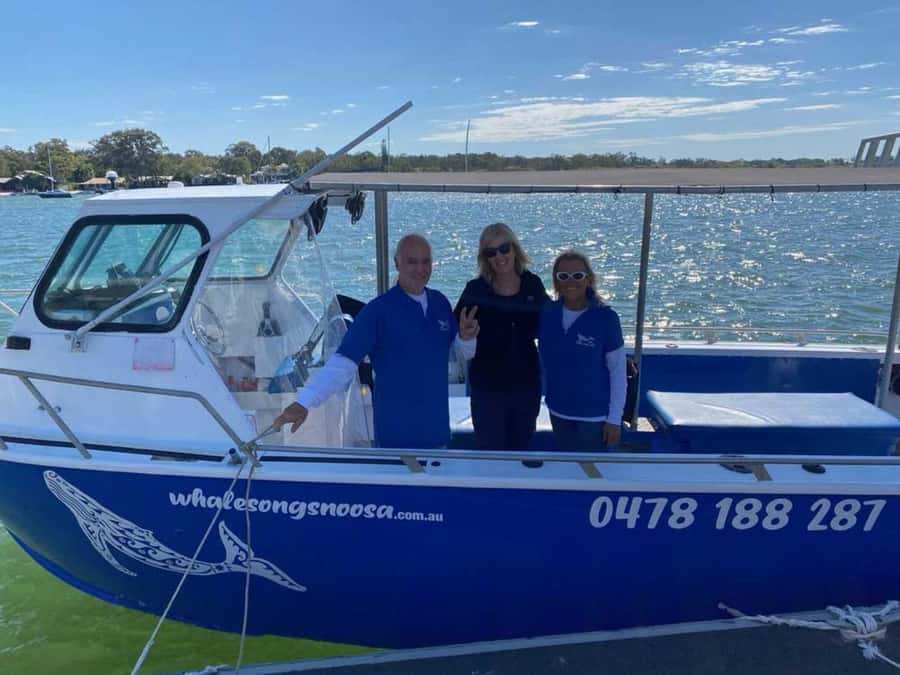
The tour kicks off at the iconic Big Pelican, with a warm welcome before you head out. Starting at a recognizable landmark matters more than you’d think, especially if you’re not local and you don’t want to burn time hunting for a dock.
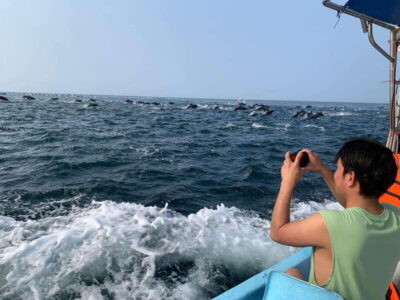
Once you’re aboard, the schedule is straightforward: you spend the bulk of the 90 minutes out on the water, moving along the coastline where dolphins are most likely to show up. It’s long enough for repeated looks and a proper rhythm to the experience, but short enough that you’re not stuck on a boat for half a day.
Because there’s no hotel pickup, you’ll want to be ready to make your own way to the meeting point. That’s not a deal-breaker—just factor it in if you’re planning the day around other activities in Noosa.
Noosa National Park coast: where the scenery supports the search
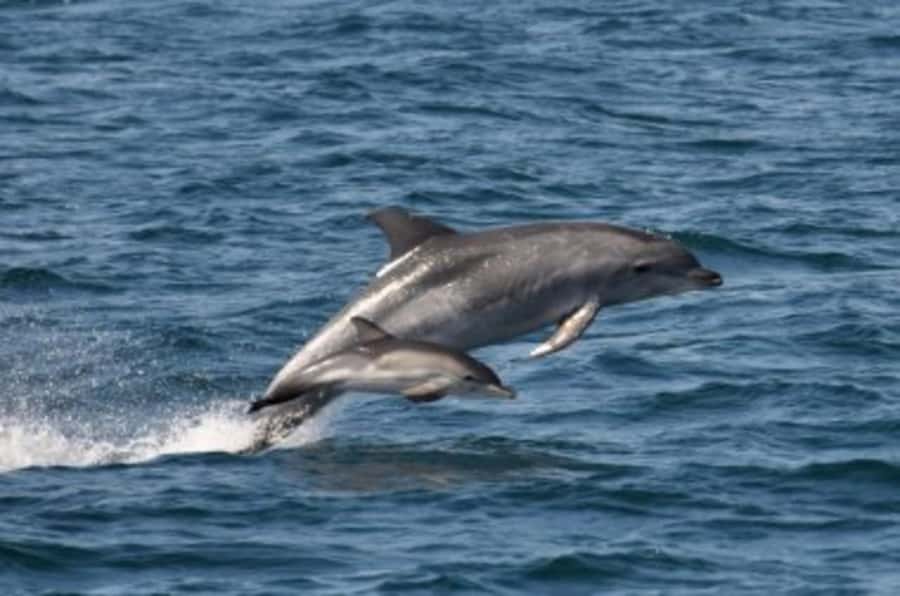
The route follows the Noosa coastline, including areas tied to the Noosa National Park experience and the World Surfing Reserve region. You’re not just cruising for cruising’s sake. The point is to position the boat where dolphins feed, travel, and interact.
From your perspective, you get constant visual “scanning time.” You’ll be looking for surfacing blows, body angles, and the quick changes that hint dolphins are about to appear. And even when sightings take a bit, the coastline views keep the outing enjoyable while you’re waiting.
A practical detail: your guide won’t just say, “Look out there.” They explain what you’re likely to see and why. That makes your searching feel less random. Instead of watching the water with vague hope, you learn what signals to track.
Live hydrophone: the coolest part (and why it matters)
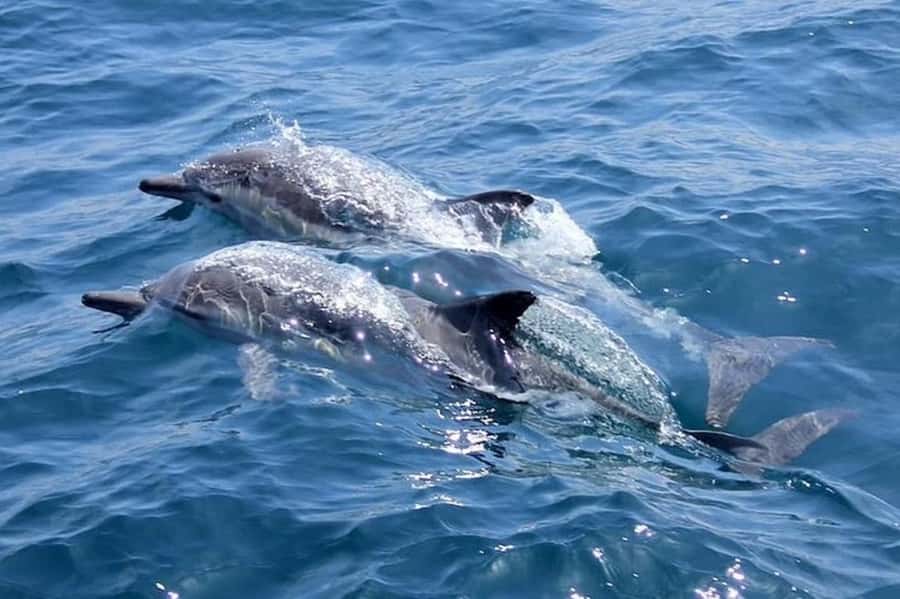
The standout tech here is the onboard hydrophone, which lets you hear dolphin songs live. Instead of treating dolphin watching as a silent visual hobby, the tour adds sound—so you can connect what you see with what dolphins are doing in the water.
This is especially useful because dolphin behaviour can look subtle. A quick roll, a fast turn, or a group moving in sync can be easy to miss if you’re only watching their bodies. The hydrophone experience gives you another channel of information. When you hear activity, you know to shift your attention toward what’s happening near the boat.
The tour also encourages you to capture the audio on your mobile phone. That’s a clever touch. You’re not leaving with only photos—you’re leaving with something you can replay later when you want to remember the sound as clearly as the sight.
Spotting Indo Pacific bottlenose and common dolphins up close
The tour is focused on two dolphin types: Indo Pacific bottlenose and common dolphins. Your guides use their local knowledge to look for signs and determine where to spend time.
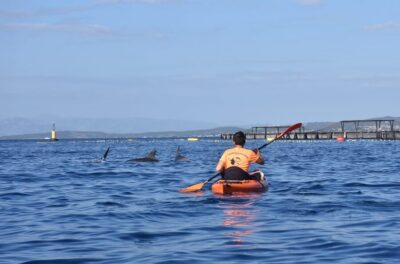
What I like in this setup is the expectation-setting. Dolphins may appear close, and they may not. Sometimes you’ll see them pop up quickly. Other times you may need a little patience, scanning and waiting for the right moment. The good news is that when dolphins do come near, you can get a real sense of their curiosity—one of the best outcomes is when they appear to approach to observe you while you’re watching them.
If you’re hoping for an up-close moment, this is the right kind of tour style for it: a smaller boat and active guiding mean the experience isn’t just passive sightseeing. You’re part of the scene on the water.
The “education” part: what guides actually add on the water
The tour leans hard into interpretation. The crew talk about dolphin behaviour and communication, which changes the experience from “I saw dolphins” into “I understand what they were doing.”
Guides Peppi and Alby are specifically mentioned for their passion and the way they link what you’re seeing to dolphin communication. That matters because wild animals don’t perform for you. You’re trying to read their language using body cues, group movement, and timing. When you get that context, the sightings feel more meaningful—even if you don’t see dozens of animals.
It also helps that the commentary is tied to your live moment. You’re not learning about dolphins like it’s a museum lecture. You’re learning while the boat is on the water and you can connect the explanation to what’s right there in front of you.
Snorkelling or picnic options: adding your own style (without hijacking the trip)
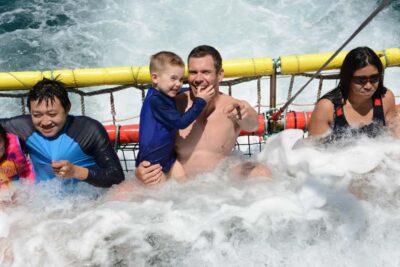
One nice flexibility point is that you can personalise the experience with options like snorkelling or a picnic. This turns a standard dolphin cruise into something that can feel more like your day.
If you’re the type who wants more than just watching, snorkelling can add a different layer of ocean time. If you’d rather keep it simple and focus on the cruise, a picnic can help you stretch the outing into a mini break without rushing.
Just keep your expectations practical: the tour still hinges on dolphin viewing and conditions out at sea. Think of snorkelling or picnic as optional extras that fit around the main goal.
Dolphin conservation support: why your “sighting data” isn’t just feel-good
A big value point for this tour is conservation support. The tour concludes with a sense that you’ve contributed to local dolphin efforts by sharing data with Southern Cross University.
That matters because dolphin watching can sometimes feel like a purely recreational activity. Here, the experience turns into citizen science. You’re not just consuming nature—you’re adding information that researchers can use.
Even if you never hear about the results personally, it’s a meaningful way to do this kind of tour with a bit more respect and purpose. And honestly, it makes the whole outing feel more complete.
Value check: is $67 for 90 minutes a fair deal?
At about $67 per person for roughly 90 minutes, this tour sits in the “reasonable” category for a premium wildlife experience—especially one with live audio technology and expert-led interpretation.
Here’s where the value comes from:
- Live hydrophone turns the trip into something you can’t replicate by simply booking any boat ride.
- Guide-led dolphin behaviour and communication adds real meaning, not just “spot the fins” commentary.
- Small boat experience (as described) helps you actually interact with the moment when dolphins are near.
- Conservation data ties the experience to research with Southern Cross University.
If you’re the kind of person who loves dolphins but gets bored with generic tours, this pricing makes more sense because you’re paying for the quality of the experience, not only the boat ride.
If you’re mainly after a long day on the water for the cheapest price possible, there are cheaper dolphin options around. But you’ll likely be giving up the hydrophone sound experience and the depth of guidance.
Motion sickness and weather: the two real-world limits
This tour is subject to weather and swell conditions. The operator says they’ll give 24 hours notice if they have to cancel or postpone due to conditions. That’s the right kind of safety planning for a dolphin cruise.
They also recommend something very practical: if you’ve never been on a boat or you’ve had motion sickness issues before, take a sea sickness remedy prior to boarding. I take this advice seriously. Even if you’re fine on land, boats can change the rhythm of your body fast.
A smart way to handle it is simple:
- Bring or plan your sea sickness remedy in advance.
- Eat lightly beforehand if you tend to get queasy.
- Stay oriented toward the open water while you’re on deck.
If you ignore the sea sickness part and you end up feeling terrible, the whole “listen to dolphin songs” experience can feel like a punishment instead of a treat.
Who should book this dolphin safari?
I think this tour fits best if you:
- Want Noosa National Park coastline views with an active wildlife focus.
- Love the idea of hearing dolphins through a hydrophone, not just watching for fins.
- Appreciate guidance that explains communication and behaviour, including how dolphins interact with their environment.
- Prefer a small-boat feel over being herded around on a bigger vessel.
It’s also a strong pick for first-time dolphin watchers who still want something more informative than a quick wildlife sighting.
If you’re traveling with kids, note that infants must not sit on laps and infant seats are unavailable. Strollers or prams are accessible, but the tour is not wheelchair accessible. If that affects your group, plan around it before you commit.
Should you book Whale Songs Noosa Dolphin Experience?
Yes—if your ideal Noosa day includes dolphins plus real interpretation, this tour is worth your time. The live hydrophone is the kind of detail that changes the whole experience. When you pair that with the guided focus on Indo Pacific bottlenose and common dolphins, plus the chance for up-close behaviour, you’re more likely to leave feeling like you learned something—not just checked a box.
Book it if:
- You care about sound as well as sight.
- You want a tour that supports dolphin research via Southern Cross University.
- You’d enjoy a 90-minute outing that’s long enough to matter but not so long it drains your day.
Skip it if:
- You know you get extremely seasick and you won’t take precautions.
- You need hotel pickup because you can’t get yourself to the Big Pelican meeting point.
If you’re on the fence, I’d choose this one for the hydrophone alone. It’s the sort of experience that stays with you after the boat is gone—because you don’t just remember dolphins, you remember their voices.
FAQ
How long is the dolphin watching tour?
It runs for about 90 minutes (listed as a 1.5-hour guided dolphin watching tour).
Where does the tour start?
Your adventure begins at the Big Pelican.
Can you hear dolphin songs during the tour?
Yes. There is a live hydrophone onboard so you can listen to dolphin songs while you’re out on the water.
What dolphins does the safari look for?
The tour is focused on Indo Pacific bottlenose dolphins and common dolphins.
What’s included in the price?
Included are the 1.5-hour guided dolphin watching tour, educational insights from the guide, and bottled water.
Is hotel pickup included?
No. Hotel pickup and drop off are not included.
What should I do if I get motion sickness?
If you’ve never been on a boat or you’ve had motion sickness issues before, it’s worth taking sea sickness remedy prior to boarding.