REVIEW · LAJES DO PICO
Pico Island: Azores Whale & Dolphin Watching on Zodiac Boat
Book on GetYourGuide →Operated by Aqua Açores - Whale and Dolphin Watching · Bookable on GetYourGuide
One short Zodiac ride and the ocean starts talking back. Pico Island’s whale and dolphin watching mixes real marine wildlife time with an easy, coastal cruise from Lajes do Pico, where you also get helpful instruction on what you’re seeing. The best part is the combination of animal-focused spotting and the way your guide explains behaviors you might otherwise miss.
I especially like the care for both people and animals: you wear a life jacket and a waterproof top, and the tour is built around slow, careful approaches. A possible drawback is that the boat ride can get bumpy and wet, so you’ll want to dress for spray and be honest with yourself about seasickness.
In This Review
- Key Things That Make This Tour Worth Your Time
- Lajes do Pico Harbor Setup: Where the Zodiac Adventure Starts
- The 10-Minute Safety Briefing: Wet Gear, Life Jackets, and Animal Welfare
- On the Water for 3 Hours: Spotting Whales and Dolphins the Right Way
- More Than Cetaceans: Birds, Turtles, and What Those Mean
- Your Guide’s Role: Learning What You’re Seeing (Not Just Pointing)
- Timing on Pico: Refreshments, the Return, and That Species Check
- Seasickness and Weather: How to Plan Like a Pro
- Price and Value: Is $53 Reasonable for a 2.5-Hour Wildlife Hunt?
- Who Should Book This Tour on Pico (and Who Should Skip)
- Practical Tips for Better Sightings and Better Photos
- Should You Book This Pico Whale and Dolphin Zodiac Tour?
- FAQ
- What is the duration of the tour?
- Where does the tour start?
- How much does the tour cost?
- What’s included in the price?
- What is not included?
- What languages are offered?
- Do you provide safety gear?
- What should I bring?
- Is it okay if I get seasick easily?
- Who is the tour not suitable for?
Key Things That Make This Tour Worth Your Time
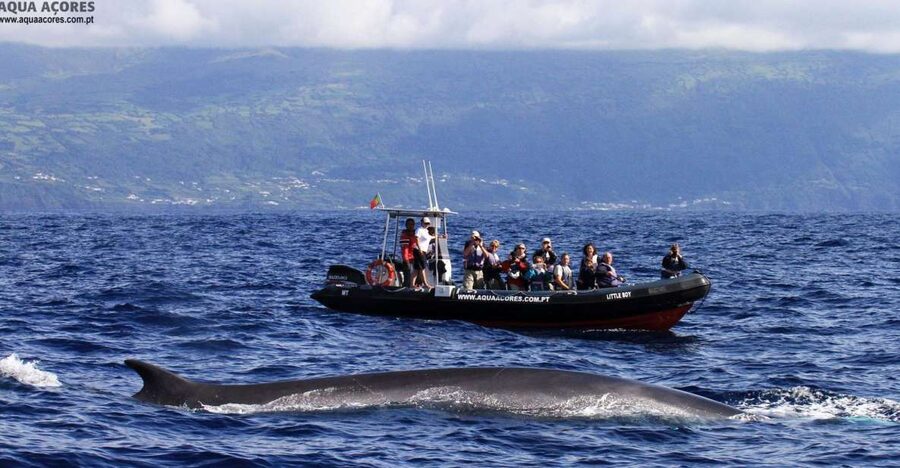
- Zodiac boat viewing with a close-up feel along Pico’s coastline
- Over 25 cetacean species covered as part of the Azores wildlife intro
- Wildlife guide explanations on communication, habits, and behavior patterns
- Safety + comfort basics included: waterproof top, life vest, and a briefing before launch
- More than whales: birds and turtles are part of the hunt too
Lajes do Pico Harbor Setup: Where the Zodiac Adventure Starts
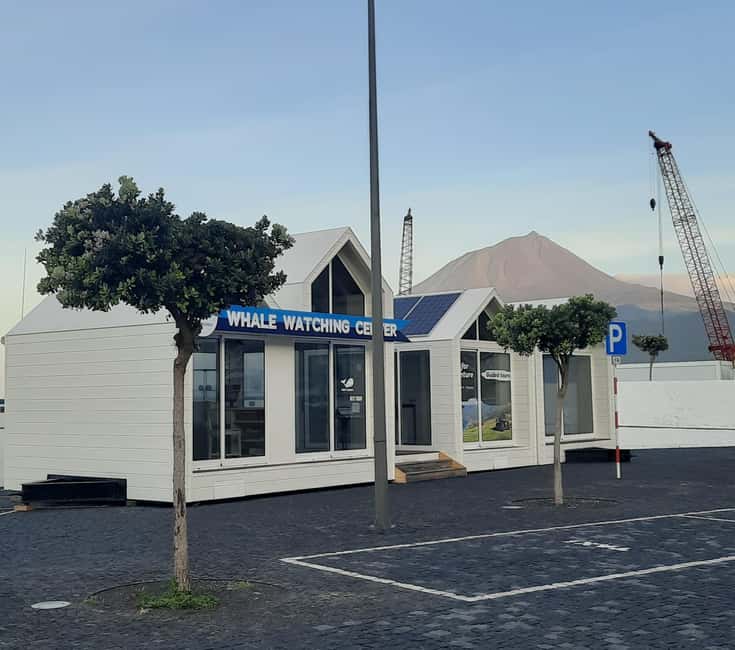
Your tour begins at Aqua Açores – Whale and Dolphin Watching in Lajes do Pico, with the meeting point at the harbor entrance. Look for Whale Watching Center in big letters and plan to arrive a bit early so you can get your bearings fast and get outfitted without rushing. This matters because the most exciting animal sightings often happen once the boat is out and moving, not while people are still settling in.
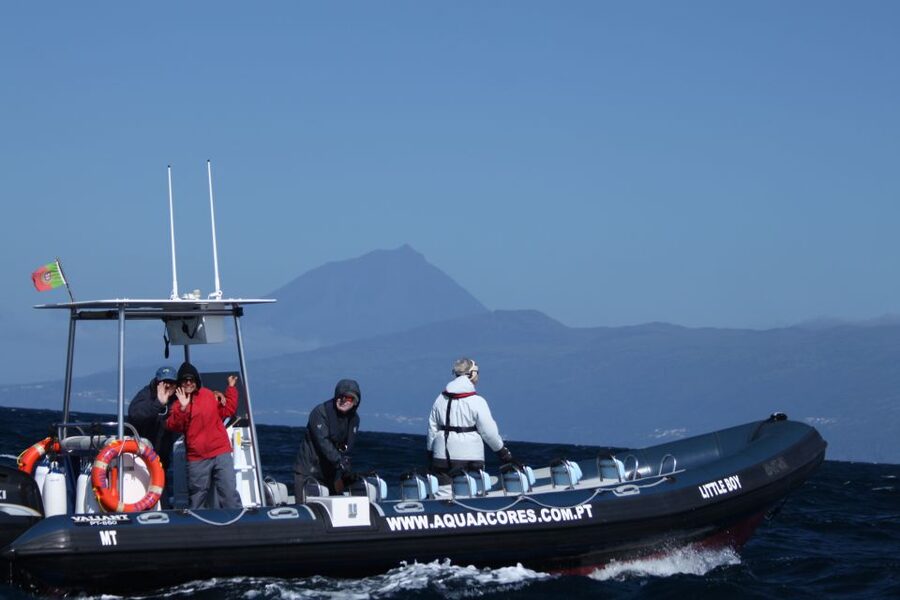
Once you’re there, the routine is straightforward. You’ll start with a short safety briefing, then board the Zodiac rib boat for a guided search along Pico’s coastal waters. If you like tours that feel practical and movement-based, this one matches that vibe: you’re not standing around hoping; you’re actively cruising to where wildlife is more likely to show.
And Pico Island delivers visually, too. Even when the focus is wildlife, the coastline and the view of Pico Mountain from the water can add a lot to the experience, especially when the weather cooperates.
The 10-Minute Safety Briefing: Wet Gear, Life Jackets, and Animal Welfare
Before anyone heads out, you get a short safety briefing (about 10 minutes). It’s not just rules on paper. It’s the kind of quick, clear guidance that helps you feel steadier when the water turns choppy.
Gear is part of the point: you’re provided with a waterproof top and a life vest. That means you can stay focused on scanning the water instead of worrying about getting soaked immediately. Still, be realistic: the ocean can be rough, and several experiences describe ending up wet anyway, just not in the miserable way you might fear.
The other important piece is how the tour handles animals. The approach is slow and careful so whales and dolphins can stay comfortable. That’s not just “nice behavior.” It typically leads to better viewing because wildlife is less likely to scatter when boats act responsibly.
On the Water for 3 Hours: Spotting Whales and Dolphins the Right Way
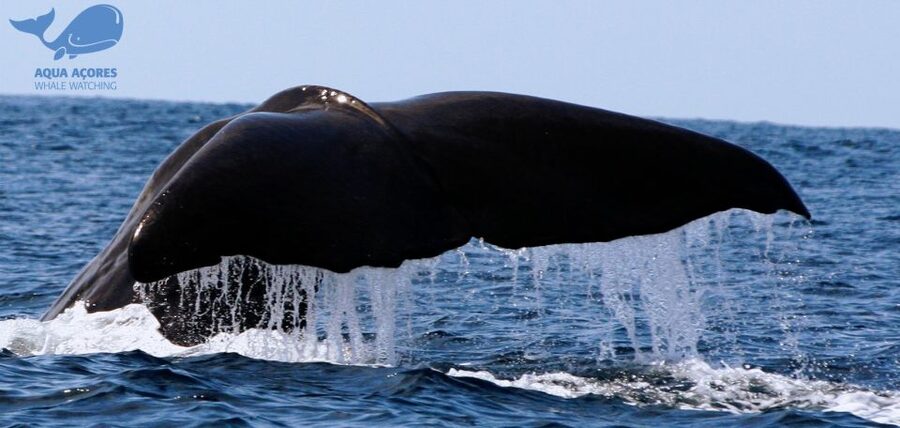
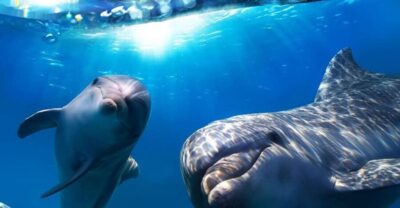
The heart of the tour is a guided cruise for about 3 hours, focused on whale and dolphin watching. The Azores are known for cetaceans, and your guide frames it as more than one or two species. You’re told to be on the lookout for 25+ cetacean species that can be found in the region, which helps you understand why sightings can vary from day to day.
What you can expect in practice is a lot of scanning and repositioning. The captain and guide work together, and you may also get help from observation from the local area. When animals are near the surface, you’ll be in the right place at the right time to see blows, body movement, and group behavior.
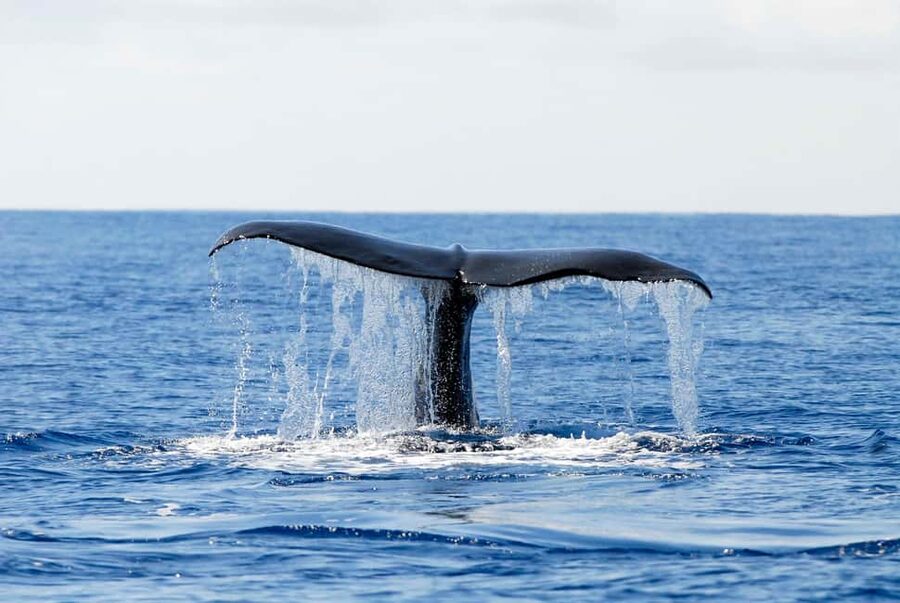
Sightings are often described as plentiful, especially for dolphins. Some trips specifically call out multiple dolphin groups, plus whale encounters ranging from sperm whales to blue whales and even young whales. Not every outing hits the jackpot, though. Cloudy conditions and sea state can reduce what you see, even when you’re doing everything right.
The best mindset is simple: treat the tour like wildlife hunting with ethics. When the boat slows for animals, look sharp and stay patient.
More Than Cetaceans: Birds, Turtles, and What Those Mean
Whales and dolphins are the headline, but this tour also trains your eyes for other marine life. Part of the fun is that you’re not stuck staring for one thing only. You might spot birds cruising overhead and turtles in the water, depending on conditions and where the guide searches.
This matters because it changes how you experience the ocean. On a day with fewer whale sightings, birds and turtles can still make the trip feel full and varied. And even when your main targets are cetaceans, birds often show you where activity is happening, since feeding and surface movement can draw attention from multiple species.
You also get a sense of the bigger marine system. Your guide talks about natural habitats and where different species tend to be active. That makes your sightings feel connected instead of random.
Your Guide’s Role: Learning What You’re Seeing (Not Just Pointing)
This tour includes a marine wildlife guide plus a skipper, and you’ll feel the difference quickly. Before boarding and while out on the water, the guide provides an introduction to whales and dolphins and explains how they communicate and behave.
That education piece is a big value add. If you’ve never watched cetaceans closely, you might not know what you’re looking for: why one animal surfaces while another stays down longer, what group behavior suggests, or how movement patterns can hint at feeding or social activity. When the guide shares those details, the wildlife stops being a distant “maybe we’ll see something” and becomes a story you can actually follow.
Language support is also practical: the tour runs in Portuguese and English. That matters for clarity when you’re learning animal behavior at sea.
In the experiences shared by past participants, some guides named include Vania, Monica, and captain Nelson, and the common thread is that they focus on safety while still maximizing the chance to spot multiple species when conditions allow.
Timing on Pico: Refreshments, the Return, and That Species Check
The tour runs about 2.5 hours total. You’ll start with the briefing, then spend around 3 hours out searching, and then come back to Lajes do Pico for welcome refreshments (about 10 minutes). That small stop can feel surprisingly welcome if you’ve been wet, cold, or just focused hard.
An extra helpful touch is that you might receive a small card after the trip listing the types of animals you saw. It’s not required to enjoy the tour, but it’s great for turning a fleeting sighting into something you can remember clearly. It also makes it easier to tell friends and family what you actually spotted, not just that you saw whales and dolphins.
Most importantly, the return trip is timed so you’re not exhausted at the end of the day with no closure. The refreshments help you transition from adrenaline scanning to actually processing what you saw.
Seasickness and Weather: How to Plan Like a Pro
The ocean around Pico can be lively, and that’s part of the deal. If you’re someone who gets motion sickness easily, the tour suggests taking a sea sickness pill about 30 minutes before boarding. That simple heads-up is worth listening to, because once you’re already feeling off, it’s harder to enjoy anything—even whales.
What to bring is clearly stated, and you’ll be happier if you treat it as a checklist rather than a suggestion:
- sun hat and sunscreen
- jacket and weather-appropriate clothing
- comfortable clothes that can handle spray
Also note the tour allows light food on board, which is useful if you tend to get cranky when you’re waiting and scanning for hours. On windy, rough-water days, being fed and warm can make the whole experience feel more manageable.
And yes, you may end up soaked anyway. Several experiences describe getting completely wet, but also treating it as part of the experience because the wildlife sightings made it worth it. If you’re the type who hates getting even slightly damp, you might want to think twice and plan extra layers.
Price and Value: Is $53 Reasonable for a 2.5-Hour Wildlife Hunt?
At $53 per person for roughly 2.5 hours, you’re paying for more than a boat ride. You’re paying for:
- a wildlife guide who explains what you’re seeing
- a skipper and Zodiac crew
- safety gear (life vest and waterproof top)
- insurance
- a focused attempt at sightings rather than just cruising around
Value depends on your expectations. If you want a guaranteed whale sighting, no wildlife tour can promise that. But if you’re okay with the reality that sightings can vary with weather, this price-to-time balance is solid. You’re out long enough (about 3 hours on the water) to have multiple chances to locate activity, and you get education that makes every encounter more meaningful.
You also get a “soft landing” with refreshments at the end, which isn’t something every boat tour bothers to include. When you add up gear + guidance + time on the water, $53 starts to feel less like a gamble and more like paying for access and expertise.
Who Should Book This Tour on Pico (and Who Should Skip)
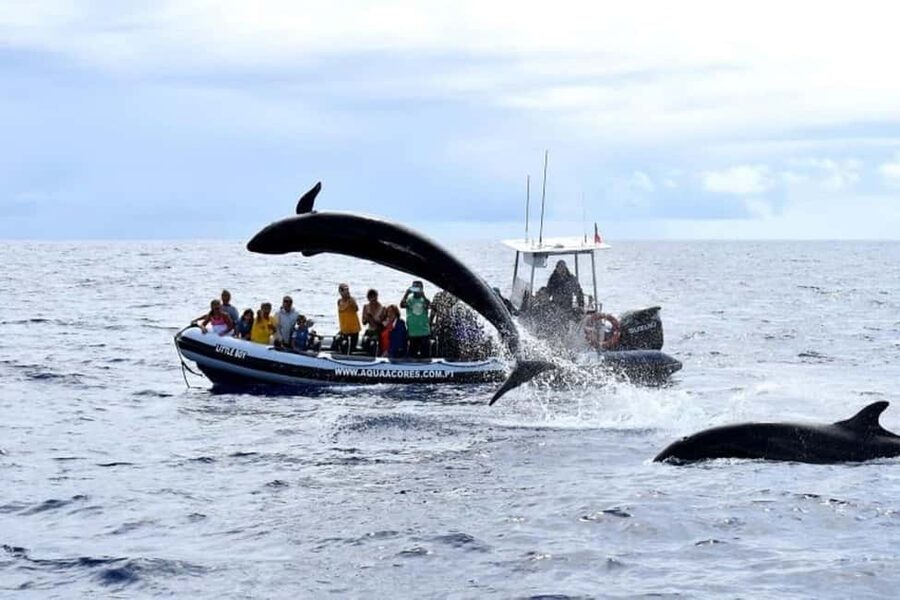
This tour is a strong fit if you want active wildlife viewing with a guide and you don’t mind the ocean doing what it does. It’s especially good for people who enjoy spotting, photography, and learning. The boat ride is designed for getting a sweeping view of the shoreline too, which is a nice bonus for photos you’ll actually want to share.
It may not be right for everyone. The tour is not suitable for:
- children under 2 years
- pregnant women
- people with back problems
It’s also not for you if you’re bringing pets, since pets aren’t allowed. And smoking isn’t allowed, which is typical for guided boat activities and helps keep the air comfortable when you’re close to other people.
If you have a medical reason you’re worried about balance or movement, use the “not suitable” list as your deciding guide.
Practical Tips for Better Sightings and Better Photos
You can’t control the weather, but you can control your prep. A few practical moves tend to help:
- Dress in layers and bring a jacket even if the day starts sunny. Sea spray changes everything.
- Wear sunscreen and a hat. Even while watching wildlife, you can still get strong sun exposure.
- Keep your eyes on the water surface more than the horizon when the guide calls attention. Many cetacean sightings happen near where the boat repositions.
- For photos, think wide for coastline moments and quick for surface events. When whales or dolphins come up, you’ll only have brief chances.
Most of all, trust the process. The tour’s whole approach is slow and careful with animals, which can mean fewer chaotic moments and more steady viewing. When you see dolphins, stay alert; when you see one sign of whale activity, keep scanning calmly.
And if you’re lucky enough to catch a mother-and-calf type moment, or a larger whale surfacing, the guide’s context will help you interpret what’s happening, not just record it.
Should You Book This Pico Whale and Dolphin Zodiac Tour?
Book it if you want a real wildlife-focused experience with a guide, you’re comfortable being on the water for a few hours, and you enjoy learning as you watch. The provided gear, the animal-care approach, and the chance to see dolphins and whales (plus birds and turtles) make it a strong way to spend a chunk of your Pico time.
Skip it or reconsider if you’re highly sensitive to motion or you don’t want even the possibility of getting wet and cold. Also, respect the not-suitable categories—this isn’t the type of tour that can be adjusted easily for medical limitations.
If you match the vibe, this is the kind of tour where the ocean can surprise you in the best way: not with guaranteed perfection, but with honest, close-up wildlife time and guidance that helps you actually understand it.
FAQ
What is the duration of the tour?
The tour lasts about 2.5 hours.
Where does the tour start?
Meet at the entrance of Lajes do Pico harbor, and look for Whale Watching Center in big letters.
How much does the tour cost?
The price is listed as $53 per person.
What’s included in the price?
Included are a guide, skipper, Zodiac rib boat, waterproof top and life vest, and insurance.
What is not included?
Hotel pickup and drop-off are not included, and food or drinks are not included (light food is permitted on board).
What languages are offered?
The tour guide is listed as working in Portuguese and English.
Do you provide safety gear?
Yes. You get a life vest and a waterproof top.
What should I bring?
Bring a sun hat and sunscreen, plus a jacket and comfortable, weather-appropriate clothing.
Is it okay if I get seasick easily?
If you’re susceptible to seasickness, it’s recommended that you take a sea sickness pill about 30 minutes before embarking.
Who is the tour not suitable for?
It’s not suitable for children under 2 years, pregnant women, and people with back problems. Pets and smoking are also not allowed.