REVIEW · SAGRES
Sagres: Dolphin Watching Tour
Book on GetYourGuide →Operated by Cape Cruiser · Bookable on GetYourGuide
Dolphins off Sagres feel like a lucky lottery. What makes this tour special is the marine biologist-led experience plus the chance for up-close, respectful viewing of dolphins (and sometimes other cetaceans) off the Sagres coast. The main catch is weather: on windy or choppy days you can end up wet and cold, and the experience may feel less comfortable than you hoped.
I like that Cape Cruiser keeps things practical. You start at their Cape Cruiser office by Porto da Baleeira, get a briefing, and wear provided life and windbreaker jackets before you head out. One marine biologist, Nunu, gets specific praise for clear, useful information without turning the trip into a lecture.
If you have health constraints (back issues, pregnancy), or you’re bringing very young kids, this is not a casual match. And if you go expecting guaranteed dolphin sightings, plan to be flexible, because each outing is different and the sea has the final say.
In This Review
- Key things to know before you go
- Cape Cruiser check-in at Baleeira: quick start, real sea time
- What happens before you leave the dock: briefing, jackets, and simple rules
- 1.5 hours of Sagres dolphin watching: how the experience usually unfolds
- Up-close viewing without upsetting the animals: what to watch for
- The marine biologist adds the meaning: from “sighting” to understanding
- Wind, spray, and timing: when weather changes the day
- Price at about $58: value comes from safety, not luck
- Who should book, and who should skip this boat outing
- Quick packing list for Sagres dolphin watching
- Should you book Cape Cruiser’s Sagres Dolphin Watching Tour?
- FAQ
- How long is the Sagres dolphin watching tour?
- Where do I meet Cape Cruiser?
- Who is on board during the tour?
- Are life and windbreaker jackets included?
- What languages are available for the guide?
- What happens if the tour is canceled due to bad weather?
- What should I bring, and what’s not allowed?
Key things to know before you go
- Marine biologist onboard: you’ll get wildlife info in a fun, interactive way while you watch.
- Respectful viewing style: the boats are set up so you can observe without crowding animals.
- Jackets, briefing, and insurance included: you’re not just dropped onto a boat and told good luck.
- Small-group feel is possible: at least some departures can feel intimate, which helps your viewing.
- Wind can change everything fast: one cold, wet experience is enough of a reminder to dress for spray.
Cape Cruiser check-in at Baleeira: quick start, real sea time
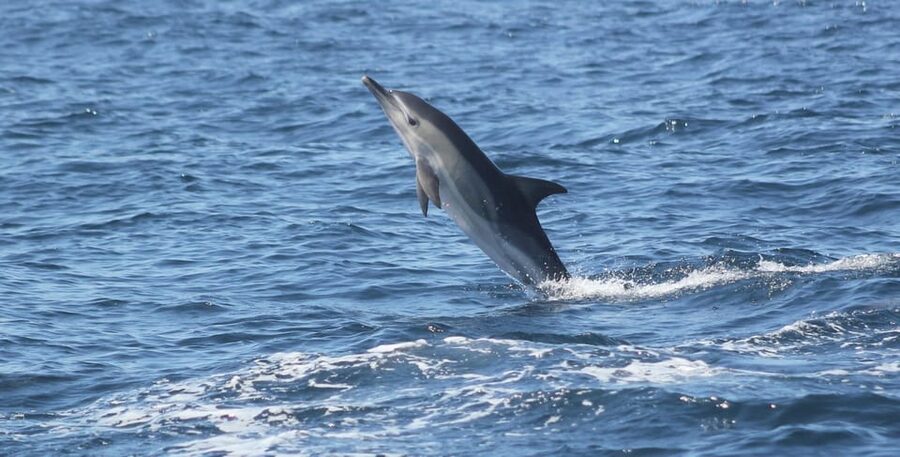
Most tours start with a long “where do we all meet” scramble. This one starts simply: you check in at Cape Cruiser’s office next to Baleeira Beach, then you’re guided to the vessel after the briefing. It’s also only about five minutes from the center of Sagres, so you’re not burning half the day on logistics.
For a dolphin watching trip, that matters. If you’re going for calm viewing and comfortable time on the water, arriving without stress helps. You also know where you’ll end up again, because the tour returns to the same Cape Cruiser location.
You can also read our reviews of more tours and experiences in Sagres.
What happens before you leave the dock: briefing, jackets, and simple rules
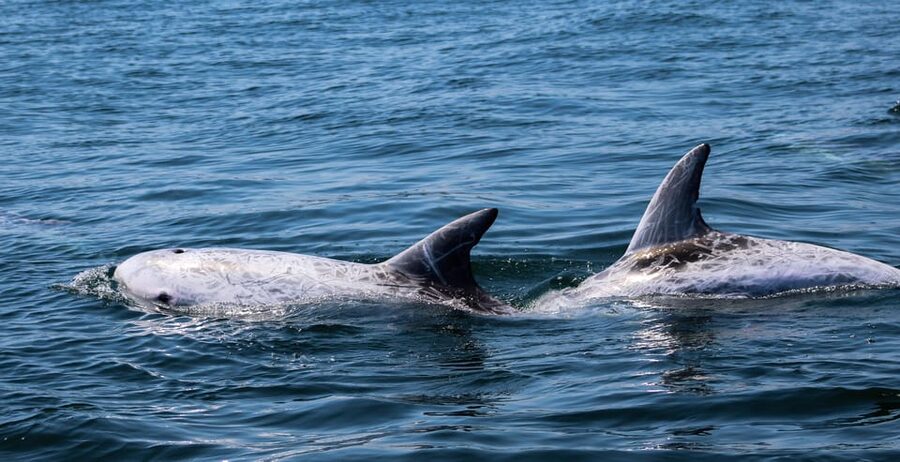
Before the boat heads out, you get an itinerary briefing and wildlife insights. The crew then walks you to the vessel, and you’ll be provided life and windbreaker jackets plus insurance coverage. The guide team works in multiple languages, including English, Portuguese, and Spanish, which helps a lot if your group isn’t all one language.
You’ll also want to follow the onboard rules closely. No touching marine life, no feeding animals, no fishing, and no weapons or sharp objects. Smoking and vaping are not allowed, and alcohol and drugs are also off the table. They also ask you not to bring large luggage or pets (assistance dogs are allowed), which keeps the boat space under control.
One of the underrated benefits here is that safety and comfort are treated as part of the tour, not an afterthought. On choppy days, having wind protection already on you can be the difference between enjoying the ride and counting minutes until land.
1.5 hours of Sagres dolphin watching: how the experience usually unfolds
The core of this tour is straightforward: you head out from Cape Cruiser, spend about 1.5 hours watching for marine life off Sagres, then return to the office. There aren’t multiple scheduled stops with long transfers. That keeps the day focused, and it matches how wildlife viewing works: you’re out there, you watch, and you wait for the sea to deliver.
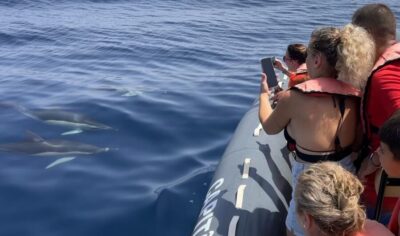
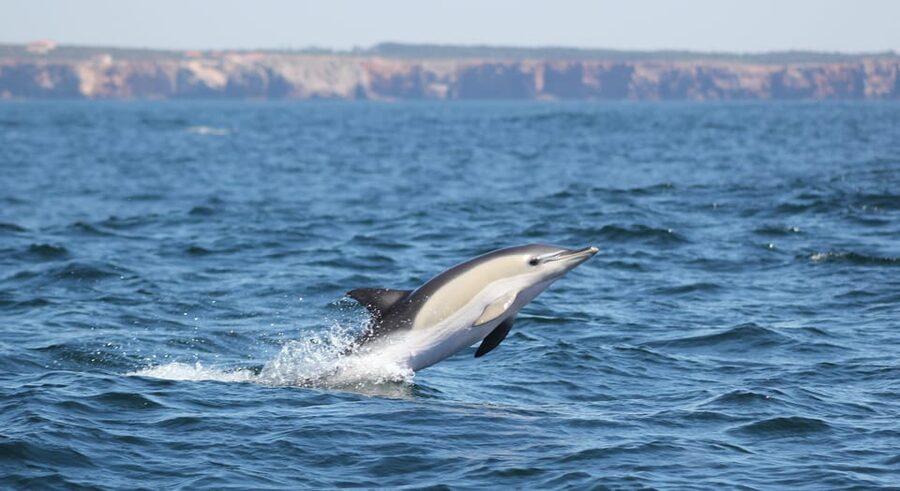
What you’re looking for is mainly dolphins, with the possibility of other cetaceans like whales or porpoises. The tour description also highlights the chance that dolphins may approach and swim alongside the boat, which is one of the reasons people love this area for wildlife encounters.
The rhythm is usually search → sighting → observation time. Based on a range of real-world experiences, the length of the “sighting window” can vary. Sometimes you get satisfying time with dolphins in view; other times it can feel quick once they’re spotted. The consistent part is the goal: responsible, respectful observation while learning what you’re seeing.
Up-close viewing without upsetting the animals: what to watch for
This is not a “get a photo and run” outing. The boat setup is meant to let you see animals up close while maintaining respect for their habitat. In plain terms, that means you’re positioned so you can watch behavior—movement patterns, group dynamics, and surfacing—without trying to treat wildlife like a roadside attraction.
Pay attention to curiosity behaviors. The tour notes that some dolphins might approach the boat because they’re curious, and when that happens, you may see real acrobatics and close passing. If you’re lucky, you’ll also notice different species behaviors rather than just seeing a dorsal fin pop up and vanish.
What I’d keep expectations grounded about: dolphins are wild animals. You’re paying for a dedicated search and expert help reading the sea—not for a guaranteed performance. One real account described a trip where they found dolphins briefly and then returned, which is a good reminder to stay flexible and enjoy the learning and the search itself, not only the final result.
The marine biologist adds the meaning: from “sighting” to understanding
This tour’s strongest ingredient is the marine biologist onboard. The guide role is not only to point at animals, but to explain what you’re looking at in an interactive, fun way. You’re also getting conservation awareness, which turns the trip into more than a quick splash of scenery.
One marine biologist named Nunu stands out in feedback for being professional and for offering frequent observations-based information. That’s exactly what you want on a boat: practical facts tied to what’s happening around you right now.
If you’re the type who loves questions, this format works well. Instead of a dry lecture, you’re watching, listening, and connecting behavior to habitat. And if you’re traveling with kids or non-experts, the tone tends to be easier to follow because it’s tied to immediate sightings rather than general marine theory.
Wind, spray, and timing: when weather changes the day
The Sagres coast can be dramatic, and that shows up on the water. The tour includes jackets, which helps, but wind can still bring cold and spray fast. One experience described getting very wet as wind and waves built, turning the trip longer than the planned 1.5 hours. Another account mentioned a wind change leading to feeling cold while they were out looking for dolphins.
Here’s the practical takeaway: dress like you expect to get hit with wind. Even if the sky looks fine on the shore, open water weather can shift. If you run cold easily, bring an extra layer you can keep on safely.
The best-case timing also matters. One account praised the skipper for handling windy conditions and noted a longer outing than the paid duration. That can be a positive if you’re feeling good and dolphins are active. On rough days, though, extended time can feel taxing—so it’s worth being honest with yourself about motion sickness and tolerance for choppy water.
Price at about $58: value comes from safety, not luck
At around $58 per person for roughly 1.5 hours, this tour is priced in the “fair and focused” category. What justifies it isn’t magic—it’s what’s included: briefing, multi-language guide support, life and windbreaker jackets, onboard skipper and marine biologist, and insurance.
A lot of dolphin watching options pay you back only if you see animals. Here, you’re also paying for interpretation and for a structured approach to safety and viewing. The insurance and jacket provision are meaningful value add-ons, especially on windy days.
Also consider the cancellation/rescheduling protections. Bad weather can cause cancellations, and the plan is to reschedule without extra cost or provide a full refund. If you’re booking for a busy trip week, that safety net reduces stress.
Still, I’ll be direct: if you want a calm, warm, guaranteed dolphin show, boat wildlife isn’t the right style of activity. If you’re OK with nature randomness—and you’ll appreciate the marine education and search process—this price feels reasonable for what you get.
Who should book, and who should skip this boat outing
This tour is a good match for:
- Families and friends who like wildlife, questions, and guided observation.
- Travelers who enjoy science-style explanations without needing a classroom.
- People who want respectful animal watching rather than chasing wildlife behavior.
It’s not a great match for:
- Children under 3 years.
- Pregnant women.
- People with back problems.
- People over 75 years.
If you have any pregnancy, mobility, recent surgery, back problems, or other health conditions that could be risky on a boat trip, contact Cape Cruiser before booking. That’s not red tape—it’s smart risk management.
Quick packing list for Sagres dolphin watching
Keep it simple and boat-friendly:
- Comfortable shoes (non-slip is a lifesaver when the deck gets slick)
- Comfortable clothes that handle wind
- Protective sunscreen if it’s sunny
- Passport or ID card (a copy is accepted)
Avoid anything bulky. The tour asks you not to bring large bags or luggage. Leave valuables at your accommodation if you can—small items are much easier to manage on a boat.
Should you book Cape Cruiser’s Sagres Dolphin Watching Tour?
I’d book this if you want a marine biologist-led dolphin watching outing in Sagres with real safety support. The included jackets, the guided briefing, and the conservation-minded approach make it feel grounded rather than casual. If you’re flexible about weather and you enjoy the hunt as much as the sighting, you’ll likely have a great time.
I’d skip it if you need calm, predictable conditions or if you fall into the stated non-suitable categories (pregnancy, back problems, very young kids, or older age limits). Also think twice if you know you get severely seasick, because wind and waves can make the ride unpleasant for some people.
If you want the best odds of a smooth experience, dress for spray, arrive ready to be on the water, and set a flexible mindset. Then go for the real reward: seeing dolphins in their element while someone helps you understand what you’re seeing.
FAQ
How long is the Sagres dolphin watching tour?
The tour lasts about 1.5 hours on the water.
Where do I meet Cape Cruiser?
Meet at Cape Cruiser’s office next to Baleeira Beach (Porto da Baleeira). The tour check-in and drop-off happen there.
Who is on board during the tour?
You’ll travel with a skipper and a marine biologist, plus a tour guide who works in English, Portuguese, and Spanish.
Are life and windbreaker jackets included?
Yes. Life and windbreaker jackets are included with the tour.
What languages are available for the guide?
The guide team is listed in English, Portuguese, and Spanish (with English and Portuguese explicitly stated as well).
What happens if the tour is canceled due to bad weather?
If bad weather cancels the trip, you can reschedule with no extra cost or get a full refund.
What should I bring, and what’s not allowed?
Bring comfortable shoes and comfortable clothes, plus a passport or ID card (a copy is accepted). Not allowed: smoking or vaping, pets (assistance dogs allowed), fishing, feeding animals, touching marine life, alcohol and drugs, and large bags or luggage.