REVIEW · TARIFA
Tarifa: Whale & Dolphin Watching in the Strait of Gibraltar
Book on GetYourGuide →Operated by Turmares Tarifa · Bookable on GetYourGuide
Whales in the Strait of Gibraltar never get old. This 2-hour Tarifa cruise with Turmares is built for real-world wildlife spotting in a protected UNESCO biosphere reserve, with guides who keep you focused on what matters. I like the high odds of seeing dolphins and whales (and even up to seven cetacean species), plus the way the crew teaches you how and why these animals move through the area. One drawback to plan for: you’re on the water, so if the sea is rough, the bigger boat will still rock a bit.
I also like that this tour has clear animal-protection rules backed by Spanish legislation and ACCOBAMS guidelines, so you get close views without the chaos. And I’m a fan of the “no sightings” safety net: if you don’t spot cetaceans, you get a second chance. Still, you should know whales aren’t vending machines, so sometimes the day’s highlights are dolphins (and sometimes more).
In This Review
- Quick hits: what makes this Tarifa tour tick
- Tarifa and the Strait of Gibraltar: why this area works
- Turmares check-in in Tarifa: safety briefing with real-world tips
- The 2-hour cruise: what you’re really doing out there
- What species you might see: dolphins are the safe bet, whales are the bonus
- Rules that protect animals and improve your experience
- On-board comfort: big boat, real sea movement, and how to dress
- Value for money: $53 for 2 hours plus a second chance
- Who this Tarifa whale and dolphin tour is best for
- Should you book Turmares Whale Watching in Tarifa?
- FAQ
- Where does the tour start?
- How long is the cruise?
- How much does it cost?
- What language is the live guide?
- Can I take photos?
- What should I bring?
- What can’t I do during the tour?
- Is the activity wheelchair accessible?
Quick hits: what makes this Tarifa tour tick
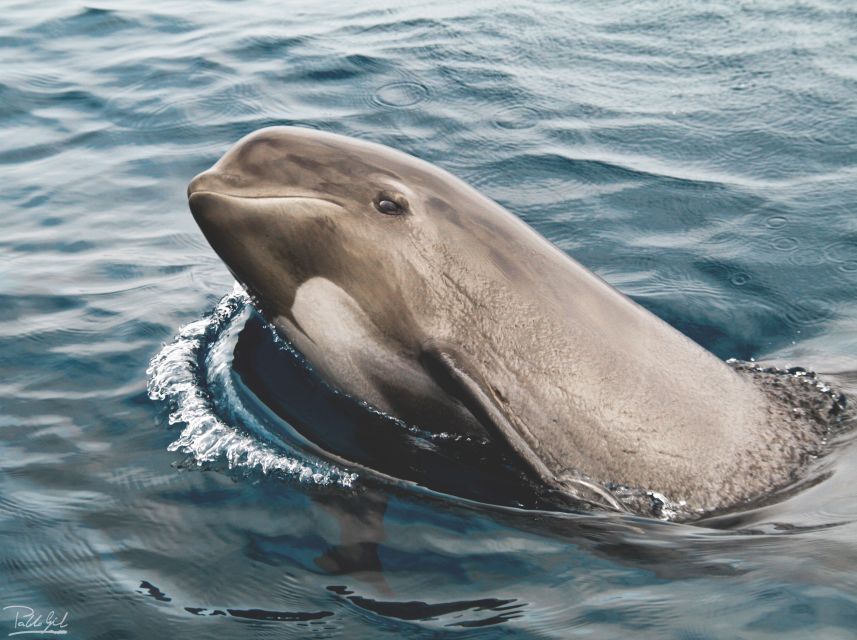
- High-likelihood spotting of dolphins and whales, with a second chance if nothing shows up
- Up to seven cetacean species possible in the Strait of Gibraltar biosphere reserve
- Guide-led marine life viewing that helps you understand migratory routes and behavior
- Respect-first approach: distance/speed rules aligned with Spanish legislation and ACCOBAMS
- On-board viewpoint options that make it easier to spot animals, even when they’re hard to track
Tarifa and the Strait of Gibraltar: why this area works
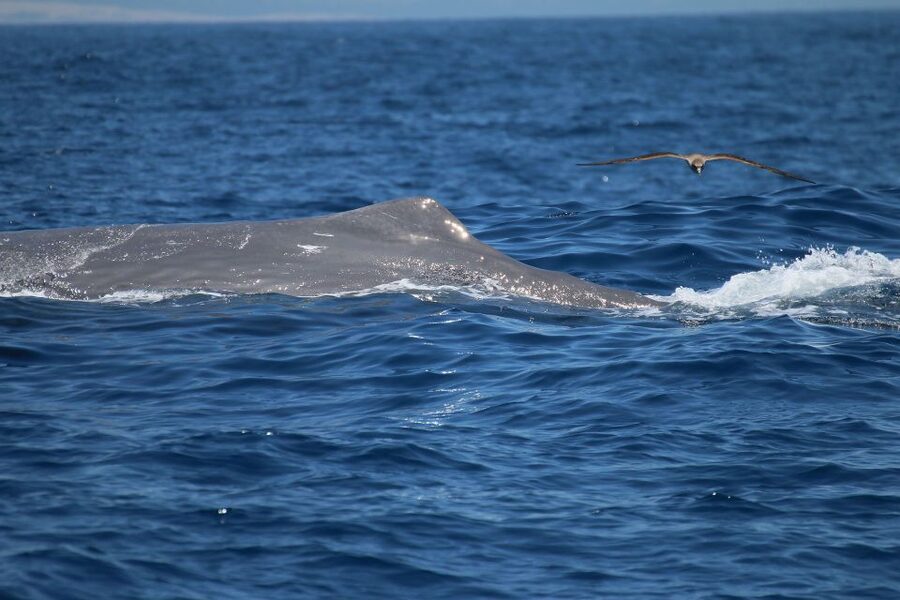
Tarifa sits at the jump-off point for one of Europe’s most active marine corridors, and this tour uses that location well. You’ll be sailing through the Strait of Gibraltar, inside a UNESCO international biosphere reserve, which is exactly the kind of setting where migration and feeding patterns drive predictable animal activity.
What I like is the tour’s focus on behavior, not hype. The guide doesn’t just point randomly. You’re encouraged to scan with purpose, and you learn what migratory routes mean for timing and sightings. That makes the experience feel more like learning the “rules of the game” than hoping for luck.
And yes, whales and dolphins are the headline, but the real value is that you’re seeing wildlife in context. The strait is a working ecosystem, and the crew’s job is to help you read what’s happening out there.
You can also read our reviews of more tours and experiences in Tarifa.
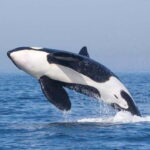
Turmares check-in in Tarifa: safety briefing with real-world tips
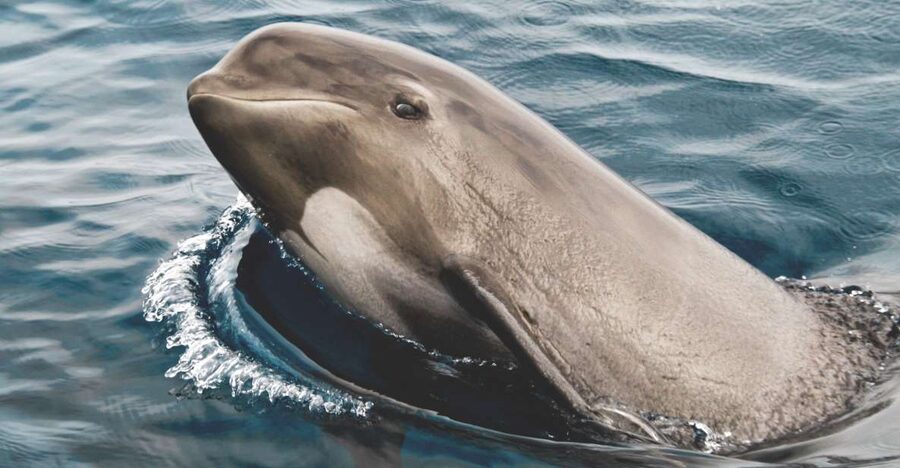
Your start point is Turmares Whale Watching in Tarifa. Plan to arrive early enough to get settled, because the process isn’t just paperwork. You’ll get a safety briefing (about 30 minutes), and that matters on this kind of cruise.
Tarifa itself gives you an easy option while you wait. There’s time built in to walk around, browse, and get your bearings near the meeting area. It’s a nice way to turn “standing around” into a quick little pre-boat break, especially if you’re arriving in town the same day.
One practical detail I really appreciate: the staff take sea comfort seriously. If conditions can turn a bit choppy, they’re not shy about recommending sea-sickness tablets. That’s a small thing, but it can make the difference between enjoying the ride and spending most of the trip negotiating with your stomach.
The 2-hour cruise: what you’re really doing out there
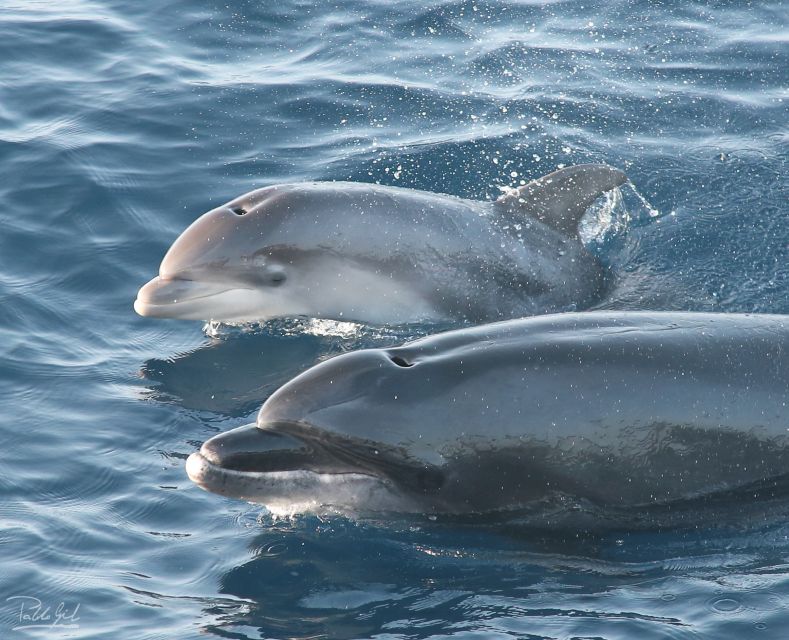
The heart of the tour is a guided cruise for about 2 hours, with constant searching and scanning as you go along the strait. You’re not waiting at a single spot hoping something swims by. The crew keeps an eye on marine life and adjusts where they look based on what they find.
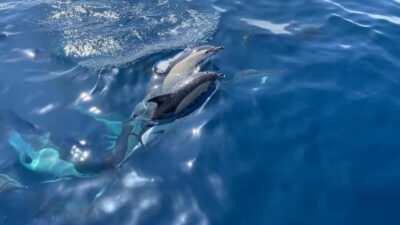
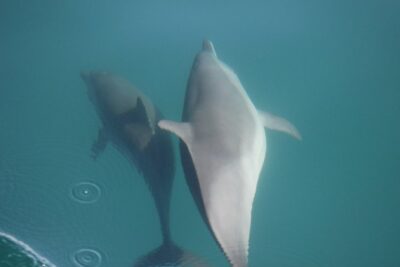
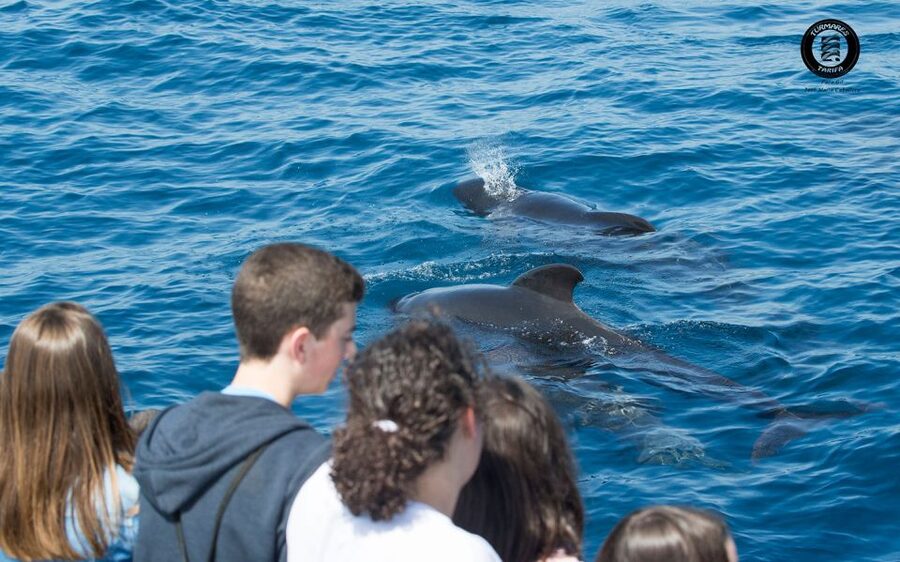
During the cruise, you’re focused on dolphins first, then whales when they’re present. The tour description highlights common, striped, and bottlenose dolphins, and it also points you toward possible whales like pilot, fin, and sperm whales. That range is important because cetacean viewing often depends on the day’s movement, not your schedule.
You’ll also get plenty of sweeping coastal views from the water. Even when animal sightings take time, the motion of the cruise and the changing perspective of the coastline keeps the trip from feeling like you’re stuck in one view bubble.
A quick note on pace: the sightings can cluster. When the crew finds a pod, you can get those “wait, it’s right there” moments, including sightings around and even under the vessel. That’s where a guide who knows how to spot and interpret behavior earns their pay.
What species you might see: dolphins are the safe bet, whales are the bonus
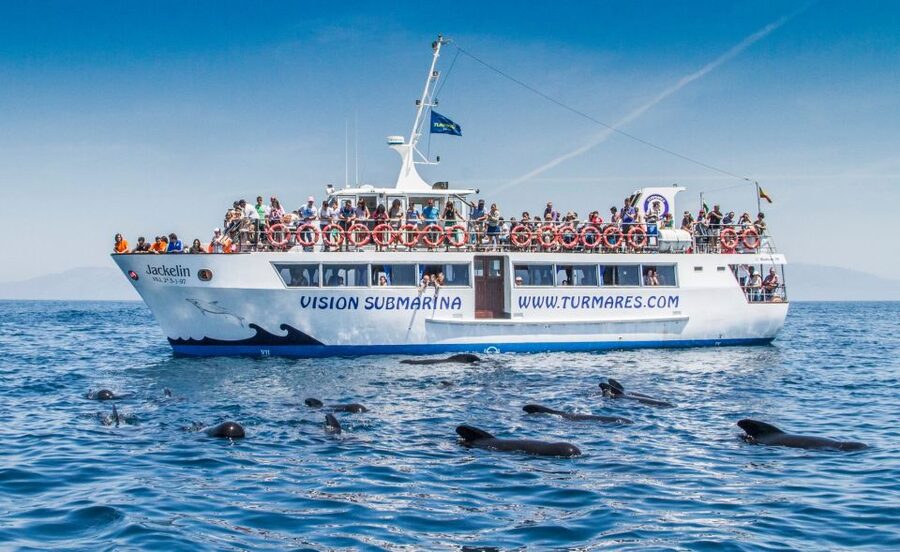
If you’re coming for whales, I’d still treat dolphins as the most consistent win. The tour is structured around the common dolphin and other local dolphin types, and many successful trips feature lots of dolphins even when whales are harder to pinpoint.
Here’s how I’d think about it:
- Pilot whales are a common highlight, often showing up as a family group.
- Fin whales and sperm whales are the “wow” species when conditions line up.
- Dolphins can be energetic and curious, and they’re often easier to track visually than whales that surface farther apart.
There’s also a possibility of other marine life (like a sea turtle) in some trips, depending on what the crew finds that day. I wouldn’t plan your hopes around it, but it’s a reminder that you’re not limited to the strict whale-and-dolphin checklist.
The guide also explains migratory routes, which helps you understand why sightings happen when they do. When you know what the crew is looking for, you’re less likely to miss the moment something surfaces and then vanishes.
Rules that protect animals and improve your experience
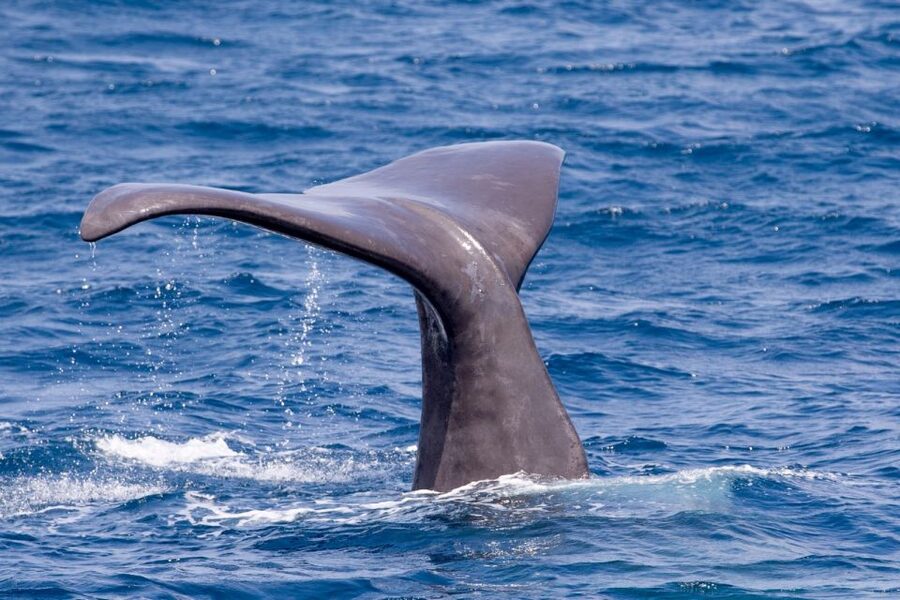
This isn’t one of those tours that treats wildlife like an attraction you rush through. The operator specifically uses distance and speeds outlined by Spanish legislation and ACCOBAMS regulations, and they emphasize approaching animals with caution to avoid disturbing them.
What that means for you in practice:
- The crew’s focus stays on responsible viewing, not forcing closeness.
- You might not always get the closest possible shot, but you’re more likely to get respectful viewing that allows the animals to keep their natural behavior.
- You’re also more likely to see multiple sightings in a day, because the crew can move intelligently rather than staying glued to one spot too long.
From the experience perspective, this is one of the biggest quality signals. A good animal-viewing crew knows that a stressed pod equals a shorter encounter. When the crew pulls back or adjusts based on animal behavior, you feel it in the overall vibe: controlled, patient, and attentive.
And the tour has clear on-board rules too: no flash photography, no feeding or touching animals, and no loud noise. It keeps the environment calmer for wildlife and for everyone on the boat.
On-board comfort: big boat, real sea movement, and how to dress
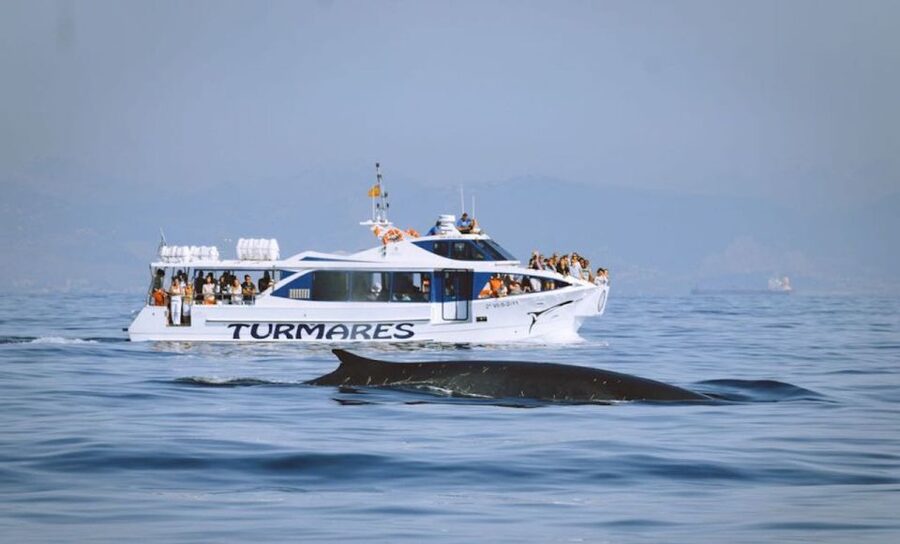
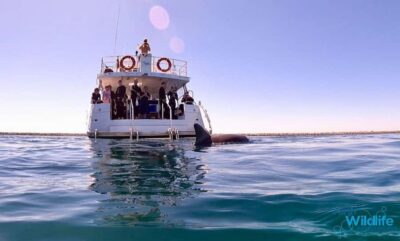
The ship used on this kind of cruise can be on the larger side. That’s helpful because it reduces crowding and often feels steadier than small craft. Still, the ocean doesn’t sign petitions. If sea conditions get rough, the boat will move.
So dress like you’re going to be on open water, not in a comfortable café:
- Wear comfortable shoes
- Bring a sun hat and sunscreen
- Add a jacket, since wind and spray can cool you quickly
One more practical tip: if you’re sensitive to motion, take precautions before you’re already feeling bad. The staff suggestion about sea-sickness tablets is exactly the kind of move you want to make early.
Also, if you think you’ll forget water, don’t panic. There can be drinks and snacks for sale, including options like water, so you’re not stuck searching for a shop mid-cruise.
Value for money: $53 for 2 hours plus a second chance
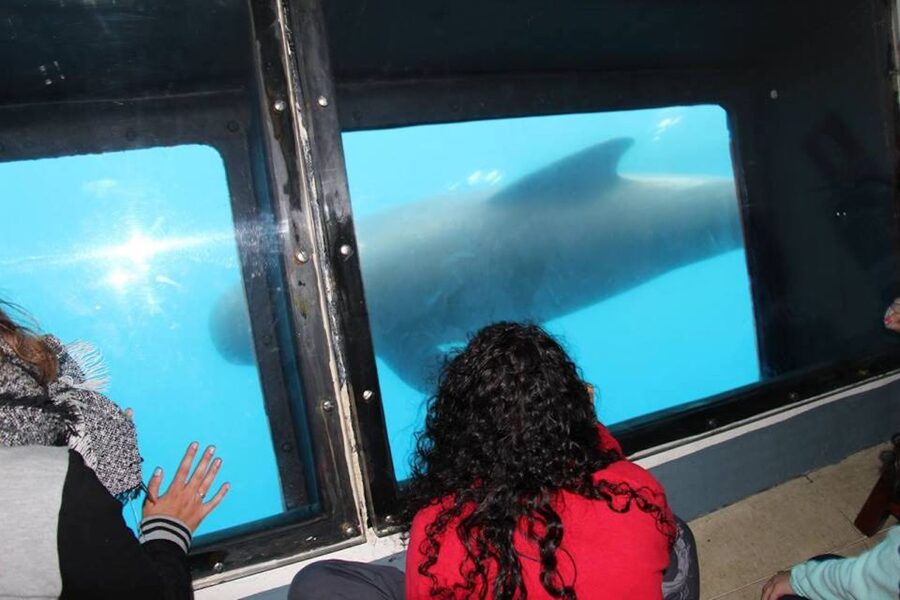
Price is $53 per person for a 2-hour cruise, which is a fair rate considering you’re getting a live guide plus active searching in a protected wildlife zone. The key value is the structure: you’re not just paying for a ride. You’re paying for guided effort in finding cetaceans.
The biggest “value kicker” is the second chance if you don’t see any cetaceans. That shifts the tour from a gamble to something closer to a supported plan. Even if you’re unlucky once, the experience still has a built-in opportunity to pay off.
And because the guide gives context about migratory routes and marine life behavior, you leave with more than a few photos. You come away knowing what you were watching and why it likely appeared when it did.
If you’re deciding between whale watching and a cheaper boat tour, the difference is the intentional search plus the responsible viewing rules. That’s what makes the $53 feel more like a wildlife-guided outing than a sightseeing trip.
Who this Tarifa whale and dolphin tour is best for
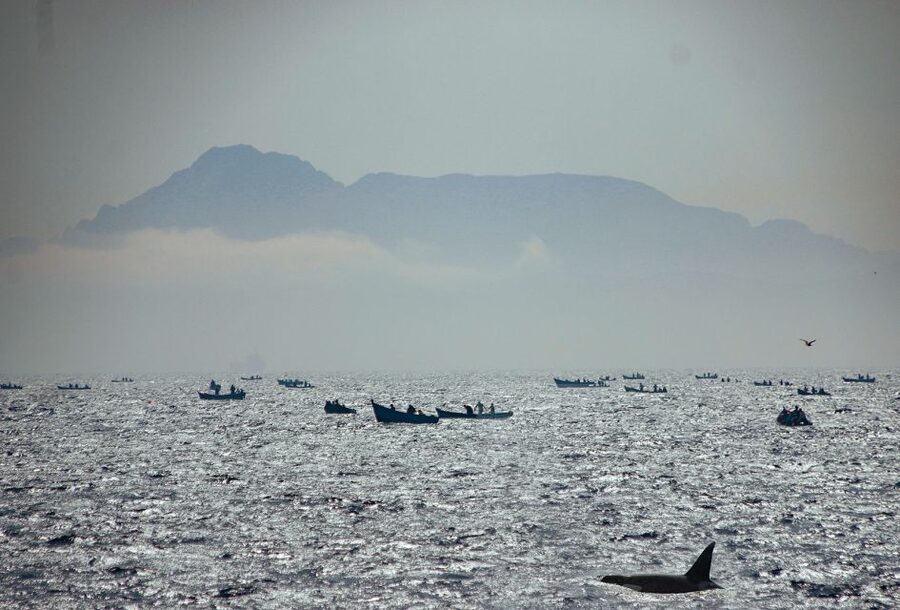
This tour is a strong pick if you:
- Want a 2-hour wildlife experience that doesn’t eat your whole day
- Prefer an organized guide-led format rather than DIY scanning
- Care about sustainable, regulation-based viewing
- Like the idea of a realistic chance at dolphins, with whales as a bonus
It also works for mixed groups. You’ll find people of different ages on these cruises, and the tour’s guide approach tends to keep the experience understandable for everyone.
The only group I’d caution is anyone who is very motion-sensitive and tends to wait too long to treat nausea. If that’s you, plan ahead. If you do, you’ll get the best of what the cruise offers: the search, the education, and the close-up moments when a pod shows up.
Should you book Turmares Whale Watching in Tarifa?
I’d book this tour if you’re going to be in Tarifa and you want a structured, responsible way to watch dolphins and whales in the Strait of Gibraltar. The combination of a live guide, active searching, and the second chance makes it more reliable than most “maybe you’ll see something” tours.
Skip it only if you:
- Know you can’t handle boat movement at all (and won’t take preventive steps)
- Want a guaranteed whale sighting no matter what the ocean does
If your goal is a great chance of dolphins plus a real shot at whales, with a crew that’s clearly focused on respectful viewing, this is an easy yes.
FAQ
Where does the tour start?
The meeting point is Turmares Whale Watching in Tarifa.
How long is the cruise?
The duration is 2 hours.
How much does it cost?
The price is $53 per person.
What language is the live guide?
The live tour guide speaks Spanish and English.
Can I take photos?
You’re not allowed flash photography.
What should I bring?
Bring comfortable shoes, a sun hat, sunscreen, and a jacket.
What can’t I do during the tour?
You can’t feed animals, touch animals, or make noise.
Is the activity wheelchair accessible?
Yes, the tour is wheelchair accessible.