REVIEW · NILAVELI
Trincomalee: Dolphin & Whale Watching Boat Tour
Book on GetYourGuide →Operated by PIGEON ISLAND TOURS PVT LTD · Bookable on GetYourGuide
A fast boat chase in good sea conditions is a joy. This Trincomalee dolphin and whale watching trip gets you out early, when the ocean feels alive and sightings are most likely. You’ll run out from Nilaveli Beach, scan for dolphins first, and then keep watch for bigger whales farther offshore.
What I like most is the focus on marine-life viewing with safety gear (life jackets are provided) and the simple, practical set-up for a morning outing. I also like the fact that the experience is built around serious observation time on the water, not a long, tiring schedule with extras you may not want.
One thing to consider: whales are never guaranteed, and conditions plus how many boats are on the water can affect what you actually see. If your only goal is blue or sperm whale spotting, you’ll want to manage expectations.
In This Review
- Key points worth knowing before you go
- Trincomalee from Nilaveli: the morning timing that actually matters
- What the 2.5 hours on the Indian Ocean is really like
- Dolphins first, then the whale scan
- The guide factor: speed, focus, and respecting animals
- Boat, comfort, and safety details that affect your experience
- Price and value: is $40 a fair deal for Trincomalee wildlife?
- How to prepare: what to pack for a windy, early start
- Who should book this boat tour (and who should skip it)
- What to watch for on the day: photo opportunities and spotting cues
- Should you book the Trincomalee dolphin and whale watching boat?
- FAQ
- How long is the dolphin and whale watching tour from Nilaveli Beach?
- What time does the boat leave?
- What’s included in the ticket price?
- Is hotel pick-up included?
- Can I swim or smoke during the tour?
- Are whale sightings guaranteed?
Key points worth knowing before you go
- Early departure (5.30–5.45 AM) is part of the strategy for better animal sightings.
- A fast, modern boat helps cover water and chase the right areas.
- Many dolphins are common, but whales depend on season and what’s happening that day.
- Marine etiquette can vary when lots of boats show up near dolphins.
- Bring basics for comfort: sunscreen, sunglasses, camera, and a light layer for wind.
Trincomalee from Nilaveli: the morning timing that actually matters
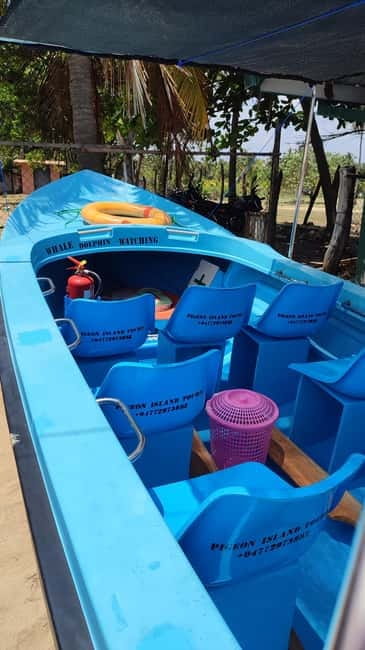
This tour is built around one of the simplest rules of wildlife watching: start early. Boats head out from Nilaveli Beach between 5.30 AM and 5.45 AM, and you should be there about 15 minutes ahead so you don’t feel rushed when life jackets and quick instructions come first.
Morning light also helps you spot movement on the water, and it usually makes photos more forgiving. Add the sea breeze and that calm, early-ocean feeling, and you’ve got the right mood for dolphin behavior, which often shows up as fast, playful surface activity.
If you’re the type who prefers a relaxed morning, you’ll still want to treat this as a “get moving early” plan. That time cost is part of why people book this in the first place.
What the 2.5 hours on the Indian Ocean is really like
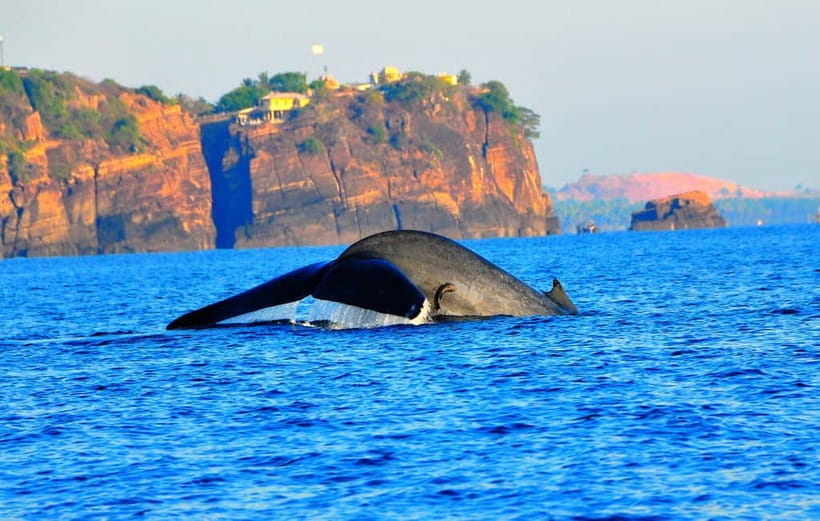
At a high level, you’re looking at a short briefing, boarding, then a focused run on the water. The tour duration is about 2.5 hours, and that timing can shift with sea conditions and where animals are showing up.
You’ll glide over calm blue water with safety gear on, and the ride can feel exciting—especially if your boat is quick. A few people also report that the drive to the spotting area can feel long (think close to an hour). If you’re prone to motion sickness, that matters.
On the water, dolphins are often the first sign you’ll get. Expect to see them spinning, leaping, and racing alongside the boat when conditions are right, along with plenty of photo moments if you keep your camera ready.
Dolphins first, then the whale scan
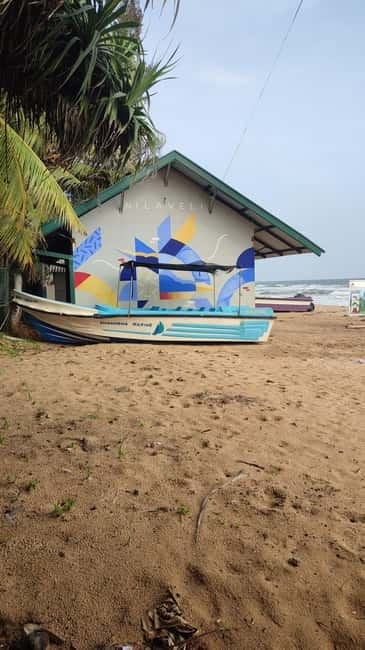
This is a two-stage viewing plan: scan for dolphins, then keep watch farther out for whales. The goal lists blue whales and sperm whales, plus spinner dolphins—but the order in real life usually starts with dolphins.
Why that matters: dolphins often show up at the surface and react to boats, while whales can be less frequent and harder to predict. Even when the team does everything right, whales may stay underwater longer or simply not be in the area that morning.
Season plays a big role. The best odds are March–August, and if you’re traveling outside that window, you should assume you might only see dolphins. That’s not a failure of the tour—it’s just how marine life behaves.
You might also spot other ocean visitors like flying fish, sea turtles, or pilot whales, depending on what’s active that day. When the ocean is busy, sightings can stack up.
The guide factor: speed, focus, and respecting animals
This kind of tour lives or dies by the team’s judgment at sea. The experience is positioned as eco-friendly and led by local expertise, and many people appreciate the guide staying engaged and informed during the hunt.
At the same time, real-world viewing can get crowded. Some reports describe a lot of boats clustering and drivers chasing pod behavior rather than calmly letting animals move naturally. Another issue that’s occasionally mentioned: a boat that moves very fast when dolphins appear, which can reduce how much you actually get to watch.
So here’s your practical takeaway: you want a captain who slows down or positions safely when animals show. If you feel the boat is treating sightings like a sprint, you may get fewer moments of clear viewing.
Boat, comfort, and safety details that affect your experience
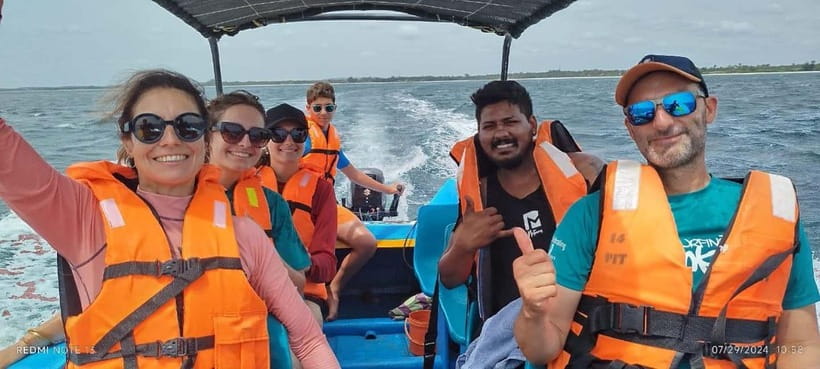
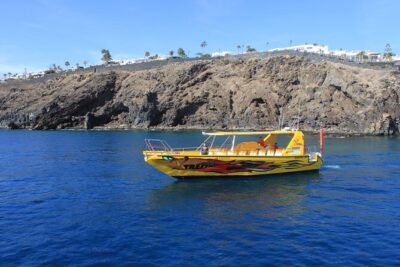
This isn’t a bare-bones experience. You’re on a comfortable, modern boat with safety gear, including a life jacket you’ll wear during the tour. A bottle of drinking water (500 ml) is included, which helps because you’re out early and the sun can still catch you once you’re on the water.
Wind is a real factor at sea, even when the shore feels warm. Bring a light jacket or something you can layer so you’re not freezing when the breeze picks up.
No smoking and no swimming are enforced rules, which is good for safety and for protecting the marine environment. Stick to watching from the boat and you’ll also keep the whole experience calmer.
Price and value: is $40 a fair deal for Trincomalee wildlife?
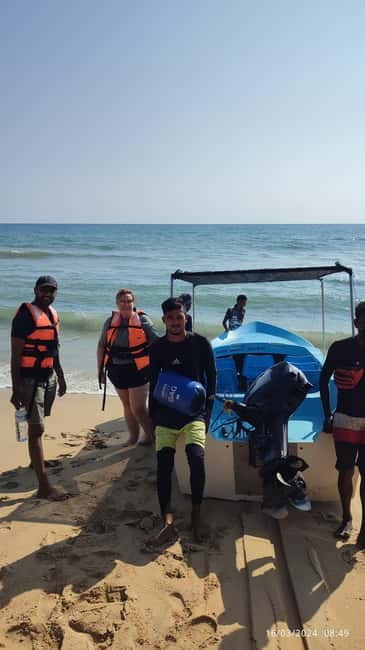
At $40 per person for a morning outing, the value comes from what’s included and what you’re buying: time on the ocean with a realistic chance of dolphins, plus a shot at whales when conditions and season line up.
Included basics are meaningful here:
- Seat on the boat with a life jacket
- 500 ml bottled water
Not included is also important to your budgeting: there’s no hotel pick-up/drop-off included. Some operators can arrange transport for an extra charge depending on distance, so you should price that in if you’re not already near Nilaveli.
If your main target is whales, you’re paying for the search—not a guaranteed sighting. But if you’re happy with dolphins as the main event, this can be an excellent way to spend a morning in the Eastern Province without committing to a full day.
How to prepare: what to pack for a windy, early start
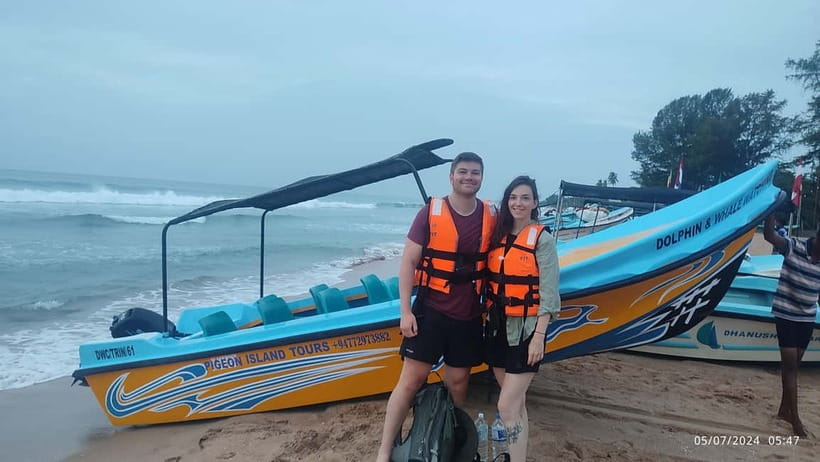
This tour is simple on paper, but your comfort depends on preparation. Bring:
- Sunglasses
- Camera
- Drinks and extra water if you like (even though 500 ml is included)
- Sunscreen and a hat if you burn easily
Also pack thinking about movement. If you tend to get seasick, bring seasickness medication ahead of time, not after you start feeling it.
Dress for wind, not just sun. Comfortable clothes work best, and a light jacket can save your mood once you’re out in open water.
One more practical note: you’ll have a lot of moments where fast changes happen on the surface. If you’re using binoculars, bring them—your eyes will thank you.
Who should book this boat tour (and who should skip it)
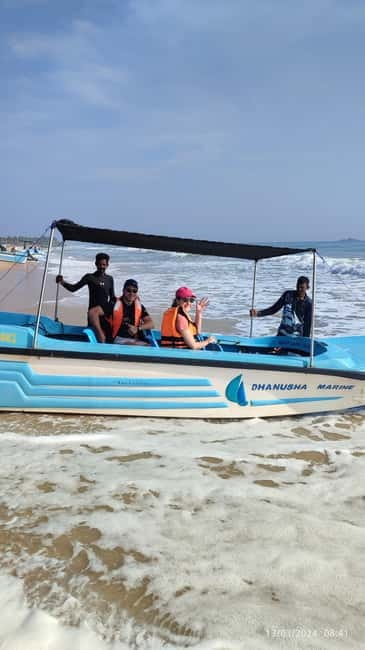
This trip is best for people who want a classic wildlife morning and don’t need guaranteed whales to feel satisfied. It’s also a good fit if you’re traveling with kids who are old enough to enjoy the boat ride—children must be over 5 years old and should be accompanied by an adult.
It’s not a great match if you have health or mobility concerns. It’s not recommended for pregnant travelers, people with serious back problems, heart problems, or those over 70 years. If you have limited mobility, you may find the boat trip and early timing difficult.
If you’re a photographer, this can work well because dolphins often provide continuous action. Just remember: your best shots come from staying ready and tracking movement, not from putting your camera down while you scan.
What to watch for on the day: photo opportunities and spotting cues
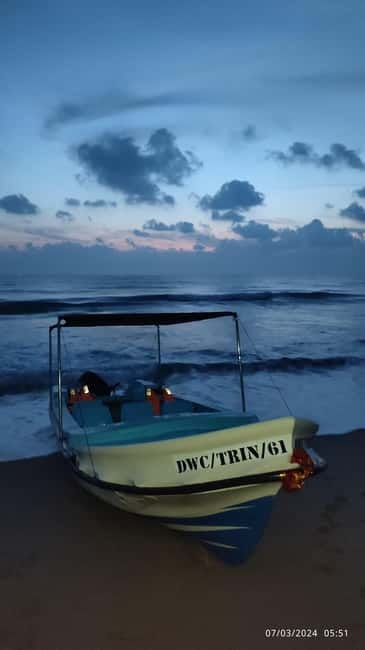
The whole experience is built for sighting and sharing photos. When dolphins are active, you’ll have frequent chances to capture behavior like leaping and spinning—especially when the boat positions near pods safely.
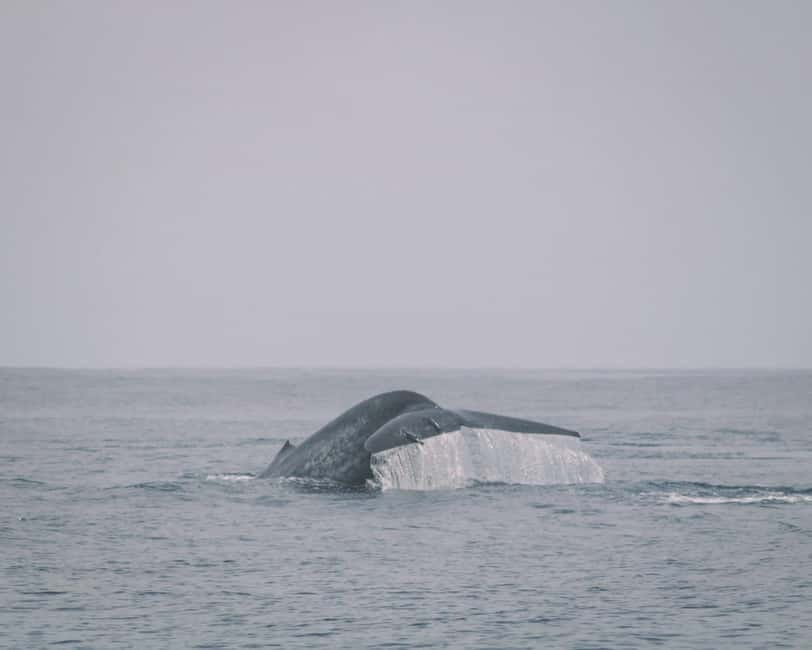
Whale spotting is different. You may see a spout, a surface break, or a quick glimpse before they disappear. That’s why patience matters, and why you should avoid assuming whales will show up on schedule.
Some people also describe extra enjoyment beyond the main spotting area, like stops or viewpoints after the dolphin zone. If your priority is just wildlife, that still counts as a bonus because it keeps the morning from feeling like you left your effort on the water.
Should you book the Trincomalee dolphin and whale watching boat?
Book it if you want:
- A high-odds morning plan for dolphins
- A short commitment (about 2.5 hours) with clear start-and-finish timing
- A boat setup that includes life jackets and water, plus early-season chances for bigger whales
Skip or think twice if:
- Your personal “success” condition is only blue or sperm whales
- You’re sensitive to motion and haven’t planned for it
- You need hotel pick-up and don’t want to deal with extra transport costs
If you go in with the right mindset—dolphins as the main event, whales as a bonus—this is the kind of Trincomalee outing that can make a coastal morning feel special fast. For reference, it’s run by PIGEON ISLAND TOURS PVT LTD, with pickup not included unless arranged.
FAQ
How long is the dolphin and whale watching tour from Nilaveli Beach?
The tour lasts about 2.5 hours on the water, with the exact timing that can shift based on sea conditions and marine life activity.
What time does the boat leave?
Departure is early morning, typically between 5.30 AM and 5.45 AM. You should arrive about 15 minutes before departure.
What’s included in the ticket price?
You get a boat seat with a life jacket and 500 ml bottled drinking water.
Is hotel pick-up included?
No. Hotel pick-up and drop-off are not included, though transport may be arranged for an extra charge depending on distance.
Can I swim or smoke during the tour?
No. Swimming is not allowed, and smoking is also not allowed.
Are whale sightings guaranteed?
No. Dolphin and whale sightings can’t be guaranteed, even though chances are higher in the March–August season.