REVIEW · WALVIS BAY
Walvis Bay: Namibian Coast Dolphin Cruise with Light Lunch
Book on GetYourGuide →Operated by Mola Mola Safaris · Bookable on GetYourGuide
Seals and pelicans greet you off Walvis Bay. On this 3-hour Walvis Bay dolphin cruise, you’ll work your way along the Atlantic coast with a live English guide, using the morning chill as an excuse for a Namibian coffee (or sherry) and a warm blanket before you hunt for marine sightings around Pelican Point.
I love how the boat ride stays relaxed while the captain and crew keep you focused on what’s actually happening in the water and on shore. Two big standouts for me are the chance to see around 100,000 seals at Pelican Point and the quality of the light lunch with oysters (plus a sparkling-wine pour).
The only real catch is that the weather can shift timing, and dolphin or whale sightings aren’t guaranteed. Still, even when animals don’t show up exactly when you hope, the coast itself (and the seal colonies) usually deliver plenty of wow.
In This Review
- Key highlights I’d circle in your plan
- Why This Walvis Bay Coast Dolphin Cruise Feels Worth the Trip
- Getting There: Meet at Walvis Bay Waterfront, Next to Anchors
- First Sip, Then the Cold Breeze: What the Start Really Does
- Out on the Atlantic: Dolphin and Whale Scanning Without the Fuss
- Pelican Point: The Seal Colonies That Do the Heavy Lifting
- How the Crew Works the Wildlife (and Keeps the Mood Calm)
- Light Lunch on the Coast: Oysters, Skewers, and Sparkling Wine
- Weather and Comfort: Plan for Wind, Bring Layers
- Price and Value: What $155 Buys You in Real Terms
- Who This Cruise Suits Best (and Who Might Want Another Option)
- A Quick Note on Rules Onboard
- Should You Book This Walvis Bay Dolphin Cruise?
- FAQ
- How long is the Walvis Bay Namibian Coast dolphin cruise?
- Where do I meet for the tour?
- Is lunch included?
- Are drinks included?
- Is hotel pickup and drop-off included?
- What wildlife can I expect to see?
- What items are not allowed on the tour?
Key highlights I’d circle in your plan
- Namibian coffee or sherry start to take the edge off the Atlantic breeze
- Pelican Point seal colonies with an estimated ±100,000 seals
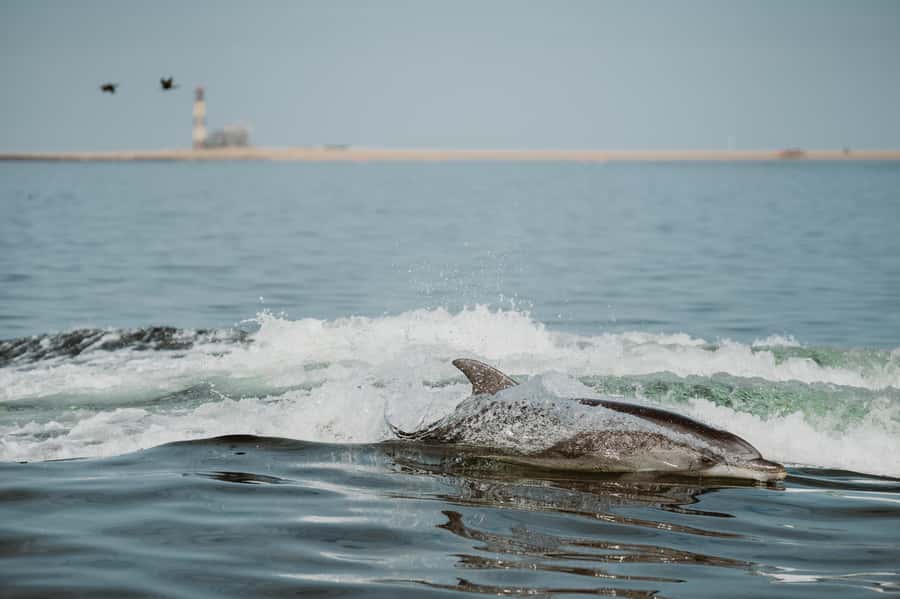
- Dolphin and whale search while cruising the Walvis Bay coastline
- Lighthouse views from a different angle as you get closer to shore
- Light lunch on the trip, including oysters and sparkling wine
- Crew approach that keeps a respectful distance from wildlife
Why This Walvis Bay Coast Dolphin Cruise Feels Worth the Trip
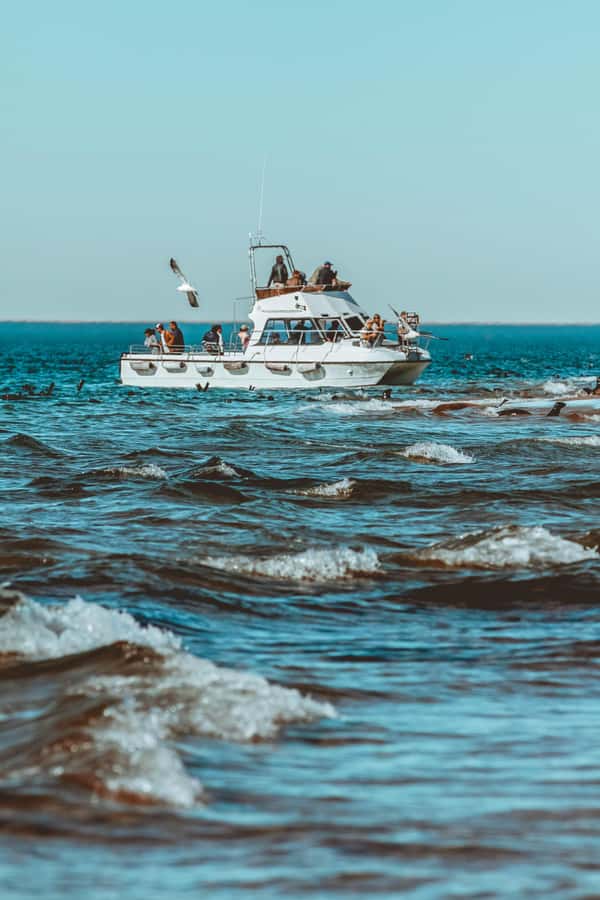
This tour is built around one very practical idea: you don’t need a full day to get real Namibia-coast action. In just three hours, you’ll go out onto the Atlantic, learn what you’re seeing, then come back to Walvis Bay Waterfront with the kind of memories that stick—seals piled together, pelicans working the airspace, and ocean wildlife that makes the whole shoreline feel alive.
I also like the pacing. You’re not stuck rushing from one stop to another. Instead, you’re cruising and drifting, with time to scan the water and listen to the guide’s commentary as you move along the coast. That format helps you make sense of what you’re seeing, even if you’re not a wildlife expert.
You can also read our reviews of more tours and experiences in Walvis Bay.
Getting There: Meet at Walvis Bay Waterfront, Next to Anchors
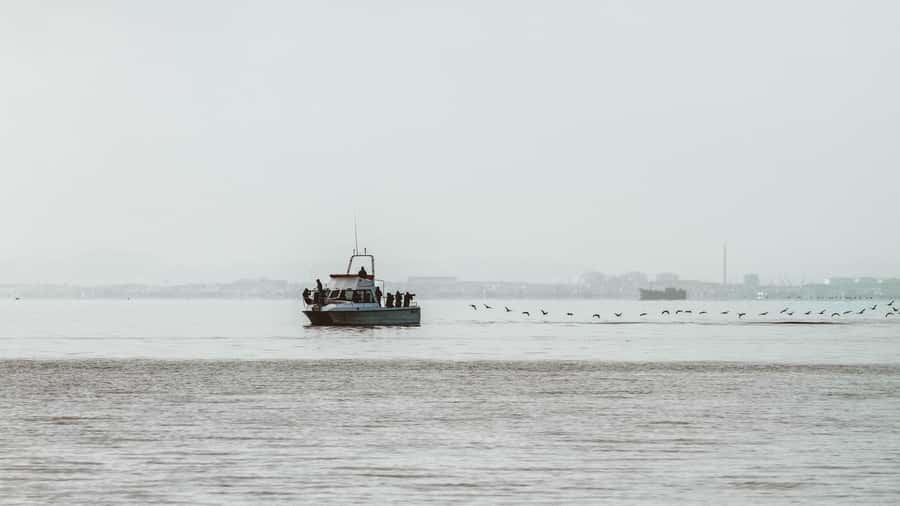
Logistics are simple, which matters when you’re on a timetable in Namibia. You meet at Walvis Bay Waterfront, right next to Anchors restaurant in the Red and Blue building.
Two details to plan around:
- No hotel pickup or drop-off is included, so you’ll need to get yourself to the waterfront.
- The tour is subject to timing changes due to weather, so don’t schedule something extremely tight right after.
Once you’re at the waterfront, the rest is straightforward: you’ll board, get oriented, then settle in for the ocean portion of the day. It’s a good setup if you want to keep the rest of your afternoon open for the rest of Walvis Bay.
First Sip, Then the Cold Breeze: What the Start Really Does
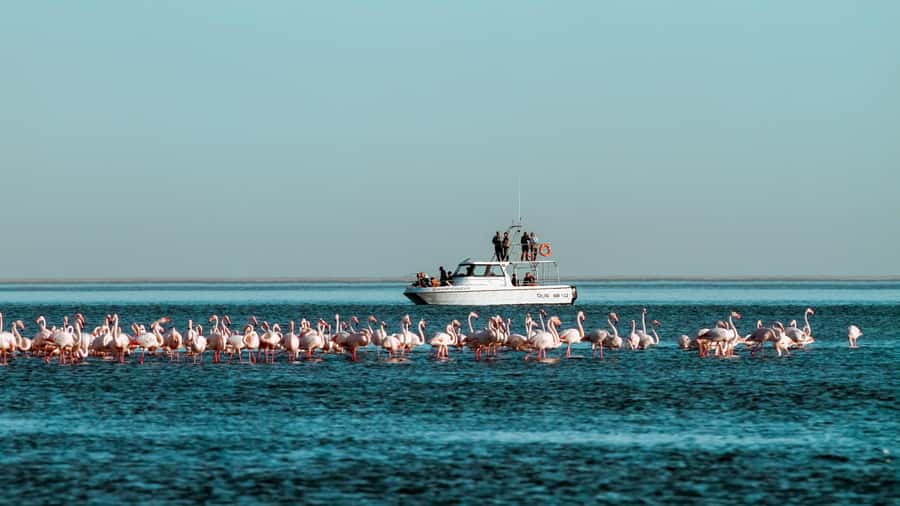
Before you’re out on the water, you’ll get a head start against the chill. The tour begins with a Namibian coffee or sherry, and you can also use a warm blanket once you’re seated on the boat.
That may sound like a small thing, but it changes how you enjoy the cruise. When your body is comfortable, you actually stay focused on spotting wildlife. You watch longer. You stop missing things while you’re busy checking your jacket. You’re more likely to enjoy the boat time rather than endure it.
Also, the included beverages throughout the cruise matter. This tour isn’t a “buy everything yourself” setup. You’re already covered for drink options, and that makes the whole outing feel smoother and better value.
Out on the Atlantic: Dolphin and Whale Scanning Without the Fuss
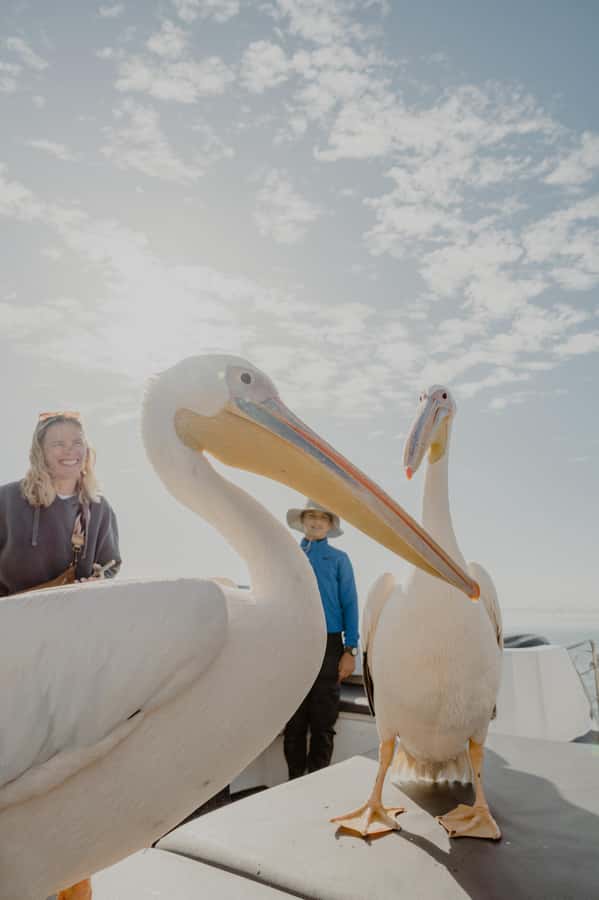
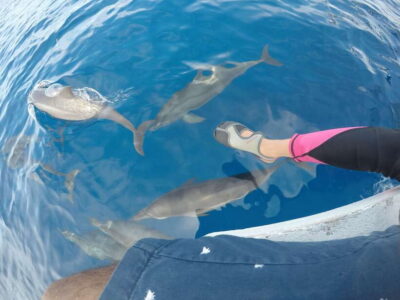
The main action starts once you’re cruising the Atlantic waters off the Namibian coast. You’ll spend time scanning for dolphins and whale sightings, while seals and pelicans keep turning up as you move.
Here’s what’s practical to know: wildlife spotting depends on conditions—water movement, wind, and visibility. So treat dolphin and whale sightings as a goal, not a promise. Even so, you’ll usually learn a lot from the guide while you’re searching, because the captain points out what to look for and where animals tend to show up.
One thing I really appreciate about this kind of cruise is that it’s not only about the big headline animals. You’re also paying attention to the smaller signals: bird behavior, how wildlife uses the coastline, and what local conditions mean for where you might see something.
Pelican Point: The Seal Colonies That Do the Heavy Lifting
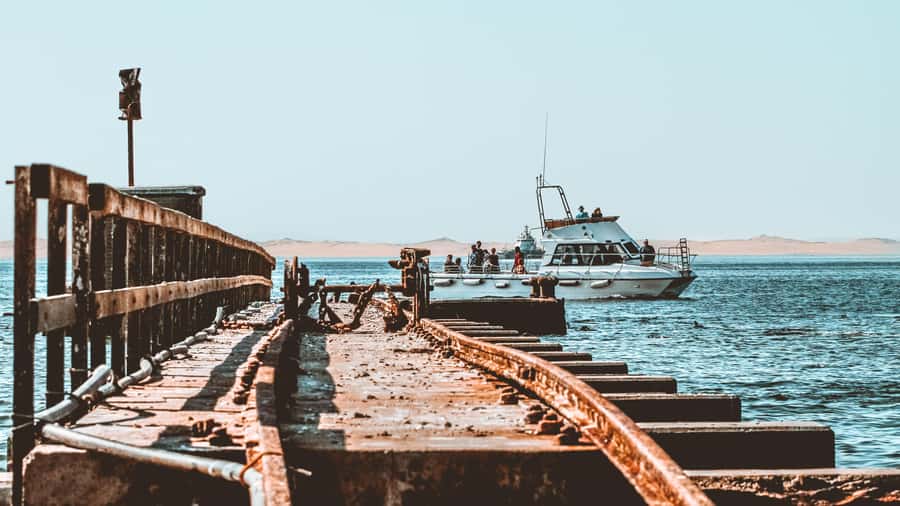
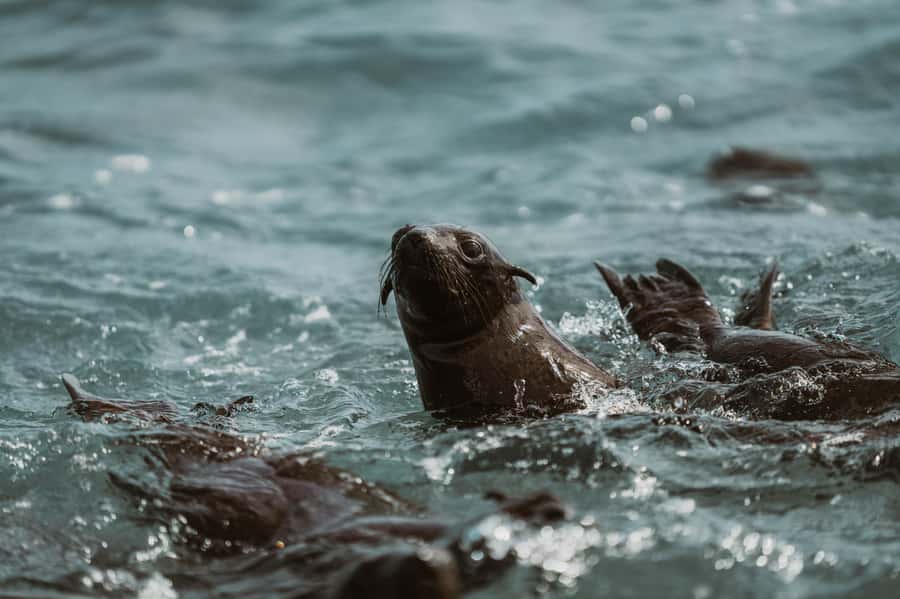
If you’re coming for sheer animal density, Pelican Point is the reason to be here. The coast around Pelican Point is home to an estimated ±100,000 seals, and the cruise format brings you in close enough to really register what that looks like.
What makes this stop special is perspective. From the water, you see the seal presence as a living shoreline feature rather than a photo opportunity. You can also watch how pelicans move around the same area, and how the whole ecosystem feels connected even when each species is doing its own thing.
The tour also includes views of the Pelican Point Lighthouse. Getting that landmark into the picture makes it easier to understand the coastline layout, too. You’ll leave with a mental map of where everything sits—waterline, lighthouse, and the natural “hangout” spots for animals.
How the Crew Works the Wildlife (and Keeps the Mood Calm)
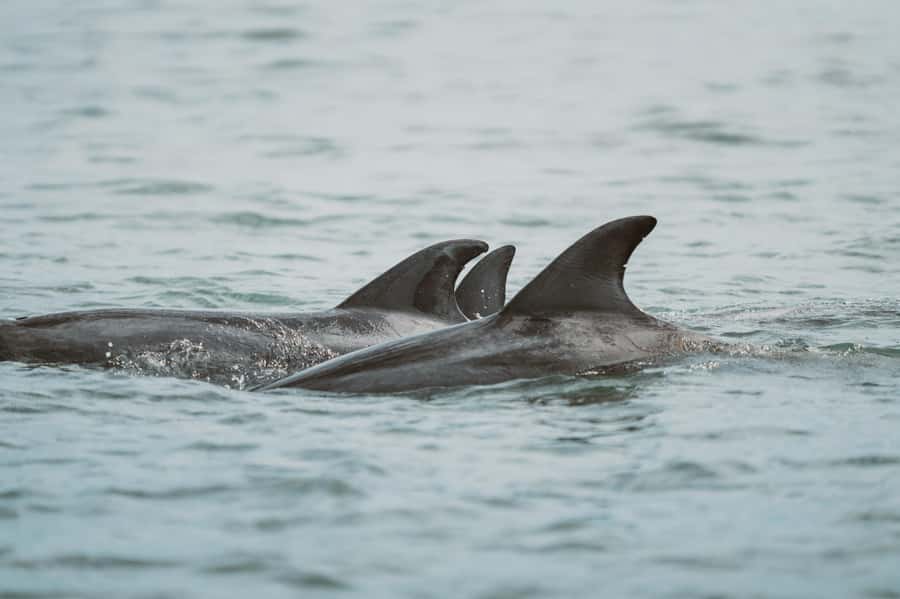
A big part of why this cruise scores highly is the way the crew talks about animals and handles the situation on the water. People specifically mention that the crew kept an appropriate distance and acted respectfully around wildlife, which is exactly what you want when you’re paying for a nature experience.
You’ll also notice how the commentary is tied to what’s actually happening. One review notes the captain taking time to explain history and animal activity around the Walvis port area. That kind of explanation doesn’t just make the trip feel smarter; it makes you more confident spotting things yourself afterward.
And when you’re on a boat, the tone matters. You don’t want frantic shouting or rushed scanning. This tour feels steady, with you being guided through the experience instead of being bounced around.
Light Lunch on the Coast: Oysters, Skewers, and Sparkling Wine
Let’s talk food, because on a coastal cruise, it can make or break the day. This one includes a light lunch, and the offering features oysters and a glass of sparkling wine.
In at least one account of the meal, the buffet-style spread included meat skewers, oysters, and sweet options afterward. Translation: you’re not getting a sad snack box. You’re getting a proper break that fits the outing.
Also, you’re not just eating at random. The lunch happens while the cruise is near the coastline, so you get that “ocean day” rhythm: ride, watch, drift closer to shore, then eat in a way that feels connected to the setting.
Practical note: since the timing can shift with weather, your hunger and your appetite for a good meal are worth prioritizing. This is the kind of tour where you’ll probably feel happy you didn’t skip lunch back on land.
Weather and Comfort: Plan for Wind, Bring Layers
The Atlantic breeze can make this feel cooler than you expect, even when the land looks sunny. The tour helps with warm blankets, but I still recommend wearing layers you can manage easily.
Good rule of thumb:
- A warm top you can keep on during scanning time
- Something wind-resistant, since boat spray and gusts happen fast
- Closed-toe shoes that won’t be annoying on a moving deck
One more thing: tour timings can change due to weather, so keep your schedule flexible. If you’re the type who stacks tours back-to-back, build in buffer time.
Price and Value: What $155 Buys You in Real Terms
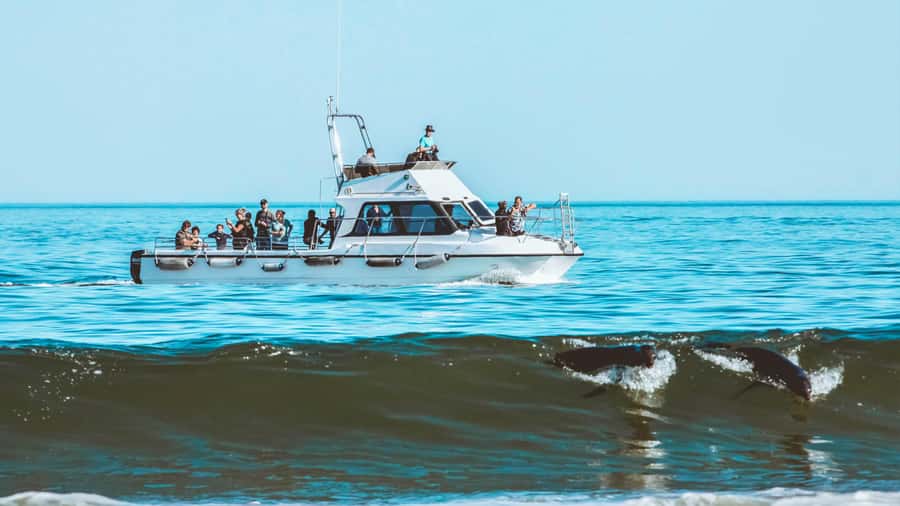
At $155 per person for about 3 hours, this cruise has to justify itself fast. Here’s what you’re actually paying for:
- A live English guide and captain-led animal scanning
- Boat time on the Atlantic off Walvis Bay
- Included drinks throughout the experience
- A light lunch with oysters and sparkling wine
- A structured way to reach Pelican Point and view the seal colonies and lighthouse from the water
When you compare it to the cost of doing wildlife viewing plus boat transport plus lunch separately, the math often starts to make sense—especially because you’re not dealing with extra meal expenses. The price also reflects the effort behind the scenes: finding the right water conditions, operating the boat safely, and managing wildlife encounters thoughtfully.
The only “value risk” is the one thing you can’t control: sightings aren’t guaranteed. But even when the dolphins or whales are quiet, the seal colonies and bird activity are usually the main event, and they’re exactly what this cruise is designed around.
Who This Cruise Suits Best (and Who Might Want Another Option)
This is a strong fit if you:
- Want a short, high-impact wildlife experience from Walvis Bay
- Like learning from a guide while you scan for dolphins or whales
- Care about respectful wildlife viewing and a calm, well-run boat atmosphere
- Are excited by the idea of seeing seal colonies up close, not just from a distant shore
It may be less ideal if you’re only happy with one kind of sighting. If you’re coming solely for guaranteed whale sightings, you could end up disappointed. The cruise offers the search, but nature doesn’t promise the final chapter on schedule.
A Quick Note on Rules Onboard
To keep the experience safe and smooth, there are clear “no” items. You can’t bring pets, baby strollers, luggage or large bags, and the tour doesn’t allow alcohol and drugs. Diving is also not allowed.
That means you should travel light and plan to hold essential items during the cruise. If you’re bringing anything bulky, you’ll want to rethink it before you arrive at the waterfront.
Should You Book This Walvis Bay Dolphin Cruise?
I’d book it if your priority is a well-paced, guided Atlantic cruise that delivers real wildlife time—especially Pelican Point seals—and you’re happy that dolphin or whale sightings are a bonus rather than a promise. The combination of included drinks, a light lunch with oysters, and a crew that keeps a respectful distance from animals makes it feel like more than just a boat ride.
If you’re flexible, dress for wind, and keep your expectations honest about weather and wildlife, this is a very practical way to experience Namibia’s coast in a few hours. For many people, that’s exactly what a good day on the water should be.
FAQ
How long is the Walvis Bay Namibian Coast dolphin cruise?
The cruise lasts 3 hours.
Where do I meet for the tour?
You meet at the Walvis Bay Waterfront, next to Anchors restaurant, in the Red and Blue building.
Is lunch included?
Yes. A light lunch is included, including oysters.
Are drinks included?
Yes. Alcoholic and non-alcoholic beverages are included.
Is hotel pickup and drop-off included?
No. Hotel pickup and drop-off are not included.
What wildlife can I expect to see?
You may see dolphins or whales, along with seals and pelicans. The cruise also reaches Pelican Point, which is known for large seal colonies (about ±100,000).
What items are not allowed on the tour?
Pets, baby strollers, luggage or large bags, alcohol and drugs, and diving are not allowed.