REVIEW · PORT ELIZABETH
Whale, Dolphin & Penguin Island Cruise
Book on Viator →Operated by Raggy Charters · Bookable on Viator
Algoa Bay at sunrise is a treat. This 4-hour cruise from Port Elizabeth is built around slow viewing from a twin-engine catamaran and a real focus on Algoa Bay marine life: humpback whales, bottlenose dolphins, and endangered African penguins. You also get time with the skipper and conservation-minded crew, not just a quick drive-by.
What I like most is the smaller size, with a max of 20 travelers, and the way the team keeps the day moving at a calm pace so you can ask questions and photograph what you came for. I also like that the cruise is designed as eco-sustainable, backed by a tree-planting campaign to help balance the carbon footprint.
One drawback to plan for: this trip is weather-dependent. If conditions are poor, you could be moved to another date or offered a full refund, so it helps to have flexible plans.
In This Review
- Key things to know before you go
- Algoa Bay at 8am: setting sail from Port Elizabeth
- What the “slow and steady” pace really buys you
- Whales in Algoa Bay: humpback season and southern right timing
- How the crew planning helps
- Dolphins: close bow-riding bottlenose and fast common dolphins
- St. Croix Island penguins: endangered African birds and a conservation lens
- Why the island stop feels different from open-ocean spotting
- Other marine wildlife you may spot on the water
- Small boat comfort, safety, and why the group size matters
- Price and value: what $185.19 buys you in Port Elizabeth
- When to book and when you might see more
- Who this cruise is best for
- Should you book the Whale, Dolphin & Penguin Island Cruise?
- FAQ
- How long is the Whale, Dolphin & Penguin Island Cruise?
- What time does the cruise depart from Port Elizabeth?
- Where do I meet for the cruise?
- How many people are on the boat?
- What animals can I expect to see?
- Is this cruise suitable for children or all ages?
- What if the weather is poor?
Key things to know before you go
- Small group on a catamaran (max 20) means more time with the crew and less rushing.
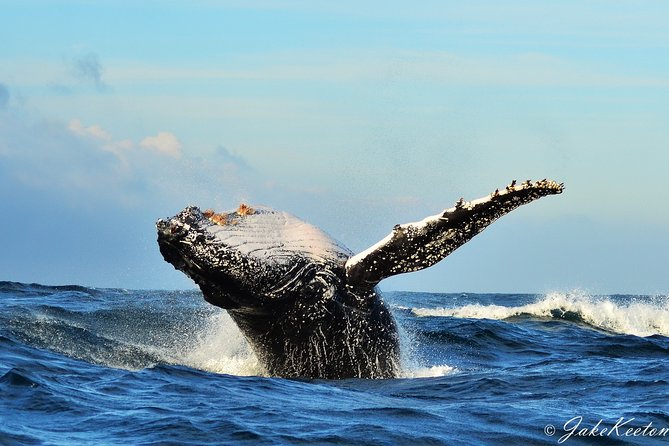
- Algoa Bay seasons matter: humpbacks are most likely from June to early December.
- St. Croix Island penguin encounter links the wildlife you see to real conservation needs.
- Tree-planting for carbon balance is part of the cruise’s eco-sustainability approach.
- Bottlenose dolphins can be close to the boat and may ride the bow waves year-round.
Algoa Bay at 8am: setting sail from Port Elizabeth
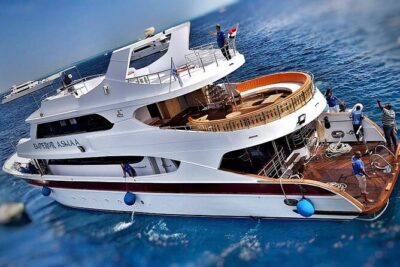
You meet at the Nelson Mandela Bay Yacht Club on the Dom Pedro Jetty in Port Elizabeth Harbour at 8:00am. The day starts with a short briefing, then you head out on a twin-engine catamaran. The timing is smart. Early on the water is often calmer, and your best odds usually come when the sea is still waking up.
This cruise runs only once a day, which shapes the whole feel: less of a production line, more of a dedicated wildlife outing. The onboard approach is also practical. With a maximum of 20 people, the skipper and crew can adjust routes to where sightings are most likely and still keep everyone informed.
You’ll use a mobile ticket, and confirmation is sent at booking. If you’re traveling with mobility needs, the tour notes that disabled travelers can board with assistance from family and crew, and life jackets are available for all ages.
What the “slow and steady” pace really buys you
A fast boat trip can turn wildlife spotting into a game of luck and motion sickness. Here, the emphasis is on a slower pace and more time on the water. That matters because animals do not show up on a schedule. When you spend extra minutes watching instead of racing, you give yourself more chances for dolphins to approach, for whales to surface at the right moment, or for penguins to be visible during the timing of your island stop.
Whales in Algoa Bay: humpback season and southern right timing
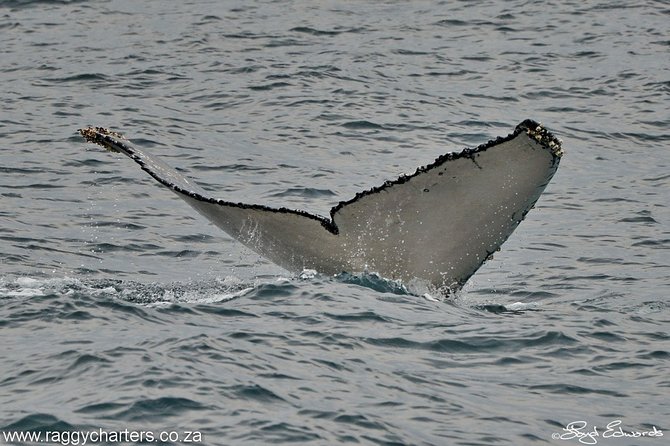
Whales are the headline, and the cruise is built around the rhythm of the local coast. Humpback whales can be seen in Algoa Bay from June to early December as they move along the East African route toward breeding grounds. From October, females with calves often appear on the return journey. That detail matters because it can change the type of sighting you hope to see: sometimes you’re looking for a larger animal; other times you’re watching for mothers and calves together.
There’s also the chance of southern right whales, which are reported close to shore from July to September. This is one of those “don’t count it out, but don’t demand it” situations. Whale days depend on the ocean and the whales, not your calendar.
How the crew planning helps
A big advantage of having a skipper plus a conservation-minded guide is that you’re not just chasing “whale, whale, whale.” You’re being guided on what you’re likely to see and when. During the ride, you’ll get context on what you’re seeing and why it’s happening, which makes the sighting feel more than a quick photo moment.
And based on real-world feedback, the team works to keep visibility and viewing angles as strong as possible, even when the sea gets a bit choppy. Safety attention also shows up repeatedly in guest comments, which is reassuring when you’re out on open water.
Dolphins: close bow-riding bottlenose and fast common dolphins
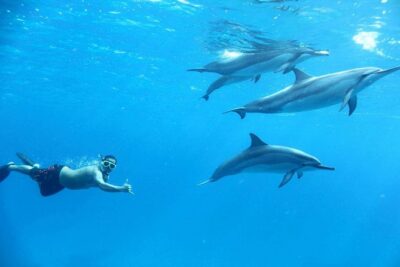
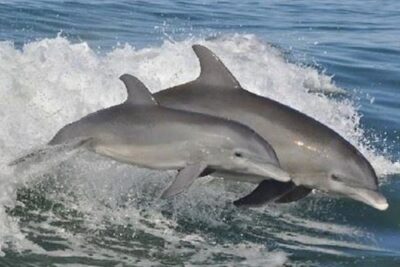
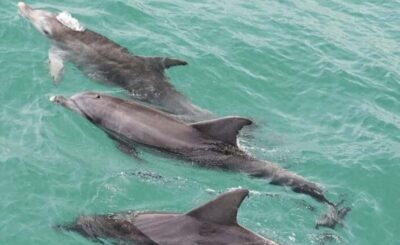
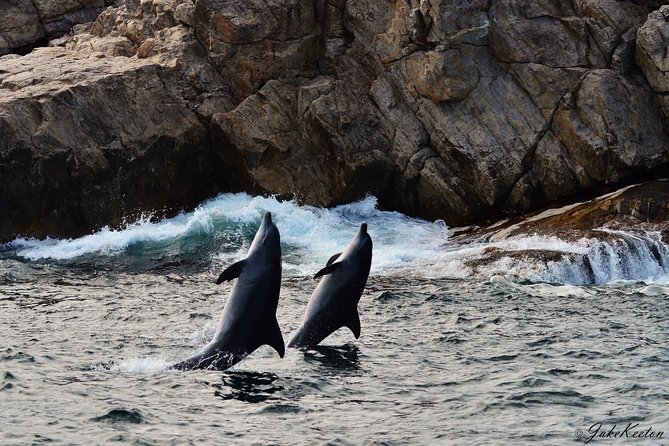
Algoa Bay is also a strong dolphin area. The most frequently observed are indo-pacific bottlenose dolphins, seen all year round. They tend to show up in groups ranging from 10 to 400, often in shallow waters near beaches or around St. Croix Island. They may come close and sometimes ride along in the bow waves, which is exactly what you want on a photo day. It gives you a chance to capture that motion and the social behavior that makes dolphins so special.
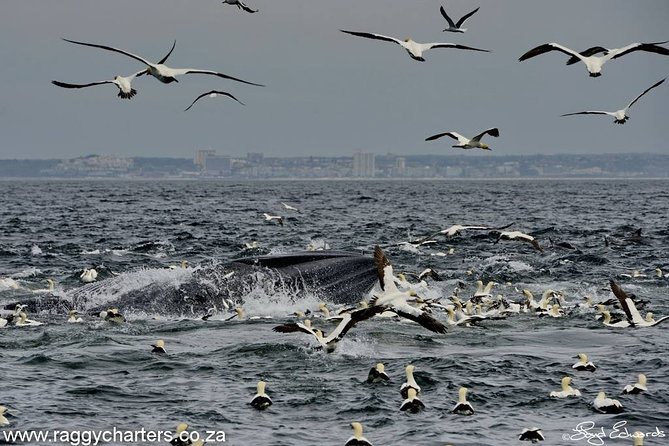
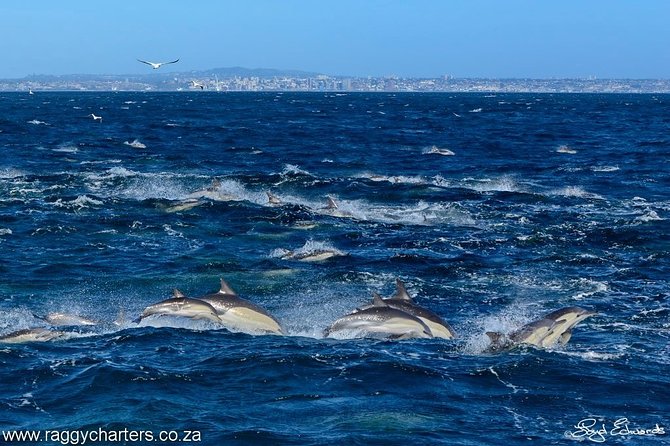
You can also see common dolphins. They tend to appear in much larger groups, often 1,000 to 2,000, moving fast and further out to sea. They’re described as often spotted on routes tied to bird island areas, since common dolphins may follow baitfish shoals. In other words, it’s less about a dolphin strolling by your boat and more about tracking a moving food chain.
Then there’s mention of humpback dolphins in Algoa Bay. That’s an extra bonus if they’re in the area during your sailing. The cruise approach helps here: the slower pace and the crew’s scanning time improve your odds that you’ll catch the moment dolphins shift position.
St. Croix Island penguins: endangered African birds and a conservation lens
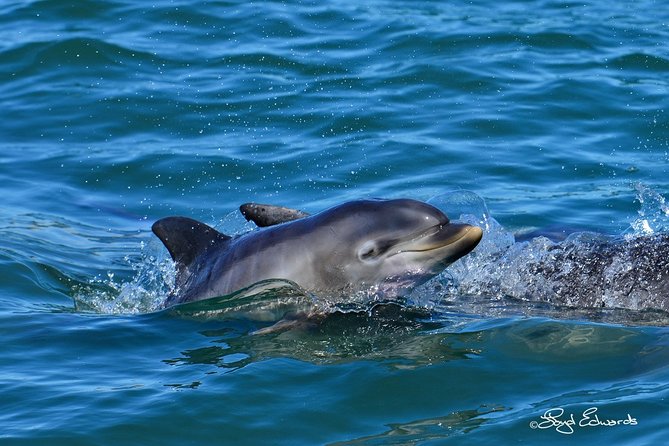
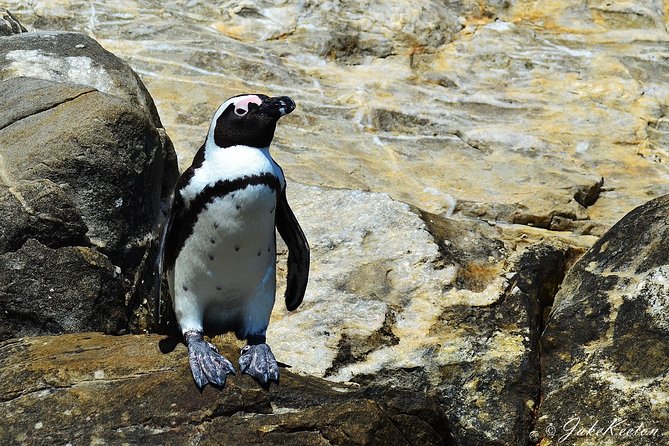
If whales are the headline, St. Croix Island penguins are the emotional payoff. St. Croix Island is home to about 12,000 endangered African penguins, described as the largest breeding colony found in Africa. The island’s story also comes with hard context: the colony has been reduced significantly over the last decade, with notes of about a 70% loss in 10 years.
You’re not visiting just to tick off a species list. You’re getting a close-up encounter and learning about conservation along the way. The penguins’ breeding peak is March to May, when you may be able to see chicks from the boat. Even if you’re not in peak chick time, the island stop is still about understanding how fragile the penguins’ future is and why protection matters.
Why the island stop feels different from open-ocean spotting
On the sea, you’re watching behavior from a distance that changes every minute. On the island, you get time to connect what you see with the place those animals call home. The cruise also highlights additional bird life around the penguins. St. Croix and neighboring areas can host species like the endangered African black oystercatcher, along with white-breasted cormorants and Cape cormorants.
There’s also a bigger conservation framework mentioned here: St. Croix Island and the bird island group became part of Addo Elephant National Park, with rangers patrolling the area. That helps explain why this visit is not just a wildlife experience, but also a conservation education moment.
Other marine wildlife you may spot on the water
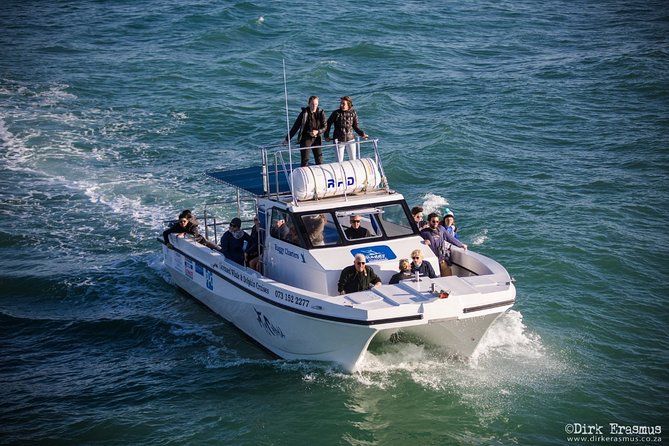
This cruise isn’t limited to three stars. The waters of Algoa Bay can throw in other surprises. You might see Cape fur seals, and the cruise notes potential sightings of various sharks, plus Cape gannets and multiple pelagic birds.
For cetaceans, there are additional possibilities listed, including bryde’s whales and minke whales. Whether you see them depends on the day’s conditions and where the animals choose to surface. What’s valuable is that the crew’s talk prepares you to recognize what you’re seeing instead of guessing in silence.
Bird spotting can be part of the fun too. The description includes pelagic types such as terns, petrels, skuas, shearwaters, and albatrosses. If you’re someone who likes reading the water and the sky at the same time, you’ll get extra satisfaction from this portion of the route.
Small boat comfort, safety, and why the group size matters
The cruise is capped at 20 travelers, and that’s not a random detail. With fewer people onboard, you get less crowding at the best viewing points and more room to move when the skipper adjusts course. It also makes it easier for the guide to keep conversation going and answer questions without talking over each other.
Guest feedback also points to a crew that handles conditions well, including rougher weather on the day. If you’ve ever been on a boat where everyone just white-knuckles it, you’ll appreciate a setup where the safety plan feels real and the crew stays focused on keeping everyone comfortable enough to see wildlife.
Life jackets are available for all ages, and boarding with assistance is supported for disabled travelers. That doesn’t mean you should ignore personal comfort, but it does suggest the operation takes practical needs seriously.
Price and value: what $185.19 buys you in Port Elizabeth
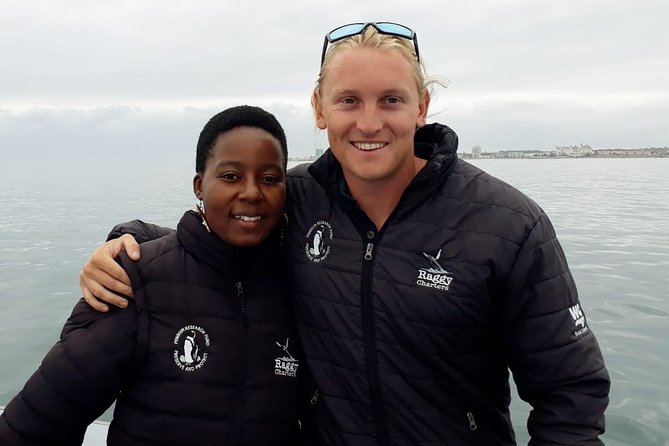
At $185.19 per person, this isn’t a cheap activity. The value comes from a few things you can actually feel: the slow pace, the small group size, and the focus on education and conservation, not just wildlife spotting.
A 4-hour outing is a good length. It’s long enough for multiple sighting opportunities and a penguin encounter, but short enough that you’re not committing your entire day. Also, this cruise runs once per day, so it’s designed as a complete experience rather than a hop-off stop.
There’s also an eco angle that isn’t just marketing. The cruise is described as eco-sustainable via a tree-planting campaign intended to balance the carbon footprint. It won’t fix every environmental issue, but it’s a real attempt to measure and offset impact, which is more than you can say for many wildlife trips.
One more value note from real-world planning: people have recommended booking direct because it can save money compared with some cruise-style add-ons. The key takeaway for you is simple: if you see this advertised through multiple channels, compare total cost for the same boat and duration.
When to book and when you might see more
The average booking window is 64 days in advance. That tells you this is a popular Port Elizabeth wildlife activity, and you’ll do better by booking early rather than waiting for the last-minute “maybe the whales will be there” plan.
About animal odds: humpbacks are seasonal (June through early December), southern right whales have a narrower July to September window, and bottlenose dolphins are year-round. African penguins have their breeding peak between March and May, which is when you’re more likely to see chicks.
So if your main priority is whales with the best stated timing, align your travel for June to early December. If your top priority is penguins with chicks, target March to May. If you just want a great marine wildlife day with the best variety, any time can work, but you’ll get the strongest story when you match the season to the species.
Who this cruise is best for
This is a great fit if you:
- Want close, calm wildlife viewing instead of a rushed speedboat scramble.
- Like guided interpretation tied to local conservation, not just animal facts.
- Prefer a smaller group experience with room for questions and photos.
- Are traveling as a family or with mixed ages, since there’s no age restriction and life jackets are available.
It may not be the best fit if you:
- Have strict motion-sickness limits, since it’s open water and weather can change.
- Need guaranteed animal sightings. The cruise is built to maximize odds, but marine wildlife is never fully predictable.
Should you book the Whale, Dolphin & Penguin Island Cruise?
I’d book it if you want a high-likelihood nature day in Algoa Bay with a real chance to see multiple species, plus an island encounter that connects what you’re watching to conservation. The small group size, slower pace, and crew attention to safety and viewing angles are the details that make this stand out.
Before you commit, plan around two realities. First, this trip depends on good weather. Second, animal sightings are always partly luck, even with a well-run operation. If you can be flexible with dates and you’re excited by the possibility of humpbacks, dolphin pods, and African penguins in one morning, this is a strong choice from Port Elizabeth.
FAQ
How long is the Whale, Dolphin & Penguin Island Cruise?
It runs for about 4 hours.
What time does the cruise depart from Port Elizabeth?
The start time is 8:00am.
Where do I meet for the cruise?
You meet at Nelson Mandela Bay Yacht Club, Dom Pedro Jetty, Port Elizabeth Harbour, Gqeberha Central, Gqeberha, 6001, South Africa.
How many people are on the boat?
The tour has a maximum of 20 travelers.
What animals can I expect to see?
You can spot humpback whales (June to early December), southern right whales (July to September), bottlenose dolphins (seen all year), and endangered African penguins on St. Croix Island. Other wildlife that may appear includes seals, sharks, and various birds, depending on conditions.
Is this cruise suitable for children or all ages?
There is no age restriction, and life jackets are available for all ages.
What if the weather is poor?
The experience requires good weather. If it’s canceled due to poor weather, you’ll be offered a different date or a full refund.