REVIEW · SRI LANKA
Whale & Dolphin Watching Tour in Trincomalee | Scenic Boat Ride
Book on Viator →Operated by Pigeon Island Tours · Bookable on Viator
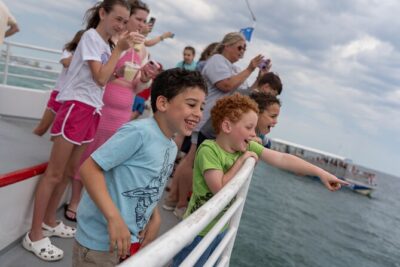
A boat ride off Trincomalee can feel like a wildlife jackpot. I like the high chance of spinner dolphins and the efficient run out to where whales are most often seen off the coast. One thing to consider: some guides may have limited English, and your time on the water can run a bit shorter than expected on certain days.
You’ll be joining a small group or private option, with a max of 14 travelers overall, and you’ll get a basic kit like a safety jacket and bottled water. Trincomalee’s reputation here is real, especially for blue whales and dolphins in the right season, but sightings still depend on sea conditions and animal movement.
In This Review
- Key points before you go
- Trincomalee’s whale-and-dolphin zone: why this area works
- The boat ride schedule: what “about 3 hours” usually means
- What you’re actually looking for: blue whales, sperm whales, and spinner dolphins
- Best seasons and the yearly rhythm of sightings
- Meeting at Nilaveli: where the tour starts and how to get in the loop
- Small-group vs private tours: what changes for you on the water
- What’s included (and what you may need to sort out)
- Price and value: is $30 worth it for whale watching?
- Weather, sea conditions, and the reality check on sightings
- Tips that help you get the most from the cruise
- Should you book this whale and dolphin tour in Trincomalee?
- FAQ
- How long is the whale and dolphin watching tour?
- Where does the tour start?
- What’s included in the price?
- Is hotel pickup and drop-off included?
- What’s the group size like?
- What whales and dolphins can you see?
- When are sightings most likely?
- What happens if the weather is bad?
Key points before you go
- Spinner dolphins are the star of the show with very strong odds compared to whales.
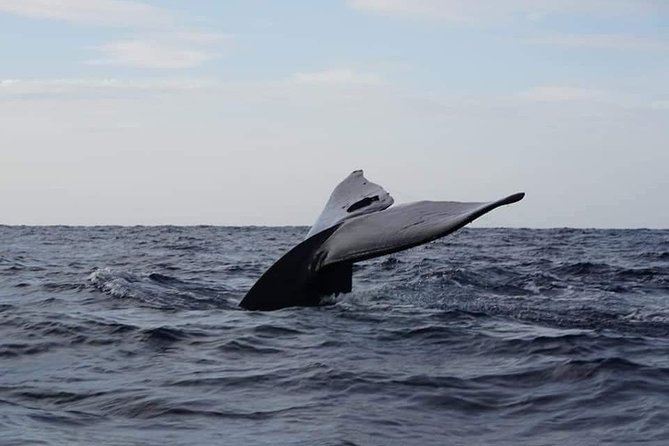
- Blue whales can be within reach about 6–8 nautical miles east of Trincomalee (around a 30-minute ride).
- Small groups keep it calmer (some options run with just six people, plus private tours).
- Most tours run about 3 hours, but some departures may feel closer to 2 hours.
- Not a fishing trip—this is a wildlife search, so don’t expect deep-sea fishing.
- Weather matters, and the tour can switch dates or refund if conditions are unsafe.
Trincomalee’s whale-and-dolphin zone: why this area works
Trincomalee isn’t just another coastal stop on Sri Lanka’s map. It’s an emerging, serious whale-watching spot, and the timing is part of why it works so well. In particular, blue whales (and sometimes sperm whales) can show up around six to eight nautical miles east of Trincomalee.
Dolphins are a big reason people book this cruise. The tour focuses mainly on spinner dolphins, which are often seen in this region. If you’re hoping to see something definite, this is where your odds look best. In the season window—roughly March/April through August/September—your chances improve even more because whales keep moving around the island on their migrations.
Here’s the practical takeaway: this area can offer long stretches of whale-and-dolphin watching across the year, not just a brief peak. So if you can’t travel during one exact month, you still have a shot at wildlife.
You can also read our reviews of more tours and experiences in Sri Lanka.

The boat ride schedule: what “about 3 hours” usually means
This tour is typically sold as a 3-hour cruise (with options for longer, full-day trips), built around finding whales and dolphins off the Trincomalee coast. The core rhythm is simple: you travel out to the viewing area, scan for blows and surfacing behavior, then head back.
The viewing zone is described as roughly 30 minutes by boat from shore. That matters because it changes how “worth it” the trip feels. You aren’t spending most of your time far out at sea with no clear goal—you’re aiming for a known hunting ground of sorts, where sightings are more likely.
One note from real-world experience shared by past guests: a few people felt the trip ran closer to 2 hours rather than the promised 3. That doesn’t mean it’s always short, but it does mean you should keep flexibility in your planning. If you’ve got another activity right after, I’d leave a little buffer.
What you’re actually looking for: blue whales, sperm whales, and spinner dolphins
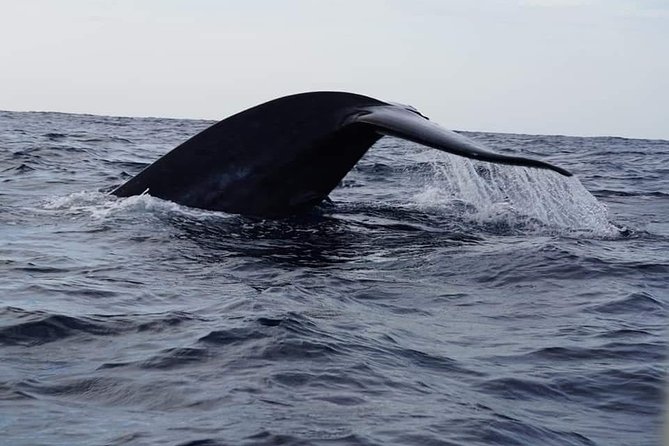
The tour’s goal is straightforward: spot whales and dolphins off Trincomalee. The specific species matter, because they affect what you’ll recognize while you’re out there.
Blue whales are the headline animal. The tour notes that they can be seen around the east coast zone off Trincomalee, usually during the migration season. Sperm whales can also appear, though generally in smaller numbers.
Then there are spinner dolphins, which are the animal that most people end up remembering for the sheer energy. They may be the easiest to confirm from the boat, and the tour’s own odds are high for dolphins compared with whales. The best way to think about it: whales are a little less predictable, dolphins are more likely to show up.
The tour also frames expectations this way: there’s a high chance you’ll see at least one of whales or dolphins, but not every trip guarantees both. Even with the search efforts, some days are just quiet at sea.
Best seasons and the yearly rhythm of sightings
If you’re trying to time this trip for the best odds, here’s the seasonal logic. Whales are linked to migrations around the island. Around Sri Lanka, the main south-coast congregation is mostly from December to April, while Trincomalee’s east-coast sightings strengthen as whales continue their movement.
The supplied guidance highlights a strong window between about March/April and August/September. That’s when you’re more likely to see whales, with dolphins (especially spinner dolphins) being more consistently possible.
The practical part for you: Sri Lanka’s geography creates movement along the coast, which can mean “good chance” for long stretches rather than one short window. Still, your actual day-to-day results depend on conditions and where the animals decide to travel.
Meeting at Nilaveli: where the tour starts and how to get in the loop
Your start point is Pigeon Island Tours in Gopalapuram, Nilaveli, near the coastline. The meeting point is listed as:
Pigeon Island Tours, Gopalapuram, M5RQ+XP, 42/1 B 4th Cross Lane, Nilaveli 31010, Sri Lanka
The tour ends back at the same meeting point. That makes logistics easier—you don’t need a complicated handoff somewhere else.
You’ll also get a mobile ticket, which is handy if you don’t want to worry about printed documents. The tour notes you’re near public transportation, which can matter if you’re not arranging transfers.
If you’re staying somewhere a bit off the Nilaveli area, confirm whether you want to add hotel pickup. Transfers aren’t included by default, but they can be arranged for an extra charge on request.
Small-group vs private tours: what changes for you on the water
This is one of the more meaningful differences you can choose. There are private and small-group options, and the small group is described as just six people in some cases. Overall, the experience caps at a maximum of 14 travelers, which is the difference between feeling like you’re scanning calmly vs. being one of many bodies packed onto a boat.
If you’re traveling with family or you prefer quieter attention, a smaller group usually feels better. With fewer people, you’re more likely to hear any safety reminders and catch quick explanations from the guide—even if, in some cases, English is limited.
And here’s the honest caveat: some past guests mentioned a guide who spoke zero English. That’s not about friendliness or effort—it’s about communication. If you really want narration about whale behavior, you may need to go in with lower expectations for detailed explanations in English.
What’s included (and what you may need to sort out)
At minimum, this tour includes a safety jacket and bottled water. That’s a solid baseline for a sea trip because you’re protected on the water and you’ll have something to sip while you wait for sightings.
The description also says some tour options can include food, beverages, and transfers. But those extras depend on the specific option you book. So if drinks or snacks matter to you, check the exact package before you pay.
Also remember: hotel pickup and drop-off are not automatically included. If you want it, arrange it in advance.
Price and value: is $30 worth it for whale watching?
At $30 per person, this tour sits in a price range that feels accessible compared to many whale-watching experiences worldwide. And the main value driver here is the opportunity to see multiple species—especially dolphins—on one outing.
Why I think the value can be strong:
- Dolphins are frequently spotted (and dolphins are what most people take home as the clear win).
- The boat run targets a specific area known for whale activity rather than a random cruise.
- The time commitment is shorter than many full-day wildlife trips, which can make it easier to fit into your Sri Lanka plan.
Where the value can get tricky:
- Some people reported the cruise taking closer to 2 hours than the advertised 3. If you were budgeting time tightly, that could feel expensive for the shortened window.
- Some guests also said they didn’t get much English explanation about what they were seeing. That doesn’t reduce the wildlife part, but it can reduce the overall “experience” part.
My advice for value: treat this as a wildlife hunt with strong dolphin odds, not as an English-language nature lecture. If you’re okay with that, $30 can feel like a fair trade for the chance to see real whales and dolphins.
Weather, sea conditions, and the reality check on sightings
The tour is weather-dependent. If conditions are poor, it can be canceled and you’ll be offered a different date or a full refund. That matters because whale watching isn’t a controlled classroom environment. Safety comes first.
For sightings, the tour states strong odds overall: dolphins are very likely, and whales have a lower but still meaningful chance. Still, it’s possible to have a quiet day. The tour frames it as: they’ll try hard to find animals every day, but sometimes sightings are impossible.
So plan your expectations this way:
- Come in ready to hunt for movement on the water.
- Don’t base your entire trip around a single guaranteed sighting.
- If you’re a “dolphins are enough” person, you’re likely to feel happy with the outcome.
Tips that help you get the most from the cruise
These are simple, practical moves that help you enjoy the day more, especially if English support is limited.
- Go early in your day planning. Wildlife sightings can’t be scheduled on command, so build in breathing room after your cruise.
- Bring a way to stay comfortable on the water. Even if you don’t know conditions, you’ll feel sun and sea breeze.
- Use your eyes first, phone second. When you spot activity, focus on seeing the behavior, then capture photos/video.
- If you care about learning, prepare simple questions. With limited English from some guides, a few short prompts can go farther than long explanations.
- Know this is wildlife viewing, not fishing. One past guest called out that it wasn’t deep-sea fishing, so expect whale-and-dolphin scanning rather than a fishing setup.
Should you book this whale and dolphin tour in Trincomalee?
Yes—if your goal is wildlife sightings and you want a realistic shot at dolphins plus a meaningful chance at whales. The dolphin odds are the selling point, and the schedule is short enough to fit without wrecking your whole itinerary.
Book it especially if:
- You’re visiting Sri Lanka and want an experience that’s more about the ocean than museums.
- You like the idea of small groups rather than big crowds.
- You’re traveling during the stronger months for sightings (roughly March/April through August/September).
Think twice if:
- You expect detailed English commentary throughout the trip.
- You’re very time-sensitive and can’t tolerate a schedule that might run closer to 2 hours on some departures.
- You’re looking for a fishing-style outing—this isn’t set up for that.
If you go in with the right mindset—wildlife hunt, flexible timing, and dolphin-first expectations—you’ll likely find this tour good value for Trincomalee.
FAQ
How long is the whale and dolphin watching tour?
The standard option is about 3 hours, with other options that may be full-day cruises.
Where does the tour start?
The meeting point is Pigeon Island Tours in Gopalapuram, Nilaveli (M5RQ+XP, 42/1 B 4th Cross Lane, Nilaveli 31010, Sri Lanka). The activity ends back at the same meeting point.
What’s included in the price?
Safety jacket and bottled water are included.
Is hotel pickup and drop-off included?
Hotel pickup and drop-off are not included by default, but they can be arranged for an additional charge upon request.
What’s the group size like?
Tours can be private or small-group. The experience has a maximum of 14 travelers, and some small-group options are described as just six people.
What whales and dolphins can you see?
The tour is aimed at spotting blue whales and sperm whales, plus spinner dolphins.
When are sightings most likely?
Sightings are described as most common between March/April and August/September, with the tour noting there is a wider annual season effect as whales migrate around the island.
What happens if the weather is bad?
The tour requires good weather. If it’s canceled due to poor weather, you’ll be offered a different date or a full refund.