REVIEW · BANDOL
Whale-Watching, Dolphins & Whales from Bandol
Book on GetYourGuide →Operated by Atlantide Promenades en mer · Bookable on GetYourGuide
Cetaceans off Bandol are hard to forget. I like how this trip mixes real sea time with trained naturalists, so the search for dolphins and whales feels like a guided lesson, not just a sightseeing run. I also really value the hydrophone, because it turns the day from silent watching into active listening. One catch: the boat audio and guide explanations can be hard to hear at times, depending on wind and where you’re sitting.
You’ll head out from the port of Bandol, in front of the Atlantide boats, and spend hours scanning the water while the crew focuses on marine life and protecting it. The good news is the “bring your own comfort” part is clear up front, and you’re getting extra take-home content afterward.
If you’re hoping for a guaranteed specific animal sighting, keep your expectations flexible. Wildlife on the Mediterranean is free-ranging, so your best plan is to come ready for surprises—and bring a picnic since food and drinks aren’t included.
In This Review
- Key things that make this cruise worth your time
- Why a 6-hour cetacean hunt from Bandol feels different
- On board with Atlantide Promenades en mer: naturalists, rules, and the hydrophone
- What you might see: dolphins, whales, and sperm whales
- Free trip photos and how to use them after your cruise
- Price and value: what you pay for at $106 per person
- Practical tips that make or break a sea day
- Who this trip suits best (and who should reconsider)
- Should you book Whale-Watching, Dolphins & Whales from Bandol?
- FAQ
- Where is the meeting point for the Bandol whale-watching cruise?
- How long is the outing at sea?
- How much does the tour cost?
- What’s included in the ticket price?
- Are drinks and food included?
- Does the experience include hydrophone audio?
- What languages is the guided tour offered in?
- Is the tour wheelchair accessible?
- Is it allowed to feed the animals?
Key things that make this cruise worth your time
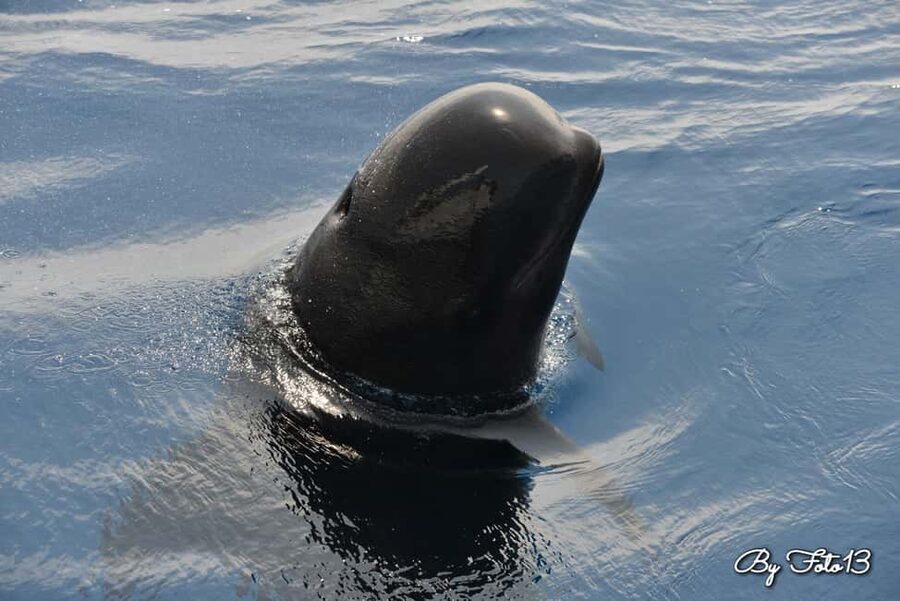
- Hydrophone audio that helps you listen to marine mammals, not only watch them
- Certified whale-watching naturalists guiding your sightings and behavior-reading
- Multiple species possibilities, including dolphins and sperm whales (when conditions cooperate)
- Trip photos included, available online after the outing
- Strong conservation angle, with preservation woven into the cruise
- Bring-a-picnic planning, because drinks and food are not part of the ticket
Why a 6-hour cetacean hunt from Bandol feels different
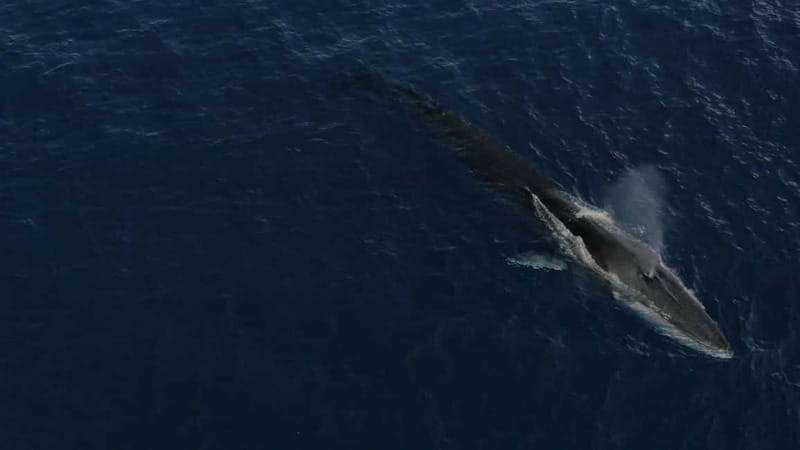
Bandol sits right on the Mediterranean, and that matters. You’re not stuck looking at wildlife from far away on a shore platform. You’re out on the water long enough to actually have a chance—time on the sea is where whale-watching starts to feel meaningful.
This trip is built around a full stretch at sea, about six hours. That longer window is the difference between a quick “maybe we’ll see something” outing and a day where the crew can reposition and keep searching when animals surface. If you enjoy that patient, outdoorsy rhythm—scan, wait, look again—you’ll probably have a great time.
One more thing I appreciate: the day isn’t presented as a constant chase. It’s framed as learning how marine animals use this coastline and what responsible viewing looks like. That makes the experience feel calmer, even though you’re on a moving boat.
On board with Atlantide Promenades en mer: naturalists, rules, and the hydrophone
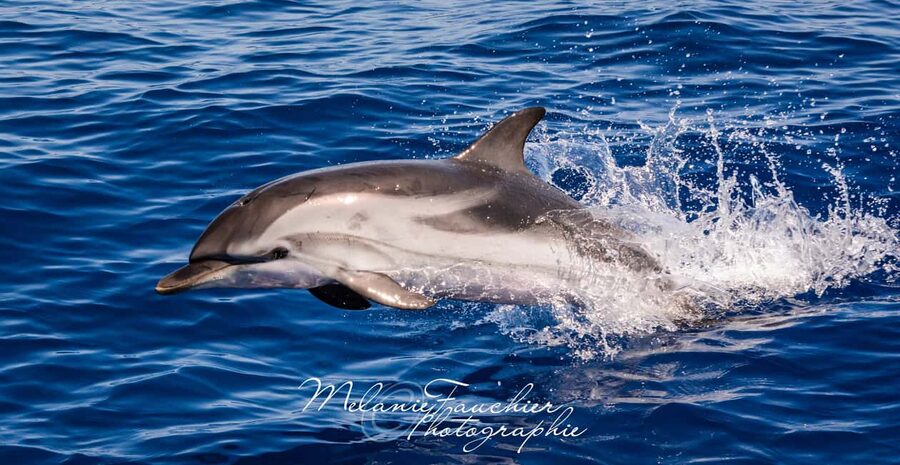
The day runs with a guided crew of certified whale-watching naturalists under the High Quality Whale Watching approach. Practically, that means you’re less likely to be left staring at water with no idea what you’re seeing. You get context, explanations, and a focus on reading behavior—like how animals move, surface, and interact with the sea.
Then there’s the hydrophone. This is one of those features that changes how the outing feels. Instead of only waiting for visual moments, you can also listen to the sounds marine mammals make. Even if you’re not an expert in cetacean calls, it’s a genuinely memorable layer because it makes the ocean feel alive in a different way.
A small but real consideration: guide audio can be difficult to catch sometimes, especially with wind or boat noise. If you’re someone who needs spoken explanations to fully enjoy a guided tour, you might want to prepare mentally and plan to catch key points visually too (watching the guide point out sightings helps).
You’ll also follow marine-life rules that keep the animals safe and unbothered. Feeding animals isn’t allowed. That’s important because it avoids turning wildlife into something that performs on demand. In real terms, it supports the point of whale-watching: observing animals as they are, not as you wish they were.
What you might see: dolphins, whales, and sperm whales
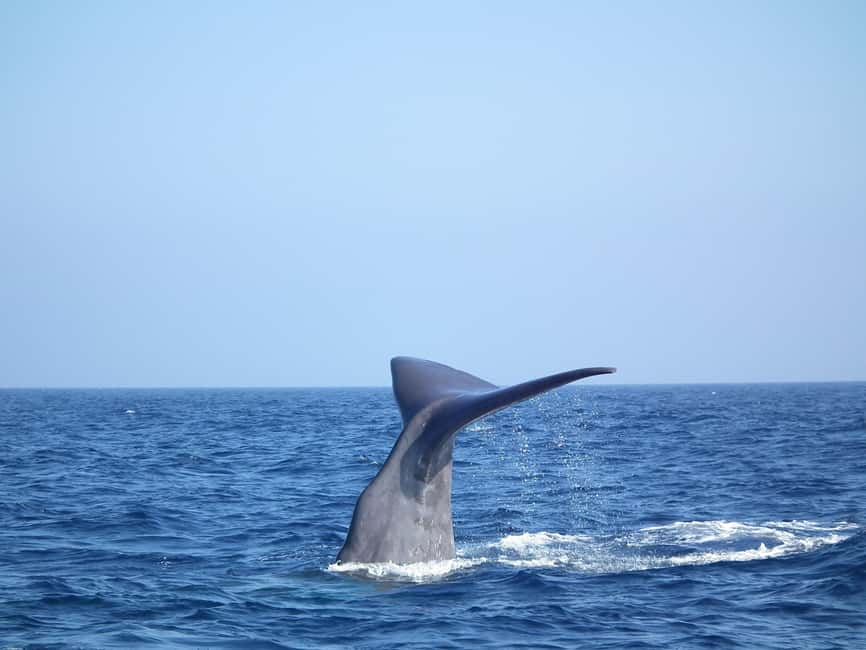
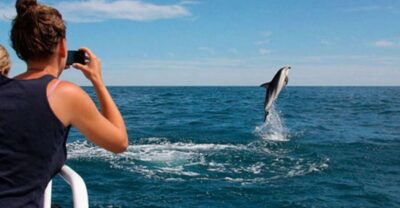
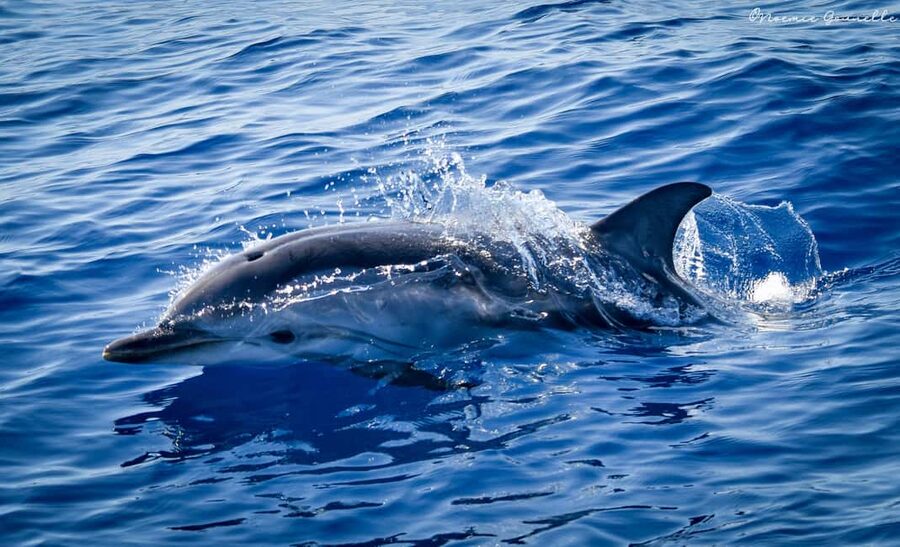
The Mediterranean is home to multiple cetaceans along the coasts, and this outing is aimed right at that reality. The list of possibilities is broad, which is honest and useful for planning: dolphins, whales, and sperm whales. The tour description also notes turtles, mobula rays, and seabirds, so there’s more than one reason to keep your eyes up.
From real-world expectations, the best mindset is to treat sightings as the highlight and the education as the bonus. The crew’s job is to find and interpret wildlife, but wildlife doesn’t schedule itself. If you get close enough for a great sighting, you’ll feel it immediately. If you don’t see sperm whales that day, you might still get dolphin action or other marine life that keeps the day interesting.
One detail that helped set expectations: there’s specific mention of hydrophone use to listen for marine mammals. That’s a clue the trip isn’t only about spotting surface life. The crew is paying attention to the bigger picture of what’s happening around you.
And yes, you’ll likely spend a lot of time scanning. Bring your patience. On a sea day like this, the view isn’t only the scenery—it’s also the act of looking closely.
Free trip photos and how to use them after your cruise
I love experiences where you don’t have to constantly worry about catching the perfect shot. This one includes photos from the outing, provided after the trip in an online space.
That matters more than it sounds. On a boat, hands are busy, wind is annoying, and cameras can get shaky fast. Having your sightings documented means you can relax into the moment on the water, then actually review what you saw later.
The photos also help you learn. When you get home, you can compare what you thought you saw with what the images captured. Even without expert knowledge, it makes the day easier to process and share.
On top of that, you’ll have the hydrophone element during the cruise itself. So you come home with two kinds of memories: what your eyes caught and what your ears noticed when the crew brought the hydrophone into the experience.
Price and value: what you pay for at $106 per person
At $106 per person for a full day at sea, the value comes from what’s included and what’s done well—not just the fact that you’re on a boat.
Included:
- Sea cruise
- Guided tour
- Photos from the outing
Not included:
- Drinks
- Food
So yes, you’ll need to plan a picnic, and you’ll want to bring your own water or plan to buy drinks if there’s an option on-site (the tour details here don’t list it, so don’t count on onboard refreshments). That said, meal planning is common on long sea trips, and it’s easy to handle as long as you prepare.
Where the price feels more justified is in the guide work and the added tech. A hydrophone is not typical on basic boat tours, and the presence of certified whale-watching naturalists elevates the whole outing into something closer to an interpretive tour. You’re paying for more than motion—you’re paying for instruction and a conservation-minded approach.
Also, your time window is solid. Six hours is long enough that even if sightings happen intermittently, the day doesn’t feel like a short detour.
If you’re the type who cares about wildlife responsibly and enjoys guided interpretation, you’ll likely feel good about the cost. If you only want a quick cruise and care less about learning, you might feel the price more sharply.
Practical tips that make or break a sea day
A few “do this and you’ll be happier” items come straight from the trip guidance.
Bring a picnic. Food and drinks aren’t included. Pack something you can eat comfortably on a moving deck, and keep it simple.
Dress for wind and spray. The Mediterranean can still feel cool out on the water. Bring a coat, sunglasses, and a hat.
Arrive at the meeting point early. The meeting point is directly in front of the Atlantide boats in the port of Bandol. You’ll want time to get oriented before boarding, especially if you’re not used to boat departures.
Know the no-feeding rule. It’s not just a policy line—it affects how animals behave around boats. When feeding isn’t part of the equation, the day stays more natural and respectful.
Plan for day-of variability. Wildlife sightings depend on conditions. Your best strategy is to come ready for what the sea gives you, not what you hope for.
Who this trip suits best (and who should reconsider)
This cruise is a great fit if you:
- want a guided nature outing with certified whale-watching naturalists
- care about marine mammals and want more than passive sightseeing
- like longer sea time (about six hours) instead of a short boat loop
- enjoy practical extras like hydrophone listening and included photos afterward
It’s also good for people who enjoy respectful wildlife viewing. The fact that feeding animals isn’t allowed is a sign the operation is aiming at observation, not performance.
You might reconsider if:
- you need super clear audio explanations at all times. Wind and deck noise can make the spoken commentary tougher to follow.
- you’re not comfortable doing a picnic and bringing your own essentials for a sea day.
- you expect a guaranteed exact species every time. The day is wildlife-dependent, even with skilled crews.
Good to know: the tour is wheelchair accessible, and the guide language listed is French.
Should you book Whale-Watching, Dolphins & Whales from Bandol?
If you want a sea cruise that treats cetaceans seriously, this is an easy “yes, consider it” from me. The mix of a long outing, certified naturalists, hydrophone audio, and included photos is what makes it feel like more than just a boat trip. At $106, you’re paying for guidance and added experience features, not only transportation.
Book it if you’ll do the small preparation steps—picnic, sunglasses, hat, coat—and you can stay flexible about what shows up on the day. The strongest part of the experience is the combination: you see wildlife and you also understand what you’re seeing.
If audio clarity is your top priority, plan to rely on the visual spotting too, and don’t base your enjoyment only on spoken explanations.
FAQ
Where is the meeting point for the Bandol whale-watching cruise?
The meeting point is directly in front of the Atlantide boats in the port of Bandol.
How long is the outing at sea?
The outing at sea is listed as about 6 hours.
How much does the tour cost?
The price is $106 per person.
What’s included in the ticket price?
It includes the sea cruise, a guided tour, and photos from the outing.
Are drinks and food included?
No. Drinks and food are not included, so you should plan a picnic.
Does the experience include hydrophone audio?
Yes. There is a hydrophone, and you can listen to marine mammals during the outing.
What languages is the guided tour offered in?
The live tour guide language listed is French.
Is the tour wheelchair accessible?
Yes, the tour is wheelchair accessible.
Is it allowed to feed the animals?
No. Feeding animals is not allowed.