REVIEW · BARBATE
Barbate: Dolphin and Whale Watching in Cape Trafalgar
Book on GetYourGuide →Operated by Marine Atlantes · Bookable on GetYourGuide
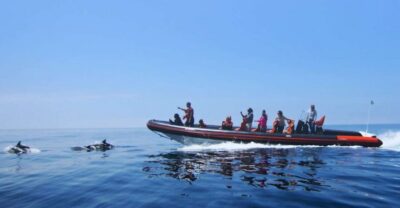
The Atlantic feels alive out here. This 3-hour trip from Barbate marina takes you toward Cape Trafalgar in search of whales and dolphins, with guides talking you through what you’re seeing.
I like that it’s built around real time on the water, not a quick stop-and-stare. The chance to spot multiple species, from dolphins to bigger cetaceans, is the whole point, and it’s backed by a solid 3-hour format. One highlight from past groups: a guide named Doris delivered the on-board info, and the crowd seemed locked in when they could follow along.
One thing to plan for: the boat can run choppy. If you’re prone to seasickness, bring your anti-nausea plan, and if language matters for you, consider how you’ll handle the live commentary and any translation gaps.
In This Review
- Key things you’ll notice on this whale and dolphin cruise
- From Barbate marina toward Cape Trafalgar’s open Atlantic
- The 3-hour schedule and why it works
- Wildlife spotting: whales, dolphins, and the moments that make the trip
- Why the guide talk matters (even if you need earphones)
- Staying comfortable when the water gets choppy
- What to expect on deck: photos, binocular eyes, and quick decisions
- Included value vs. what you must plan yourself
- Who this cruise suits best
- Quick practical checklist before you go
- Should you book the Barbate dolphin and whale watching with Marine Atlantes?
- FAQ
- How long is the whale and dolphin watching tour?
- Where does the tour depart from?
- What is included in the ticket price?
- Is food provided on board?
- What should I bring?
- Are pets allowed on the boat?
- Is fishing allowed during the tour?
- Can I get a refund if I cancel?
Key things you’ll notice on this whale and dolphin cruise
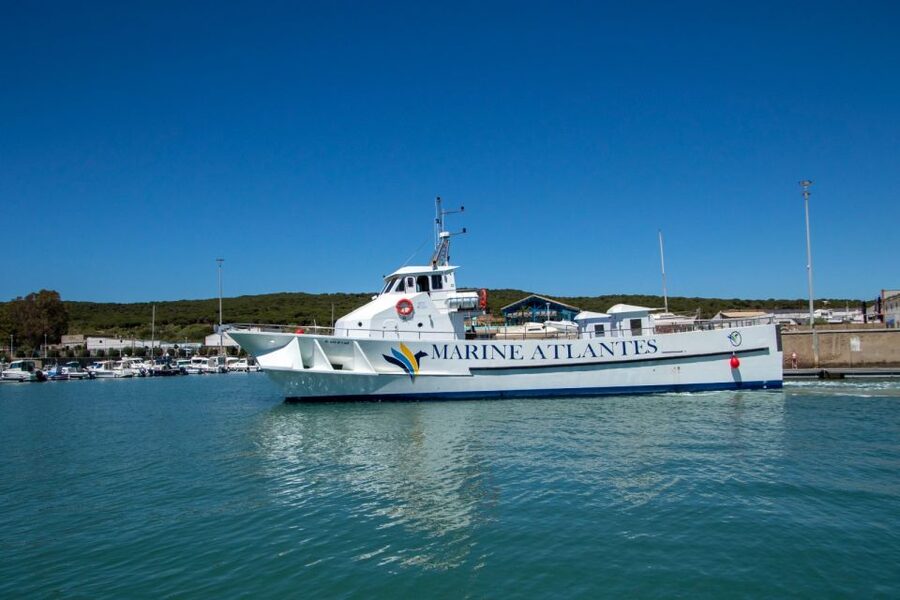
- Departures from Barbate put you quickly into the Atlantic action
- A focused 3-hour window that keeps the day moving
- Wildlife spotting with guidance, so you know what to watch for
- Dolphins are a strong bet, even when whales are harder to find
- Choppy-water risk, so comfort choices matter
From Barbate marina toward Cape Trafalgar’s open Atlantic
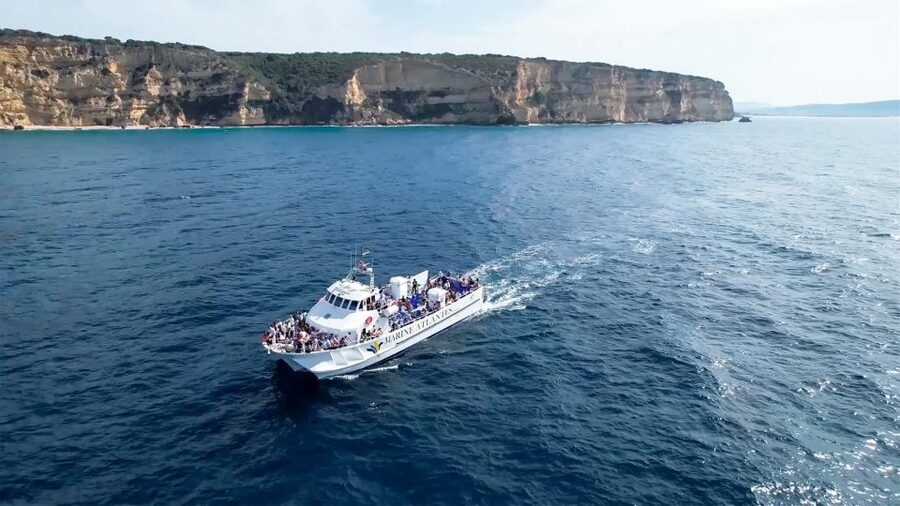
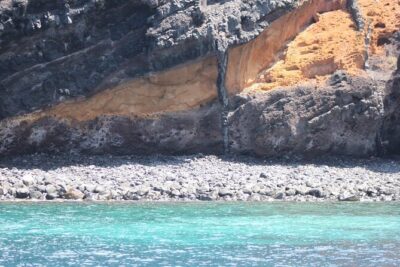
This cruise is all about geography. You start in Barbate, then head out into the Atlantic waters near Cape Trafalgar, where marine life has a decent chance of showing itself. The whole experience feels less like a staged activity and more like following a route where the sea decides what you’ll see.
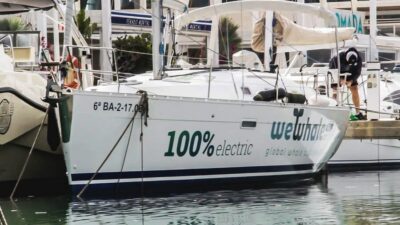
You’ll board at Marine Atlantes, get settled, and then the real work begins: scanning the water for movement, breathing spouts, fins, and those quick changes that signal something is just under the surface. If you’ve ever watched the ocean from shore and wished you could get closer, this is the answer.
Even if you’re not a marine-life expert, the cruise helps you look smarter. You’re not just staring. You’re hunting with a purpose, based on what the guides point out.
The 3-hour schedule and why it works
The timing here is practical. At 3 hours, you get enough time to actually travel out, search, and return without it eating your whole day. For many people, that’s the sweet spot: long enough to improve the odds, short enough that you’re still free afterward to explore Barbate or the surrounding coast.
On the water, expect a rhythm: depart, watch, listen, watch again. Your time won’t feel endless, and you’ll likely have a few chances to be out on deck depending on how the crew is handling sea conditions and where sightings happen.
Also, because this is a boat tour, the sea state affects the experience. If it’s calm, you’ll settle in and stay on deck more. If it’s rough, you’ll want to balance the thrill of spotting with your comfort.
Wildlife spotting: whales, dolphins, and the moments that make the trip
This is a dolphin-and-whale tour, but the smart way to think about it is this: you’re targeting cetaceans, and what you get can vary. That’s not a flaw. It’s marine nature doing what marine nature does.
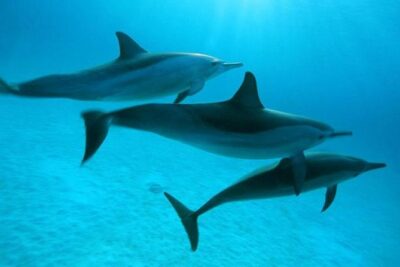
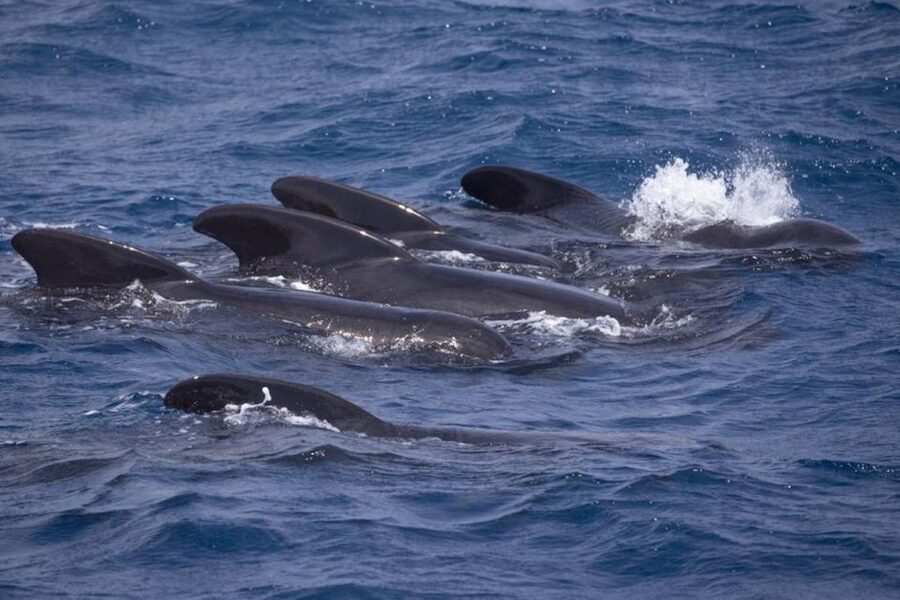
From the sightings described by past groups, dolphins are the most consistent win. People have left happy even when whales didn’t show up that day. That matters, because dolphin sightings can still be spectacular: playful leaps, groups moving together, and fast turns that make you jump up before you even realize you’re excited.
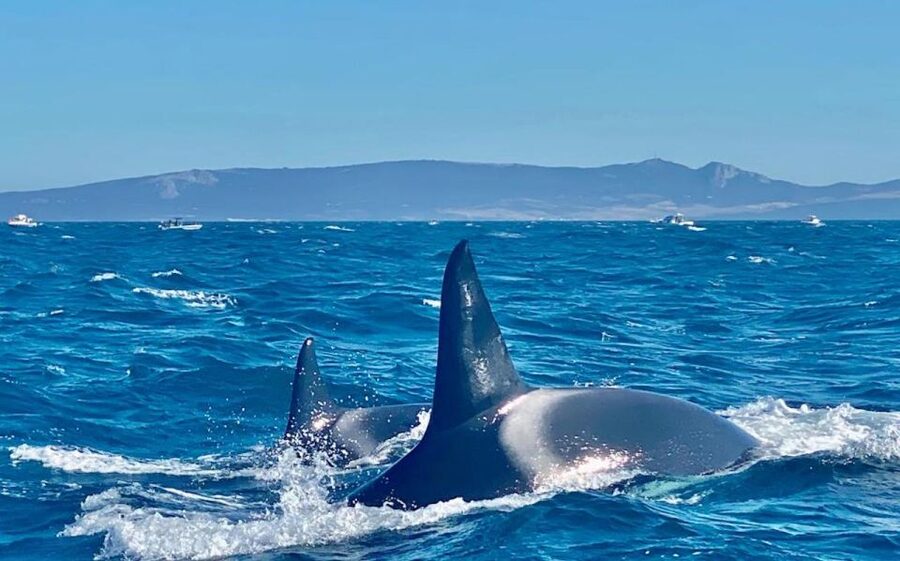
Sometimes, the bigger moments show up too. Past groups have reported orcas alongside dolphin sightings. When that happens, the whole cruise changes tone in a good way. Suddenly you’re not just watching, you’re reacting—because the scale and behavior are different.
And yes, when you see a whale, the sense of closeness can be hard to put into words. These animals aren’t props. They come and go with curiosity and timing, and your excitement rides on that timing.
Why the guide talk matters (even if you need earphones)
The cruise includes live commentary from the crew. That’s not fluff. It helps you understand what you’re seeing—behavior, habitat, and conservation-focused talking points. When you know what signals to look for, your odds go up because your attention sharpens.
A real-world detail that’s worth taking seriously: some groups noted issues with translation or audio clarity. One report specifically mentioned that Doris’s information didn’t always land for everyone, even though those who understood seemed fully engaged.
So here’s the practical move: if you’re worried about catching the spoken details, bring a strategy. Earphones can help you manage your own listening comfort and keep you from giving up on the experience just because the speech is hard to follow. You may not catch every sentence, but you’ll still learn enough to make the sightings click.
Staying comfortable when the water gets choppy
Let’s talk about the part nobody wants to think about until it’s happening: sea sickness.
Past groups have mentioned the boat was choppy, and that people struggled with the waves. That’s a common reality for Atlantic routes, and it doesn’t mean the crew is doing anything wrong. It just means you should travel prepared.
If you’re the kind of person who gets queasy on boats, plan for it now:
- Choose your comfort spot early once you’re on board
- Bring motion-sickness medication if you use it
- Dress for wind and spray, not just sun
Also remember: when conditions are rough, you might see fewer people clustering at the rail with cameras. That doesn’t reduce the crew’s effort—it just changes how many bodies are competing for deck positions.
If you’re comfortable in open water, you’ll likely enjoy the ride more, even when it’s bumpy. If not, you can still have a great time, but you’ll want your comfort plan in place before departure.
What to expect on deck: photos, binocular eyes, and quick decisions
You’ll want your camera ready. The highlights include close-up-style viewing opportunities, and marine life photography is part of the fun. But don’t wait until you spot something to start figuring out settings. The ocean doesn’t slow down for your shutter speed.
Here’s how to make your photos better on a boat:
- Keep your gear secure and dry
- Expect quick bursts of action rather than a long, stationary show
- Be ready for the animal to surface, move fast, and disappear again
Also, watch the behavior, not just the body. Dolphins can be playful and energetic, which makes them easier to film. Whales, when they appear, can be subtler—so being attentive to breathing, direction, and patterns helps.
If you’re traveling as a family, the deck experience can be a real attention-getter. People often stand straighter when they see fins cut the water. Even if the group talk is partly lost due to language, the body language of the crew and the reaction of others usually tells you when it’s time to focus.
Included value vs. what you must plan yourself
For about $41 per person, you’re paying for the 3-hour Whale Watching boat tour admission. That’s the core value: boat time, crew effort, and the chance to see whales and dolphins in their natural habitat.
What’s not included: food. That matters because it’s easy to assume a tour will handle snacks. You should bring a plan for what you’ll eat before or after. If you’ll be out in sun and wind, also think hydration. A short tour still uses energy.
So the cost equation looks like this:
- You’re not paying for a meal
- You are paying for access to the water and guided spotting time
If you keep that in mind, it’s easier to judge value. Even on a day when whales are elusive, dolphins and other sightings can still make the tour feel worth it because the experience is about being on the water at the right time.
Who this cruise suits best
This trip fits best if you want a classic Atlantic wildlife outing with real time outside.
You’ll probably love it if:
- You enjoy nature and don’t need a “guaranteed” show
- You want a half-day activity that doesn’t lock you in all day
- You’re happy to be flexible and react when sightings happen
- You can handle some boat movement, or you’ve planned for it
You might want to reconsider if:
- You’re extremely sensitive to choppy conditions and don’t have a seasickness plan
- You need full, detailed language narration for the entire trip, and you won’t be able to work around audio/translation challenges
Quick practical checklist before you go
This tour is straightforward. Still, don’t skip the basics.
Bring:
- A passport or ID card
- Comfortable clothes suited to wind and spray
Leave at home:
- Pets
- Weapons or sharp objects
- Fishing equipment or anything that implies fishing activity
One more detail that can affect your day: tickets aren’t transferable, and you board with the person listed on the ticket. That’s a small rule, but it’s the kind that can ruin a day if you forget it.
Should you book the Barbate dolphin and whale watching with Marine Atlantes?
If your goal is to spend a few hours on a real sea route looking for whales and dolphins, this is a solid choice. The 3-hour duration gives you meaningful time without overcommitting. The pricing can feel fair because you’re buying access to Atlantic wildlife viewing, not a museum-style experience.
I’d book it if you’re comfortable with the idea that sightings vary day to day and you’re equally excited by dolphins. If you’re worried about language clarity, bring your own listening comfort strategy so you don’t miss the value of the on-board guidance.
Bottom line: for a practical, half-day wildlife outing from Barbate, this trip is worth putting on your shortlist.
FAQ
How long is the whale and dolphin watching tour?
The tour lasts 3 hours.
Where does the tour depart from?
It departs from the Barbate marina (Marine Atlantes).
What is included in the ticket price?
The ticket includes admission to the 3-hour whale watching boat tour.
Is food provided on board?
No, food is not provided on board.
What should I bring?
Bring a passport or ID card and wear comfortable clothes.
Are pets allowed on the boat?
No, pets are not allowed.
Is fishing allowed during the tour?
No, fishing is not allowed.
Can I get a refund if I cancel?
Yes, you can cancel up to 24 hours in advance for a full refund.