REVIEW · SETUBAL DISTRICT
Become a dolphin protector! Lisbon Eco-dolphin watching
Book on Viator →Operated by Anthia Diving Center · Bookable on Viator
Dolphins, plus a hands-on way to help. This 2.5-hour eco dolphin watching trip runs along the coast near Serra da Arrábida and toward the Sado Estuary, with a strong focus on spotting dolphins in the wild and picking up floating plastic you can see during the activity. I like that it aims for wildlife respect (not crowding or disturbing animals), and I also like that the outing has a clear, practical mission instead of being only about sightseeing.
You’ll likely be out for a generous morning session, with a small group size (up to 24). One thing to keep in mind: this experience depends on good weather, and poor conditions can lead to rescheduling or a full refund.
You start at the Anthia Diving Center in Sesimbra, and the tour is offered in English. It’s one of those activities that works across ages, especially if you want a nature trip that feels like it has a real purpose—not just a checklist.
In This Review
- Key highlights to look for
- Lisbon Eco-Dolphin Watching From Sesimbra: What makes it different
- The route: Serra da Arrábida’s coast and the Sado Estuary
- Dolphin watching near the Professor Luís Saldanha Marine Park
- Troia peninsula stop: what it adds to your morning
- The eco part: collecting floating plastic without making it weird
- Practical details that matter before you go
- Price and value: is $59.57 worth your morning?
- Who should book this eco dolphin trip
- Should you book this Lisbon eco dolphin watching trip?
- FAQ
- Where does the eco dolphin watching tour start?
- What time does the tour begin?
- How long is the experience?
- How big is the group?
- Is the tour offered in English?
- Do I need to cancel if weather is bad?
- What is the cancellation window?
Key highlights to look for
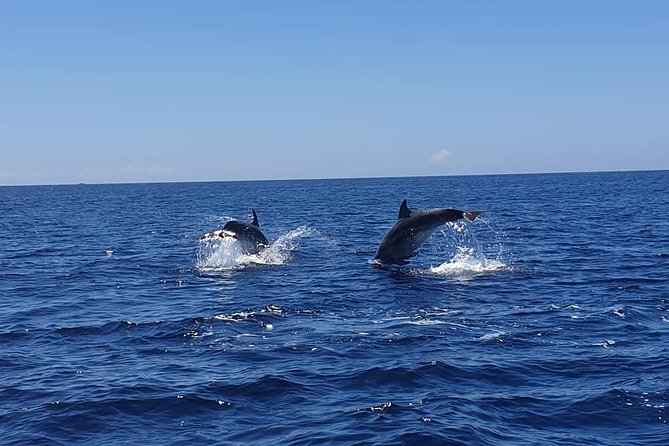
- Small group size (max 24) for a calmer wildlife experience on the water
- Floating plastic collection as part of the activity, so you leave with more than photos
- Serra da Arrábida to the Sado Estuary route for varied coastal scenery and wildlife chances
- Professor Luís Saldanha Marine Park area for dolphin watching toward the Sado side
- Troia peninsula option for observing Roazes Corvineiros dolphins
Lisbon Eco-Dolphin Watching From Sesimbra: What makes it different
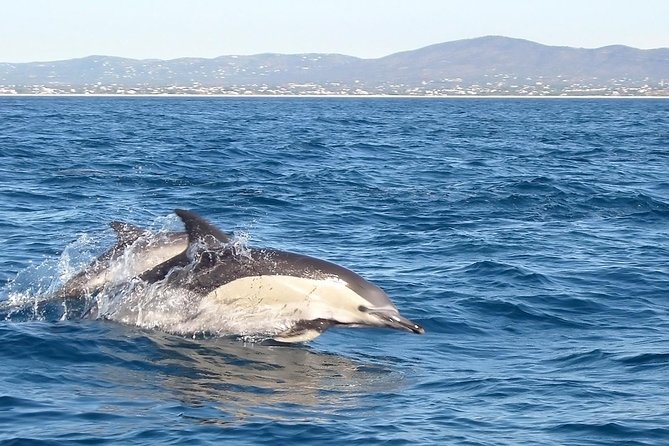
This is dolphin watching with a mission you can see. Along the way, there’s an intentional focus on collecting floating plastic you may notice during the outing. That turns the trip into something more active and meaningful, especially if you care about what ocean life actually deals with day to day.
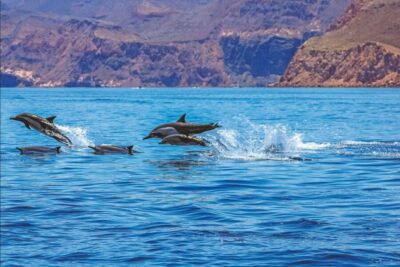
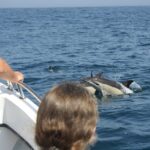
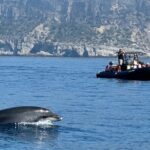
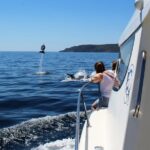
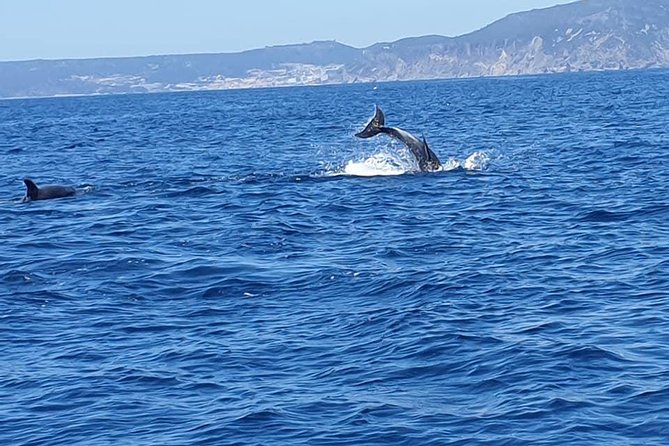
The other big difference is the tone of the operation. The goal isn’t to chase dolphins. It’s to watch them in their natural habitat while keeping a safe distance and not disturbing their behavior. That matters because dolphins are sensitive to pressure. The better the approach, the better the chance you’ll see natural, relaxed swimming and jumping instead of frantic movement.
If you like nature trips that feel hands-on but still respectful, this one hits a good balance.
You can also read our reviews of more tours and experiences in Setubal District.
The route: Serra da Arrábida’s coast and the Sado Estuary
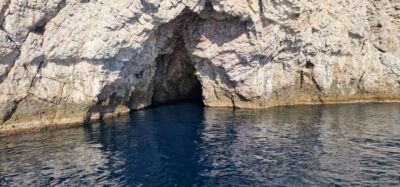
The tour sails along the coast of Serra da Arrábida, heading toward the Sado Estuary. Even without turning it into a long lecture, that route choice gives you variety. The Arrábida coastline is known for dramatic, scenic stretches, and the estuary area is connected with a different kind of water activity—often where marine life concentrates.
From a visitor’s perspective, this route makes practical sense. You’re not stuck staring at one spot. You move through a broader area, which can improve your odds of spotting dolphins, even though marine wildlife is never guaranteed.
It also helps explain why the trip feels like more than a quick look. Two hours and change isn’t endless, but it’s long enough to settle in and enjoy repeated passes and slow scan moments—especially for kids who tend to get impatient if everything is too fast.
Dolphin watching near the Professor Luís Saldanha Marine Park
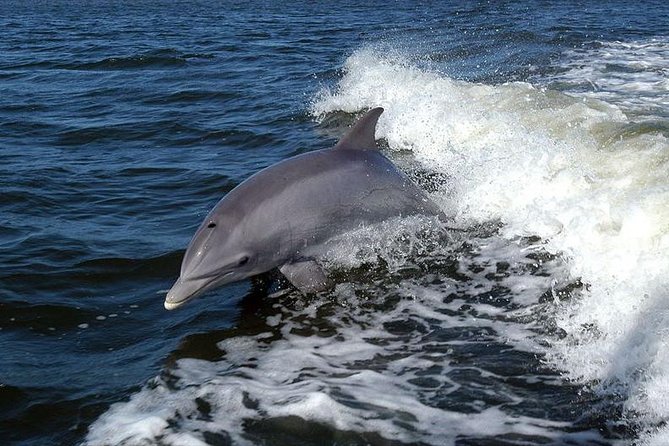
At sea, one of the tour’s focal areas is the Professor Luís Saldanha Marine Park. That’s not just a name on a brochure. It signals that you’re operating in a marine environment where conservation matters and where the activity is designed around observing wildlife rather than treating it like a performance.
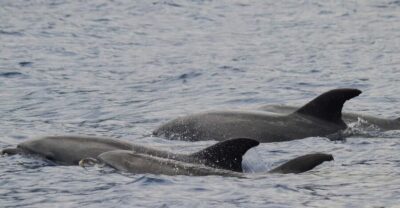
In practical terms, this influences how you experience the dolphins. The emphasis stays on watching, not interrupting. You’re positioned for observation along the way, with the team integrating time spent in dolphin-friendly zones where Roazes Corvineiros dolphins may be seen.
Roazes Corvineiros are often the species people hope for on this type of trip, and the park area is part of the reason the outing is structured to give the team opportunities to check for dolphins. Again, sightings depend on conditions, but the setup is geared toward real observation.
Troia peninsula stop: what it adds to your morning
The tour also mentions the possibility of going toward the Troia peninsula for dolphin observation. That’s valuable because Troia sits across from Setúbal and is strongly associated with the marine activity around the Sado system.
In plain terms: it can expand the search area. If dolphins are present in that side of the water, you’re positioned to see them. If not, you’re still moving through a coastline and estuary environment rather than sitting in one single place.
This is the kind of flexibility that can make a big difference on the water. Dolphin watching is weather- and movement-dependent. A route that allows for changes gives you a better chance to end up with a memorable sighting.
The eco part: collecting floating plastic without making it weird
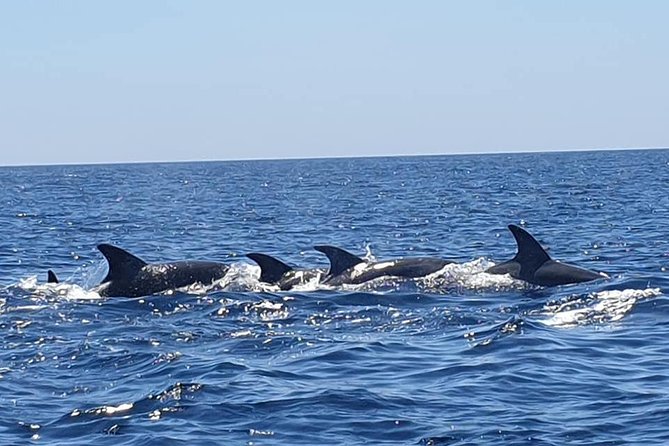
The eco mission here isn’t vague. It’s tied to a visible task: collecting floating plastic during the activity. That’s important because you’re not asked to imagine the problem. You’re working with something you can actually see in the water while you’re out there.
Equally important is how this is handled. The approach is designed so humans stay safe and dolphins aren’t disturbed. In other words, you’re not doing eco work by crowding animals or creating extra noise. You’re doing it in a way that keeps the wildlife experience intact.
For kids, this is often where the trip becomes unforgettable. Watching dolphins is exciting—but turning it into a practical lesson about ocean cleanliness can make the whole morning click. Even if your child is young, the idea is simple: ocean life matters, and small actions help.

Practical details that matter before you go
Start time and duration: The trip starts at 10:00 am and runs about 2 hours 30 minutes. That length is a sweet spot. It’s long enough for meaningful time on the water, but not so long that it feels like an all-day commitment.
Meeting point: You meet at Anthia Diving Center, Porto de Abrigo, Loja 1, 2970-152 Sesimbra, Portugal. The activity ends back at the same meeting point. This keeps logistics straightforward and reduces stress at the end of your trip.
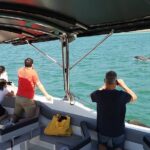
Group size: Maximum 24 travelers. For wildlife watching, a smaller group generally means less chaos on board and fewer distractions when dolphins appear.
Language: Offered in English.
Ticketing: You get a mobile ticket, and confirmation is received at booking time.
Weather dependence: The tour requires good weather. If it’s canceled due to poor weather, you’ll be offered another date or a full refund. That’s a big deal for planning, because sea conditions can change quickly in coastal Portugal.
If you’re sensitive to motion, plan accordingly. You’ll be on the water, so it’s smart to be ready for salt air, wind, and possible swell.
Price and value: is $59.57 worth your morning?
At $59.57 per person, you’re paying for three things at once: a structured dolphin-watching outing, a small-group experience, and an eco activity that includes collecting visible plastic.
What makes this feel like good value is the combination. Many cheaper wildlife tours are either too short to feel satisfying or too large to keep the experience calm and respectful. This one stays limited to 24 and gives you a longer time window (around 2.5 hours).
The eco mission also affects perceived value in a real way. Even when you don’t get perfect dolphin timing, you still come away having participated in a concrete cleanup action rather than only watching from a distance.
One extra planning angle: this tour is typically booked about 13 days in advance on average. If you want a specific date and don’t like gambling, booking earlier is the safer play.
Who should book this eco dolphin trip
This tour is a strong match if:
- You want dolphins in a natural habitat setting with a conservation-minded approach
- You’re traveling with kids and want excitement paired with a real-world eco lesson
- You prefer a smaller group for wildlife viewing instead of a crowded boat
- You care about ocean cleanliness and like the idea of collecting floating plastic during the experience
It may be less ideal if you’re expecting a guaranteed dolphin sighting. Dolphin watching is nature. The best you can do is choose a reputable, wildlife-respecting operator and hope conditions line up.
Should you book this Lisbon eco dolphin watching trip?
I’d book it if you want a coastal nature morning that mixes the thrill of dolphins with an actual cleanup action. The small group size, the route through the Arrábida and Sado areas, and the focus on not disturbing animals make it feel like the kind of tour you’ll remember for more than a quick photo.
Before you commit, check the weather and think about seasickness tolerance. Also, if you’re traveling during a busy season, plan to reserve earlier since demand can be solid.
If your ideal Portugal day includes sea air, real wildlife viewing, and a chance to help the ocean you’re seeing, this is a clear yes.
FAQ
Where does the eco dolphin watching tour start?
It starts at Anthia Diving Center, Porto de Abrigo, Loja 1, 2970-152 Sesimbra, Portugal.
What time does the tour begin?
The start time is 10:00 am.
How long is the experience?
The duration is approximately 2 hours 30 minutes.
How big is the group?
The tour has a maximum of 24 travelers.
Is the tour offered in English?
Yes, it is offered in English.
Do I need to cancel if weather is bad?
The experience requires good weather. If it’s canceled due to poor weather, you’ll be offered a different date or a full refund.
What is the cancellation window?
You can cancel up to 24 hours in advance for a full refund.