REVIEW · BONITA SPRINGS
Bonita Springs: Kayak Tour with Manatees, Dolphins Sightings
Book on GetYourGuide →Operated by Mike's Coastal Expeditions · Bookable on GetYourGuide
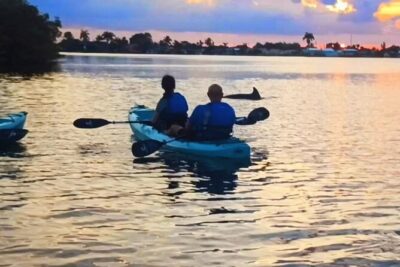
That mangrove tunnel is the whole point. This Bonita Springs kayak tour uses hands-free Hobie pedal kayaks so you can focus on wildlife and photos, not paddling. You’ll pedal out from the Big Hickory Pass bridge area and work your way through mangroves and open water around Big Hickory Island.
I like two things a lot: the premium Hobie setup (easy pedal drive and comfortable seats) and the way the guides spot animals fast—names like Mike, Buzz, and Nick come up for a reason. One catch: it’s not a long, slow “sit and float” day. It’s active in the sense that you’re pedaling for two hours, and it’s not suitable for non-swimmers or kids under 3.
In This Review
- What to Love Fast
- Hobie Pedal-Drive Kayaks: Comfort That Lets You Watch Wildlife
- Big Hickory Island Waters and Mangrove Tunnels: The Route You Feel
- Wildlife Odds: Manatees, Dolphins, Ospreys, and More
- How the Guides Make It Work (Buzz, Nick, and Mike)
- Price and Value for a Two-Hour Wildlife Session
- What to Bring (So You Don’t Hate the Day)
- Getting There: Finding the MCE.TOURS Trailers by Big Hickory Pass Bridge
- Who This Tour Fits Best in Your Florida Plans
- Should You Book This Manatee-and-Dolphin Kayak Tour?
- FAQ
- How long is the kayak tour?
- What does the tour cost?
- What equipment is provided?
- Is there a guide with you?
- Are pictures included?
- What should I bring with me?
- What is included in the tour besides the kayak?
- What isn’t included?
- Where do I meet the tour?
- Is the tour suitable for non-swimmers or young children?
What to Love Fast
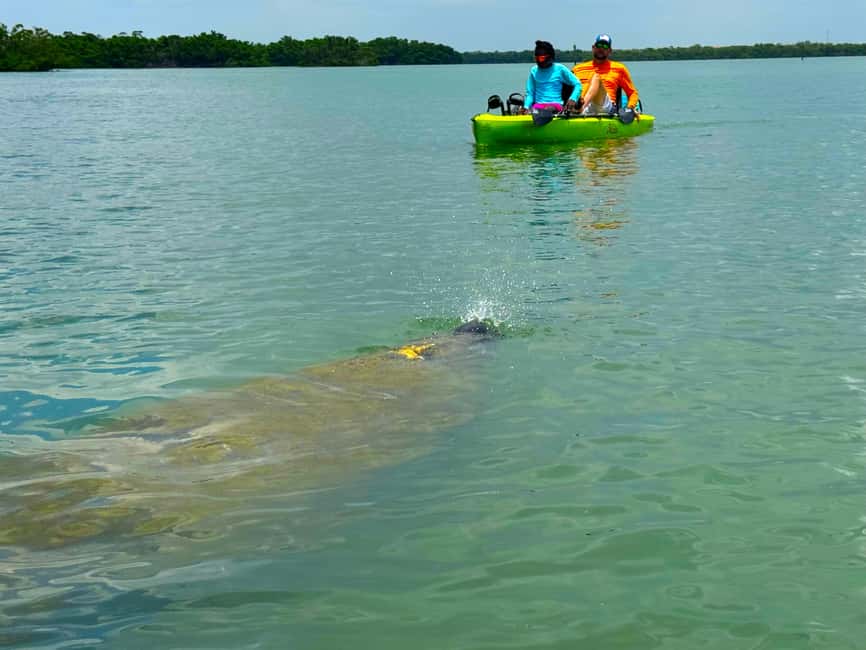
- Hobie pedal-drive kayaks that keep your hands free for spotting dolphins and manatees
- Mangrove tunnels + shallow flats, with close-up views of coastal birds
- A real wildlife-focused pro guide who helps you learn what you’re seeing
- Premium comfort (Hobie seats, smooth pedal motion) that works for beginners too
- Small “fits your pace” energy, especially when your group is smaller
Hobie Pedal-Drive Kayaks: Comfort That Lets You Watch Wildlife
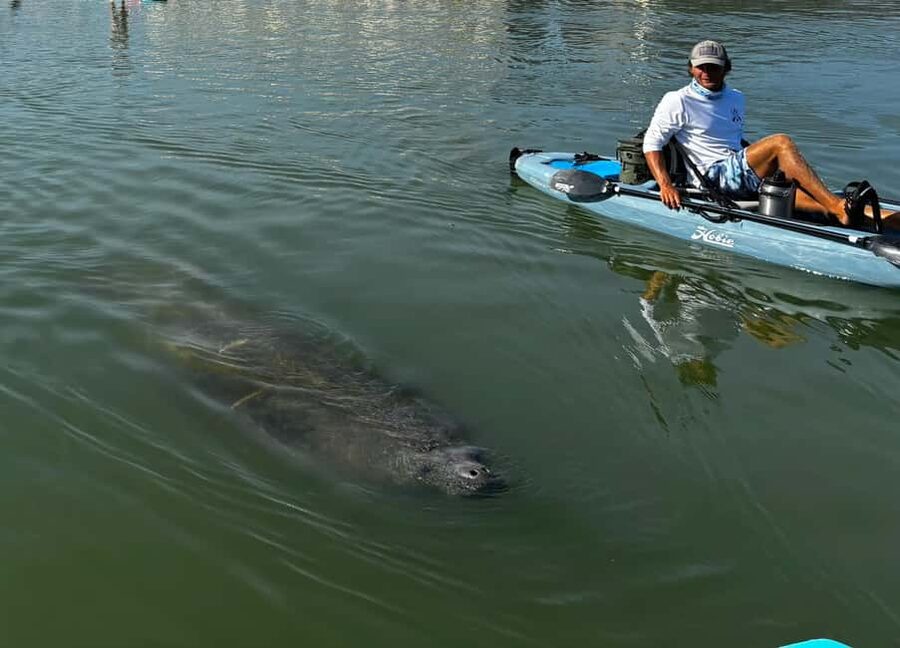
Let’s talk equipment, because it’s the difference between a workout and a wildlife outing. This tour runs on Hobie pedal-drive kayaks, and you get to choose a single kayak (Hobie Passport 12 or 10.5) or a tandem (Hobie Compass Duo). The pedal system means your hands don’t have to do the full job of propulsion, so you can do the important stuff: watch behavior, raise your camera, and actually enjoy the scenery.
The kayaks are described as smooth and easy to use, and that matters if you’re not a “real paddler.” You still steer and manage your position, but you aren’t fighting constant paddle strokes. It’s a big deal in mangrove areas, where you want calm control. If you’ve ever seen people paddling while missing the wildlife, this setup helps you avoid that kind of frustration.
You also get some practical add-ons that make the day nicer:
- Dry bags (for your stuff)
- Shelling bags (if you’re into picking up what the shoreline gives)
- Ice cold waters
- Complimentary pictures after the tour
That picture part may sound small, but it’s the kind of convenience that makes sense on the water. When you’re chasing a moment—say, a spout in the distance or a manatee surfacing—you don’t want to stop the whole trip to figure out your camera angles.
You can also read our reviews of more tours and experiences in Bonita Springs.
Big Hickory Island Waters and Mangrove Tunnels: The Route You Feel
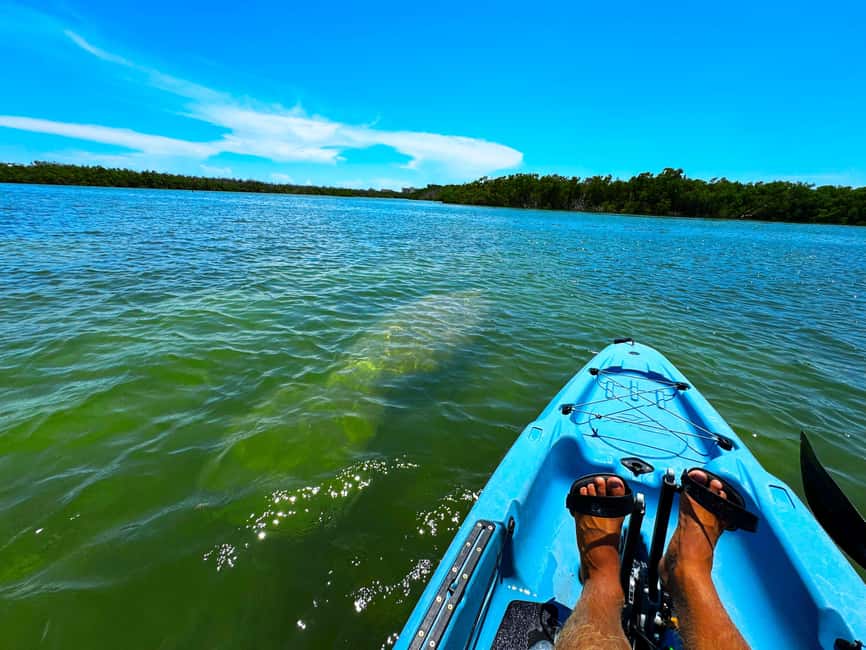
The tour takes place around Big Hickory Island, in the waterways off Bonita Springs. The highlight isn’t just wildlife. It’s the water feel: mangrove corridors that make you slow down and look, shallow flats where you might spot movement near the surface, and open stretches where bigger animals are more likely to show up.
Here’s what that means for your experience:
- In mangrove tunnels, the walls of roots and branches create a natural hallway. The water can feel sheltered and quiet, which helps you see coastal birds close up.
- On shallow flats, you may notice wildlife activity that’s easier to spot when you can view the waterline clearly.
- In open water, you’re often in position to pick up dolphins and larger marine life if they’re in the area.
The two-hour format is also key. It’s long enough to get out, settle in, and enjoy multiple “mood changes” in the water. It’s not so long that you’re exhausted before anything interesting happens. Think of it as a focused wildlife session with a good chance at memorable sightings.
And yes, you’ll get a guided route, not just a free-for-all. A guide keeps the group together and helps you move through the best areas without wasting time.
Wildlife Odds: Manatees, Dolphins, Ospreys, and More
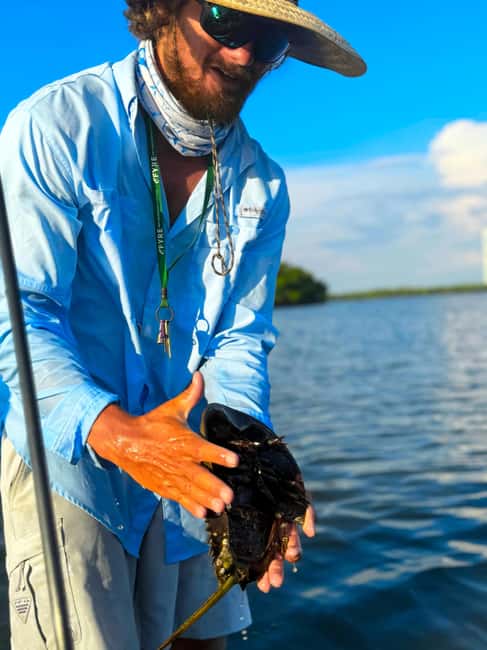
This is a wildlife spotting tour, not a guaranteed-straight-to-the-perfect-view kind of outing. Still, the promise is specific: you’re set up for chances at dolphins and manatees, plus other coastal animals like ospreys, stingrays, and sea turtles.
What makes this worthwhile is not just “seeing animals.” It’s learning how to watch them. The guides are praised for spotting skill and for pointing out what to notice, including how to recognize local shorebirds and how manatees may surface. In the reviews, Mike gets mentioned for having a great eye for spotting manatees and shorebirds, and that kind of focused attention is what turns a passing sighting into a real moment.
A few practical notes for your expectations:
- Dolphins often appear quickly. You’ll want to be ready—hands-free pedaling helps, but still keep your eyes scanning.
- Manatees can be slow and subtle. If you see movement near the surface or a brief change in the water, don’t assume it’s nothing.
- Birds and coastal life can show up consistently, even when big mammals are taking their time.
You’ll also learn about the ecosystem during the ride. That context helps a lot. When you know what mangroves do for fish and wildlife, the tunnel stops being just a pretty corridor and starts being part of the story.
How the Guides Make It Work (Buzz, Nick, and Mike)
The biggest difference on a tour like this is whether your guide can turn “pretty water” into “I get it.” The guide names that come up—Mike, Buzz, and Nick—share a theme: they’re active problem-solvers out there. That means they help you:
- find wildlife faster,
- keep your gear working for you,
- and understand what you’re seeing in the estuary.
One review highlights how Mike can tailor the trip when the group is small. That’s the kind of practical flexibility you want if you’re the type who hates feeling rushed. A good guide can also adjust the pace so you can stop to observe without turning the whole outing into stop-and-go chaos.
You’ll also get safety guidance. This is important not because the water is scary, but because mangrove areas require awareness, and wildlife viewing works best when everyone moves calmly and predictably.
And don’t underestimate the value of the guide’s local area talk. One of the comments specifically calls out Mike’s interest in local flora, fauna, and history of Florida. Even if you’re mostly there for manatees, that sort of context can make the shoreline feel more alive and less like generic postcard scenery.
Price and Value for a Two-Hour Wildlife Session
The price is $70 per person for two hours. On paper, kayak tours can be all over the map in cost, so here’s where the value really comes from.
You’re paying for:
- Premium Hobie pedal-drive kayaks (singles or tandems)
- a live English-speaking guide
- included gear support like dry bags and shelling bags
- ice cold water
- complimentary pictures
When a tour includes equipment at this quality level and provides the guide as the “wildlife driver,” the cost tends to make sense. You’re not renting a basic kayak and hoping for the best. You’re getting a guided wildlife format with modern gear that reduces effort and increases your viewing time.
If you’re a couple or you’re bringing a partner, the tandem option (Hobie Compass Duo) can feel like better value than two separate single kayaks, since you share the experience and keep the group easy to manage.
What to Bring (So You Don’t Hate the Day)
This tour is straightforward, but the water can be wet, warm, and sunny. Bring what keeps you comfortable.
You should bring:
- Hat
- Swimwear
- Snacks
- Sunscreen
- Flip-flops
Wear comfortable clothes and shoes that can get wet. Arrive about 15 minutes early so you’re not scrambling when it’s time to get on the water.
As for what not to do, the rules are clear:
- No smoking
- No intoxication
- No alcohol or drugs
That’s not just “because rules.” Calm behavior matters when you’re sharing waterways with wildlife and other people who are trying to look.
Getting There: Finding the MCE.TOURS Trailers by Big Hickory Pass Bridge
The meeting point is simple once you know what to look for. You’ll see two large trailers marked with MCE.TOURS banners. One is a very large outdoor truck with a very tall metal rack. The other trailer has a huge manatee and dolphin banner. Both are in the Big Hickory Pass Bridge parking lot.
Watch for the banners and you’ll get oriented fast. If you want to avoid stress, plan to arrive early and be ready to move.
Who This Tour Fits Best in Your Florida Plans
This is a great match if you want:
- a hands-free way to enjoy estuary wildlife,
- close-up time with coastal birds,
- and a guided route through mangrove areas and open water.
It’s also a smart choice for beginners because the pedal kayaks are described as easy to use, and your guide’s job is to help you get set up and stay confident.
It’s not a fit if:
- you’re a non-swimmer,
- you have children under 3,
- or you’re over 309 lbs (140 kg).
If you’re traveling with a mix of ages and skills, the single and tandem options make it easier to set up a comfortable plan.
And if you love Florida wildlife but don’t want a long day, the 2-hour length is a practical sweet spot. You still get time on the water without losing your whole day to transportation and gear management.
Should You Book This Manatee-and-Dolphin Kayak Tour?
Book it if you want a guided wildlife outing with premium Hobie pedal kayaks, hands-free viewing, and a guide who’s proven at spotting wildlife—Mike, Buzz, and Nick are mentioned for exactly that kind of attention. At $70 for two hours, the included gear, photos, and waters make the math feel fair, especially if you’d otherwise spend time renting equipment and figuring out where to go.
Skip it if you need a fully non-physical experience, or if you don’t meet the basic safety requirements (non-swimmer or age limits). It’s not complicated, but it does require you to be comfortable in wet, sunny outdoor conditions and to follow on-water rules.
If you’re planning your Bonita Springs wildlife day, this tour is one of the most direct ways to get on the water and focus on the good stuff—manatees, dolphins, and the mangrove world that supports them.
FAQ
How long is the kayak tour?
It lasts 2 hours.
What does the tour cost?
The price is $70 per person.
What equipment is provided?
You ride Hobie pedal-drive kayaks. Singles include the Hobie Passport 12 or 10.5, and there are tandem Hobie Compass Duo kayaks.
Is there a guide with you?
Yes. A live English-speaking tour guide leads the tour.
Are pictures included?
Yes. The tour includes complimentary pictures.
What should I bring with me?
Bring a hat, swimwear, snacks, sunscreen, and flip-flops. Wear comfortable clothes and shoes that can get wet.
What is included in the tour besides the kayak?
In addition to the kayak, you get complimentary dry bags and shelling bags, plus ice cold waters.
What isn’t included?
The tour does not include food or transportation. Gratuity is not included (guides say it’s appreciated).
Where do I meet the tour?
Meet at the Big Hickory Pass Bridge parking lot. Look for two large trailers with MCE.TOURS banners, including one with a big manatee and dolphin banner.
Is the tour suitable for non-swimmers or young children?
It is not suitable for non-swimmers or children under 3 years. There’s also a weight limit of 309 lbs (140 kg).