REVIEW · DENIA
Denia: Sunset Electric Sailboat Cruise with Dolphin Spotting
Book on GetYourGuide →Operated by WeWhale Denia · Bookable on GetYourGuide
The coast of Denia turns magical at sunset. I love this trip because it’s a quiet, 100% electric way to cruise for dolphins and whales, led by guide Sophia. You get to learn what you’re seeing, and you also have on-board tech like a hydrophone to make the underwater world feel closer. One thing to weigh: sightings are never guaranteed, and if you’re prone to motion sickness, the sea can make or break your experience.
Two things I especially like are the near-silent ride (the boat doesn’t churn like diesel cruises) and the small-group feel, limited to 10 people. Sophia comes across as confident and approachable, and when someone did feel seasick, she stayed attentive and helped them through it. The main drawback is that if you don’t end up spotting dolphins or whales, you may feel the value is less than you hoped, since the whole point is animal sightings.
If you want a calm sunset outing with real marine interpretation, this is a strong choice. Just go in with the right mindset: you’re out on the water to try for sightings, not to check a box.
In This Review
- Key highlights to know before you go
- Why Denia at sunset fits this dolphin-and-whale mission
- The boat: how the electric setup changes what you feel on deck
- Dolphins and fin whales: what you’re actually hunting for
- The hydrophone moment: hearing the sea instead of just watching it
- Following the coastline: Denia to Cabo de San Antonio at golden hour
- Timing and group size: why 10 people is the sweet spot
- What’s included: more than just the boat ride
- Meeting point in Marina El Portet Denia: find the boat fast
- What to bring (and what to skip)
- If you get seasick: your real decision point
- Price and value: is $88 per person fair?
- Who should book this cruise (and who shouldn’t)
- Should you book the WeWhale Denia sunset electric sail cruise?
- FAQ
- How long is the Denia sunset electric sailboat cruise?
- Where do I meet the boat?
- Is the hydrophone included?
- What’s included in the price?
- What languages are the tours offered in?
- Who should avoid this activity?
Key highlights to know before you go
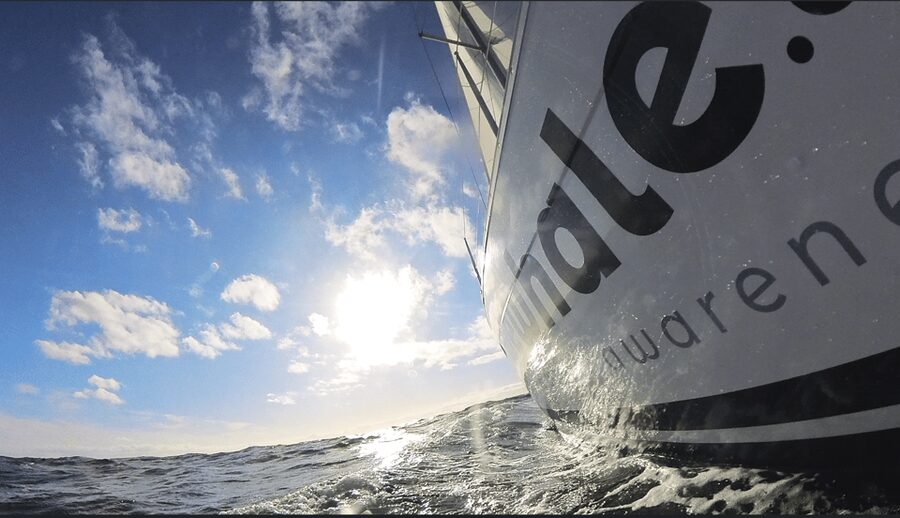
- 100% electric sailboat: less noise, more respectful wildlife viewing
- Sunset cruise: better light and a calmer vibe for watching
- Hydrophone on board: listen along with the guide as you search
- Small group (max 10): more attention, easier spotting and questions
- Expert marine guidance by Sophia: practical cetacean info in English or Spanish
- Target species: bottlenose dolphins and fin whales are part of the focus
Why Denia at sunset fits this dolphin-and-whale mission
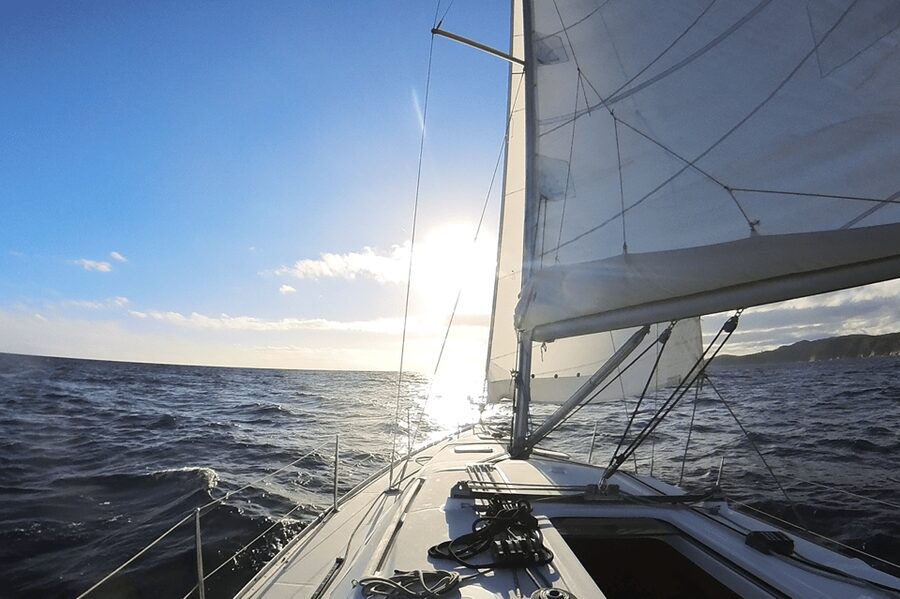
Denia’s coastline has a way of looking like it’s made for an evening sail. The colors shift fast, the air feels less harsh than mid-day, and you’re on the water during a time when your attention naturally slows down. That matters here because this cruise isn’t about racing from one viewpoint to another. It’s about staying patient, watching the water closely, and letting the guide help you connect what you see to the bigger story of Mediterranean marine life.
What makes this one different from many “spotting” trips is the noise level. A quiet electric motor changes the experience immediately. You can actually hear each other on deck without shouting over engine roar, and you also get a more natural feel for the sea around you. The tour is designed for respectful searching, and the electric approach supports that by keeping the experience calmer for both you and the animals.
The other big piece is the human part. You’re not just handed binoculars and left to hope. Sophia provides guidance about the cetacean species you’re likely to hear about and possibly spot, and she helps you interpret behavior instead of just naming animals.
You can also read our reviews of more tours and experiences in Denia.
The boat: how the electric setup changes what you feel on deck
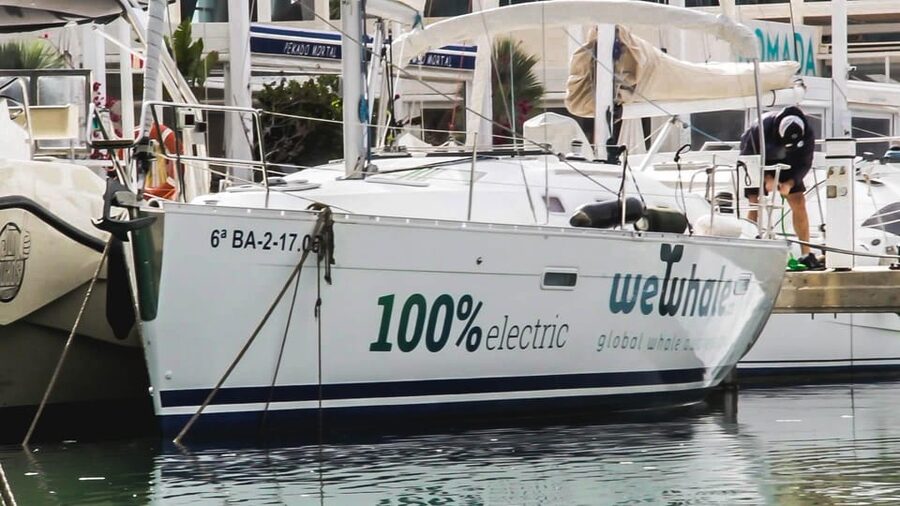
This is a cruise on a 100% electric sailboat, which means the experience starts with a different kind of comfort. If you’ve done diesel-engine boat tours before, you probably remember that mix of vibration, smell, and noise. Here, that’s not the story. The boat’s electric power supports a peaceful, quieter outing—exactly what you want when your main goal is watching marine life.
The ride length is 2.5 hours, so you’re not dealing with an all-day slog. You get enough time to slow down, scan the water, and still have energy to enjoy the coastline visuals. And because it’s a small group (10 max), the movement on deck tends to stay organized. That makes it easier to see where the guide points and easier to hear what she’s saying without a crowd of distractions.
If you’re sensitive to motion, take that seriously. The tour is not suitable for people prone to seasickness, and that’s not a marketing line—it’s a real factor. One person in a recent trip record said they got seasick and Sophia continuously checked in and helped. Still, you shouldn’t gamble with your body if you know waves affect you.
Dolphins and fin whales: what you’re actually hunting for
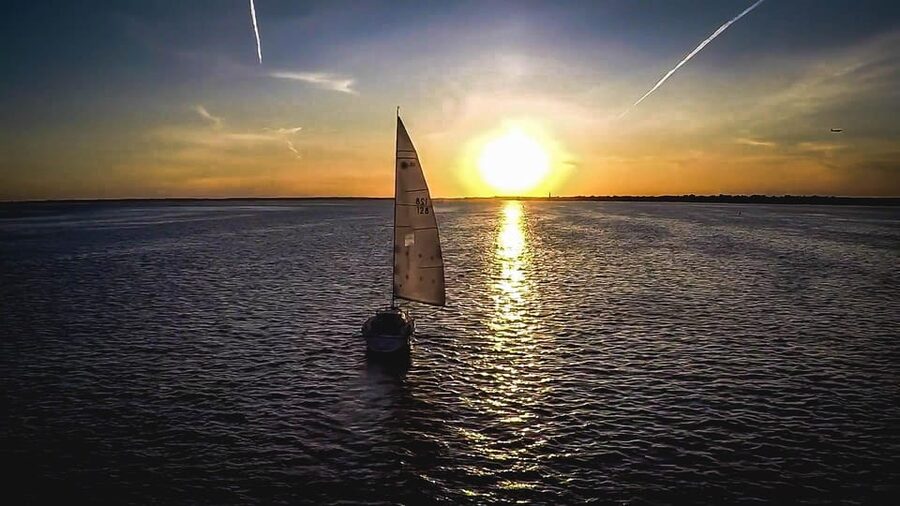
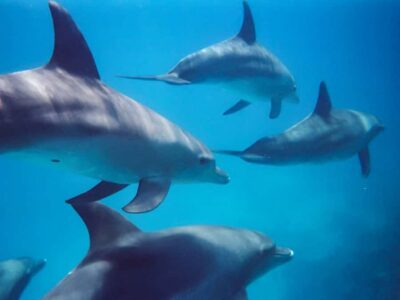
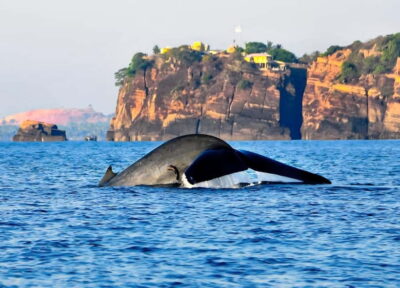
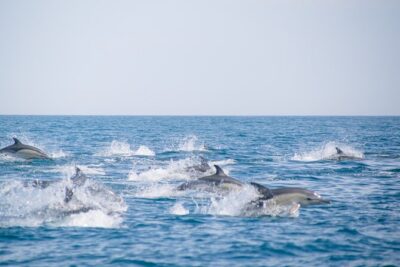
This cruise focuses on cetaceans in the Mediterranean, including bottlenose dolphins and fin whales. That’s important because it keeps your expectations grounded. You’re not chasing mythical “guaranteed whale sightings.” You’re out in their world, looking for signs that they’re nearby.
The key word to remember is respectful searching. The cruise is built around the idea that the boat is quieter and the approach is calm, which is helpful both ethically and practically. When the environment is less disruptive, animals may be more likely to keep doing what they came to do.
Even with good conditions, sightings depend on timing, weather, and where the animals are. Some trips will be all action with dolphins close to the boat. Other outings might bring fewer sightings—or none. That’s why the value isn’t only about ticking off an animal. It’s also about the learning component and the chance to experience the coastline and marine atmosphere at sunset.
The hydrophone moment: hearing the sea instead of just watching it
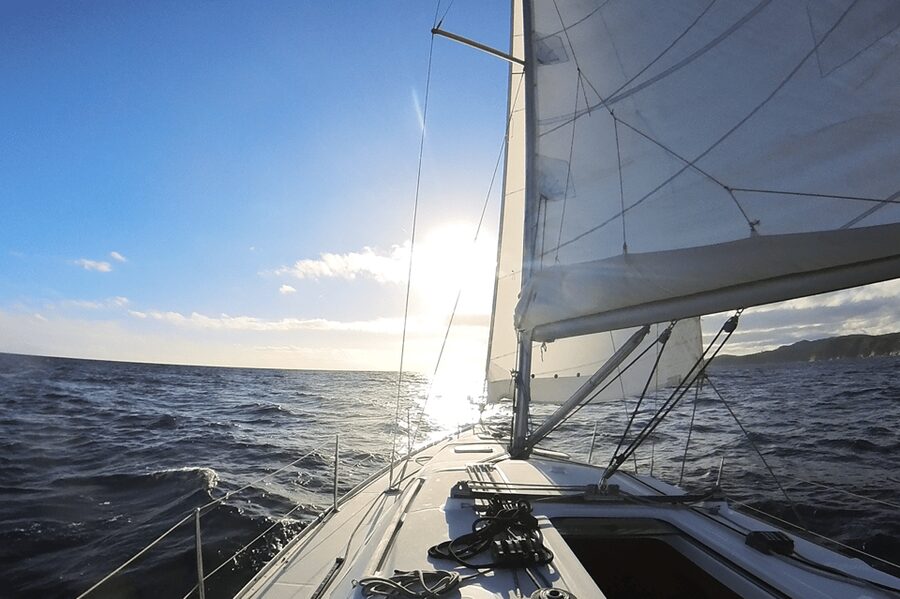
One of the clever additions here is the on-board hydrophone. You’re not limited to surface observation. With the guide’s help, you can listen to underwater sound, which adds a layer most sunset cruises skip. Even if you don’t see whales, hearing underwater activity can make the whole search feel less like waiting for luck and more like participating in the marine environment.
How this plays out in real terms: the guide uses the hydrophone as part of the experience when you’re out on the water, and the tech gives you a more interactive way to understand what might be happening below the surface. It’s a neat fit for a 2.5-hour trip because it helps break the time into meaningful chunks—watching, learning, and then listening.
If you like hands-on experiences or you’re traveling with kids or curious friends, this is one of the reasons the tour feels more complete than a basic “look for dolphins” outing.
Following the coastline: Denia to Cabo de San Antonio at golden hour
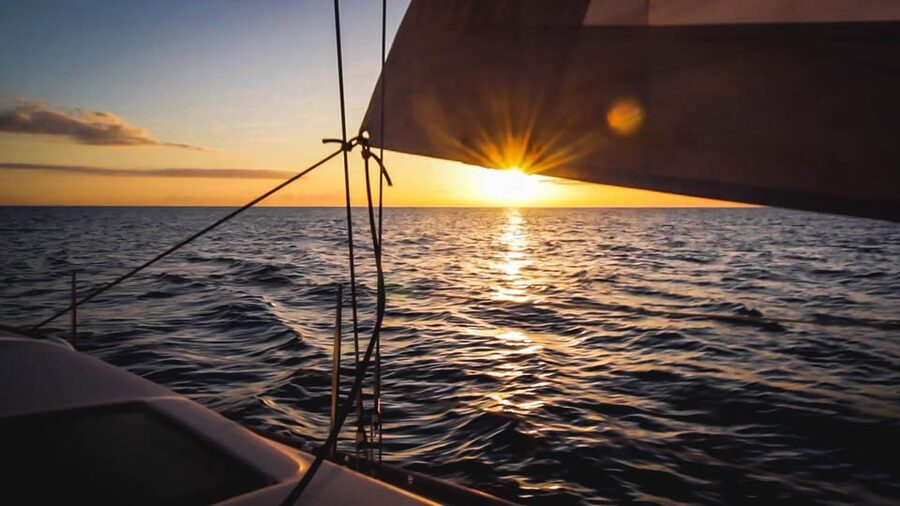
You’ll cruise the coastline of Denia and toward Cabo de San Antonio in the Mediterranean Sea. The entire route is built for sunset timing, so your viewing window benefits from low-angle light and softer glare on the water.
What’s special about cruising this stretch is that it keeps the scenery changing while you’re searching. That matters because if you spend two hours staring only at open water, you can start to feel restless. Here, you’re balancing animal spotting with the feeling of moving along the coast—rocky edges, open sea views, and that distinctive Denia coastal vibe.
The drawback is simple: you still have to scan. The sea doesn’t hand you a dolphin show on a schedule. The guide helps, but your eyes will do some work. If you want guaranteed close-up animal viewing, no sea trip can promise that.
Timing and group size: why 10 people is the sweet spot
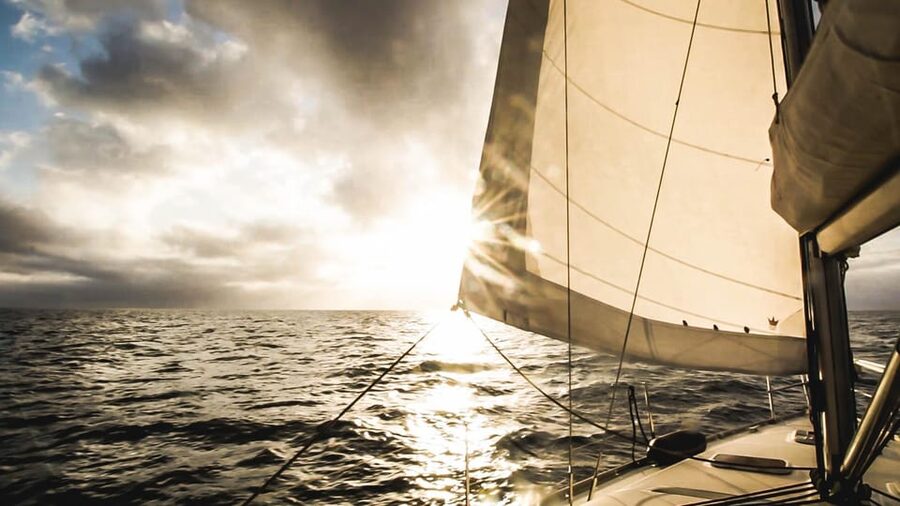
The cruise runs for 2.5 hours, and the group is limited to 10 participants. Those two details combine into a better atmosphere. With a small group, the guide can keep her attention on everyone rather than bouncing between far-apart deck positions. It also reduces the chaos when people spot something and instinctively move toward it.
Short enough to keep it energetic, long enough to make time for searching and using the hydrophone. It’s a good length for a first boat experience too, since you’re not committing to a full day on the water.
As for languages, Sophia’s tour guidance is available in English and Spanish, so you can pick what matches your comfort level. That helps because understanding what she explains about the cetaceans makes your spotting attempts feel smarter, not random.
What’s included: more than just the boat ride
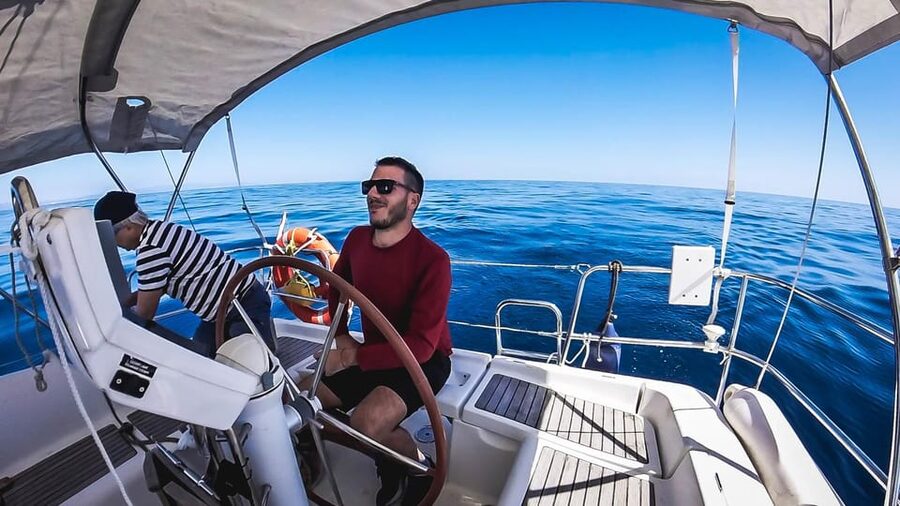
This trip includes far more than seat time. You get:
- An expert marine guide (with Sophia leading the experience)
- Hydrophone use on board
- Sightings of dolphins and whales, when conditions allow
- Drinks and snacks: water, soft drinks, beer, fresh fruits, and dry fruits
That snack list sounds basic until you’re on a boat in warm evening weather. Having water and fruit reduces the “I feel wiped out” problem, and it keeps your attention on the water longer. The inclusion of beer is a nice touch if you’re planning a relaxed night out, but it’s not the center of the experience.
One practical angle: because hotel pickup and drop-off aren’t included, you’ll want to plan how you’ll reach Marina El Portet Denia yourself. The tour is timed for the sea, not for convenience, so getting there on time matters.
Meeting point in Marina El Portet Denia: find the boat fast
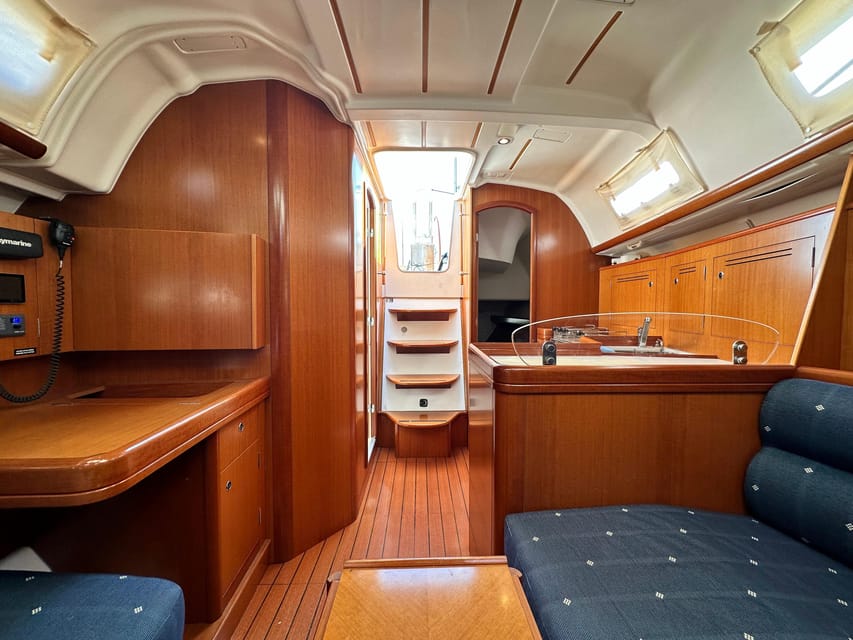
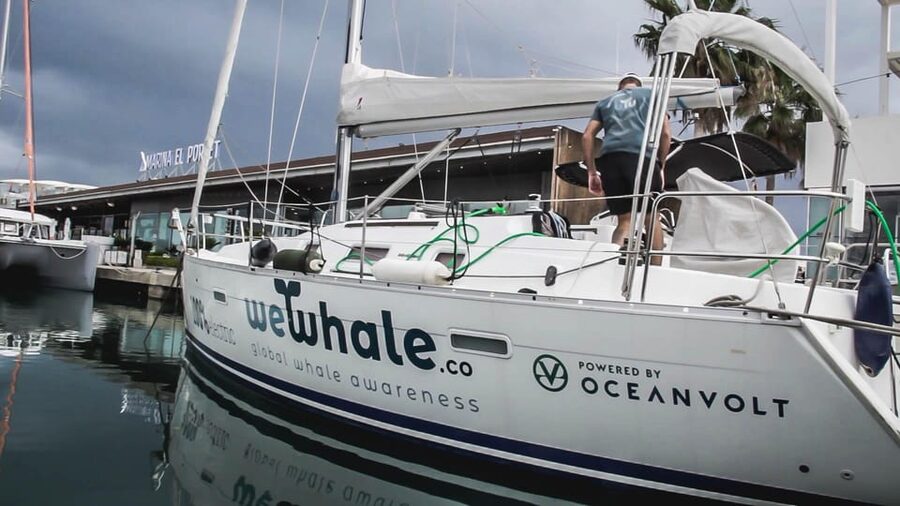
You’ll meet at the boat at Marina El Portet Denia, Pontoon 5, number 40, just in front of the shop called ALE-HOP. If you arrive early, you’ll have time to orient yourself and avoid that last-minute scramble that makes people cranky.
Practical tip: if you’re using a map app, double-check you’re looking for the marina entrance and then follow the pontoon details. Pontoon numbers can be easier to spot on-site than guessing from the general marina area.
What to bring (and what to skip)
For comfort, bring:
- A hat
- Sunscreen
Even in the evening, sun on the water adds up. The hat helps with glare and warmth while you’re scanning for movement.
On-board rules include:
- No smoking
- No littering
- No feeding animals
Those rules matter because they support respectful wildlife viewing. If you’re thinking about feeding wildlife out of good intentions, don’t do it—follow the boat guidelines so the marine life stays undisturbed.
If you get seasick: your real decision point
This is the part you shouldn’t soften. The cruise is not suitable for people prone to seasickness. A recent account also showed that Sophia was helpful when someone felt unwell, but “helpful” doesn’t erase the fact that discomfort can ruin your focus and mood.
If you’re on the fence, be honest about your past. If boat motion typically bothers you, look for alternatives on land or shorter, calmer water experiences. If you normally handle waves fine, you’ll likely enjoy this more because the electric boat can feel smoother and quieter than many engine-heavy options.
Price and value: is $88 per person fair?
At $88 per person for 2.5 hours, this isn’t a cheap activity. So you have to judge value based on what you’re buying.
You’re paying for:
- A small-group setup (max 10)
- A marine guide service with education during the search
- Hydrophone technology included
- Refreshments (drinks, fruit, dry fruits)
- A quiet electric boat experience designed for respectful wildlife viewing
If you end up seeing dolphins or whales, the price starts to look very reasonable because you get both the moment and the meaning behind it. If you leave without sightings, the value can feel harder to justify, especially if your primary motivation was a whale encounter rather than the education and sunset cruise itself. That’s the honest trade-off with marine wildlife tours.
My advice: treat it like a marine experience first, a spotting event second. If you love learning about the sea and you’ll enjoy Denia’s sunset even without a whale sighting, you’ll feel good about the cost.
Who should book this cruise (and who shouldn’t)
This is a strong fit if you:
- Want a calmer, lower-noise electric boat outing
- Like marine facts and guided interpretation
- Prefer a small group over a big crowd
- Enjoy sunset views and want a meaningful way to spend time on the water
It may not fit you if:
- You’re prone to seasickness
- You need guaranteed dolphin or whale sightings to feel satisfied
- You can’t easily make it to the meeting point on your own (since hotel pickup isn’t included)
Should you book the WeWhale Denia sunset electric sail cruise?
I’d book it if you’re excited by the idea of a quiet sunset sail plus real marine guidance, and you’re okay with the nature side of things being unpredictable. The electric setup, the hydrophone, the small group, and Sophia’s attentive approach are exactly the kinds of details that turn an outing from generic into memorable.
Skip it if you’re highly sensitive to wave motion or if your budget needs a guaranteed animal encounter. With marine life, luck is part of the equation. The cruise earns its value most when you let the whole experience—sunset, education, and the search—be the payoff.
If you want, tell me your travel month and whether you get seasick easily, and I’ll help you decide if this is the right time and format for your group.
FAQ
How long is the Denia sunset electric sailboat cruise?
It lasts 2.5 hours.
Where do I meet the boat?
You’ll meet at Marina El Portet Denia, Pontoon 5, number 40, in front of the shop ALE-HOP.
Is the hydrophone included?
Yes. Use of on-board technology, including a hydrophone, is included.
What’s included in the price?
The tour includes the expert marine guide, hydrophone use, dolphin/whale sightings when conditions allow, and drinks plus snacks (water, soft drinks, beer, fresh fruit, and dry fruits).
What languages are the tours offered in?
The live guide is available in English and Spanish.
Who should avoid this activity?
People prone to seasickness should not do this tour. Also, the experience depends on weather conditions and may be rescheduled or canceled in bad weather.