REVIEW · DENIA
Denia: Whale and Dolphin Watching Morning Experience
Book on GetYourGuide →Operated by WeWhale Denia · Bookable on GetYourGuide
A whale trip where you also listen. This 4-hour morning in Denia pairs a quiet electric sail with a real cetacean focus, plus a hydrophone so you can track sounds as well as sightings along the Valencian coast.
One thing I like a lot is the small, intimate setup on El Som Mar (up to 10 people), where you’re not jammed in with strangers. I also really value the onboard marine guide and masterclass, especially when the guide is someone like Sophia, who explains what you’re seeing (or not seeing) with calm, clear confidence. The only drawback to plan for: whale and dolphin sightings are not guaranteed, and some mornings are windless or still so you may end up with a lot of beautiful sea time and maybe different wildlife, like big jellyfish.
In This Review
- Key Highlights You’ll Actually Feel On Board
- Morning Light, Quiet Motion: Boarding El Som Mar in Denia
- Why Denia’s Coast Is a Whale and Dolphin Watching Hotspot
- The Hydrophone Masterclass: Hear What Most People Never Do
- Real Talk About Sightings: Weather, Wind, and Visibility
- Drinks, Snacks, and the Value of Staying Small
- The 4-Hour Flow: What the Time on Water Looks Like
- Where This Tour Really Fits (And Where It Might Not)
- Price and Value: What $112 Buys You in Denia
- Practical Tips That Make This Morning Smoother
- Should You Book WeWhale Denia?
- FAQ
- How long is the Denia whale and dolphin watching morning experience?
- What boat do you sail on, and how many people are onboard?
- Is there a hydrophone on this tour?
- Do you get a guide and do they speak English?
- What’s included besides the boat ride?
- Where is the meeting point in Denia?
- Is hotel pickup and drop-off included?
- Is this tour suitable if I get seasick easily?
- What should I bring and what rules are there on board?
Key Highlights You’ll Actually Feel On Board
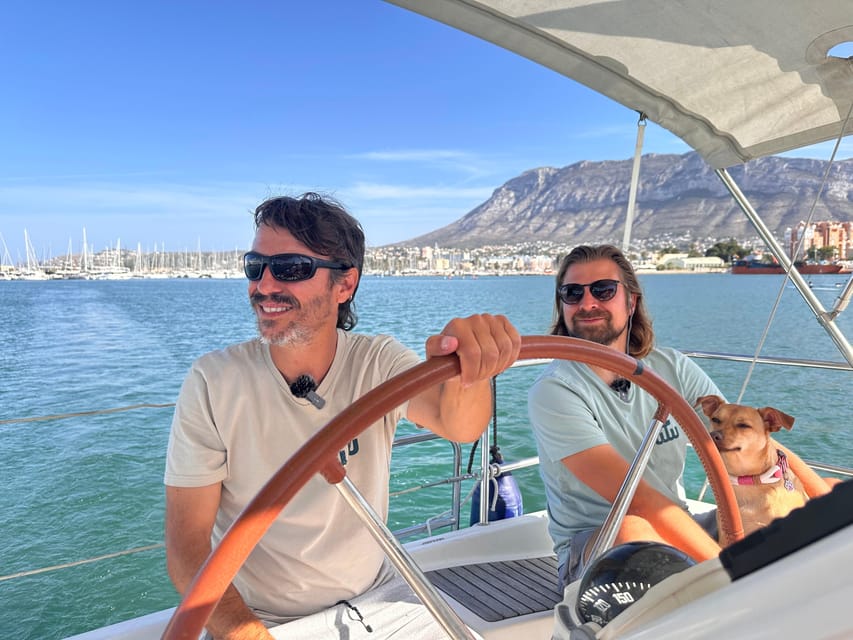
- Electric sailboat, El Som Mar: quiet propulsion and an intimate vibe for up to 10 guests
- Hydrophone listening: you might hear whales and dolphins even when visibility is tough
- Cetacean masterclass with a marine guide: you learn how to read the behavior, not just look
- Denia’s coastline context: the tour explains why this stretch is known for whales and dolphins
- Included drinks and snacks: a simple, pleasant break during the cruise
- Morning timing: a fresh start that fits nicely into a full day in Denia
Morning Light, Quiet Motion: Boarding El Som Mar in Denia
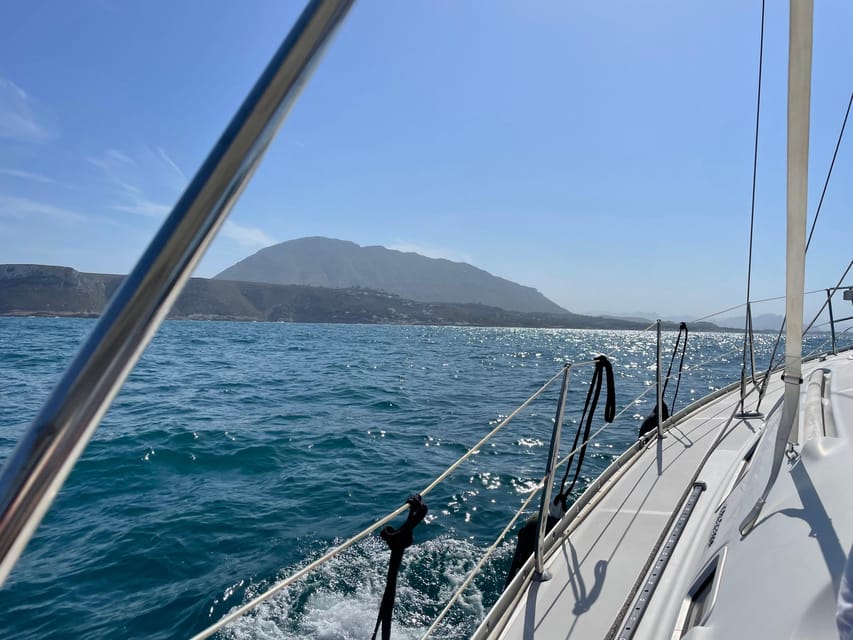
This tour starts with an early, easy rhythm. You head to Marina El Portet in Denia and meet at Pontoon 5, number 40, right in front of the shop called ALE-HOP. Aim to arrive at least 10 minutes early so you can get settled without stress.
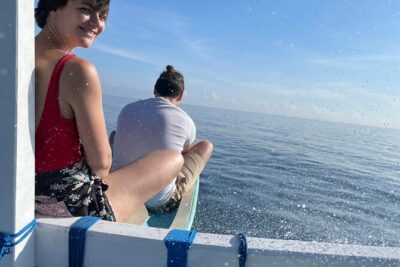
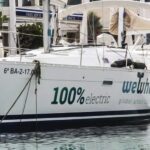
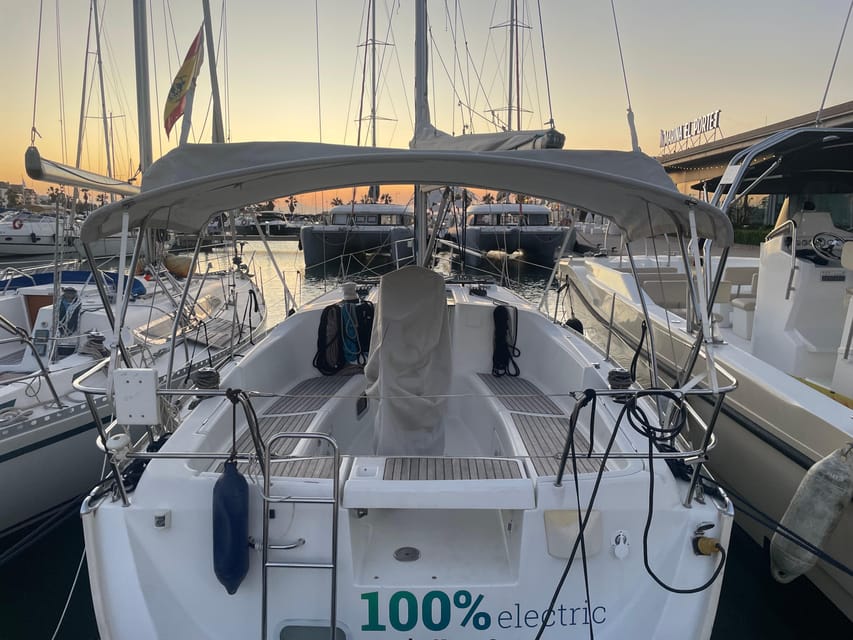
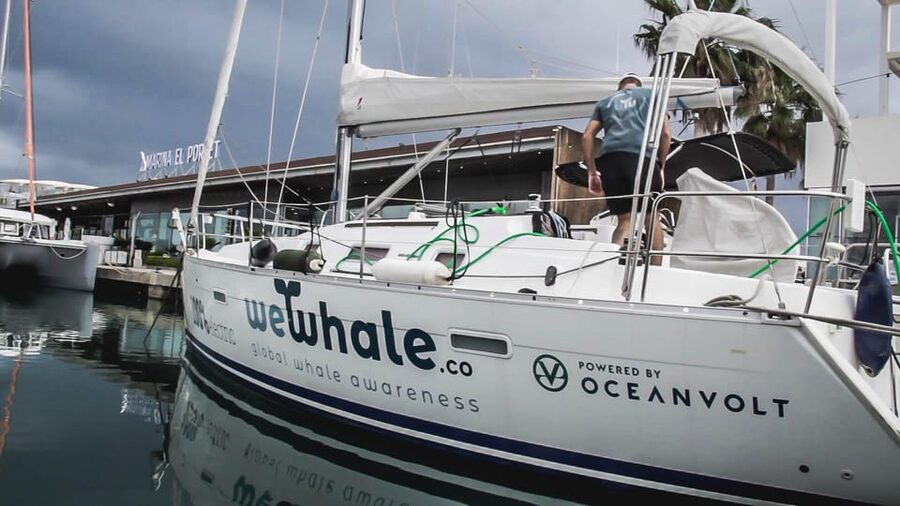
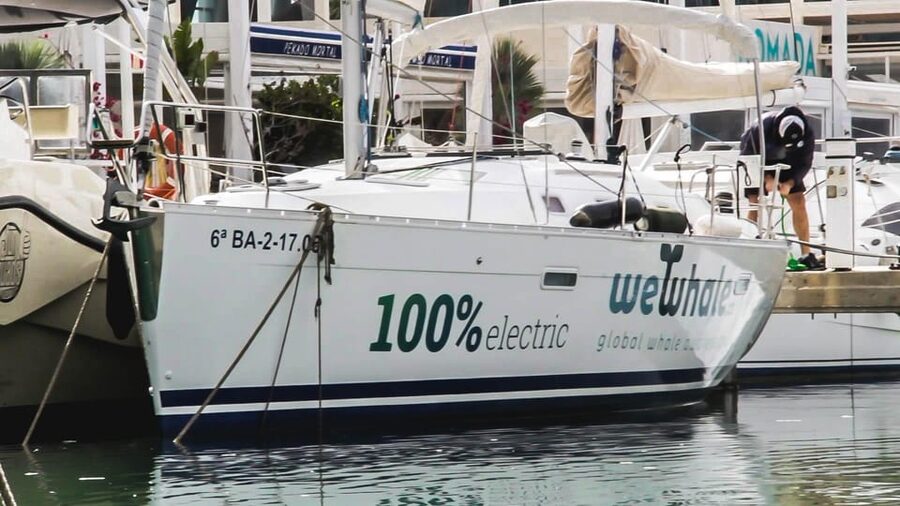
Then you step onto El Som Mar, an electric sailboat designed for an intimate group experience. Up to 10 guests means you can actually hear the guide when questions pop up. It also means the boat doesn’t feel like a floating classroom full of distractions.
The electric part matters more than you might think. On the water, quiet propulsion tends to feel calmer and less intrusive, which fits the whole tone of the trip: slow observations, respectful distance, and a focus on learning. If you’re the type who likes the journey as much as the destination, you’ll probably enjoy the feel of this sail even on days when sightings are elusive.
You can also read our reviews of more tours and experiences in Denia.
Why Denia’s Coast Is a Whale and Dolphin Watching Hotspot
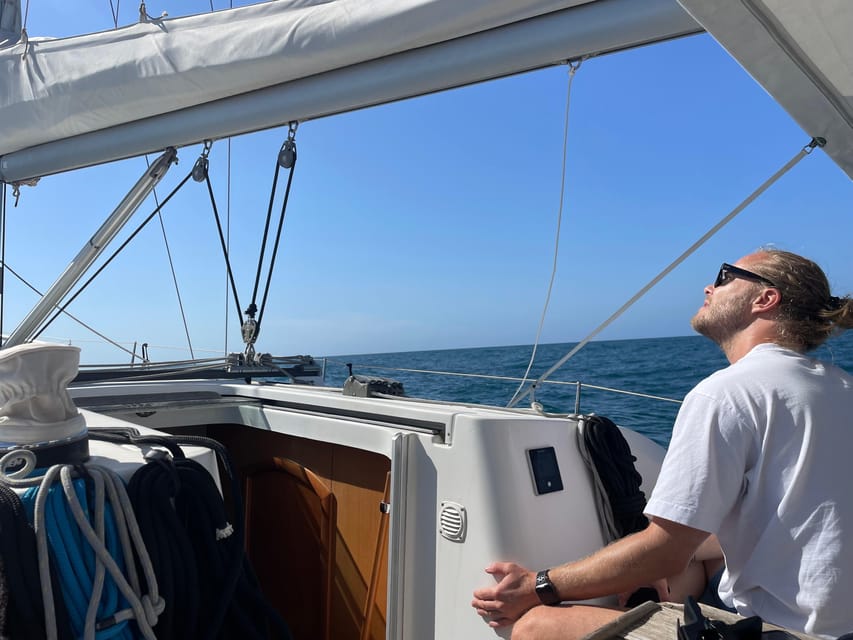
Denia is the kind of place where the coast does the talking. The experience doesn’t just say there are whales and dolphins out there. It explains why this area is significant for whale and dolphin watching along the Valencian coastline.
That “why” changes how you watch. Instead of scanning randomly, you learn what to listen for, what kinds of marine behavior might hint that cetaceans are near, and why the morning timing can help. Even if you end the trip without a close encounter, you leave with a better sense of how the local waters connect to the animals’ patterns.
This also helps on the practical side. If conditions reduce visibility, you’ll know the tour isn’t trying to force a checklist. It’s trying to support a real search process guided by an onboard marine specialist. That mindset makes the day feel purposeful rather than frustrating.
The Hydrophone Masterclass: Hear What Most People Never Do
Here’s the big differentiator: the tour includes time with a hydrophone, so you’re not only relying on eyesight.
On board, the marine guide helps you understand what you’re hearing and what those sounds can mean. It’s one of those moments where your brain shifts. Dolphins aren’t just “maybe out there somewhere.” You start thinking in terms of sound, distance, and how detection works underwater.
Even if you don’t catch a clear sighting, hearing underwater activity can turn the trip from scenic cruising into something interactive. One of the best parts of this approach is that it reduces the all-or-nothing feeling. You’re still doing the main activity even on a day when the sea decides to be quiet.
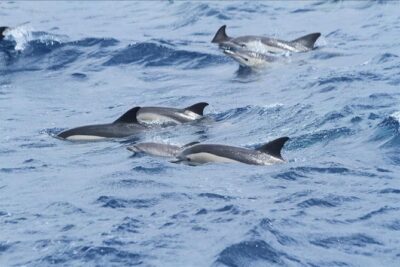
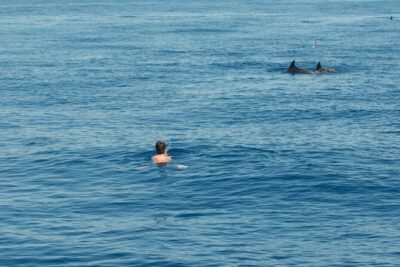
And yes, sometimes that can lead to the kind of “wait, did we just hear that” excitement. On better days, you might even see dolphins around the boat. But even on days with fewer sightings, the hydrophone experience keeps the tour grounded in learning.
Real Talk About Sightings: Weather, Wind, and Visibility
Let’s be honest in a helpful way. Whale and dolphin watching depends on conditions. If it’s very windy or the sea stays still in a way that doesn’t bring animals close to the surface, your odds shift.
You should plan for the possibility of limited or no sightings. Some mornings turn into beautiful sea time rather than animal encounters. There are also days where you might notice other wildlife more than cetaceans, like large jellyfish.
Does that mean the tour is a letdown? Not automatically. If you go in expecting a guided marine search with educational moments, the day can still feel worthwhile. But if you’re booking with the belief that you’ll definitely see whales or dolphins, you’ll want to adjust that expectation before you sail.
If you’re sensitive to this idea, focus on what this experience guarantees: a small group, a marine guide, a cetacean masterclass, and hydrophone listening. Those pieces are what make the trip feel complete.
Drinks, Snacks, and the Value of Staying Small
A 4-hour cruise can feel short or long depending on how the time is managed. Here, the included refreshments help smooth it out.
You get complimentary drinks and snacks during the excursion. The information also notes that these are provided through partnerships with like-minded projects tied to positive impact. In plain terms: it’s not only about selling you a ticket. It’s also about connecting the experience to broader values.
Now, what do you actually get? The specifics can vary, but on some departures the included options have included fruit, soft drinks, and even beer and wine. That’s a nice touch because it means you’re not stuck with only water and juice. Still, don’t assume a full breakfast setup or a huge snack spread—this is more “light and pleasant” than “meal replacement.”
Staying with the small group theme, fewer people onboard also means the snack moment doesn’t feel like a crowded break. You can relax, stay present, and still keep listening for sounds.
The 4-Hour Flow: What the Time on Water Looks Like
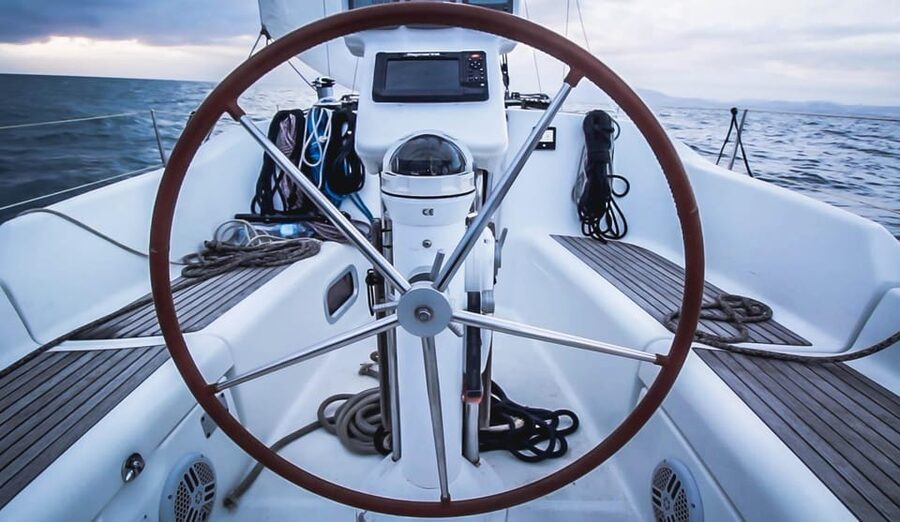
You’re on the water for 4 hours. That’s enough time to search, teach, and listen without feeling dragged out.
A typical rhythm looks like this:
- You start with orientation and the onboard guide begins setting context for the marine life and what to look (and listen) for.
- You participate in a hands-on style masterclass on cetaceans, where the guide explains species basics and why this coast is active.
- You use the hydrophone to listen for underwater sounds, turning the cruise into an active experience rather than passive sightseeing.
- You spend the rest of the time cruising and scanning with guidance, aiming for the best chance at sightings based on real sea conditions.
The best part of this timing is the balance. You’re not rushing to the next activity every 20 minutes. You get a sustained window to do one thing well: observe and learn about cetaceans in their environment.
Where This Tour Really Fits (And Where It Might Not)
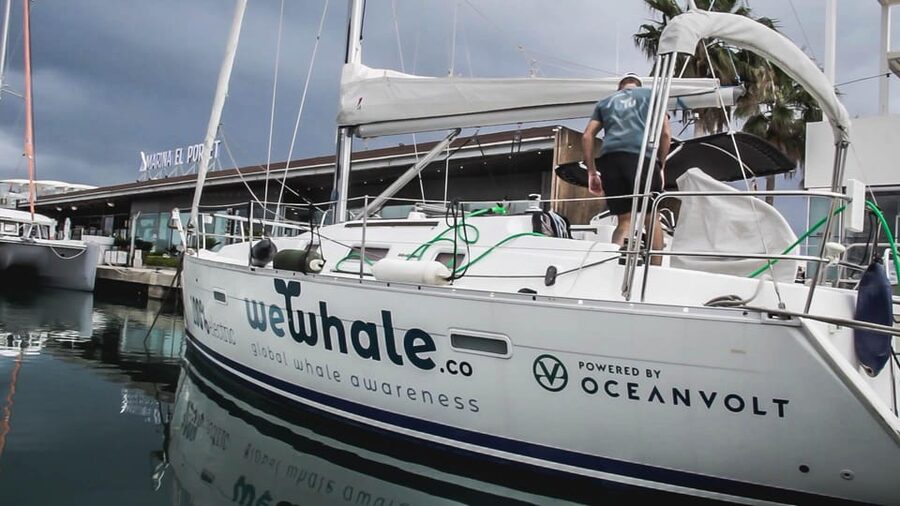
This experience is built for people who enjoy nature with instruction. If you love learning while you watch—asking questions, listening closely, and appreciating why things happen—this tour will likely land well.
It’s also a solid choice if you like smaller groups. With a limit of 10 participants, it feels more personal and less chaotic.
Where it may not fit:
- If you’re prone to seasickness, this is not suitable. The boat is out at sea long enough that discomfort can ruin the day.
- If your top priority is guaranteed whale or dolphin sightings, you need to recalibrate. This is a search-and-listen experience, not a vending machine for marine encounters.
Price and Value: What $112 Buys You in Denia
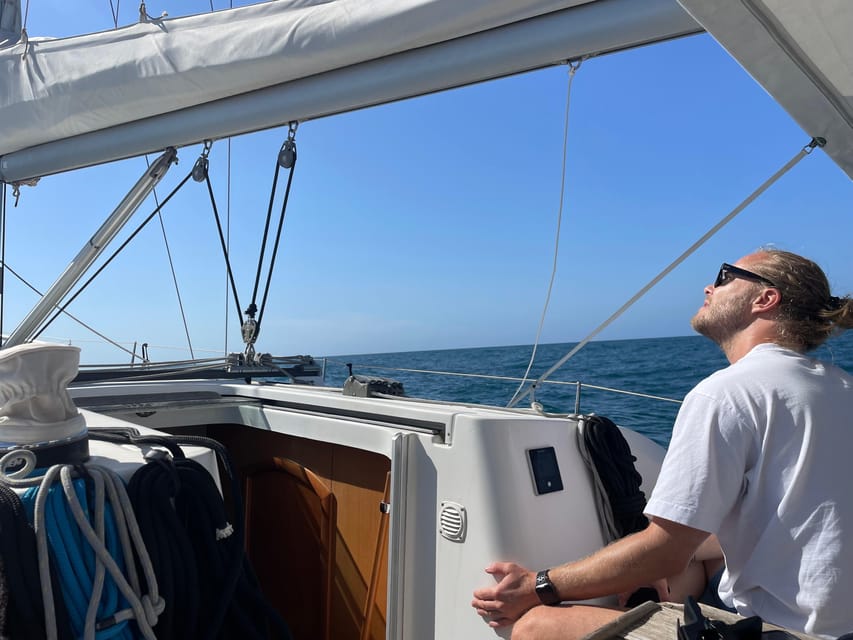
At $112 per person for a 4-hour morning, you’re paying for more than a boat ride.
Here’s what you’re getting value for:
- A small-group electric sail on El Som Mar (up to 10 guests)
- A marine guide onboard
- A cetacean masterclass
- The hydrophone experience
- Complimentary drinks and snacks
Boat trips alone can be cheaper in other places. But when a tour adds real education and includes hydrophone listening, it’s moving from “watching” into “participating.” That’s the difference between paying for a seat and paying for an experience.
You also get language support: the live guide works in English and Spanish. If you’re comfortable in either, you’ll get more out of the explanations instead of just translating in your head.
Is it overpriced? Not if you care about learning and atmosphere. If you only want a fast thrill of guaranteed sightings, you may feel disappointed on slower days.
Practical Tips That Make This Morning Smoother
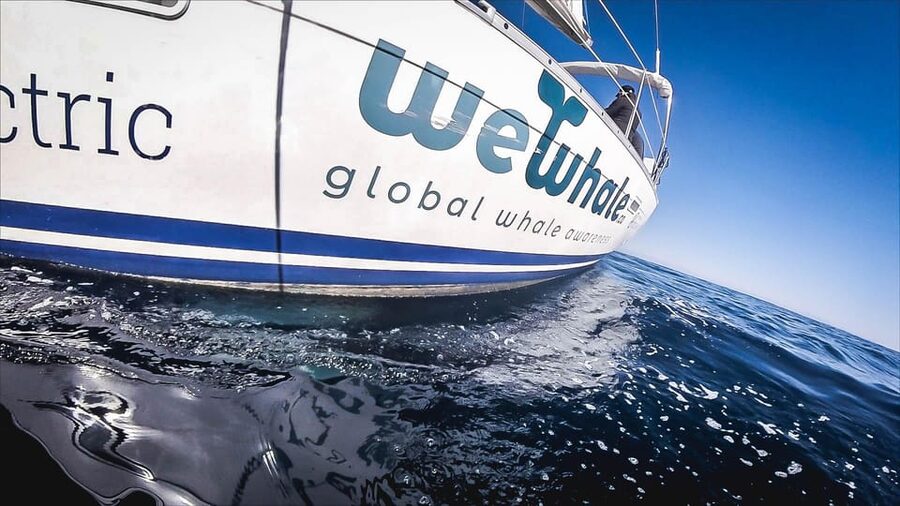
This is the kind of tour where a couple small choices help a lot.
Bring:
- A hat
- Sunscreen
The basic rule is to protect yourself for a morning on the water. Even if the sea feels calm, you’ll still get sun.
Onboard rules:
- No smoking
- No littering
- Don’t feed animals
And do yourself a favor: arrive at least 10 minutes before departure. With a pontoon meeting point, you want time to find Pontoon 5, locate number 40, and get oriented by the ALE-HOP shop.
Should You Book WeWhale Denia?
Book it if you want a morning that mixes nature with real learning. The combination of a cetacean masterclass and hydrophone listening is the reason to choose this tour. Even when sightings are limited, the experience doesn’t collapse into nothing.
Skip it (or think carefully) if seasickness is a concern for you. And if your only acceptable outcome is a whale or dolphin sighting, you’re taking a gamble with the sea.
If you go in with the right mindset—respectful observation, curiosity, and patience—you’re likely to come away feeling like you did something thoughtful, not just something loud.
FAQ
How long is the Denia whale and dolphin watching morning experience?
It lasts 4 hours.
What boat do you sail on, and how many people are onboard?
You sail on an electric sailboat called El Som Mar, and the group is limited to 10 participants.
Is there a hydrophone on this tour?
Yes. You’ll have the use of a hydrophone to help you hear whales and dolphins.
Do you get a guide and do they speak English?
There is an onboard marine guide. The tour language includes English and Spanish.
What’s included besides the boat ride?
Included items are the 4-hour tour, the onboard marine guide, a cetacean masterclass, hydrophone use, and complimentary drinks and snacks.
Where is the meeting point in Denia?
Meet at Marina El Portet Denia, Pontoon 5, number 40, in front of the shop called ALE-HOP.
Is hotel pickup and drop-off included?
No, hotel pickup and drop-off are not included.
Is this tour suitable if I get seasick easily?
No. It’s not suitable for people prone to seasickness.
What should I bring and what rules are there on board?
Bring a hat and sunscreen. Smoking, littering, and feeding animals are not allowed.