REVIEW · FREJUS SAINT RAPHAEL
Depart Saint Raphaël: Meet the Dolphins
Book on Viator →Operated by TakSea · Bookable on Viator
Spotting dolphins off Saint-Raphaël is pure luck. You sail about 30 minutes offshore into the PELAGOS protected maritime area, then you spend around 2.5 hours searching for dolphins, cetaceans, and other marine mammals—watching for movement instead of chasing crowds. I really like the calm, engine-off style of viewing and the long chunk of time inside the sanctuary. The only catch is the big one: sightings are never guaranteed, so you need to be comfortable with the idea of a beautiful sea trip even if the animals stay camera-shy.
This works best when you enjoy being outdoors with a small group. You meet at 49 Quai Albert 1er, and the activity runs long enough to feel like a real outing, not a quick hop. With a maximum of 11 travelers and an English-speaking guide, it also has that hands-on feel where you can actually look properly instead of standing behind someone’s hat.
In This Review
- Key highlights to expect on this dolphin meet-up
- Saint-Raphaël Quay Departure: how the 4 hours actually play out
- Pelagos and the Ligurian Sea Cetacean Sanctuary: what a protected area changes
- The itinerary rhythm: 30 minutes out, 2.5 hours looking
- What you might see: dolphins, sperm whales, and other marine life odds
- Crew style and onboard pacing: respectful, but varies
- Price and value: why $180 can make sense (and when it might not)
- Who this suits best in your Saint-Raphaël day plan
- Practical tips to improve your chances of having a great time
- Should you book the meet the dolphins cruise?
- FAQ
- Where is the meeting point for the tour?
- How long is the cruise?
- Is the group limited in size?
- What language is the tour offered in?
- Do I receive a mobile ticket?
- How long do you spend in the sanctuary area?
- Is this activity suitable for young children?
- When does the tour end?
- What weather conditions are required?
- If I need to cancel, is it refundable?
Key highlights to expect on this dolphin meet-up
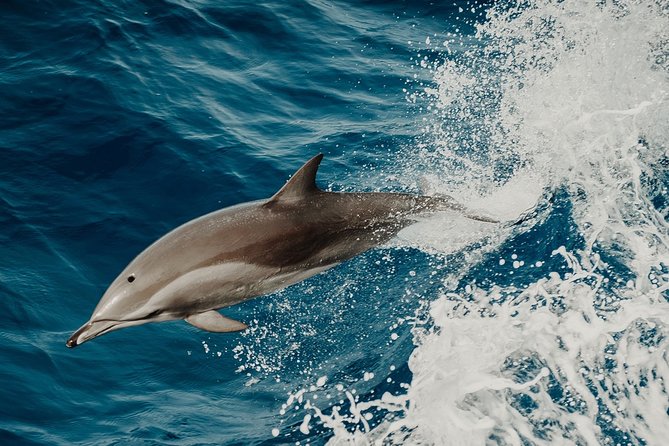
- Two phases on the water: about 30 minutes sailing offshore to reach the sanctuary, then roughly 2.5 hours in the protected area for encounters.
- Engine-off wildlife viewing: the crew aims to reduce disturbance and keep a respectful distance when cetaceans are present.
- Small group of up to 11: you’ll have an easier time scanning the water and spotting blows or fins.
- A proper break onboard: you may get a short stop with croissants plus drinks like coffee and apple juice.
- Some extra time if wildlife seems likely: on at least some sailings, the guide has added time when there’s still a chance to see animals.
Saint-Raphaël Quay Departure: how the 4 hours actually play out
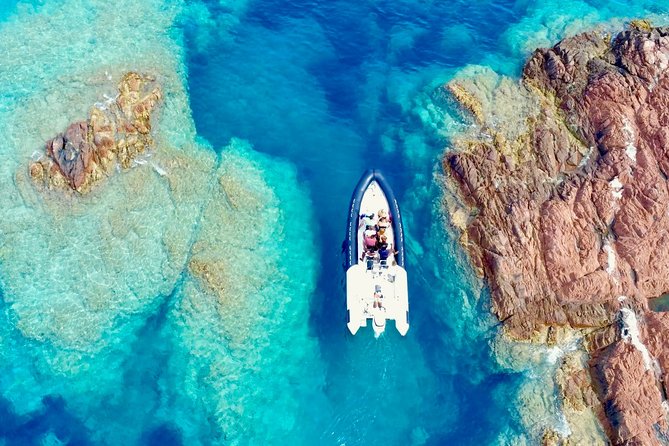
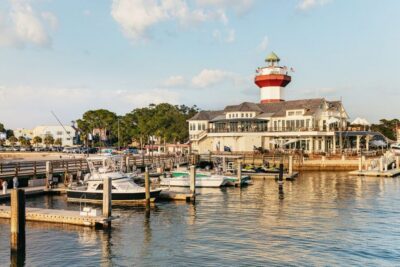
You start in Saint-Raphaël at 49 Quai Albert 1er, and you come back to the same spot at the end. That matters because it keeps your day simple: no shuttle hunts, no second location, no taxi math. The tour runs about 4 hours total, which is long enough to get out to the sanctuary and still feel un-rushed.
The group size is small (up to 11), so the boat doesn’t feel like a moving bus stop. In practice, that usually means more attention goes into finding animals, because the crew doesn’t have to wrangle a crowd. You’ll also be traveling with an English-speaking guide, and the experience is designed to be booked smoothly with a mobile ticket.
One more practical note: this is weather-dependent. If conditions are poor, your outing may be moved or refunded, so it’s smart to plan this earlier in your trip window when you have some flexibility.
Pelagos and the Ligurian Sea Cetacean Sanctuary: what a protected area changes
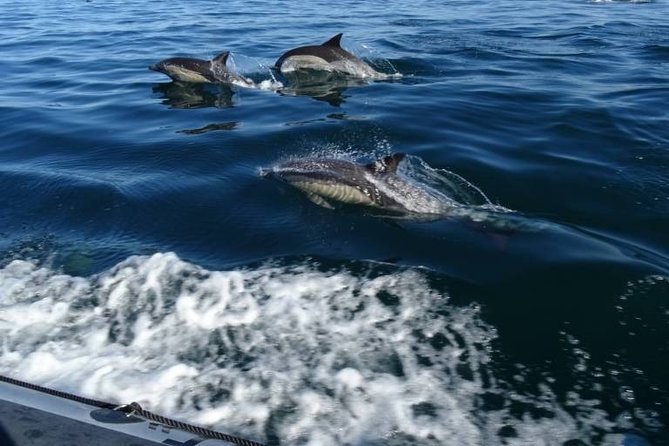
You’re going to the PELAGOS marine sanctuary off Saint-Raphaël, within the Ligurian Sea Cetacean Sanctuary concept used by the operator. The big value here is the purpose-built rules of a protected maritime zone. It’s not just a fun boat ride. It’s a search done in an area that’s managed to protect marine mammals.
What you should feel from that: the crew isn’t treating this as a full-speed chase. You can expect a respectful approach when wildlife is present, including reducing engine use and avoiding close approach. That doesn’t guarantee sightings, but it increases the odds you’ll see animals acting naturally rather than fleeing.
This also means you’re not just looking for dolphins like they’re at a theme-park show. You’re looking in a living habitat. Your job as a passenger is simple: stay alert, scan the water, and let the crew guide where to focus.
The itinerary rhythm: 30 minutes out, 2.5 hours looking
The day has a clear tempo. First comes the offshore run: about 30 minutes of sailing to reach the protected area. That time is useful because it buys you distance from the shoreline, which is where marine activity tends to show up. Don’t expect an instant spectacle right at departure. This portion is about getting you into the right water.
Then the main event starts: about 2 hours 30 minutes evolving in the sanctuary. That phrase matters. Instead of blasting in a straight line, the boat adjusts based on currents and changes in depth. In a protected zone, that kind of “follow the conditions” style is exactly what you want, because cetaceans don’t appear on a fixed schedule just because your camera is ready.
If you’re the type who likes a plan, you’ll appreciate this setup. You’re not gambling on a 30-minute window where everything can happen or nothing can happen. You get a real stretch of time to watch for surfacing, which is where most sightings actually become visible.
What you might see: dolphins, sperm whales, and other marine life odds
Here’s the honest heart of this tour: you’re searching for wild animals. I love doing that, but I also think you should plan emotionally for both outcomes.
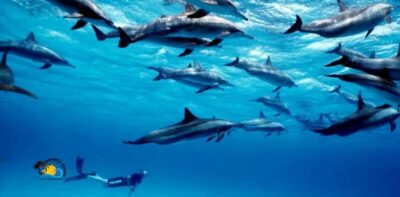
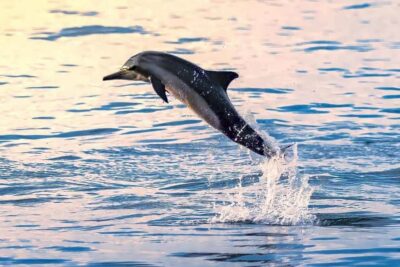
On some outings, the water has delivered classic results: dolphins showing up near the rendezvous area, and even larger cetaceans like sperm whales. There are also reports of blue-and-white dolphins in the mix. When the timing lines up, it feels like the ocean starts talking—blows on the surface, sudden changes on the water, and then the moment you realize the crew was watching the right spot all along.
On other outings, you might leave with no animals at all. That does happen. One of the most helpful ways to think about it is this: even when wildlife doesn’t show, you still get time out on the Côte d’Azur from the sea, plus the experience of being in a real sanctuary area rather than just cruising along the shoreline.
If you do get sightings, watch how the crew behaves. The best sign you’re doing this responsibly is when they keep distance and reduce disruption. It’s also when you’ll notice that the captain and assistant slow down mentally as much as physically—they’re giving you time to actually see.
Crew style and onboard pacing: respectful, but varies
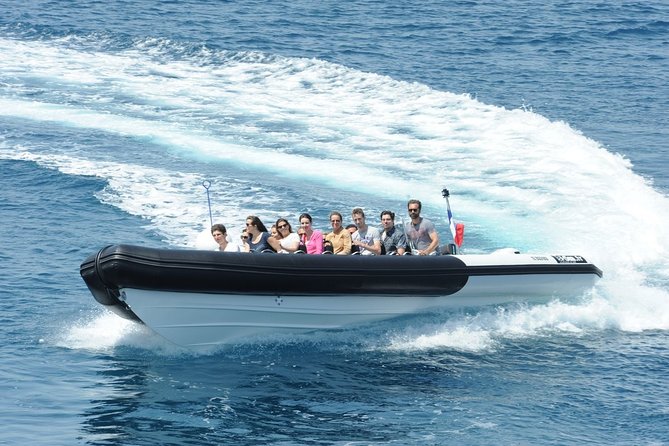
The operator’s approach (at least on many sailings) puts respect for marine mammals first. You should expect the crew to shut off the engine when cetaceans are in view, and you should not expect the boat to swarm close to animals. That’s good for the animals, and it’s good for you because the viewing stays calm instead of chaotic.
You’ll also likely get a short onboard break with croissants and drinks. In one common pattern, that pause includes coffee and apple juice. It’s not a long lunch, but it’s a nice reset, especially on a morning trip where you may have started the day a little earlier than usual.
Now the balanced part: not every sailing runs the same in terms of narration. Some captains keep conversation going with helpful explanations, while other captains stay focused and provide less commentary. If you enjoy facts, don’t be shy about asking a question during the trip. If you’re the type who wants lots of marine reserve context, bring that curiosity, because your best answers may come directly from asking.
Price and value: why $180 can make sense (and when it might not)
At $180.04 per person for about 4 hours, this isn’t a bargain. It’s a specialized wildlife cruise with a protected-area focus, and that kind of operation has real costs: boat time offshore, trained crew, and the responsibility to operate without disturbing cetaceans.
So is it worth it? I think it can be, for three reasons:
- You’re buying time inside the sanctuary, not a quick scan from the pier. The long protected-window approach improves your odds compared with short tours that rush in and out.
- Small group size helps you actually notice what’s happening on the water. With up to 11 people, you’re more likely to see movement clearly rather than crowding each other’s sightlines.
- The viewing style is meant to protect wildlife. Engine-off and no-close-approach behavior is part of what you pay for, not just a nice-to-have.
When it might not be worth it for you: if you need a guaranteed dolphin sighting to feel satisfied. This tour does not promise that. You’re paying for the chance to encounter marine mammals in the PELAGOS sanctuary, and sometimes the sea simply doesn’t cooperate.
There’s also a timing reality. This is often booked about 20 days in advance on average, which suggests it can fill. If you’re set on going, you’ll generally have an easier time if you book earlier rather than waiting for the last moment.
Who this suits best in your Saint-Raphaël day plan
This tour fits you if you:
- love marine wildlife and want a responsible way to look for it,
- prefer small-group experiences over big boats and big noise,
- can handle the uncertainty of seeing animals in the wild.
It also fits well if you’re staying in the Saint-Raphaël / Fréjus area and want a morning activity that gets you off the promenade and onto open water. The meeting point is near public transportation, which makes it easier to build into your day without a complicated plan.
One strong limitation: it’s forbidden to children under 8 years old. If you’re traveling with younger kids, you’ll need a different activity option.
If you’re traveling with a group or someone who gets bored watching quietly, this might still work, but you’ll want to manage expectations. Bring binoculars if you use them at all, and give your eyes time to adjust. Wild sightings can start as tiny changes on the surface before they become obvious.
Practical tips to improve your chances of having a great time
You can’t control wildlife. You can control how prepared you are to spot it.
- Arrive a bit early so you can get a good position on the boat without rushing. With a small group, where you stand or sit can matter.
- Stay engaged during the offshore run. The first 30 minutes are part of the hunt, not just transport.
- Watch the crew’s focus points. When they angle the boat or slow down, it’s usually because something caught attention.
- Keep your expectations flexible. If dolphins show, great. If they don’t, you still spent time in the open water near a managed sanctuary, which is a different kind of experience than a shoreline stroll.
Also, if you care about learning: ask questions. When the captain and assistant talk more, you’ll get more context. When they talk less, your questions can be the difference between a quiet ride and a meaningful one.
Should you book the meet the dolphins cruise?
I’d book it if you’re open to the real nature of wildlife encounters: the reward is worth it, and the risk is part of the experience. The small group size, the protected PELAGOS waters, and the respectful engine-off viewing style are the big reasons. You’re not just buying dolphins-on-demand. You’re buying time, care, and a serious shot at seeing marine mammals in a managed sanctuary.
Skip it if you need a sure outcome or you’re traveling with a child under 8. Also reconsider if you know you’ll be unhappy unless the captain provides constant narration. Some sailings are more talkative than others, and you don’t want to feel annoyed when your expectations don’t match the on-board pacing.
If you’re flexible and you love being out on the water, this is the kind of trip that can turn into a memorable morning—especially when dolphins or whales decide to show up.
FAQ
Where is the meeting point for the tour?
You meet at 49 Quai Albert 1er, 83700 Saint-Raphaël, France.
How long is the cruise?
The duration is approximately 4 hours.
Is the group limited in size?
Yes. The experience has a maximum of 11 travelers.
What language is the tour offered in?
The tour is offered in English.
Do I receive a mobile ticket?
Yes, it’s a mobile ticket.
How long do you spend in the sanctuary area?
You sail about 30 minutes offshore to enter the protected area, then you spend about 2 hours 30 minutes in the sanctuary.
Is this activity suitable for young children?
No. It is forbidden to children under 8 years old.
When does the tour end?
It ends back at the meeting point.
What weather conditions are required?
Good weather is required. If it’s canceled due to poor weather, you’ll be offered a different date or a full refund.
If I need to cancel, is it refundable?
Yes. You can cancel up to 24 hours in advance for a full refund. If you cancel less than 24 hours before the start time, you won’t be refunded.