REVIEW · GRAN CANARIA
Sunset Dolphin Watching Tour on Hybrid Boat in Small Group
Book on GetYourGuide →Operated by WeWhale Gran Canaria · Bookable on GetYourGuide
A quiet sunset cruise is a rare kind of thrill. This Gran Canaria tour focuses on calm Atlantic waters and a small group—so you can actually listen, look, and learn as the sun drops. You head out from Pasito Blanco Harbour on a hybrid vessel, then scan for dolphins and whales with guidance from the crew.
What I like most is how this trip keeps things respectful. The boat runs with electric engines, which means far less noise than a typical motor, and that helps wildlife feel less disturbed. I also appreciate the education component: biologist Paula and skipper Víctor translate what you’re seeing into real behavior and biology, not just random facts.
The only real caution is that sightings are never guaranteed. Dolphins and whales can show up, but afternoon trips can be quieter, and the tour also isn’t a good match if you’re prone to seasickness.
In This Review
- Key things to know before you go
- A Quiet Sunset Dolphin Cruise Off Pasito Blanco
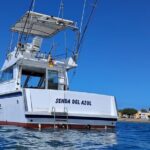
- Your Boat: Senda del Azul and the Hybrid Electric Advantage
- Who You’re With: Skipper Víctor and Biologist Paula
- What You Can Spot on the Southern Coast (and Why Some Trips Are Quieter)
- The 2.5 Hours Breakdown: How the Cruise Typically Unfolds
- Snacks, Drinks, and the Sustainability Tie-In
- Price and Value: What $88 Buys for 2.5 Hours
- Getting There: Pasito Blanco Harbour Tips That Save Time
- Best For: Who This Tour Fits (and Who Might Skip It)
- Should You Book This Sunset Dolphin Tour?
- FAQ
- How long is the sunset dolphin watching tour?
- Where does the tour depart from in Gran Canaria?
- How many people are in the small group?
- What languages is the live guide available in?
- What’s included in the ticket price?
- Are dolphins or whales guaranteed to be seen?
- Is touching marine life allowed?
- Is there a cancellation option with a full refund?
Key things to know before you go
- Hybrid, electric propulsion for a quieter ride and more respectful wildlife watching
- Biologist-led spotting with Paula, plus navigation and timing from skipper Víctor
- Small group pace (up to 8 passengers) that keeps the experience personal
- Expect variety, not a promise: dolphins and pilot whales are possible, but flying fish and birds may be the backup plan
- Snacks and drinks included, tied to sustainability projects
- Conservation-minded crew looks out for threats, collects debris when possible, and documents irregularities
A Quiet Sunset Dolphin Cruise Off Pasito Blanco
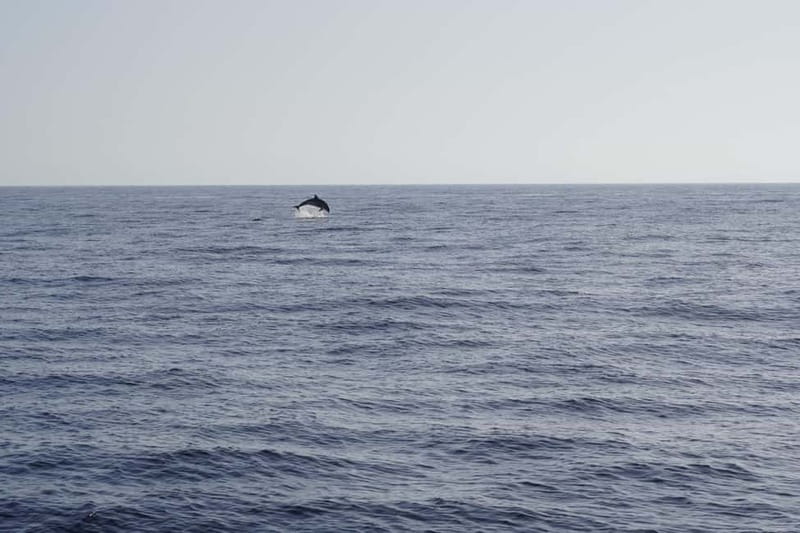
If you’re picturing a loud, chaotic boat chase, this is the opposite. The point here is simple: head out near sunset, keep the noise down, and let wildlife come to you. On Gran Canaria’s south coast, that calm timing matters, because the ocean mood shifts fast as daylight fades.
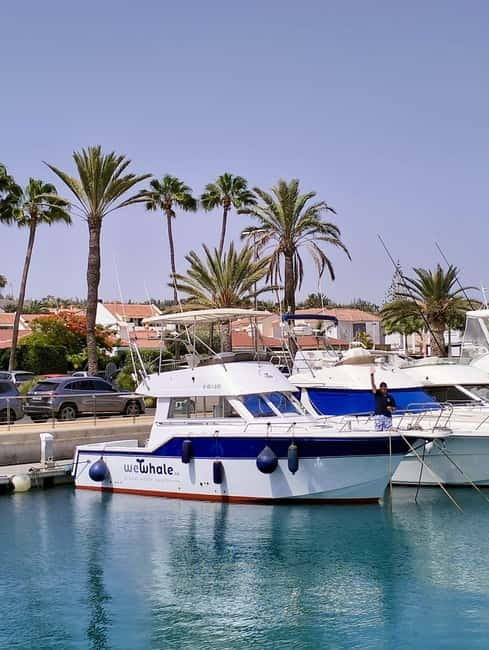
You sail out of Pasito Blanco Harbour aboard the Senda del Azul, a Rodman 1100 that’s been adapted into a hybrid boat. The “hybrid” part is the practical magic: electric engines help reduce the roar and vibration you’d get from a standard motor. Translation: you can hear the water, you can hear the crew, and the animals are more likely to behave naturally.
And yes, the main goal is spotting dolphins and whales. But even if the animals stay just out of range, the experience still works as an evening ocean outing—part sightseeing, part marine education, part slow exhale.
You can also read our reviews of more tours and experiences in Gran Canaria.
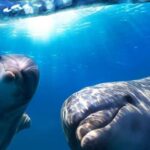
Your Boat: Senda del Azul and the Hybrid Electric Advantage
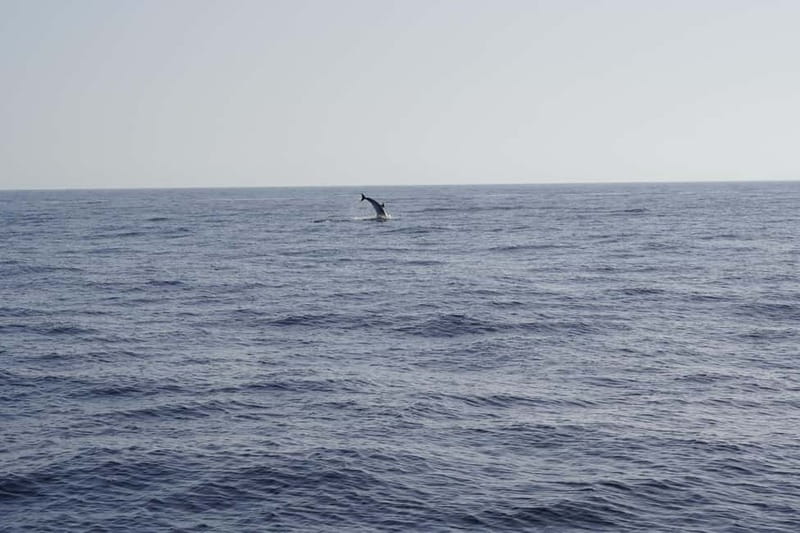
The boat is a spacious Rodman 1100 converted into a hybrid setup with two electric engines. That design choice isn’t just marketing. Less noise makes it easier for the crew to observe without constantly pushing wildlife out of their normal behavior.
It also affects your comfort. Electric propulsion tends to make the trip feel smoother and more relaxed. The sea can still get breezy along the south coast, but the overall vibe stays calmer when the engine sound is lower.
One more detail worth noting: you won’t be out there doing anything that stresses the animals. Touching marine life isn’t allowed, and the crew’s approach is all about maintaining distance and letting encounters happen naturally. If you care about animal-watching ethics, you’ll appreciate that the rules are built into the experience.
Who You’re With: Skipper Víctor and Biologist Paula
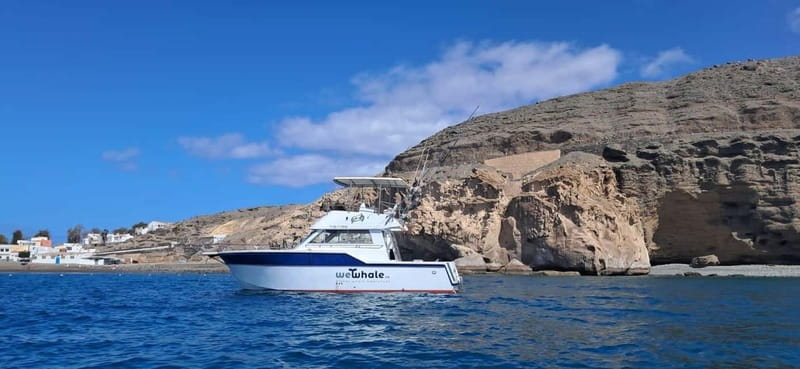
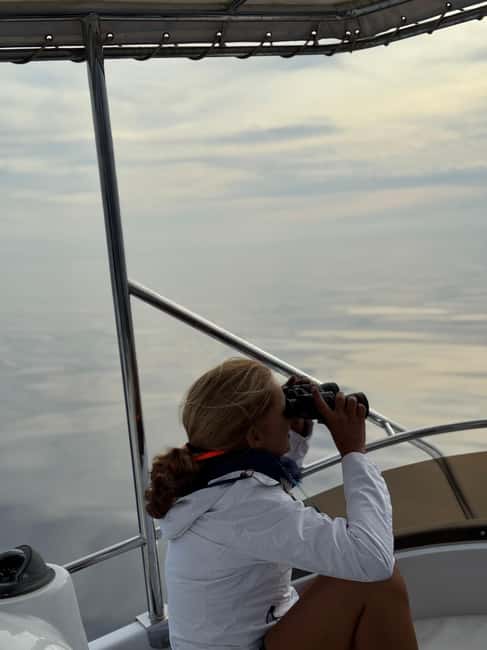
This tour is guided by two key people: skipper Víctor and biologist Paula. Skipper Víctor handles route decisions and timing, which matters because dolphin sightings depend on where the animals are moving at that moment. Paula adds the human translation layer—what you’re seeing, why it’s happening, and what behavior likely means.
Paula’s role turns the cruise from spotting-only into learning. Instead of generic “look at that,” you get context on species differences and how dolphins and pilot whales behave in the wild. It’s the kind of guidance that helps you notice patterns—like the difference between groups that travel together versus moments when animals surface and move on.
The crew also takes conservation seriously. They stay vigilant for marine threats, and when possible they collect ocean debris. They also document irregularities to report to authorities. That’s not just a feel-good line—it changes how the crew uses their time once they’re out on the water.
What You Can Spot on the Southern Coast (and Why Some Trips Are Quieter)
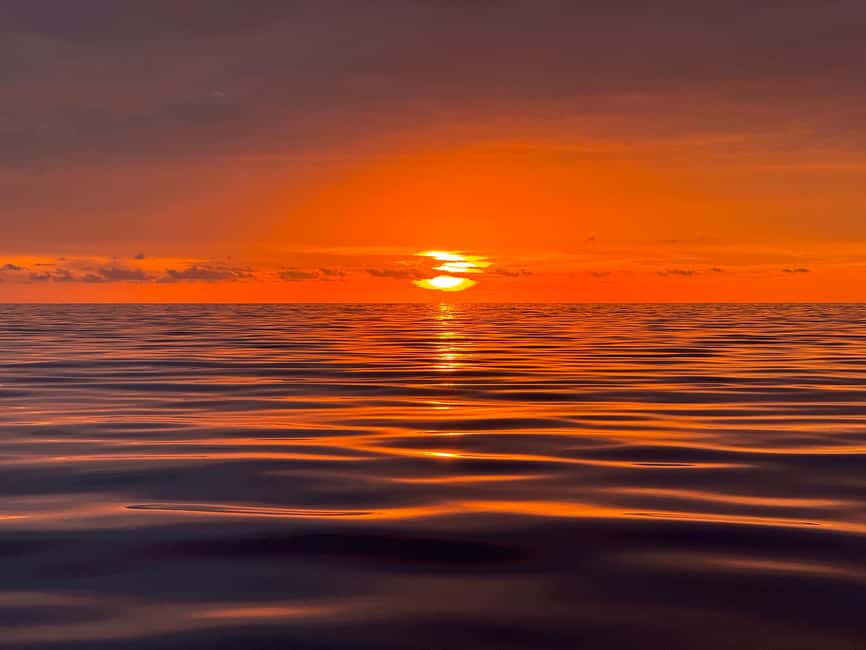
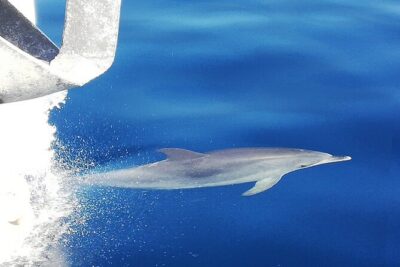
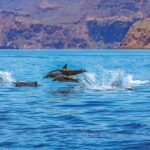
The tour area gives you a solid chance at seeing resident dolphin species and occasional whales. Depending on conditions, you may spot:
- Bottlenose dolphins
- Common dolphins
- Atlantic spotted dolphins
- Risso’s dolphins
- Striped dolphins
- Short-finned pilot whales
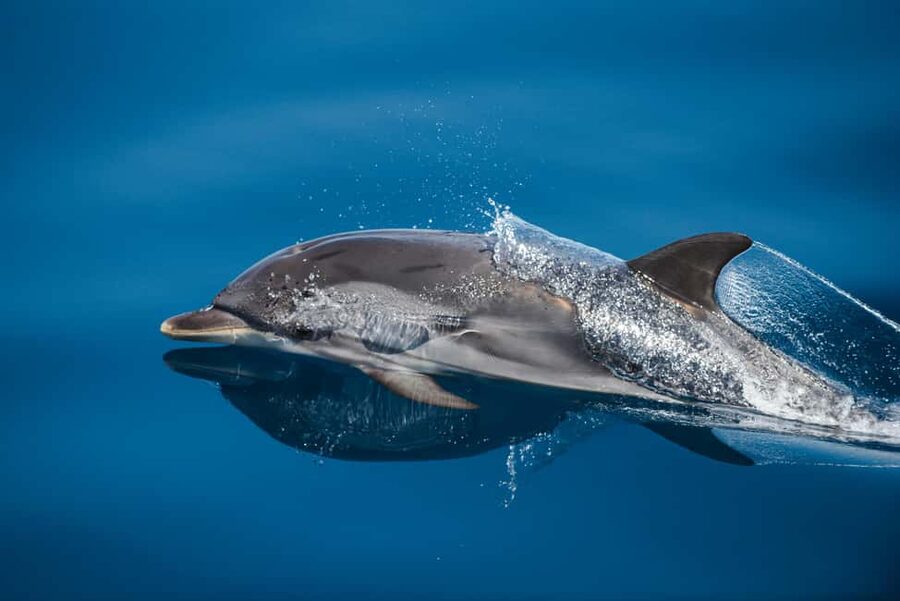
There’s also a realistic expectation built in: sightings can be less frequent in the afternoon. That doesn’t mean you won’t see anything—it means you’re buying a wildlife encounter opportunity, not a guaranteed show.
What’s cool is that wildlife activity can still make the trip feel alive even without dolphins close by. On some outings, flying fish can put in an appearance, and they’re surprisingly fun to watch when they break the surface. You might also see seabirds working the air and water.
Here’s the practical takeaway: if dolphins are your only “success criteria,” your best bet is to go into the tour with flexibility. If you’re happy for a nature-focused sunset cruise that teaches you as you go, the outing still delivers.
The 2.5 Hours Breakdown: How the Cruise Typically Unfolds
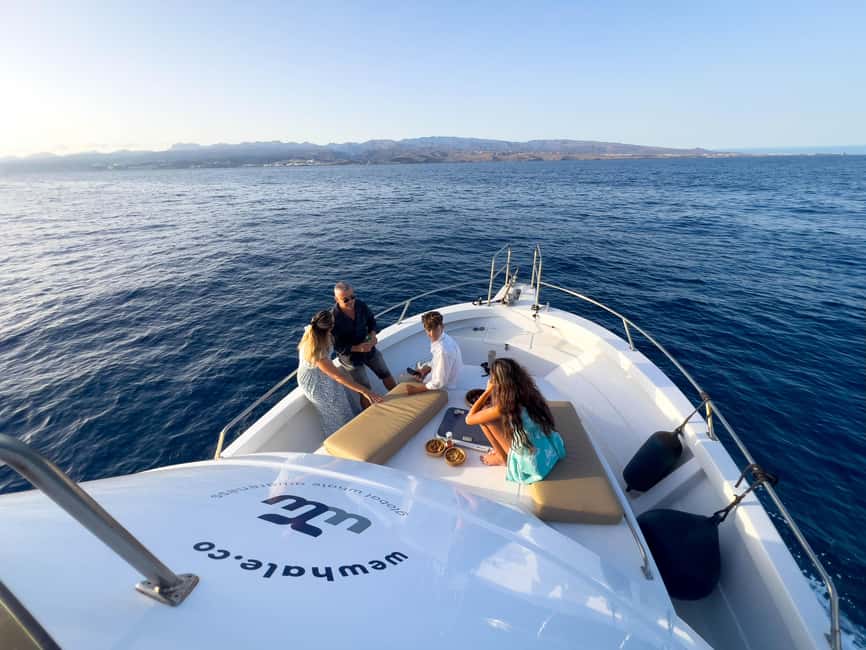
The tour runs for about 2.5 hours, and the exact departure time shifts with the season and sunset. You’re not stuck with a rigid clock; you’re sailing when the light and conditions line up best for an evening encounter.
Once you board, the first phase is about settling in and scanning. With a small group, you don’t get that bottleneck effect where everyone crowds one side. Instead, you can spread out naturally and keep eyes on the water without feeling like you’re in a stadium.
As you cruise along the southern coast, you’ll work toward a search zone where sightings are more likely. If dolphins or whales are around, the crew’s hybrid approach supports a calmer interaction—slower, quieter, and less likely to disrupt normal movement.
If animals don’t show up quickly, you’ll still be moving and observing. The point isn’t to rush back the moment things get quiet. It’s to keep searching while maintaining the calm, respectful pace that makes this kind of tour work.
The ending is all about atmosphere. As the sun drops, the ocean darkens and the horizon line gets sharper. Even when sightings are brief, the sunset element turns the cruise into a genuine end-of-day ritual.

Snacks, Drinks, and the Sustainability Tie-In
This is not a bare-bones “stand on deck and hope” experience. Snacks and drinks are included, and they’re provided through collaborations with sustainability-focused projects.
Onboard, you’ll typically find simple snack offerings rather than a full meal. One documented example includes grapes and cookies, served with the included drinks. If you’re someone who likes to stop thinking about food once you’re out of town, this is a nice touch.
For me, the real value isn’t just calories. It’s that the snack break gives you a chance to slow down and watch without constantly feeling like you need to manage the logistics. You get to stay present for the wildlife scanning.
Price and Value: What $88 Buys for 2.5 Hours
At $88 per person, you’re paying for three things that often cost extra on other wildlife tours: a small group setup, expert interpretation, and a hybrid boat experience.
Here’s how that value adds up in practical terms:
- Small group (up to 8 people) means less crowding and more attentive guidance.
- Biologist-led talk and on-water explanations make the sightings more meaningful, even when animals appear briefly.
- Hybrid electric propulsion supports a quieter, less disruptive wildlife approach, which aligns with ethical animal watching.
You’re also getting included snacks and drinks. So while $88 isn’t cheap, it’s not just a ticket to a boat ride. It’s a structured marine experience designed to respect the animals and educate you as you go.
The only “value risk” is the same one for all dolphin tours: sightings aren’t guaranteed. If you’re booking hoping for guaranteed dolphins at any cost, you may feel frustrated. If you’re booking for the process—quiet sailing, education, and the possibility of encounters—you’re more likely to feel the price matches the experience.
Getting There: Pasito Blanco Harbour Tips That Save Time
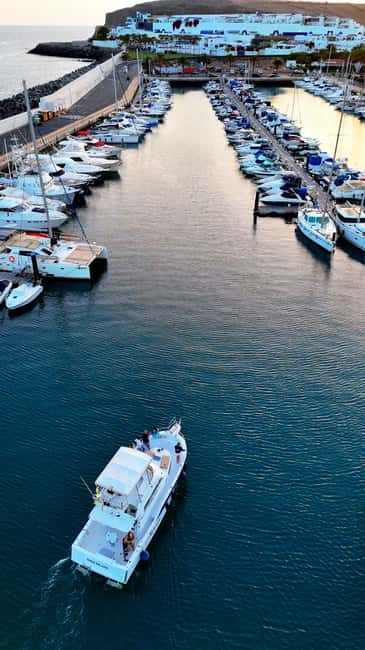
The tour starts from Pasito Blanco Harbour. The meeting point is listed at the pontoon area (Pontoon: Ribera, Mooring R04). If you’re driving, plan for a normal check-in flow at the harbor access area.
One practical note from real-world experience: access by car can involve coordinating with a security guard at a gate, depending on how the area is managed that day. If you follow instructions on arrival and stay calm, it usually moves smoothly.
Also, give yourself enough time to park and walk to the correct pontoon. Small boats and short departures don’t leave much room for last-minute scrambling.
Best For: Who This Tour Fits (and Who Might Skip It)
This tour fits well if you want:
- A quiet, respectful wildlife experience instead of a noisy chase
- A guided explanation from a working marine professional
- A small-group vibe—great for couples, friends, and solo travelers who like personal attention
It can also work as a family outing if your group is comfortable staying seated and watching from the boat rather than doing hands-on activities. Just remember: touching marine life isn’t allowed.
Skip it if you’re prone to seasickness. Even with electric propulsion, ocean conditions can still cause motion. The tour isn’t marketed as a remedy for motion sensitivity—it’s an on-water wildlife outing, and your body has to agree with that.
Should You Book This Sunset Dolphin Tour?
Book it if you care about how the encounter happens, not just whether it happens. The hybrid electric setup, the small group size, and the biologist-led interpretation create a more thoughtful kind of marine tour than the typical “speed over and shout” format.
Don’t book it as a sure-thing dolphin guarantee. Afternoon outings can be calmer or quieter for sightings, and weather can change the rhythm of scanning. If you’re okay with the chance of seeing nothing (or only brief moments) and you’ll still enjoy sunset sailing and marine learning, you’re in the right mindset.
If you want a wildlife tour with ethics baked in, knowledgeable guidance from Paula and Víctor, and a genuinely relaxed evening at sea, this one makes sense.
FAQ
How long is the sunset dolphin watching tour?
The tour lasts 2.5 hours.
Where does the tour depart from in Gran Canaria?
It departs from Pasito Blanco Harbour, Pontoon Ribera, Mooring R04.
How many people are in the small group?
The tour is limited to a maximum of 8 guests.
What languages is the live guide available in?
The live guide offers interpretation in English, Spanish, and French.
What’s included in the ticket price?
Your ticket includes the 2.5-hour tour, biologist-led interpretation with the expert crew, and drinks and snacks on board.
Are dolphins or whales guaranteed to be seen?
No. Sightings depend on conditions, and afternoon tours can have less frequent dolphin sightings.
Is touching marine life allowed?
No, touching marine life is not allowed.
Is there a cancellation option with a full refund?
Yes. You can cancel up to 24 hours in advance for a full refund.