REVIEW · GRAN CANARIA
Gran Canaria: Dolphin Watching Eco Boat Tour in Small Group
Book on GetYourGuide →Operated by WeWhale Gran Canaria · Bookable on GetYourGuide
Dolphins feel close out here. This 3-hour eco tour leaves from Pasito Blanco Harbour on Gran Canaria and sails on a hybrid boat built for quiet wildlife watching, with a marine biologist on board (Paula) plus the expert skipper team (Victor). I like that you’re not rushed or herded. You get real context while you search the water.
Two things I especially like: the boat’s electric, emission-free setup (two electric engines) keeps noise down, and the crew’s focus on marine protection makes the whole experience feel respectful, not just exciting. One drawback to consider is that this smaller craft can be a bit slower than bigger boats, so your best viewing moments sometimes depend on where cetaceans are and how other boats are positioned.
In This Review
- Key Things That Make This Dolphin Tour Worth Your Time
- Pasito Blanco Harbour and the Senda del Azul: a calm start on Gran Canaria
- Hybrid electric boat: why the quiet part is the whole point
- Meet the team: Skipper Victor and marine biologist Paula in your line of sight
- What you might spot: the cetacean lineup around Gran Canaria
- The real 3-hour rhythm: boarding, searching, spotting, and learning
- Included drinks and snacks: small perks that make the trip feel complete
- Price and value: why $100 can be fair here
- Who should book this dolphin eco boat tour (and who should skip it)
- Practical tips to improve your chances of a great outing
- Should you book this dolphin watching eco boat tour?
- FAQ
- How long is the dolphin watching tour?
- What time does the tour start, and where do I meet?
- What boat is used, and is it eco-friendly?
- What marine animals might I see?
- Is food included?
- Is touching marine life allowed, and are young children welcome?
Key Things That Make This Dolphin Tour Worth Your Time
- Hybrid electric engines help you watch without disturbing natural behavior as much as noisier boats
- Marine biologist Paula is on board with species help and marine-life explanations during the trip
- Small group size (max 8 people) keeps the vibe personal and makes questions easier
- Cetacean variety is the point: bottlenose, Atlantic spotted, common, Risso’s, striped dolphins, and short-finned pilot whales
- You get included drinks and snacks (water, organic drinks, WeWhale Fin & Foam beer, and fresh + dry fruit), so it’s not just sightseeing
Pasito Blanco Harbour and the Senda del Azul: a calm start on Gran Canaria
The tour begins at Pasito Blanco Harbour on Gran Canaria’s south coast, from Pontoon: Ribera, Mooring R04. Starting at 9:00 local time, you’re getting out before the sea gets loud with heat and wind. That matters because calmer water makes it easier to see how dolphins move—sudden changes in speed, quick surface pops, the whole pattern.
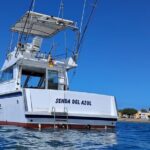
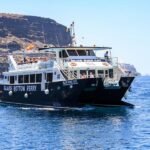
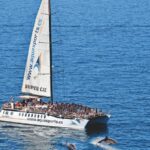
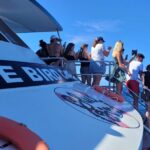
You’ll board the Senda del Azul, described as a Rodman 1100 built for whale and dolphin watching with comfort in mind. The “small-group” angle isn’t just marketing. With a cap of around 8 people (the wider limit is set at 10 participants), you’re less like a ticket number and more like part of a small search team.
Before you go far, expect a basic orientation from the crew. It’s the moment to ask how they’ll handle sightings, and what you should do when you see fins. The tour also makes one rule very clear: no touching marine life. It’s simple, but it changes how you observe. You focus on watching, not interacting.
You can also read our reviews of more tours and experiences in Gran Canaria.
Hybrid electric boat: why the quiet part is the whole point
Most dolphin trips out of major ports can feel noisy. Engines roar, boats bob, and wildlife can react by changing behavior. This one leans hard into the eco approach: the Senda del Azul uses two electric engines as part of its hybrid system. The result is a noticeably quieter, emission-free journey.
For you, that usually means two things. First, you’re more comfortable. Less vibration and less “machine noise” makes it easier to think, watch, and listen to the explanations when the crew points something out. Second, your odds of a good viewing moment improve because the animals aren’t getting pushed around as much by sound and exhaust.
And yes, it’s still a boat. If you’re sensitive to motion, the tour is not suitable if you’re prone to seasickness. Even with quieter engines, the sea can still be the sea—so pack mindfully and consider a seasickness option if you’ve needed one before.
Meet the team: Skipper Victor and marine biologist Paula in your line of sight
The crew is part of the value here. This tour doesn’t rely on a generic narrator. You’ll travel with an expert crew that includes skipper Victor and marine biologist Paula. They’re there to help you identify what you’re seeing and explain why it matters.
In a small-group set-up, that matters more than people think. You’re not waiting for the guide to finish a long speech while everyone checks their phone. Instead, the crew can answer questions when the moment is relevant—like which dolphin type you might be seeing and how to tell them apart by behavior or markings.
I also like the practical, real-world competence that shows up in how this tour runs. For example, one verified booking reported that the team helped call a taxi when someone looked unsure about their next step. That tells you the crew takes care beyond just “tour time.”
What you might spot: the cetacean lineup around Gran Canaria
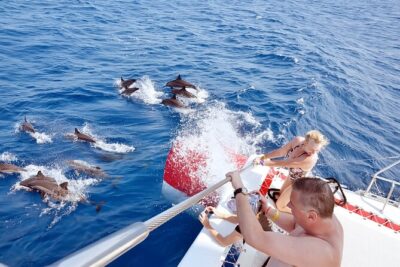
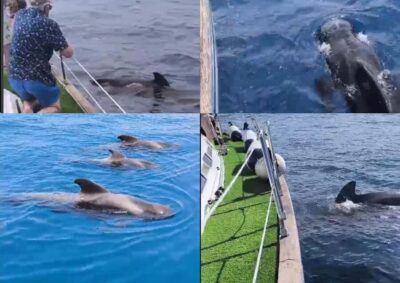
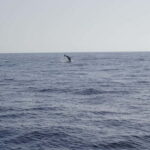
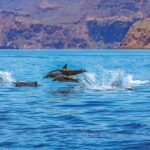
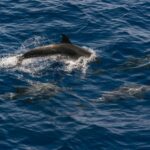
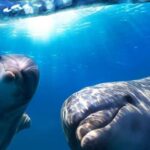
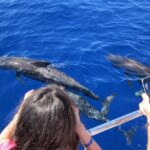
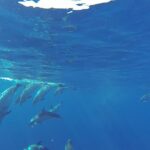
The whole reason to book is the chance to see multiple cetacean species in their natural habitat. During the tour, you may spot a lineup that’s common in these waters, including:
- Bottlenose dolphins
- Atlantic spotted dolphins
- Common dolphins
- Risso’s dolphins
- Striped dolphins
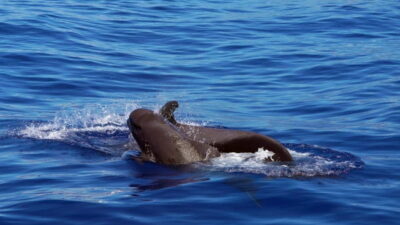
- Short-finned pilot whales
Here’s how I’d think about it: dolphins are fast and sometimes show up in bursts. You rarely get a long, perfect viewing “set.” What you can control is how well you’re prepared to recognize what you’re seeing when it happens. That’s where the biologist and expert crew earn their keep.
Watch for patterns, not just single moments. Dolphins often travel with a certain rhythm; some species group or surface in ways that help you narrow down what you’re seeing. Even if you don’t catch the exact ID every time, the educational approach helps you feel less like you’re guessing and more like you’re learning the local marine “language.”
One more practical thought: this is a quiet tour, which is great for the animals. It can also mean that when conditions are active, the boat may adjust its search pattern at a calmer pace than larger vessels. That brings us to the one consideration worth weighing: smaller boats can sometimes be slower to get to the exact spot other boats have already reached.
The real 3-hour rhythm: boarding, searching, spotting, and learning
The tour is designed as a focused 3-hour outing. There aren’t long sightseeing transfers or extra stops. Instead, the time is spent on what you came for: getting out on the water, scanning for cetaceans, and learning as you go.
A typical flow looks like this:
1) Departure and setup at the harbor
You start at 9:00, board, and get brief guidance from the crew. This is when you’ll want to be ready: hat on, sunscreen applied, water taken in small sips.
2) Cruise/search time
Once you’re at sea, the boat watches for signs: surfacing activity, movement, and the kinds of patterns that often point to dolphins or whales nearby. Because the boat is smaller, your search can feel more “intentional” and less chaotic than big-boat stampedes.
3) Viewing and education during sightings
When dolphins or whales appear, the crew guides you on what to look for and why it’s happening. This is where Paula’s marine biology role can shine most—sharing explanations tied to what you’re seeing right now.
4) Return to Pasito Blanco
After the viewing window, you head back to the harbor. There’s no meal included, so snacks and drinks are part of the comfortable finish.
Now, the honest trade-off: one booking noted that the boat can be slower than larger tours, and that quick dolphin sightings can happen because bigger boats were already present. That doesn’t ruin the experience, but it does affect expectations. If you’re the type who needs constant action, you’ll want to stay patient and let the crew’s pace do what it does best: calm searching with minimal disturbance.
Also, while the marine biologist role is a big promise, one person felt the explanations weren’t as noticeable during their outing. That doesn’t mean it’s always like that. It just means you should bring curiosity. If something is unclear, ask early and often.
Included drinks and snacks: small perks that make the trip feel complete
This is a three-hour tour with no meals. That’s why it’s smart that they include a set of refreshments so you don’t feel stuck with just air and anticipation.
Included items are:
- Water
- Organic drinks
- WeWhale Fin & Foam Beer
- Fresh and dry fruits
The practical benefit is simple: you’ll likely feel better on the ride and during any waiting time while the crew searches. Also, WeWhale’s beer is a fun local-flavored touch, especially if you’re doing the tour as part of a longer beach-and-dining day in Gran Canaria’s south.
If you don’t drink alcohol, you still get plenty here—water, organic drinks, and fruit. It’s one of those “small included details” that makes the tour feel considered, not stripped down.
What to bring is equally practical:
- Hat
- Sunscreen
- Comfortable clothes
You’ll be out at sea with sun and wind bouncing off water, even when it feels mild. Dress in layers you can adjust, because marine weather can change quickly.
Price and value: why $100 can be fair here
At about $100 per person for 3 hours, this isn’t a bargain-basement dolphin trip. But I think it can be good value because you’re paying for a combo that’s hard to find together:
- a small group size (max 8 people, limit set at 10),
- an expert-led format with a marine biologist on board,
- a hybrid boat designed for quieter viewing,
- and included drinks + fruit.
If you compare this to a larger-boat experience where you might spend more time packed in with lots of engines and less instruction, the price can make sense. The money goes toward comfort, education, and a wildlife-respect approach.
Still, it’s smart to set your expectation correctly: the sightings aren’t guaranteed. A quieter, smaller boat is about better behavior and better learning, not about forcing constant action. If that fits how you like to travel, $100 doesn’t feel outrageous. If you’re chasing guaranteed spectacle, you may prefer a different style of tour.
Who should book this dolphin eco boat tour (and who should skip it)
This tour fits you best if you want:
- a quiet boat and a more respectful way to watch cetaceans,
- an outing with marine biology context from Paula and skipper Victor,
- a small group where you can actually ask questions,
- and a short schedule you can add to a Gran Canaria day without building a whole itinerary around it.
You might skip it if you:
- get motion sick easily (it’s not suitable for people prone to seasickness),
- need nonstop action or instant sightings (smaller boats can be slower to reposition than bigger fleets),
- or expect the biologist to give a long lecture regardless of how the sea and sightings develop.
One more note on family planning: children under 3 years old participate for free. That can help families keep costs under control, though the small-boat setting still calls for adult supervision and comfort with being on the water.
Practical tips to improve your chances of a great outing
Even when the crew is doing everything right, your own prep helps a lot.
- Bring sunscreen and a hat. Wind at sea can trick you into thinking you’re not burning.
- Wear comfortable clothes you don’t mind getting a bit damp. Sea spray happens.
- Drink water before you feel thirsty. It sounds basic, but it helps with the whole “waiting for action” part.
- Ask questions when you see the first activity. If the biologist is focused on spotting, you’ll still get clearer answers when you ask early.
- Remember the rule: don’t touch marine life. It keeps the animals safe and keeps the tour running smoothly for everyone.
And if you’re worried about getting to the meeting point on time, treat the harbor like it’s busy. Aim to arrive a bit early so you’re not rushing when you should be settling in and enjoying the morning.
Should you book this dolphin watching eco boat tour?
Yes, if you want a small-group, quieter way to watch dolphins and whales in Gran Canaria, with a marine biologist on board and hybrid electric engines that keep the trip respectful. The $100 price makes more sense when you value education, calm viewing, and included refreshments over maximum noise and maximum crowd.
I’d hesitate if you’re prone to seasickness or if you need a guaranteed “show” from minute one. This experience is built around patient searching and responsible behavior. If you match that travel style—relaxed, curious, ready to watch—you’ll likely come away with that rare feeling of being in the water’s world, not on top of it.
FAQ
How long is the dolphin watching tour?
The tour runs for 3 hours.
What time does the tour start, and where do I meet?
It starts at 9:00 local time. Meet at Pasito Blanco Harbour, Pontoon: Ribera, Mooring R04.
What boat is used, and is it eco-friendly?
You ride the Senda del Azul, a Rodman 1100. It uses a hybrid system with two electric engines for a quieter, emission-free experience.
What marine animals might I see?
You may see bottlenose dolphins, Atlantic spotted dolphins, common dolphins, Risso’s dolphins, striped dolphins, and short-finned pilot whales.
Is food included?
No meals are included. You do get water, organic drinks, WeWhale Fin & Foam Beer, and fresh and dry fruits.
Is touching marine life allowed, and are young children welcome?
Touching marine life is not allowed. Children under 3 years old participate for free. The tour also is not suitable for people prone to seasickness.