REVIEW · DINGLE
Dolphin and Whale Watching Tour from Dingle
Book on Viator →Operated by Blasket Islands EcoMarineTours · Bookable on Viator
Dolphins near Dingle beat the usual tourist stuff. This 4-hour MV Blasket Princess cruise through Dingle Bay and the Blasket Islands also brings in Slea Head photo time. I especially like that you’ll have a professional photographer guide on board, and I like the way the boat lets you switch between deck and inside without feeling stuck. The one drawback to plan for: whales are never guaranteed, and wind can affect what you can do on the water.
You start at Ventry pier (Ventry Harbour) at 1:00 pm sharp and head out for a few hours before returning to the same meeting point. With a maximum of 12 travelers, it stays relaxed enough that you can actually hear the local guide and focus on spotting wildlife instead of competing for attention.
In This Review
- Quick hits you’ll feel on this Dingle whale and dolphin tour
- Dingle Bay to the Blasket Islands: why this cruise feels better than a big boat
- MV Blasket Princess setup: deck, inside, and the flying bridge for wildlife spotting
- The people make it: local guide + professional photographer guide
- The 4-hour route in plain English (and what each stop adds)
- Stop 1: Great Blasket Island
- Stop 2: Blasket Islands
- Stop 3: Dingle Peninsula
- Stop 4: Dunbeg Fort
- Stop 5: Slea Head Drive
- Wildlife odds: what you’re most likely to see vs what’s a bonus
- Weather reality: sea conditions matter, and you’ll feel it
- What to wear for a 1 pm departure on Ireland’s coast
- Price and value: does $119.17 make sense here?
- Who this tour suits best (and who may want a different option)
- Should you book this Dingle dolphin and whale watching tour?
- FAQ
- What time does the tour start?
- Where is the meeting point?
- How long is the dolphin and whale watching cruise?
- What seating options are available on the boat?
- What wildlife might I see?
- Is alcohol included?
- What should I wear?
- What if the weather is poor?
Quick hits you’ll feel on this Dingle whale and dolphin tour
- Max 12 travelers on board keeps the vibe calm and makes it easier to ask questions
- Inside seating for 20 and deck seating for 20, plus a flying bridge suited for about eight people at a time
- Professional photographer guide to help you get better wildlife shots
- Route that mixes marine wildlife with coastal viewpoints around the Blasket area and Dingle Peninsula
- Free car parking at the pier and in Ventry village (a real money-saver)
- No alcohol served, so expect the trip to stay about sea, birds, and whales
Dingle Bay to the Blasket Islands: why this cruise feels better than a big boat
The biggest reason to choose this tour is how it balances comfort with serious wildlife searching. You’re going out on the open Atlantic looking for dolphins, whales, and seabirds, but you’re not jammed into a loud, crowded cattle car of a boat. The tour caps at 12 travelers, and that changes the whole feel. You’re not just watching from the corner—you’re part of the experience.
I also like that the tour is built around time outdoors. You can bounce between inside seating and deck seating, then jump up to the flying bridge when the action heats up. If weather is kind, you’ll spend a lot of the trip scanning for spouts, fins, and birds wheeling overhead.
And yes, you get scenic photo opportunities. Slea Head is called out as part of the plan, and it’s the sort of place where you’ll want your camera ready because the coastline is dramatic and the angles are easy to shoot.
You can also read our reviews of more tours and experiences in Dingle.
MV Blasket Princess setup: deck, inside, and the flying bridge for wildlife spotting
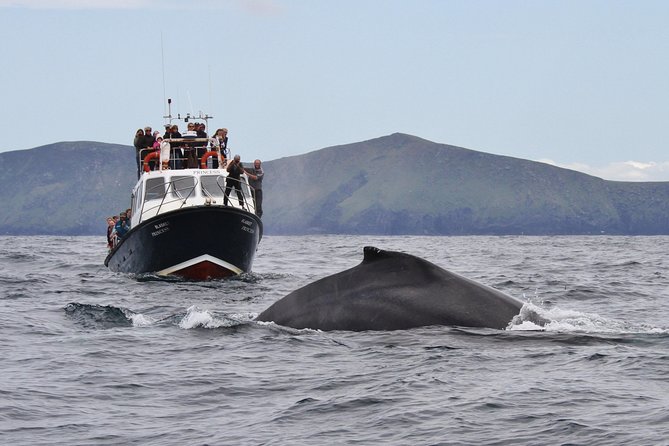
This boat is set up for wildlife viewing in a practical way. Inside seating is for about 20 passengers, and deck seating is also for about 20. That gives you options if wind picks up or if you want to warm up briefly. The key extra is the flying bridge, which is designed for roughly eight people at a time. That means when you do get up there, it’s not a chaotic push for the best spot.
What that means for you: you can follow the crew’s instructions without feeling trapped. The captain and crew will be looking for the signs of animals—birds clustering, surface activity, and the general patterns marine life likes. When they find it, you can move to where you get the clearest view.
One extra comfort detail: there’s a toilet on board, which matters more than people think on a 4-hour cruise. It helps you stay focused on wildlife instead of counting minutes.
The people make it: local guide + professional photographer guide
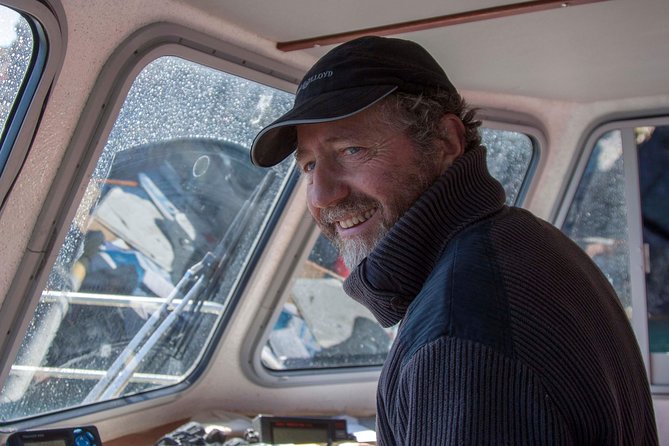
The guide mix is a big part of the value here. You don’t just get someone telling stories. You get a local guide and a professional photographer guide. The photographer guide is there to help you get the shots you’ll actually want to keep—especially for animals that don’t hang around long.
From the guide names that come up in standout experiences, you may meet folks like John, Jonathan, or Vincent (the skipper is frequently mentioned). Even when you’re with a multi-lingual guide setup, the goal stays the same: you understand what you’re seeing and you can photograph it better.
I also love that the crew works like a team to help you find wildlife. On days when visibility improves and animals show up, that preparation pays off. On days when it doesn’t, they tend to keep searching rather than shrugging.
The 4-hour route in plain English (and what each stop adds)
This tour is built around a loop that mixes wildlife searching with big coastal views. You’ll be out long enough to feel you’re actually at sea, not just doing a quick drive-by.
Stop 1: Great Blasket Island
Great Blasket Island is one of the anchor points for the day. You’re in the Blasket area, where the water and cliffs create good conditions for seabirds and marine mammals to show themselves. Practically, this is a strong early segment because it gets you into the right waters before you spend the rest of the afternoon chasing sightings.
Stop 2: Blasket Islands
From there, you move along the Blasket Islands zone. If you’re hoping for dolphins and seals, this is where you’ll focus your scanning. The crew’s job is to steer you toward activity and keep you positioned for viewing—especially when you’re trying to see animals that appear briefly at the surface.
A bonus here: birds are often easier to spot than whales. If you come away feeling you saw “lots of seabirds” along with dolphins and seals, you’re not imagining it. That’s the typical payoff when the ocean gives you decent visibility.
Stop 3: Dingle Peninsula
As you angle toward the Dingle Peninsula, the day turns more into a blend of wildlife plus scenery. This is where the coastline views start to feel like part of the story, not just background. It’s also a good section if you want photos that include both ocean and landform.
If the sea is a little choppy, you’ll feel it more around open stretches. But the option to switch between deck and inside helps you manage it.
Stop 4: Dunbeg Fort
Dunbeg Fort is listed as a stop, which suggests you’ll get viewpoint time associated with the fort area. Even if you’re mostly viewing from the boat, it’s a nice change of pace from scanning only for animals. It gives you a moment to orient yourself along the coast and connect what you’re seeing with Ireland’s coastline history.
Just know: this is not an all-day land tour. Think of it as a coastal viewpoint moment wrapped inside the marine cruise.
Stop 5: Slea Head Drive
Slea Head is your photo highlight. It’s listed specifically and it’s also a spot people tend to remember because it’s all about dramatic headland views. From the water, you’ll be able to line up shots with cliffs and open Atlantic swells—exactly what you want when the animals are quiet but the scenery is doing the job.
Wildlife odds: what you’re most likely to see vs what’s a bonus
Let’s be honest with the one thing this kind of tour can’t control: animals move. Some days give you dolphins constantly, and other days you might only get a few sightings—or need to be patient.
That said, this tour is consistently described as a wildlife-focused cruise, not a generic sightseeing boat ride. You can reasonably expect chances at:
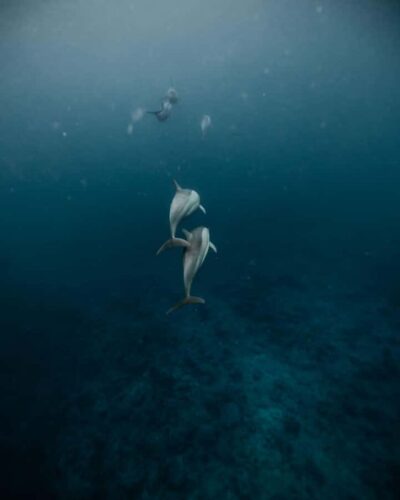
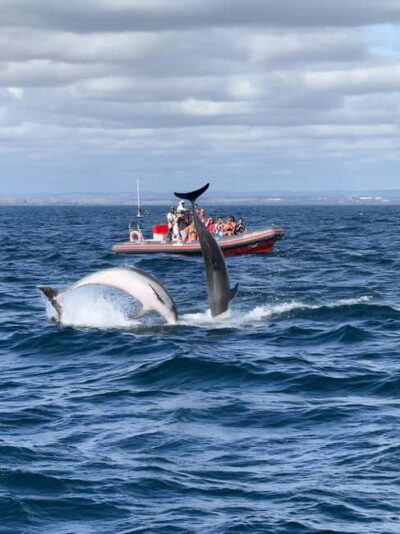
- Dolphins (often in pods, sometimes in big numbers)
- Seals (commonly spotted around the coast)
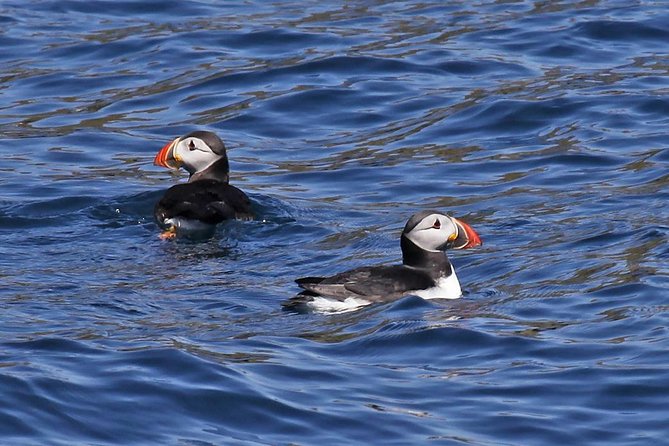
- Seabirds including puffins in season, plus other sea birds like razorbills and puffin-type sightings depending on the day
- Whales as the headline bonus when conditions and location line up
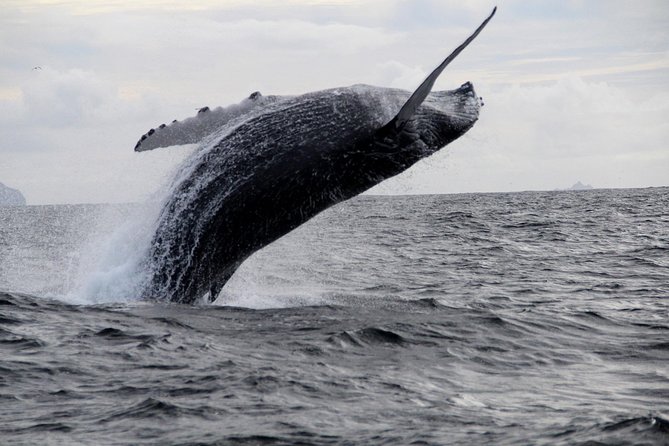
In stronger sightings, whales can include types like minke, humpback, and other whale sightings reported on the water. But I’d treat whale spotting as a high-probability hope, not a guarantee you should build your day around.
The upside? Even on whale-light days, dolphins and seabirds can keep the trip feeling full. And when the crew is working hard to find wildlife, it stays engaging.
Weather reality: sea conditions matter, and you’ll feel it
This is an open-water cruise, so the weather is not just “nice or not nice.” It affects comfort and sometimes whether the trip can run. The operator notes that trips may be cancelled at short notice if sea conditions are unsuitable. If that happens, you’re offered a different date or a refund through the booking setup.
That also explains the pattern you’ll see in real experiences: on windy days, the plan may change. Some departures get rescheduled to chase calmer water, which usually improves your odds of enjoying the cruise without constantly battling the elements.
If you’re prone to seasickness, don’t ignore that. The operator specifically advises that passengers who get motion sickness should take anti-nausea tablets before you go, since you’re heading out on the open Atlantic Ocean.
What to wear for a 1 pm departure on Ireland’s coast
Dress for wind and spray, not for comfort in the harbor. You’ll get the practical guidance up front: bring a wind-proof jacket and a warm hat. Even when the day starts bright, the ocean air can cut fast.
I also recommend you plan to wear layers you can manage. You’ll likely do a lot of switching between inside and deck, and that’s easiest when your clothing is flexible.
Safety-wise, you should arrive 15 to 20 minutes early. The boat departs at 1pm sharp, and they won’t wait more than about five minutes for late arrivals.
Price and value: does $119.17 make sense here?
At $119.17 per person for roughly four hours, this isn’t a bargain-basement cruise. But it also isn’t overpriced fluff, because several pieces are included that many tours leave out.
Here’s where the value comes from:
- Local guide + professional photographer guide: you’re not just paying for movement across the water; you’re paying for help spotting and photographing wildlife.
- Free car parking at the pier and in Ventry village: if you’re driving, that convenience can offset some of the cost.
- Small group size (max 12): it’s easier to hear the guide and get better viewing.
- No alcohol served: that keeps the focus on wildlife and helps the tour stay more about nature than partying.
Is whale viewing guaranteed at this price? No. No whale-watching tour can promise that. But you’re buying access to the right waters, a crew that actively searches, and a format that helps you enjoy the day even if the whales stay elusive.
Who this tour suits best (and who may want a different option)
This works best if you:
- Want a calmer group size rather than a crowded boat
- Like wildlife spotting plus coastal viewpoints
- Plan to dress warm and stay flexible with the weather
- Care about getting usable photos, not just quick screenshots
It’s not suitable for children under 10 years old. Also, you should have a moderate physical fitness level.
If you know you or someone in your party gets seasick easily, plan ahead with anti-nausea medication. The cruise is the kind of thing where comfort affects your enjoyment fast.
And if you’re mainly hunting for guaranteed whales only, set your expectations that dolphins, seals, and seabirds may be the main payoff on some days.
Should you book this Dingle dolphin and whale watching tour?
I’d book it if you want a real wildlife search out of Ventry Harbour with a guide team that helps you spot and photograph what’s around you. The small-group format and the flying bridge option make the experience feel closer to a focused nature trip than a generic cruise.
Skip it or reconsider if:
- You can’t handle wind and open-water motion (especially if you don’t plan for seasickness)
- Whale sightings are the only thing you’ll be satisfied with
- You’re traveling with young kids outside the operator’s age guidance
If your goal is dolphins, seals, birds, and a good shot at whales in a setting that stays organized and photo-friendly, this is a strong choice.
FAQ
What time does the tour start?
The tour starts at 1:00 pm and the boat departs at 1pm sharp.
Where is the meeting point?
You meet at Ventry pier in Ventry Harbour, Co. Kerry, Ireland.
How long is the dolphin and whale watching cruise?
The duration is about 4 hours.
What seating options are available on the boat?
There is inside seating for about 20 passengers and deck seating for about 20 passengers. There’s also a flying bridge for wildlife viewing for about eight passengers at a time.
What wildlife might I see?
You’ll be on a dolphin and whale watching trip, and you can expect opportunities to see dolphins, whales, seals, and seabirds.
Is alcohol included?
No alcohol is served on this tour.
What should I wear?
Dress warm and bring a wind-proof jacket and a warm hat.
What if the weather is poor?
Trips may be cancelled at short notice if sea conditions are unsuitable. If that happens, you’ll typically be offered another date or a full refund through the booking setup.