REVIEW · FARO
Small Group Dolphin and Wildlife Watching Tour in Faro
Book on Viator →Operated by Ocean Vibes Algarve · Bookable on Viator
Dolphins around Faro can feel shockingly close. This small-group Atlantic cruise is built around early-morning wildlife watching and on-board marine biologists who explain what you’re seeing while keeping distance respectful. You’ll also get Faro-area coastal views as you head out from the Ria Formosa Natural Park toward open water.
What I like most is the mix of sea time plus real interpretation. When pods show up, guides such as Diogo, Pedro, and Miguel help you identify dolphins and birds, and they share why the animals’ behavior matters. One thing to consider: this is a small RIB outing, so if you’re sensitive to rough water or awkward seating, you may find the ride more intense than a big-boat tour.
In This Review
- Key things to know before you go
- From Ginásio Clube Naval to the Atlantic: How the trip starts
- Why you go out in the morning for dolphins
- Marine biologists on board: more than spotting, real context
- What wildlife you can realistically expect off Faro
- The boat ride: RIB speed, comfort, and real weather risk
- How the itinerary feels minute-to-minute (without wasting your time)
- Price and value: what $66.51 buys in Faro
- Who this tour is for (and who should pick something else)
- Should you book Ocean Vibes Algarve’s Faro dolphin tour?
- FAQ
- How long is the small group dolphin and wildlife watching tour in Faro?
- What is the price per person?
- What group size should I expect?
- Where is the meeting point in Faro?
- Is the tour offered in English?
- What kind of wildlife might we see?
- When do you usually set sail?
- What’s the role of the marine biologists?
- What happens if the weather is poor?
- Can I get a full refund if I cancel?
Key things to know before you go
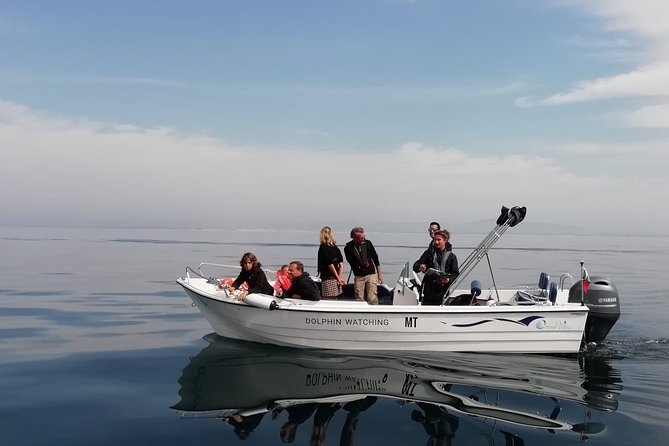
- Small group (max 9) means more attention from the captain and the biologists.
- Marine biologists on board focus on identification and ethical observing.
- Morning departure is the schedule choice aimed at more active wildlife.
- Ria Formosa to Atlantic route gives you a visual change of scenery before you hunt for cetaceans.
- Wildlife variety can include dolphins, seabirds, sunfish, tuna, sharks, and sea turtles.
- Bring a jacket if you get chilly once speed picks up on the water.
From Ginásio Clube Naval to the Atlantic: How the trip starts
The tour meets at Ginásio Clube Naval, along Estr. do Passeio Ribeirinho 58 in Faro. This is a practical pick: the meeting point is a central, easy-to-find spot, and it’s also described as being near public transportation. Once you’re checked in, you’re not waiting around for long explanations. You’re ready to go.
From there, the plan is straightforward. You cruise out from the Faro area and use the Ria Formosa Natural Park region as a visual warm-up before heading farther toward the Atlantic. Even if the big sightings take time, the change from sheltered coastal scenery to more open-water conditions helps you feel like you’re actually on a mission, not just moving around.
You can also read our reviews of more tours and experiences in Faro.
Why you go out in the morning for dolphins
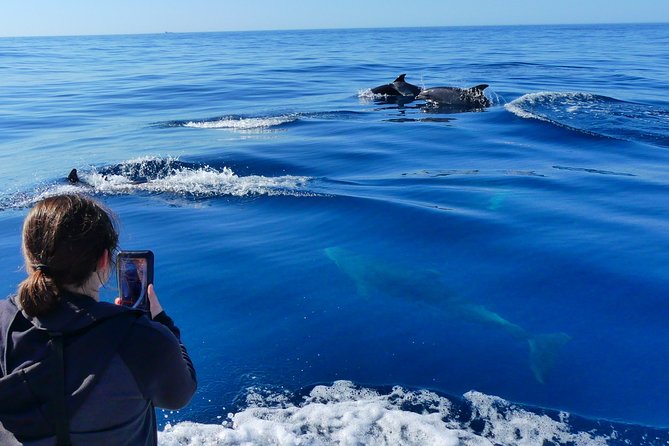
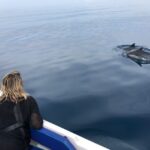
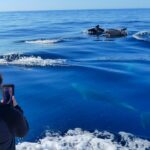
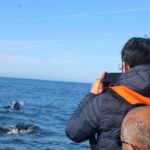
The schedule choice here is key: you set sail in the morning, when wildlife activity tends to be higher. That matters because the goal isn’t just seeing dolphins in theory—it’s seeing dolphins behave naturally, moving, feeding, and interacting with the surrounding water.
In practice, the morning timing also usually helps with comfort. One review specifically calls out an early departure (around 8:30 am) as the best way to start the day before it gets too hot. Even if your day’s weather is different, the general idea holds: you’re more likely to get productive time on the water when conditions are fresher and marine life is more active.
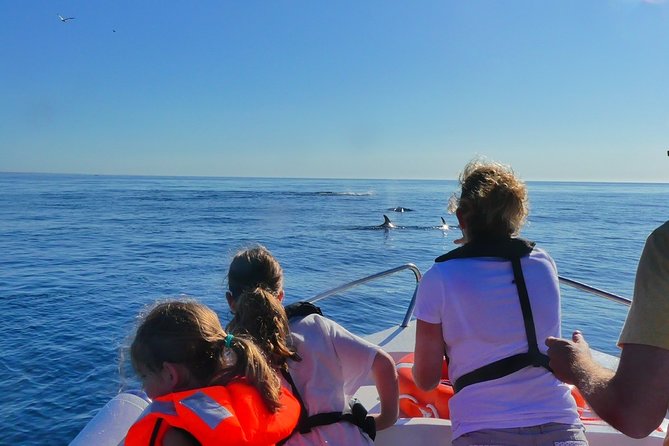
And when you do find cetaceans, you don’t just zoom past. The boat typically stays with a pod long enough for real watching. One person noted about 30 minutes of time with a dolphin group after they were found, which matches what you want from a serious wildlife tour: time to watch surfacing, social behavior, and movement patterns—not just a quick cameo.
Marine biologists on board: more than spotting, real context
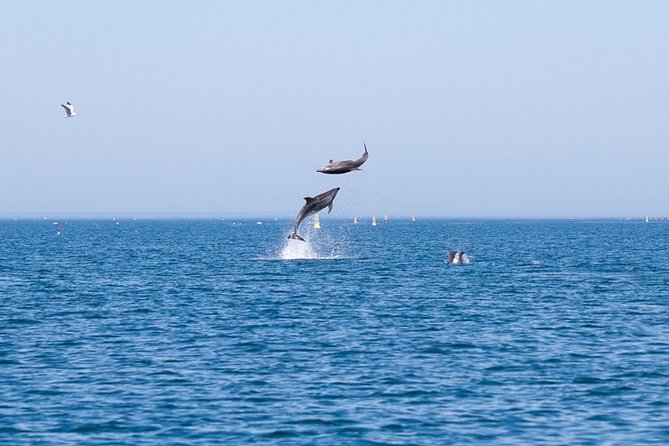
The biggest reason this tour earns such high marks is the presence of marine biologists on the boat. You’re not only chasing animals; you’re learning how to read what you’re seeing.
Here’s what the biologists add:
- Species identification in plain language (dolphins and birds in particular)
- Behavior explanations so you understand why dolphins do what they do
- Ethics and distance management so you’re not turning the animals into a forced audience
- Research participation, since the team can collect data after spotting cetaceans
The ethical observing part shows up repeatedly in the feedback. People highlight that the crew keeps a respectful distance and aims to let animals keep control of their own approach. In other words, you’re watching wildlife, not forcing wildlife to perform.
Names matter here because they give you a sense of how personal the teaching can feel. You’ll see references to biologists like Diogo, Pedro, and Miguel, and the theme is consistent: they’re excited, professional, and focused on both the animals and your experience.
What wildlife you can realistically expect off Faro
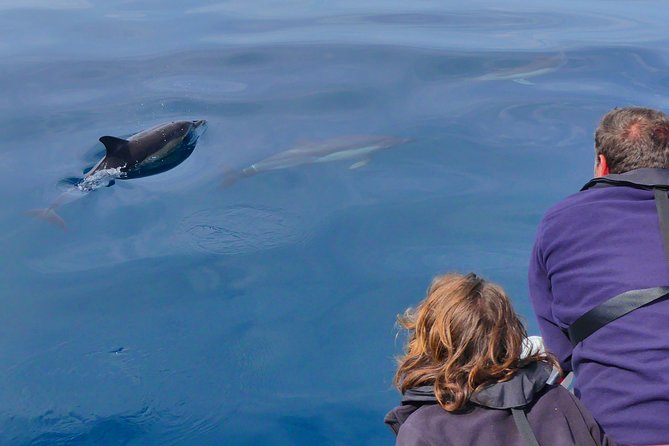
Let’s talk about the most important part: what you might actually see.
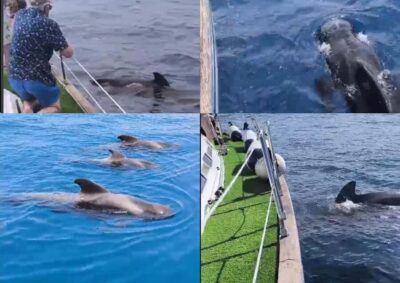
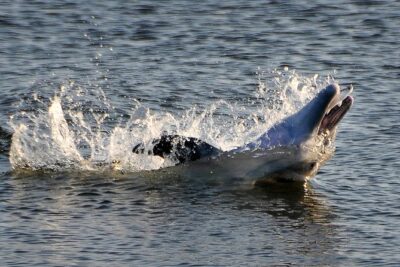
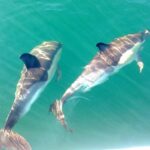
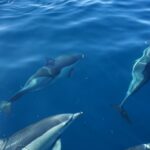
Dolphins (the main event)
You’ll be searching for cetaceans, and the common targets mentioned include:
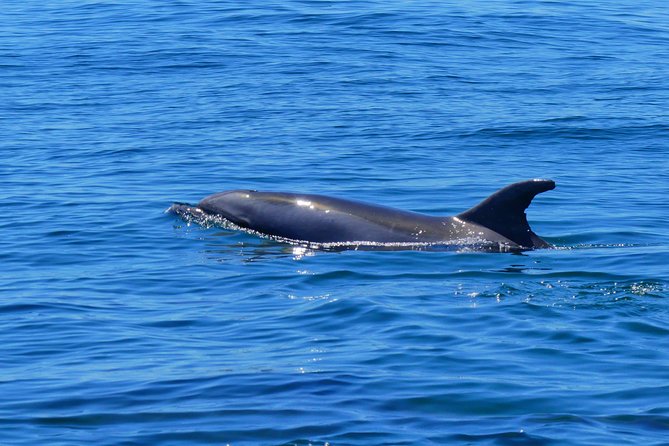
- Bottlenose dolphin (Tursiops truncatus)
- Common dolphin (Delphinus delphis)
There are also possibilities of rarer or less consistent sightings:
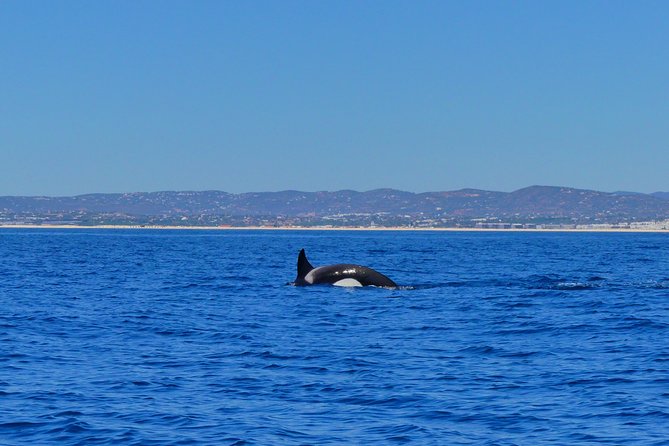
- Orcas are mentioned as a lucky chance.
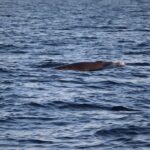
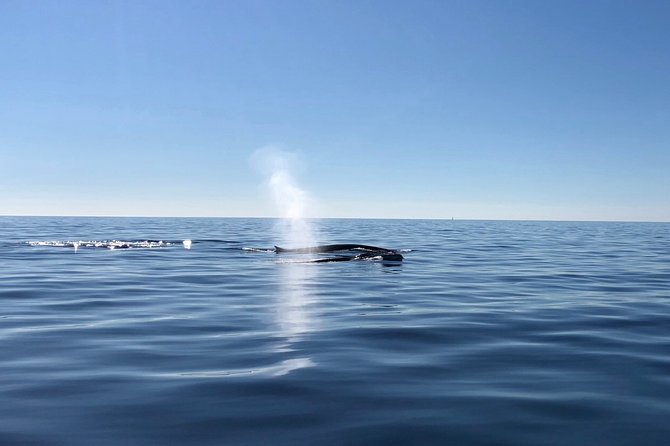
- Whales are mentioned as possible if conditions and season line up, with some sightings in feedback.
Birds and surface life
The tour doesn’t just focus on mammals. You can also expect marine birds, such as:
- Northern Gannet (Morus bassanus)
- Shearwaters
- Storm Petrels
Other sea animals you might see
Depending on the day, feedback includes sightings of:
- Ocean Sunfish (Mola mola)
- Atlantic Bluefin Tuna (Thunnus thynnus)
- Marine turtles (mentioned as a possible sighting)
- Sharks (also mentioned as possible)
One notable “bonus” pattern: even when dolphin numbers weren’t the only focus, people often describe additional animals in the same outing—like porpoises, Portuguese Man-o-war, or different fish and seabirds. That’s exactly what makes a wildlife search-style tour more fun than a fixed “guaranteed species” pitch.
A practical note: whale sightings are described as more seasonal. So while you shouldn’t count on whales every trip, the odds improve when the conditions are right and you’re out early and searching actively.
The boat ride: RIB speed, comfort, and real weather risk
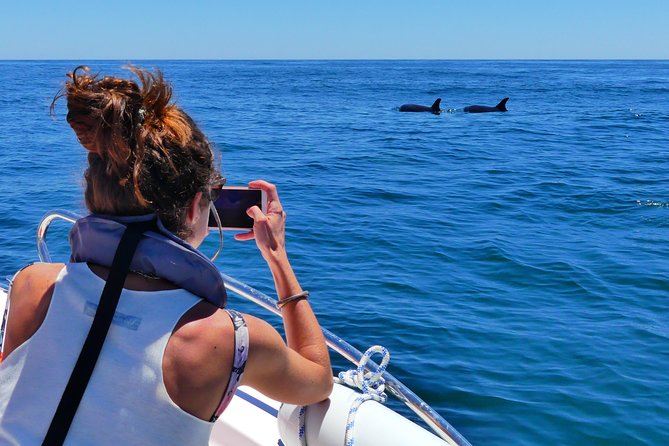
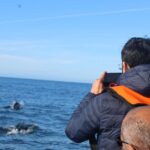
This is where expectations matter. The experience is run from a small RIB-style boat, which is fast and maneuverable. That’s a plus for wildlife watching because it can get you to active areas quickly and lets the crew slow down and watch properly.
Most of the boat comfort feedback is positive: several people say they felt safe even when waves were bigger than expected, and they praised the skipper’s quick reactions. Another review calls the boat ride alone a big part of the value.
But here’s the drawback you should respect: small-boat travel can be rough. A couple of reviews mention discomfort from the jockey-style seating, plus rough water impacts like neck/back pain or nausea. That doesn’t mean the tour is unsafe—it means your body might notice the Atlantic.
My take for you: if you’re prone to motion sickness, pack your usual remedies and wear layers you can adjust quickly. Also plan for a jacket. One common tip is to take a jacket or sweatshirt, since it can feel cold once you’re moving fast and out on open water.
How the itinerary feels minute-to-minute (without wasting your time)
Even though this is about 2.5 hours on the water, the flow is built to keep momentum.
A typical rhythm looks like this:
- Check-in and meet-up at the Faro naval building.
- Cruise out past the Faro-area waters and toward the Atlantic edge of the region.
- Search phase while the crew and biologists scan for cetaceans and seabirds.
- Pod-watching phase once dolphins are found, with time to observe and learn.
- Information sharing and research notes, when cetaceans are spotted.
- Return to the meeting point, so you’re not stuck in a long, vague tour.
That “search + observe + learn” rhythm is why the good reviews are so consistent. People often say the time flew, that the crew worked hard to locate wildlife, and that the boat ride was itself enjoyable—even before you count dolphins.
There’s also a small but important fairness detail: when conditions change, the outing can run longer. One review describes being out nearly 3 hours despite paying for 2.5, with extra time connected to reduced speed due to sea conditions. That’s not something you should promise yourself, but it helps explain why some people felt they got more time than expected.
Price and value: what $66.51 buys in Faro
At $66.51 per person, this isn’t a “cheap and cheerful” dolphin cruise. You’re paying for three things you can feel on the water:
- Small group size (max 9), which reduces crowd pressure around wildlife.
- Marine biologists on board, not just a captain with a script.
- Active search and ethical handling, including data collection after cetaceans are spotted.
In dolphin watching, you often pay the same price for tours that feel like a bus ride with boat engines. Here, the operator is clearly aiming for quality: more attention on spotting and identification, and a repeated emphasis on keeping a responsible distance.
Also, the 2.5-hour length is a sweet spot for most itineraries. It gives you a meaningful chunk of Atlantic time without swallowing your whole morning. If you’re planning multiple activities in Faro, this duration tends to be easier to fit into a schedule than half-day or full-day tours.
Who this tour is for (and who should pick something else)
This is a great match if you want:
- A serious wildlife focus with explanation from marine biologists
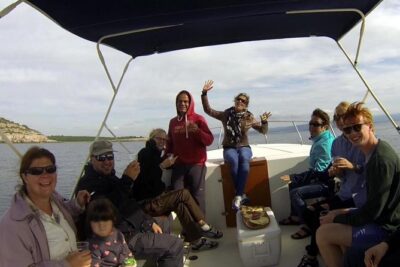
- A small-group atmosphere instead of a packed boat scene
- Ethical observing, with wildlife kept in control of its own space
- The chance to see multiple types of marine life, not only dolphins
It’s also a strong family option in the feedback. One review describes a child-friendly day where kids loved the sightings, and another notes the boat ride itself helped make it fun.
Where you might want to think twice:
- If you strongly dislike small boats or you know you get sore from fast rides or specific seating, this could feel like a workout.
- If you’re extremely sensitive to rough water, you may prefer a calmer format (though the tour does run only when conditions are suitable, which helps).
Should you book Ocean Vibes Algarve’s Faro dolphin tour?
If your top priority is dolphins and you want the experience to feel guided rather than purely observational, I’d book this one. The combination of a small group, marine biologists, and an ethical observing approach is exactly what most people end up wishing they’d paid for when they choose a bargain wildlife tour.
I’d especially say yes if you’re the type who enjoys learning what you’re seeing—species names, behavior, and why the crew’s distance matters. And if you’re traveling at the right time of year, the odds of meaningful cetacean sightings (plus birds and other sea life) are strong.
If you’re the person who gets uncomfortable quickly on small boats, treat that as a real factor. Bring a jacket, prepare for movement, and consider whether you’d rather pay for a calmer ride. Otherwise, this is one of those Faro experiences where the boat hunt has purpose, and the education makes the time on the water feel worth every minute.
FAQ
How long is the small group dolphin and wildlife watching tour in Faro?
The duration is about 2 hours 30 minutes.
What is the price per person?
The price is $66.51 per person.
What group size should I expect?
The tour has a maximum of 9 travelers.
Where is the meeting point in Faro?
The meeting point is Ginásio Clube Naval, Estr. do Passeio Ribeirinho 58, 8000-541 Faro, Portugal.
Is the tour offered in English?
Yes, the tour is offered in English.
What kind of wildlife might we see?
The tour looks for cetaceans such as bottlenose and common dolphins, with a chance of orcas or whales. You may also see marine birds like northern gannet, shearwaters, and storm petrels, plus animals such as ocean sunfish, Atlantic bluefin tuna, sharks, and marine turtles.
When do you usually set sail?
It’s scheduled to start in the morning, when wildlife is expected to be more active.
What’s the role of the marine biologists?
Marine biologists are on board to help you learn about marine life and, after spotting cetaceans, they can collect data for research.
What happens if the weather is poor?
This experience requires good weather. If it’s canceled due to poor weather, you’ll be offered a different date or a full refund.
Can I get a full refund if I cancel?
Yes. You can cancel up to 24 hours in advance for a full refund.