REVIEW · FARO
Dolphin Watching + 2 Islands Tour – From Faro
Book on Viator →Operated by Estrela da Ria Formosa de Cristela Martins · Bookable on Viator
Dolphins and islands in one tidy morning. This Dolphin Watching + 2 Islands Tour takes you off the busy Algarve coast and out toward the Atlantic, then brings you back through the Ria Formosa Natural Park for island time that changes with the tides.
What I like most is that the trip mixes two styles of travel in one go: wildlife time on the water, plus real island atmosphere at Ilha do Farol and beach-water relaxation at Ilha Deserta. I also love the small-group setup, capped at 12 travelers, which usually means you’re not lost in the crowd when the captain starts tracking movement.
The main thing to keep in mind is also the most important: dolphins are never guaranteed, and the whole outing is weather-dependent. If you’re prone to motion sickness or have mobility limits, this one may be a rougher day on the waves.
In This Review
- Key Things to Know Before You Go
- Entering Faro’s Coast Scene at 8:30
- Getting on Board: Small Group Energy and What It Means
- Ria Formosa Channels First: A Calm Start with Real Ecology
- Cabo de Santa Maria and the Atlantic Search Window
- Ilha do Farol: Island Life Around the Lighthouse
- Ilha Deserta: Crystalline Water and a True Swim Option
- Barreta Island Stop: Quick Scenery and Wildlife Scanning
- What You’ll See: Dolphins, Turtles, Birds, and the Odds
- Guide Style and Captain Attention: Why It Feels Personal
- Price and Value: Is $72.59 Worth a Half Day?
- Weather, Timing, and Motion: When This Tour Fits Best
- Final Call: Should You Book This Dolphin Watching + 2 Islands Tour?
- FAQ
- What is the duration of the tour?
- Where does the tour start and end?
- How much does the tour cost?
- Is dolphin watching guaranteed?
- What islands are visited?
- Does the tour include snorkeling gear and safety equipment?
- Is food included in the price?
- What languages is the tour offered in?
- Is there an age limit for children?
- Is the tour always running, or does weather affect it?
Key Things to Know Before You Go
- Max 12 travelers: more eyes on the water, less waiting around.
- Open sea wildlife search: dolphins, turtles, and seabirds are on the radar, but sightings depend on the day.
- Two island stops with different vibes: Ilha do Farol for lighthouse-area village life, Ilha Deserta for crystalline-water bathing.
- Snorkeling masks included: you’re set up to look around when conditions allow.
- Weather and sea state matter: the captain can’t control wind, swell, or visibility.
Entering Faro’s Coast Scene at 8:30
This tour starts in the morning from Rua da Porta Nova in Faro, meeting you at a central spot that’s easy to find without a long commute. You’re scheduled to be under way at 8:30, which is a big deal because early light tends to make the sea easier to scan.
A half-day format also helps. You’re out for about 4 hours, and you’re back at the same meeting point. That makes it a smart fit if you’re juggling other Algarve plans the rest of the day.
Bring the basics you can’t get on the boat. Think sun protection and a layer you can handle if the wind kicks up on open water.
You can also read our reviews of more tours and experiences in Faro.
Getting on Board: Small Group Energy and What It Means
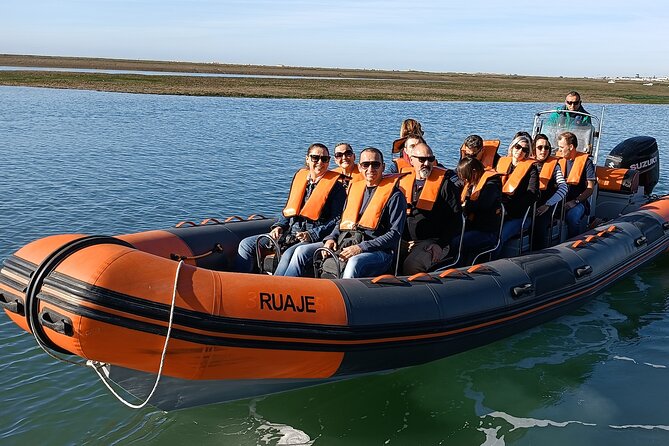
With a maximum of 12 people, you get a more personal boat experience. When the captain is watching for signs of dolphins, you want to be in a place where your sight lines aren’t blocked and where instructions don’t get lost in noise.
The tour includes life jackets, so you’re not worrying about that part of safety. You also get masks to snorkeling, which tells me this is not just a “look from afar” outing. The plan includes water time where you might want to actually see what’s under the surface.
One practical downside: the tour isn’t ideal if you have difficulty with mobility. The exact boarding steps and movement around the boat aren’t described, so if you’re managing balance or walking issues, plan carefully.
Ria Formosa Channels First: A Calm Start with Real Ecology
You don’t jump straight into the Atlantic right away. The morning begins with a crossing through the Ria Formosa channels, heading toward the area around Cabo de Santa Maria, described as the junction of the waters.
This first leg matters because it frames what you’re doing. The guide is there to explain local ecology, and that’s how you spot wildlife faster later. When you understand the environment—channels, shoreline habitats, and bird areas—you start looking for the right things rather than just staring at open water.
If you’re the type who likes birds, plants, and coastline details, this part gives context. Even if dolphins don’t show immediately, you’re still learning what makes this coast worth visiting.
Cabo de Santa Maria and the Atlantic Search Window
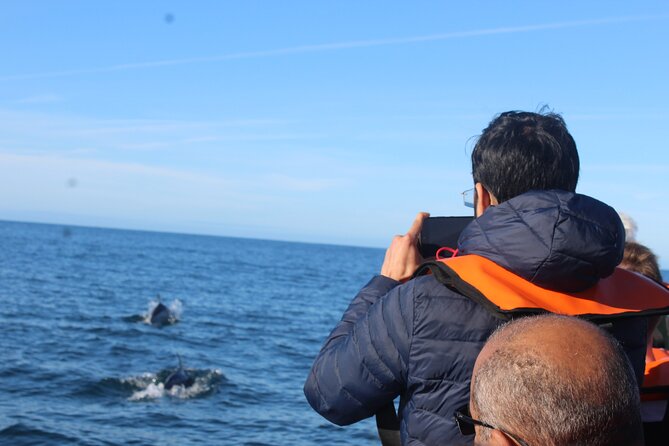
After the channel crossing, the boat sails into the Atlantic Ocean with the explicit goal of spotting dolphins and other wildlife. This is the “wait, watch, and get lucky” segment of the tour, and that’s not bad news—it’s just the nature of marine life.
Your best move here is mental, not mechanical. Slow down your expectations. Instead of thinking you’ll see dolphins instantly, think: your job is scanning. Your eyes and attention are part of the experience.
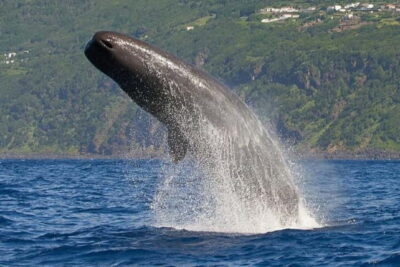
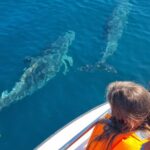
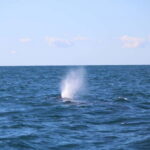
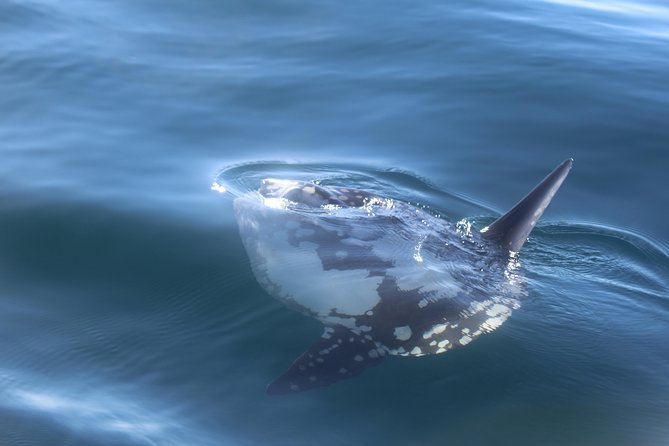
Based on past trips, you might be looking at more than one type of cetacean. Some outings have included whales and killer whales in the same day as dolphins. That’s not something you can count on, but it’s a reminder that the wildlife here isn’t limited to just one species.
Ilha do Farol: Island Life Around the Lighthouse
Then the tour pivots from open sea back into the Ria Formosa Natural Park, where you stop at Ilha do Farol. The point isn’t only scenery. You get time to visit the small community around the lighthouse, which is where this tour starts feeling more like a real local place and less like a wildlife safari.
This stop is also a nice reset. After scanning water for dolphins, walking around an island community can feel surprisingly grounding. You’re not just moving from spot to spot—you get a pocket of normal island pace.
One note from the vibe of feedback: the Ilha do Farol section tends to land well because it feels human-scale, with buildings and daily life right there in front of you. If you like seeing how people actually live in coastal places, this is a strong reason to book.


Ilha Deserta: Crystalline Water and a True Swim Option
Next comes Ilha Deserta, where you can bathe in the water. The tour description calls it crystalline, and that matches the general draw of this island area: you’re trading the earlier open-water hunt for a calmer, closer-to-the-shore feeling.
You also have snorkeling masks included, which is exactly what I’d want if I were hoping to see underwater life rather than just dip a toe. If you’ve never snorkeled, this included gear lowers the barrier.
How long is the island time? The specific time isn’t stated in the details you provided, but it’s clearly meant to be enough to swim. Still, keep expectations practical. This isn’t described as a full beach day. If you’re the type who needs hours to relax, you might feel the stop is short—but it’s the tradeoff for packing two islands and an ocean search into one morning.
Barreta Island Stop: Quick Scenery and Wildlife Scanning
Your itinerary includes a stop at Barreta Island. This is the kind of point on a route where you get a break in motion and a chance to look around: coastline color, bird activity, and the general texture of the Ria Formosa at that time of day.
It also helps explain why the tour can work well even when wildlife sightings vary. If the dolphin search is slower on a given morning, the scenery and scanning opportunities across the channel network keep the trip from feeling like dead time.
I’d treat Barreta Island as a “watch and absorb” moment. It’s not marketed as the main attraction in the way Ilha do Farol and Ilha Deserta are, but it’s part of what makes the route feel like you’re moving through different habitats.
What You’ll See: Dolphins, Turtles, Birds, and the Odds
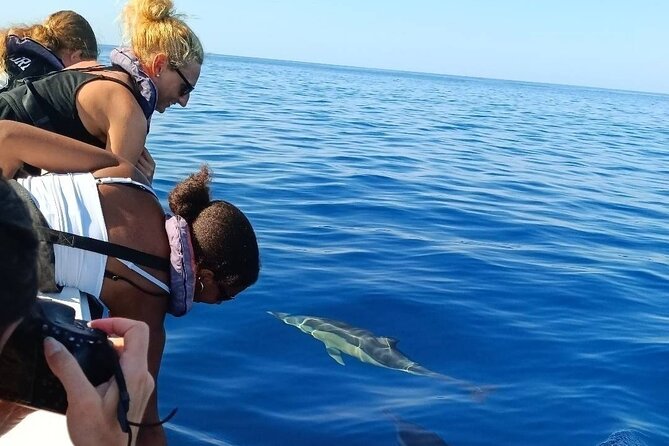
Here’s the honest picture: dolphins are not guaranteed. That’s stated clearly, and you should respect it. Marine wildlife is wild. The captain can search hard, but there are no promises.
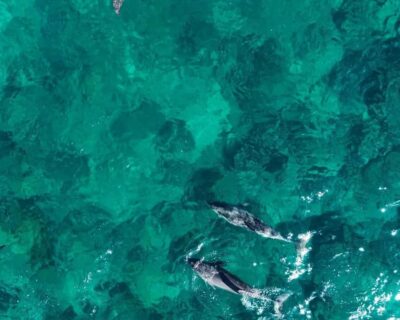
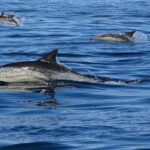
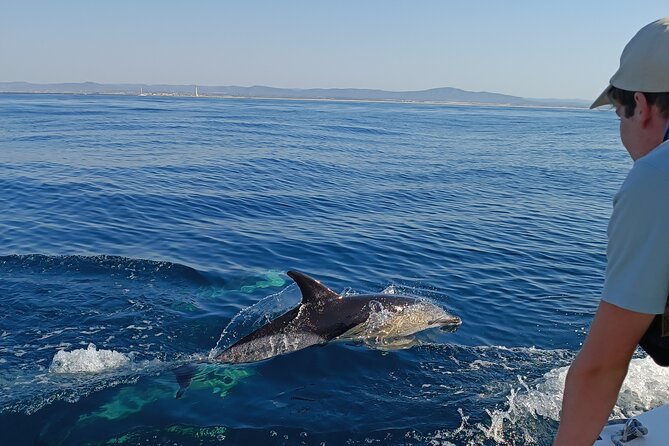
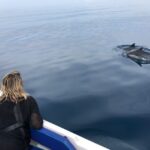
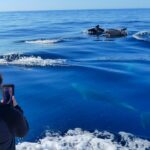
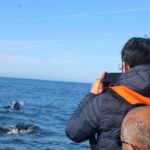
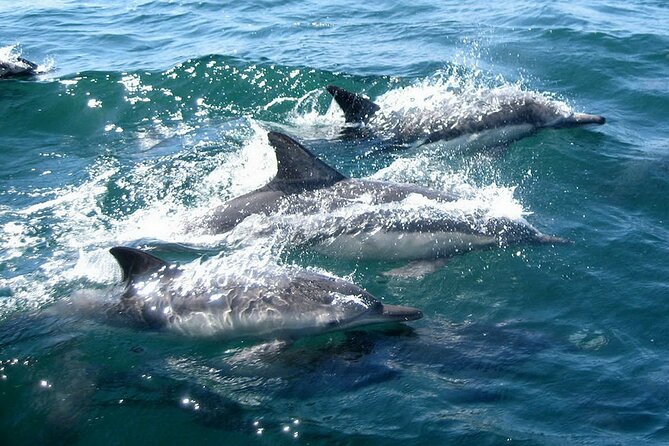
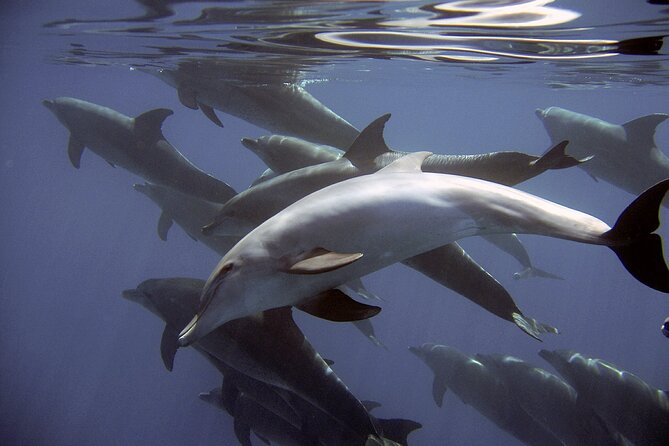
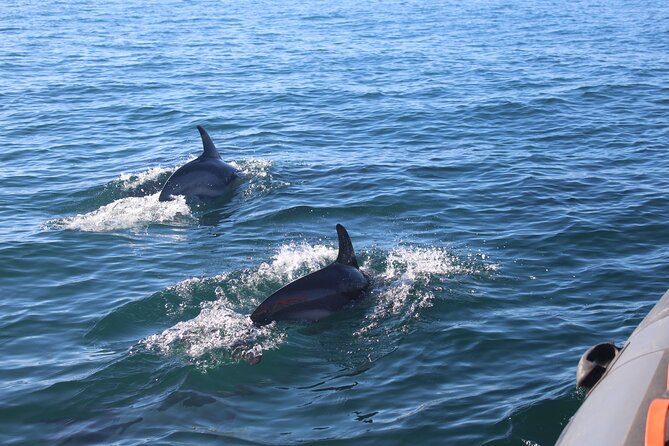
That said, many past outings have been described as magical, with dolphins swimming close to the boat and showing playful behavior like jumping. One of the big selling points is not just seeing dolphins, but seeing them well enough for good photos and time on the water while they’re around.
You should also keep an eye open for turtles and seabirds, since those are part of what the guide will help you look for. Bird sightings, however, can be inconsistent. If you’re coming mainly for birds and expect constant action, you might be disappointed.
My advice: treat dolphins as the headline, but let the rest of the ecology be the “bonus.” The guide’s explanations are what help you notice the smaller signs of life.
Guide Style and Captain Attention: Why It Feels Personal
A lot of people rate this tour highly because the crew approach is supportive, friendly, and hands-on. In the feedback, specific names show up for being approachable and funny, like Filipe, Philippe, Thiago, and Alex. Those mentions aren’t a promise you’ll get the exact same crew, but they do tell you what kind of energy the operation aims for.
This matters because wildlife spotting is not passive. You’re depending on the captain and guide to interpret the sea and to help you understand what you’re looking at. When the crew communicates well, the time on the water feels purposeful, even when sightings take a moment.
The small group also feeds into this. When your captain notices movement, you’re less likely to feel like you’re watching from the far edge of the group.
Price and Value: Is $72.59 Worth a Half Day?
At $72.59 per person for around 4 hours, this is priced like a serious excursion, but it’s not just a “boat ride.” You’re getting multiple elements in one: a professional skipper, life jackets, masks for snorkeling, ocean time for wildlife searching, and island stops including Ilha do Farol and Ilha Deserta.
Food and drinks are not included, so factor that in. I’d plan to eat before you go, or bring something small if you know the provider allows it (the details you shared only say what’s included, not what’s permitted). Either way, budget for a drink and snack somewhere afterward.
The best value angle here is packing. If you tried to do dolphins and island visits separately, you’d likely spend more on transport and scheduling. This “one ticket, two kinds of experience” structure is what makes the price feel fair when you catch dolphins and enjoy both islands.
Weather, Timing, and Motion: When This Tour Fits Best
This activity requires good weather, and it’s subject to weather conditions. On the water, that’s not just comfort—it affects visibility, safety, and what the captain can do.
You also want to think about motion. The tour includes open ocean sailing, which can be choppy even when the coastline looks calm from shore. If you’re sensitive to waves, consider bringing motion-sickness prevention strategies you already trust.
The experience also states it’s not recommended for people with difficulty motora (mobility). If stairs or uneven ground are a concern on island stops or on/off the boat, you’ll want to take that seriously.
Best fit: couples, small groups of friends, and solo travelers who like nature and want an active morning. It’s also a good option if you want a mix of wildlife and island strolling without spending an entire day on the water.
Final Call: Should You Book This Dolphin Watching + 2 Islands Tour?
I’d book it if you want a one-shot Algarve outing that combines three things: a serious attempt at dolphins in the Atlantic, meaningful time on Ilha do Farol, and a swim-ready stop at Ilha Deserta with snorkeling gear included. The max 12 group size and the guide-led ecology explanations are also strong signals that you won’t feel ignored.
I’d pause and rethink if your trip is highly dolphin-dependent. Since sightings are not guaranteed, this is better as a nature experience than as a wildlife promise. Also skip it if mobility is a major issue, or if open-water boat motion is a concern for you.
If you treat dolphins as the lucky highlight and let the islands and ecology do the rest of the work, you’ll likely have the kind of morning that feels like it belongs in the Algarve, not just on it.
FAQ
What is the duration of the tour?
The tour lasts approximately 4 hours.
Where does the tour start and end?
It starts at Rua da Porta Nova in Faro and ends back at the same meeting point.
How much does the tour cost?
The price is $72.59 per person.
Is dolphin watching guaranteed?
No. The tour does not guarantee the presence of dolphins.
What islands are visited?
You visit Ilha do Farol and Ilha Deserta, with additional stops along the route including Barreta Island and Cabo de Santa Maria.
Does the tour include snorkeling gear and safety equipment?
Yes. It includes life jackets and masks to snorkeling.
Is food included in the price?
No. Food and drinks are not included.
What languages is the tour offered in?
The tour is offered in English.
Is there an age limit for children?
Children must be accompanied by an adult, and the minimum age is 5 years.
Is the tour always running, or does weather affect it?
It is subject to weather conditions and requires good weather. If it’s canceled due to poor weather, you’ll be offered a different date or a full refund.