REVIEW · FARO
Faro: Dolphin and Wildlife Watching in the Atlantic Ocean
Book on GetYourGuide →Operated by Ocean Vibes Algarve · Bookable on GetYourGuide
Wildlife shows up fast once you hit open water. This 2.5-hour boat trip from Faro takes you across Ria Formosa toward the Atlantic, where a team of marine biologists helps you scan for dolphins and other sea life. I especially like the mix of serious science talk and real-world excitement when you find animals out there.
Two things I really love: first, the guides (including Miguel and Alfredo in some groups) don’t just point. They explain what you’re seeing and why it matters, then keep searching in a calm, respectful way. Second, after dolphins are spotted, you get 30 minutes of free watching time so you can actually observe behavior instead of rushing between sightings.
One drawback to plan around: a dolphin or whale sighting is not 100% guaranteed. The operator notes it’s usually very successful, but you should still accept that wild animals set the schedule, not the boat.
In This Review
- Key points before you go
- Faro to the Atlantic: How the Ria Formosa Crossing Sets the Stage
- What You’ll Hunt For: Dolphins, Whales, Birds and the Rest of the Food Web
- The 30-Minute Dolphin Watch: Real Observation Time, Not a Quick Stop
- Marine Biologists On Board: What the Guides Do During the Search
- The Boat Ride Reality: Wind, Motion, and How to Stay Comfortable
- Price and Value: What You Get for $76 in 2.5 Hours
- Who Should Book This Dolphin and Wildlife Watching Tour
- Should You Book Ocean Vibes Algarve’s Atlantic Wildlife Tour?
- FAQ
- How long is the Faro dolphin and wildlife watching tour?
- Where is the meeting point in Faro?
- Do I need hotel pickup?
- What’s included with the ticket?
- Is it guaranteed that you’ll see dolphins?
- When is the best time to see whales?
- What should I bring, and is it okay if I get a bit wet?
- What animals and wildlife are you likely to see?
Key points before you go
- Ria Formosa to the Atlantic: you cruise scenic barrier-island waters before the serious searching starts
- Two marine biologists on board: they work as a team to find multiple species, not just dolphins
- 30 minutes watching dolphins: designed for observation time, not constant repositioning
- Whale season timing: February to May is best for whales, while dolphins are there year-round
- Wildlife-friendly rules: no feeding, no touching, and a focus on keeping space for animals
- Fast but manageable boat ride: you’ll likely feel motion, especially on windy days
Faro to the Atlantic: How the Ria Formosa Crossing Sets the Stage
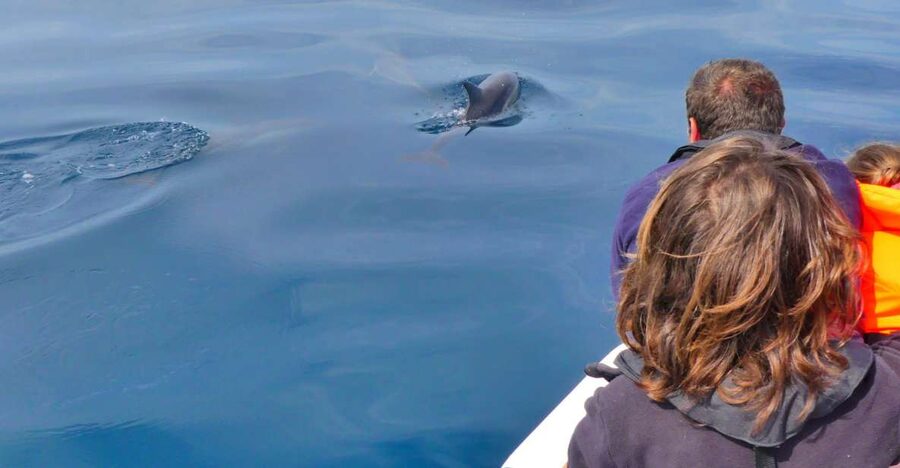
Your day starts in Faro harbour at the Ocean Vibes Algarve office. Look for the shared store with a banner reading Ocean Emotions, and you’ll find your group there before heading out. There’s no hotel pickup included, so you’ll want to arrive with time to get sorted and ready.
Right away, you’re not staring at open ocean. You head through Ria Formosa Natural Park, which is a big part of why this tour feels more than a checklist. You cruise past marshlands and out toward the coast, with views over the barrier islands of Deserta and Culatra when conditions allow.
This “setup” matters for two reasons. One, you get scenic water time while the biologists get positioned for spotting. Two, you often spot birds and marine activity before you even reach the deeper Atlantic zone, so the trip feels like it starts working early rather than waiting until the last 10 minutes.
You can also read our reviews of more tours and experiences in Faro.
What You’ll Hunt For: Dolphins, Whales, Birds and the Rest of the Food Web
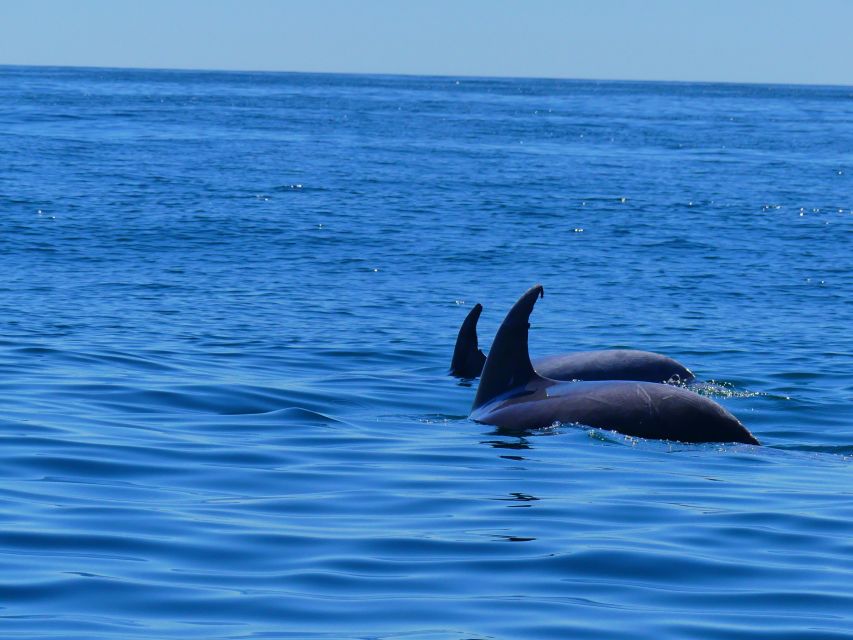
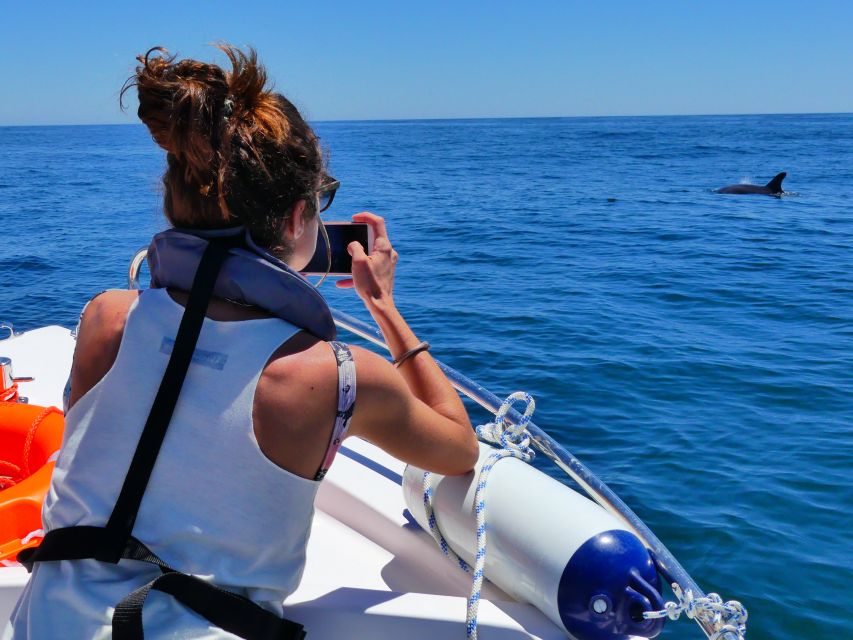
Once you reach the Atlantic, the search begins in earnest. The guides look for cetaceans like dolphins, porpoises, and—when the season is right—whales. You’re told whale season is February to May, while dolphins are resident in the area all year round. In other words: you can plan for dolphins any time, but you improve your odds for whales if your dates fall in that window.
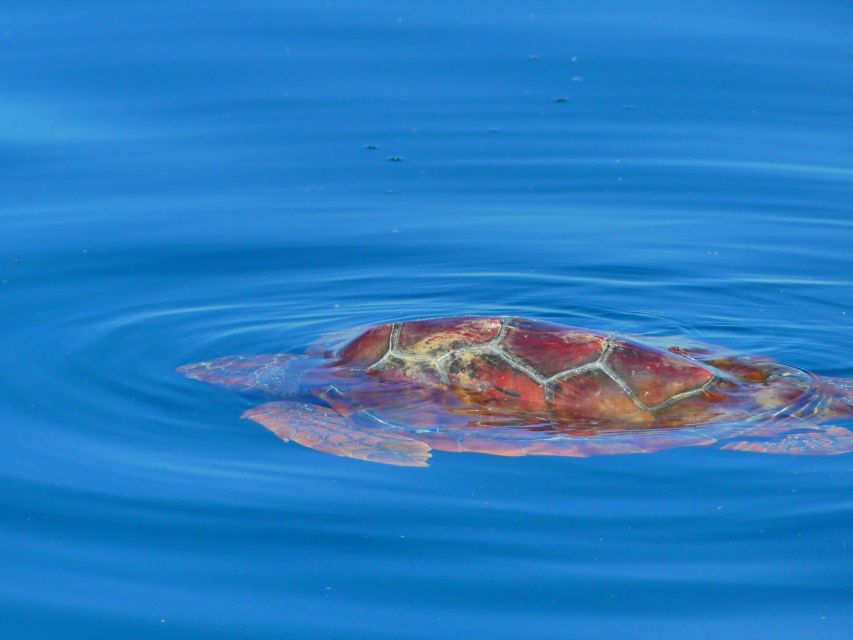
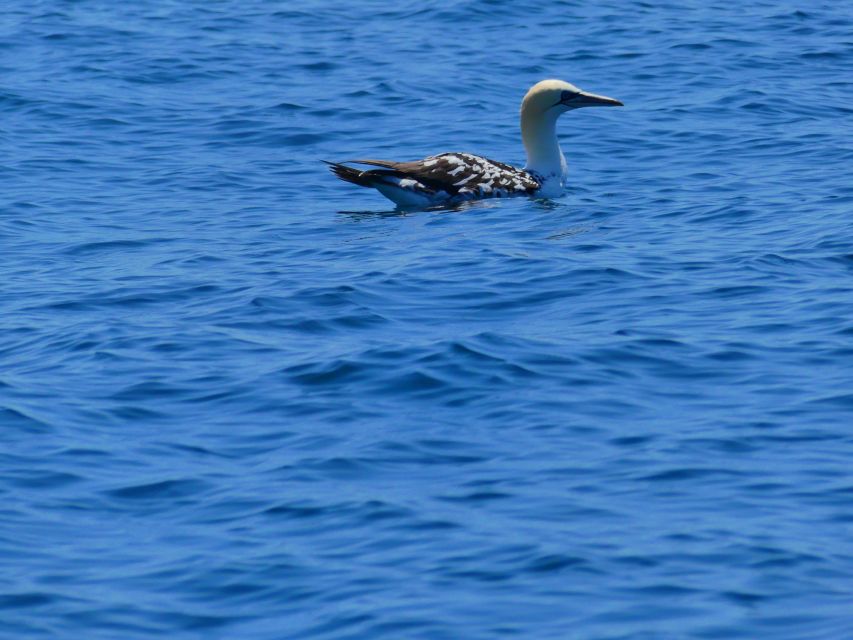
And it’s not just mammals. Expect birds such as gannets and shearwaters overhead, especially when the boat is moving along productive areas. The guides also scan the water for fish and other marine life, with the tour info specifically mentioning ocean sunfish, blue sharks, hammerhead sharks, and a few marine turtles.
In plain terms, you’re learning to watch like a scientist. You’re not only waiting for a blow or a fin; you’re also paying attention to the whole “why there’s life here” picture—birds circling, surface activity, and the patterns that often link food sources to predators.
Also, there’s a useful reality check: dolphins are wild and can change direction fast. The operator says sightings are usually successful (normally 9 out of 10 tours), but you should still treat this as a wildlife encounter you get to participate in, not a guaranteed performance.
The 30-Minute Dolphin Watch: Real Observation Time, Not a Quick Stop
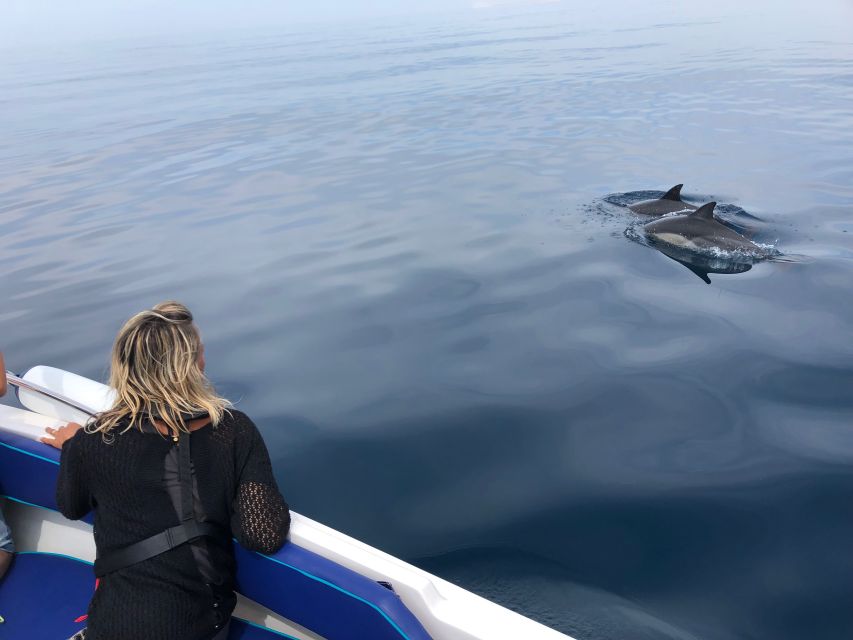
When the team finds a group of dolphins, you get a special window: up to 30 minutes of free time to watch them. That sounds simple, but it’s one of the smartest parts of the format.
Dolphins don’t behave on schedule. If you only have a few minutes at a time, you tend to miss the “interesting” stuff—social interactions, surfacing rhythm, or how they move around the boat while keeping their distance. With the built-in watching time, you have a better chance to actually see behavior rather than just spotting the animal once.
The tour also gives you time to ask questions to the biologists. This is where the experience becomes more memorable than a standard boat ride. You can ask about dolphins and other wildlife, and you can also learn how biologists collect data for scientific research on dolphin populations.
A few people end up seeing extra moments like sunset or longer time on the water when conditions line up. Just don’t count on it like it’s guaranteed—wildlife decides the timing.
Marine Biologists On Board: What the Guides Do During the Search
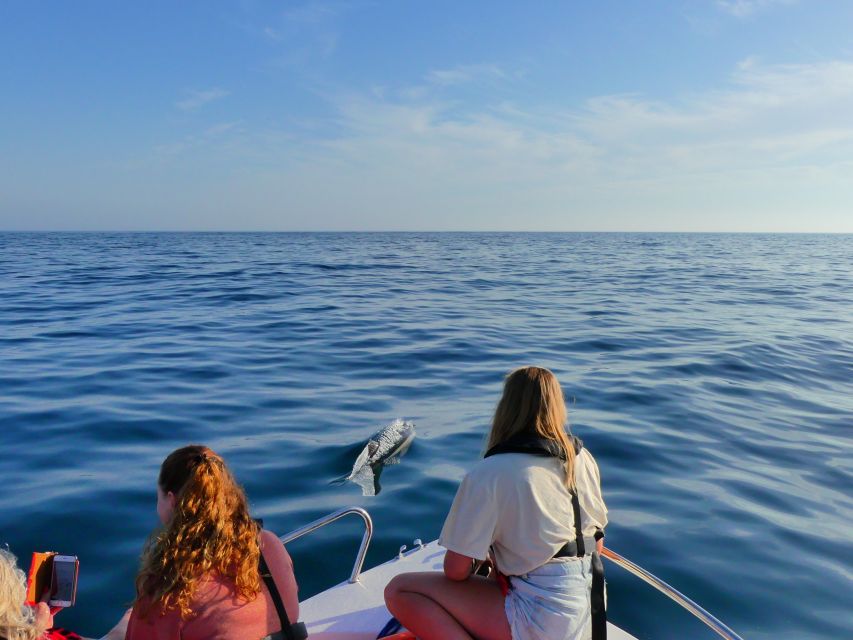
I like that this isn’t run as a “spotter game.” The guides include two marine biologists, and their job is to keep searching while teaching you how to think about what you see.
They’ll explain things as you go—what different species tend to do, what you’re likely seeing when fins break the surface, and how their approach fits wildlife welfare rules. In some groups, guides like Miguel, Pedro, Alfredo, and Ines are mentioned by name, and the common thread is the same: they work hard to find animals without using tricks or pushing the wildlife.
What I found especially valuable is the balance of enthusiasm with discipline. You’ll notice they keep enough distance and follow rules that are meant to keep animals from feeling stressed. It makes the watching better, and it makes you feel good about what you’re supporting.
The Boat Ride Reality: Wind, Motion, and How to Stay Comfortable
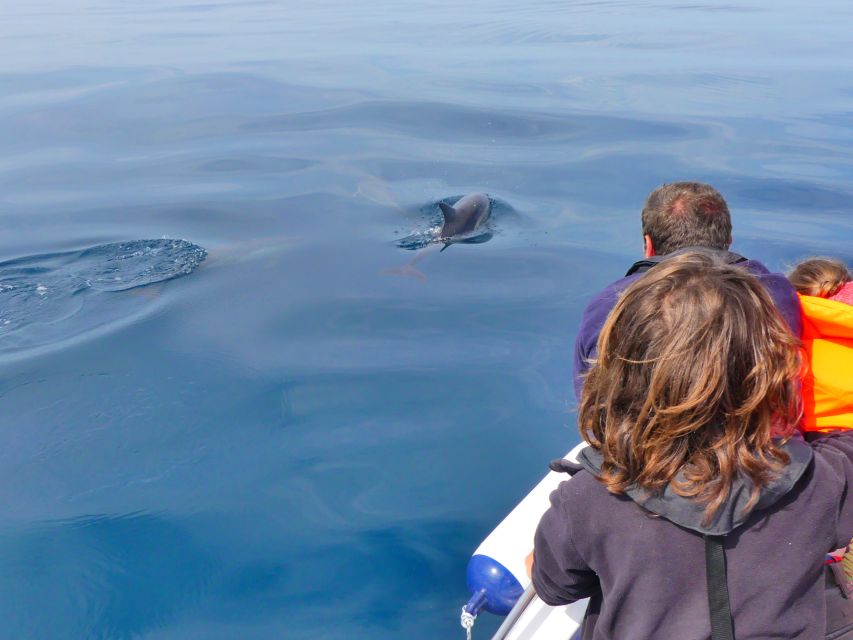
This tour is short, but it’s active. You’re on a boat that can feel bouncy, especially when you’re leaving harbour or if the wind picks up. The operator warns you may get a little wet on windy days, and you’ll be smart to plan like you’re going to the coast in changeable weather.
Bring a jacket even if the day is warm. That wind on open water can feel colder than you expect, and a light layer can turn a stressful ride into a tolerable one. Comfortable clothes are recommended, and I’d also pack water and suncream because you’ll be outside for the full outing.
One more practical point: this tour isn’t recommended for people with limited mobility, and it also isn’t suitable for people with back problems or mobility impairments. That’s mostly about the boat ride and movement on board, so check your comfort level before booking.
Price and Value: What You Get for $76 in 2.5 Hours
At about $76 per person for a 2.5-hour guided trip, the value comes from three things you don’t always get on wildlife tours: marine biologists, active searching, and the built-in observation time.
You’re not only paying for the boat. Your ticket includes the guided tour, life jackets, and the marine biology expertise that helps you interpret what’s on the water. For many people, the best part isn’t only seeing dolphins—it’s understanding what you’re looking at and why the animals are where they are.
If you’re used to tours that feel like fast drive-by sightings, this one tends to feel different because of that 30-minute dolphin watch and the time the team spends scanning. Also, since no sighting is guaranteed, your best value comes on days when conditions are working and the biologists can line up with where animals are moving.
If your schedule is tight right after the tour, I’d give yourself a bit of buffer. Some days the team stays out longer when they’re chasing a specific group or species, and it can run past the strict feel of a timetable.
Who Should Book This Dolphin and Wildlife Watching Tour
This is a strong fit if you want wildlife with education and you’re comfortable being outside in coastal wind. It’s especially good for anyone who likes learning how animals live, not just ticking off dolphins on a list.
You’ll likely enjoy it most if:
- you’re traveling with adults or older kids (the tour isn’t suitable for children under 2)
- you don’t mind a bumpy fast-water ride
- you want real explanation from a marine-focused guide team
It may not be the right fit if you’re pregnant, have back issues, or have mobility impairments. The operator states it’s not recommended for limited mobility and not suitable for certain conditions, so don’t gamble with comfort or safety.
Also note what you must not do: no smoking, no pets (assistance dogs allowed), no feeding animals, and no touching marine life or any wildlife. These rules aren’t there for show—they protect both you and the animals.
Should You Book Ocean Vibes Algarve’s Atlantic Wildlife Tour?
If your main goal is dolphins plus the chance of whales and other marine wildlife, I think this is a smart booking choice in Faro. The combination of two marine biologists, a real attempt to find multiple species, and the dedicated 30-minute dolphin observation window gives it more substance than a quick sighting tour.
I’d book it if you can handle cool wind, boat motion, and the idea that wild animals decide whether you see everything. If you’re on a tight schedule or you get motion sick easily, consider bringing extra patience (and possibly extra comfort items) before you commit.
Overall: if you want an Atlantic wildlife experience with rules that protect animals and guides who can explain what you’re seeing, this one is worth serious consideration.
FAQ
How long is the Faro dolphin and wildlife watching tour?
The tour lasts 2.5 hours.
Where is the meeting point in Faro?
You meet at the Ocean Vibes Algarve office. Look for the shared store with a banner saying Ocean Emotions in Faro harbour or marina.
Do I need hotel pickup?
No. Hotel pickup and drop-off are not included.
What’s included with the ticket?
Included are a guided boat tour, a marine biologist guide, and life jackets.
Is it guaranteed that you’ll see dolphins?
No. The operator states a 100% sighting rate cannot be guaranteed, though it’s normally very successful (about 9 out of 10 tours).
When is the best time to see whales?
Whale season is between February and May.
What should I bring, and is it okay if I get a bit wet?
Bring comfortable clothes, water, and suncream. You may get a little bit wet on windy days, so bringing a jacket is recommended.
What animals and wildlife are you likely to see?
You’ll look for cetaceans such as dolphins, whales, and porpoises. The tour info also mentions birds like gannets and shearwaters, plus fish such as ocean sunfish, blue sharks, and hammerhead sharks, and a few marine turtles.