REVIEW · SARDINIA
Dolphin Watching and Snorkeling in Figarolo in Sardinia
Book on Viator →Operated by DST- Diving & Snorkelling Team Sardegna · Bookable on Viator
Watching dolphins in Sardinia is a fast way to feel lucky. This small-group outing takes you from Capo Figari toward Figarolo Island, with guided snorkeling time and close-up instruction about marine life.
What I like most is the focus on real dolphin behavior (not just a quick sighting) and the way the guides keep the encounter respectful and educational. The other big win is the practical snorkeling rhythm: short, timed water stops in the best nearby coves.
One possible drawback: dolphin sightings are never guaranteed, and in some conditions the group may spend more time with partial sightings (like fins), plus you may be asked to wear a lifejacket, which can change how freely you get in the water.
In This Review
- Key highlights worth your attention
- Setting Out From Golfo Aranci to Capo Figari
- Capo Figari: The Dolphin-Spotting Part That Matters
- A realistic note on what you might see
- Cala Greca and Cala Moresca: Snorkeling Stops With a Short, Good Pace
- What can affect the water experience
- Figarolo Island Time: Where the Views and Water Both Deliver
- Guides, Dolphin Etiquette, and the Info You Actually Use
- Language Expectations: English-First, With Room for Surprises
- Who This Tour Fits Best (And Who Should Skip It)
- Group size is part of the fit
- Price and Value: Is $84.69 Worth 3.5 Hours?
- Weather and Timing: The One Thing That Controls the Day
- Should You Book Dolphin Watching and Snorkeling in Figarolo?
- FAQ
- Where does the tour meet?
- How long is the experience?
- What areas will we visit during the tour?
- Is the tour offered in English?
- What group size should I expect?
- Are children allowed?
- Is there a weight limit?
- What happens if weather is poor?
Key highlights worth your attention
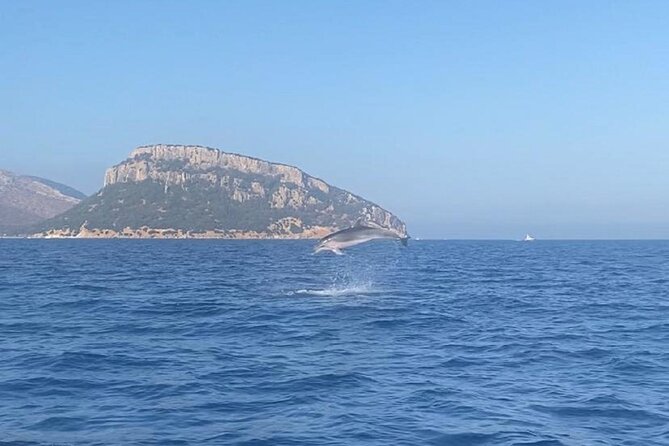
- Capo Figari dolphin zone: a high-probability area where dolphins may appear near the surface.
- Small group vibe: maximum 12 travelers, which usually means more attention from the guides.
- Multiple water stops: Cala Greca, Cala Moresca, and Figarolo Island, so you get more chances to swim and snorkel.
- Onboard education: you’ll get guidance on dolphin ecology and eco-sustainable viewing conduct.
- Guide personalities show up in the reviews: people praised guides like Franchi and Adriana for clear explanations.
Setting Out From Golfo Aranci to Capo Figari
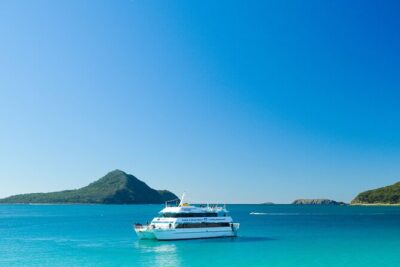
This tour is built around one clear idea: get you close to dolphins, then let you enjoy the water around them. You start at DST’s meeting point at Spiaggia Sos Aranzos in Golfo Aranci, and the day ends back there after roughly 3 hours 30 minutes on the water.
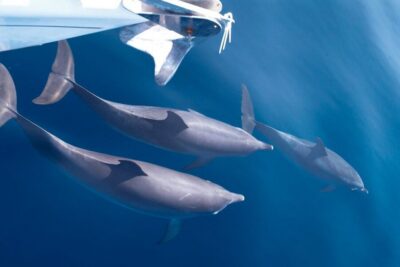
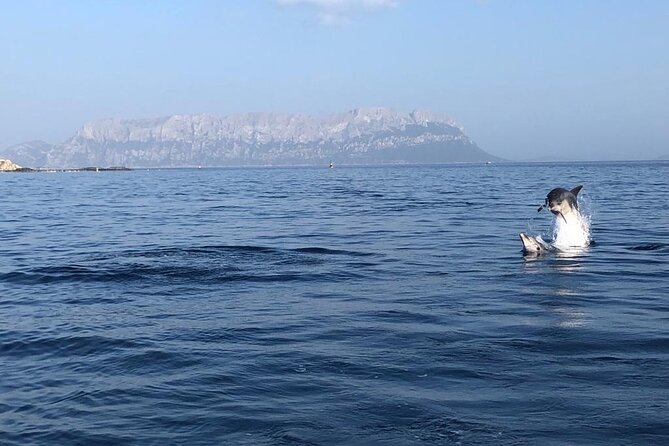
The first target is the headland area of Capo Figari. That’s where the odds are best for spotting dolphins breaking the surface or milling around as the boat moves along.
The best part about starting here is timing. Dolphins can be active in short windows, and a dedicated first section gives your crew time to work the area instead of rushing straight to the snorkel stops.
You can also read our reviews of more tours and experiences in Sardinia.
Capo Figari: The Dolphin-Spotting Part That Matters
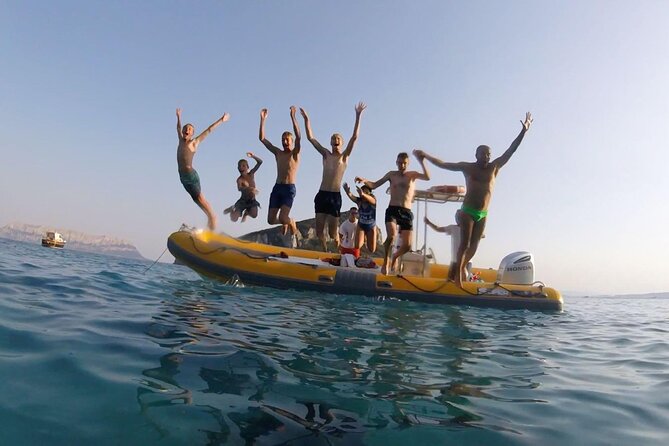
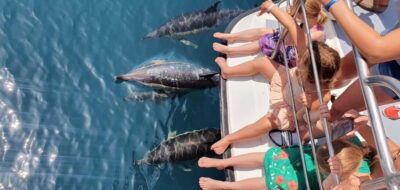
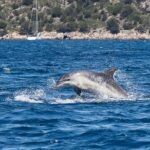
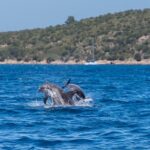
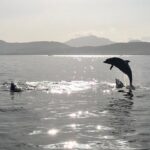
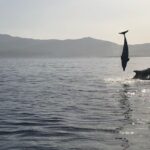
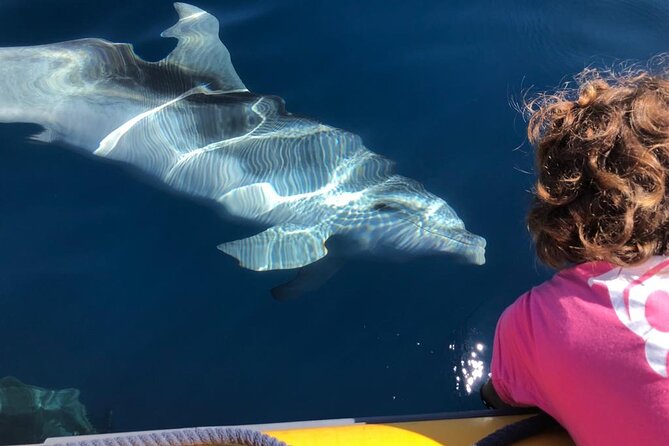
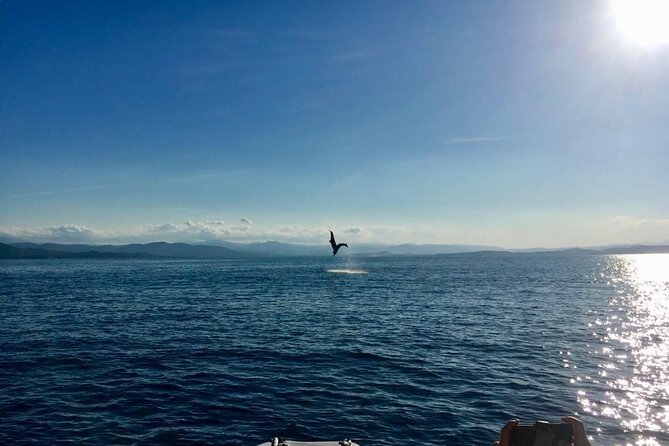
Capo Figari isn’t presented as a vague “look around and hope” experience. The plan is structured: you sail into the Capo Figari area and keep eyes on the water as dolphins may surface and play.
What you’re really paying for in this section is the guide’s interpretation. The tour notes that guides explain dolphin behavior, ecology, and characteristics, so when you do see them you’re not just watching—it clicks into something you understand.
There’s also an ethics angle. Operators are trained to encourage eco-sustainable conduct during dolphin sightings, which matters because boat activity can affect how close dolphins stay.
A realistic note on what you might see
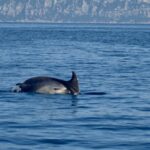
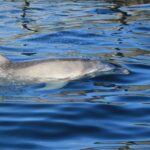
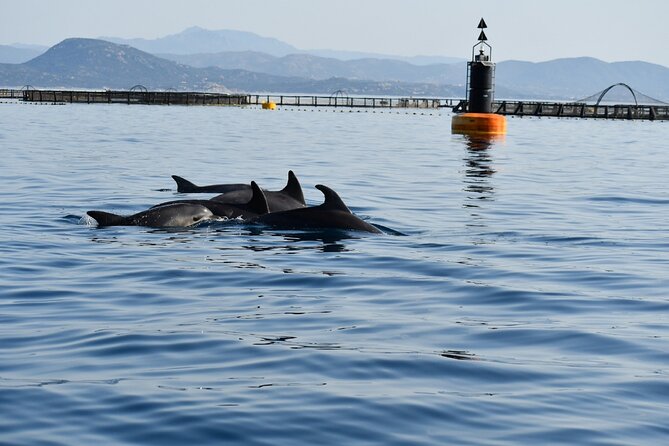
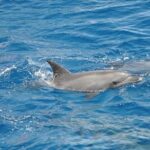
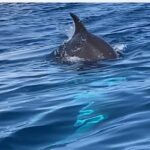
Even in a strong dolphin zone, outcomes vary. One downside that comes up is that if there are lots of boats or dolphin activity changes, you might get brief moments—sometimes just fins rather than full views. That’s not a reason to skip it, but it is a good expectation to carry with you.
Cala Greca and Cala Moresca: Snorkeling Stops With a Short, Good Pace
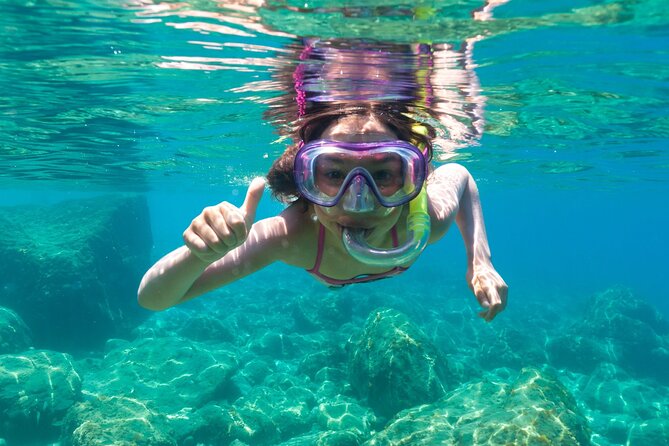
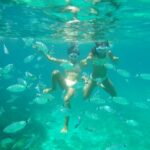
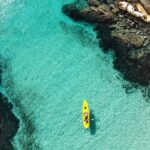
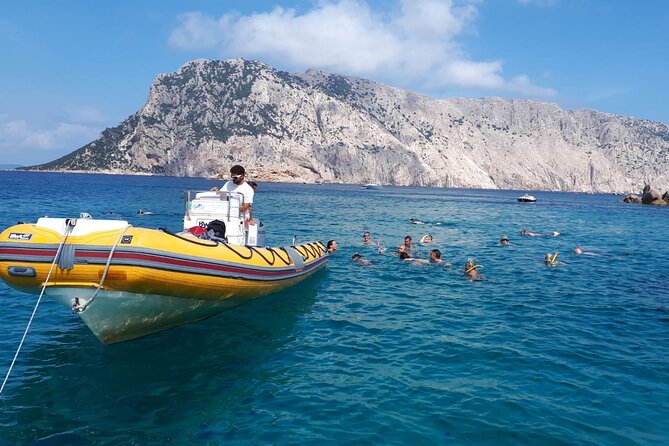
After the Capo Figari spotting segment, the route builds in water time with two coves: Cala Greca and Cala Moresca. The tour uses a dinghy/boat approach with stops at these locations, giving you a chance to swim or snorkel in clearer water.
These stops are valuable for two reasons. First, they break up the trip so you’re not stuck on the water the whole time. Second, they create multiple chances—if dolphins are quiet during one moment, you still get real time in the sea.
The experience is also guided while you’re in the water. Reviews mention support and explanations during snorkeling, including people being guided through what they’re seeing and how to look properly.
What can affect the water experience
One point to be aware of: some people reported being required to wear lifejackets to swim, and that can affect how comfortably you move underwater. If snorkeling is your main goal, it’s smart to go in knowing your comfort level and mobility in a lifejacket can change the feel of the session.
Figarolo Island Time: Where the Views and Water Both Deliver
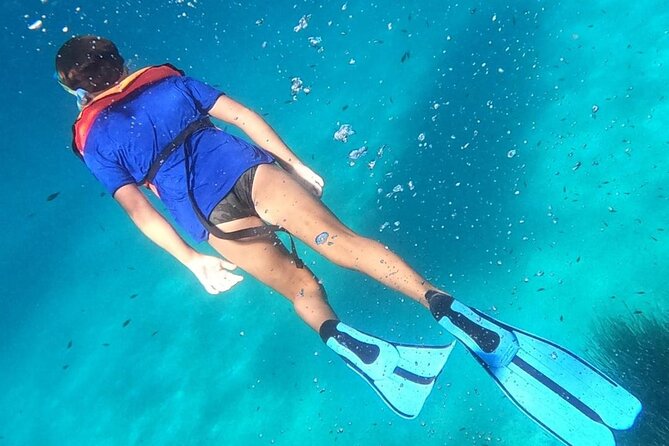
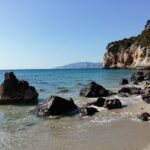
The tour’s third water highlight is Figarolo Island, reached after the coves. This is the part that often turns a “dolphins tour” into a full Sardinia sea outing because you’re not just watching from the boat—you’re spending time close to the island waters.
The format is simple: the boat/dinghy stops, you get time swimming and snorkeling, and then you rejoin the group. Even if you’re not a confident swimmer, the guided setup helps you manage the experience safely.
Another angle here is perspective. Several people like the day because the coastline and island feel different from the water, and you get that “you’re really there” feeling without it being a long, exhausting excursion.
And yes, dolphin sightings can happen around this part of the route too. In the best cases, people see dolphins soon and repeatedly, including what one review described as even young dolphins.
Guides, Dolphin Etiquette, and the Info You Actually Use
The guides are one of the strongest reasons to choose this tour. The tone from the reviews is consistent: guides are friendly, professional, and focused on helping you understand what you’re looking at.
Names that stood out include Maia and Franchi, with praise for Franchi’s clear explanations (including mention of strong French). Other guides praised in reviews include Adriana, plus people credited Clarissa and Sabina for sharing lots of information in an organized, approachable way.
The educational content isn’t random trivia. It centers on:
- how dolphins behave (surface activity and play patterns),
- what to look for while scanning the water,
- and how to view them responsibly so the animals aren’t stressed.
That last part is practical. Responsible conduct doesn’t just sound good—it affects whether dolphins keep hanging around instead of slipping away.
Language Expectations: English-First, With Room for Surprises
This experience is offered in English, and that matters for your comfort. Most days will likely be straightforward, especially if you’re comfortable with English explanations.
However, one important caution shows up in feedback: someone booked with French expectations and found the day didn’t match that. So if you’re counting on French, don’t assume it will be available on your specific departure.
If English is fine for you, that’s a simple solution: choose this tour knowing you’ll follow the guide’s narration and dolphin talk in English.
Who This Tour Fits Best (And Who Should Skip It)
This outing is a good match if you want a short Sardinia sea experience with real wildlife focus and guided snorkeling time. It also tends to work well for families who want an active outing without a full-day commitment; one review even singled it out as special to do with children.
That said, the safety and comfort limits are clear:
- It’s not suitable for children under 3.
- It’s not suitable for people with motor disabilities.
- It’s not suitable for people over 286 lbs (130 kg).
So if mobility is a concern, check the operator details carefully before you book. If you’re on the active end—able to participate in swimming/snorkeling time—this tour is designed for you.
Group size is part of the fit
With a maximum of 12 travelers, you’re less likely to get lost in the shuffle. You should expect more direct guidance, especially during the snorkeling stops and when scanning for dolphins.
Price and Value: Is $84.69 Worth 3.5 Hours?
At $84.69 per person for about 3 hours 30 minutes, the value depends on what you want most: dolphin chances, guided learning, or sea time. This price feels more reasonable when you consider you’re getting multiple components in one outing—dolphin watching, guided education, and several water stops.
It also helps that the day is structured for success. A dedicated start at Capo Figari increases your likelihood of seeing dolphins, and the later stops at Cala Greca, Cala Moresca, and Figarolo Island give you backup value even if dolphin sightings are quieter in one stretch.
One small perk that came up in feedback: a simple snack like chips and a glass of water. It’s not a full meal, but it supports the fact this is a short, active outing.
Where value can drop is when your personal needs don’t match the reality of the day. If you need a guaranteed full dolphin show, you may feel disappointed if the animals are distant or the surface activity is low.
Weather and Timing: The One Thing That Controls the Day
This experience requires good weather. If conditions aren’t right, the tour may be canceled and you’ll likely be offered a different date or a refund, so plan for flexibility.
Also, this trip is popular enough that it’s often booked about 11 days in advance on average. That’s not a reason to panic, but it is a hint that good departures can sell out.
If you want the best odds, target a day when you’re not locked into a tight itinerary. And if the sea is choppy, assume the snorkeling stops and dolphin activity could feel different.
Should You Book Dolphin Watching and Snorkeling in Figarolo?
If your priority is seeing dolphins with a guide who explains what you’re looking at—and you want real water time at Cala Greca, Cala Moresca, and Figarolo Island—this tour is a strong pick. The small group size, the repeated praise for guides like Franchi and Adriana, and the respectful dolphin conduct all point to a day that’s more than just sightseeing.
I’d only think twice if you need a specific language other than English, or if lifejacket use would make swimming uncomfortable for you. And if you’re the type who needs guaranteed dolphin close-ups, go in with softer expectations: you’re getting a high-probability outing, not a factory line.
FAQ
Where does the tour meet?
The meeting point is DST Sardegna – Diving & Snorkeling Team via Spiaggia Sos Aranzos, 8, 07020 Golfo Aranci SS, Italy.
How long is the experience?
It lasts about 3 hours 30 minutes.
What areas will we visit during the tour?
The tour sails toward Capo Figari and includes time at Capo Figari, Cala Greca, Cala Moresca, and Figarolo Island.
Is the tour offered in English?
Yes, it is offered in English.
What group size should I expect?
The tour has a maximum of 12 travelers.
Are children allowed?
It is not suitable for children under 3.
Is there a weight limit?
Yes, it is not suitable for people over 286 lbs (130 kg).
What happens if weather is poor?
The experience requires good weather. If it’s canceled due to poor weather, you’ll be offered a different date or a full refund.