REVIEW · UBUD
Dolphin Watching Tour, Swimming with Dolphins and Snorkeling
Book on Viator →Operated by Saka Bali Putu Tour · Bookable on Viator
Sunrise dolphin hunts in Lovina feel like a cheat code for Bali. This tour takes you north to Lovina Beach for early-morning spotting, then into the sea for swimming with dolphins and a coral-focused snorkeling stop.
Two things I like a lot: the hotel pickup (air-conditioned ride from Ubud) and the fact that the snorkeling gear is included, so you’re not scrambling for equipment before you’re even on the water. You also get mineral water included, plus all fees and taxes built into the price.
The main consideration is that dolphin time can be unpredictable. You might wait for sightings, and on some days there can be jellyfish around the water, so bring a plan if you’re stung-sensitive.
In This Review
- Key things to know before you go
- Why Lovina at sunrise is the whole point
- Getting from Ubud to Lovina: pickup timing and comfort
- On the boat: how dolphin spotting actually works
- Swimming with dolphins: what to expect in the water
- Snorkeling in Lovina: coral, fish, and underwater statues
- Safety and comfort: life jackets, sea conditions, and jellyfish
- Price and value: what $21.39 really covers
- Small-group limits and the crowd reality
- Staff you might hear about: drivers and captains
- Weather and schedule changes: when the ocean calls shots
- Who this tour is perfect for (and who should think twice)
- Should you book this dolphin watching and snorkeling tour?
- FAQ
- How long is the dolphin watching and snorkeling tour?
- Do they pick up from Ubud?
- Is snorkeling equipment included?
- Is breakfast included?
- What if the weather isn’t good?
- Where does the tour end?
Key things to know before you go
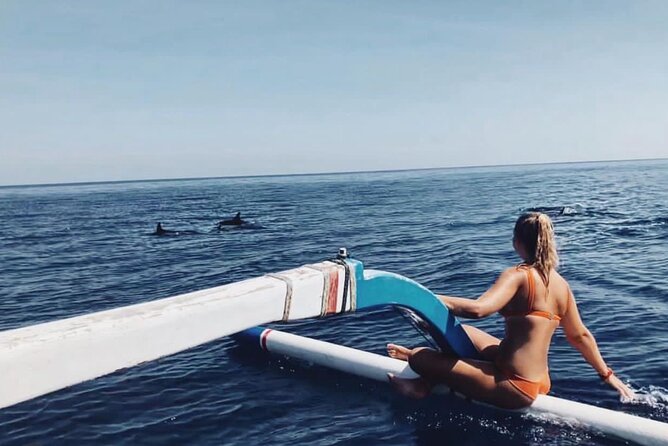
- Pre-dawn pickup for the sunrise run: expect very early starts from Ubud so you’re in position as the light hits Lovina
- Searching takes time on the water: the boat can stay out around 3 hours while the captain looks for dolphins
- Swim time is focused and simple: you’ll swim using a wood support tied to the boat so you can spot dolphins underwater
- Snorkeling is short but purposeful: you’ll head to coral and fish after the dolphin session (often around half an hour)
- Crowds can get intense: many boats may be chasing the same sightings, so space can feel busy
- Jellyfish are the wild card: you could get stung on certain mornings, so consider protective clothing
Why Lovina at sunrise is the whole point
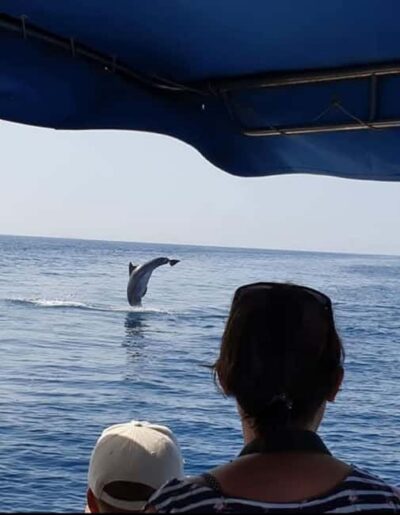
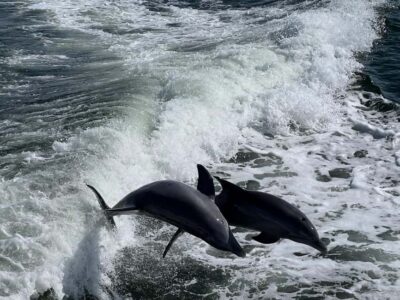
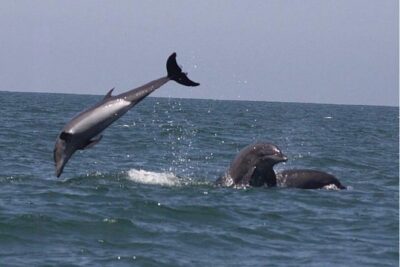
If Bali feels busy down south, Lovina is the calmer rhythm. This dolphin tour leans into that difference. You’re heading to North Bali for early light, when dolphins are actively moving through the area in search of food, and when you’re most likely to spot them jumping and cruising close enough to make the morning worth the alarm.
The best part is the timing. Watching the sunrise off the coast while you look for dolphins puts your brain into vacation mode fast. You’re not just “doing an activity.” You’re working the water at the time dolphins are most present.
You can also read our reviews of more tours and experiences in Ubud.

Getting from Ubud to Lovina: pickup timing and comfort
You’ll start in Ubud, with air-conditioned vehicle pickup offered, then transferred toward the Lovina area. One of the practical wins here is that the tour handles the transportation piece, so you don’t need to arrange your own ride at 3–5am.
In the real world, that early start matters. People mention pickups can be as early as about 3:00am for some Ubud locations, while others have been picked up closer to 4:30–5:00am. Either way, it’s dark, and you’ll want your group ready to go.
On the boat side, motion sickness is something to take seriously. The dolphin search is time-based, not moment-based, and the ride plus waiting can get bumpy. If you’re prone to feeling seasick, plan ahead with your usual remedy, and bring water.
On the boat: how dolphin spotting actually works
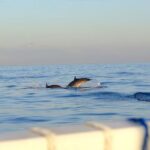
This is a dolphin-spotting boat tour off Lovina Beach, and the crew takes you to strong areas to try your luck. The reality is: the ocean is not a theme park. Dolphins can be elusive. Even when the trip is running well, you may spot them a few times or see them closer at some moments than others.
From what I’ve learned about how these trips go, the searching phase can take a while, and the boat can stay out about 3 hours while everyone scans for movement. This isn’t a short “look and leave” experience, and that’s part of the value: you have time for the hunt.
Language can also affect how smooth things feel. Captains may not always speak strong English, so if you need clear instructions, keep your eyes on the crew and ask quick questions before you get in the water.
Also, be aware of the dolphin-fishing fleet. On some mornings, there may be 50+ boats in the water chasing the same sightings. That means a busier scene, more engine noise, and more jostling for position—something you’ll want to mentally file under “normal for this kind of tour.”
Swimming with dolphins: what to expect in the water
Once you spot dolphins from the boat, the best moment comes next: swimming. The tour is designed so you can get in the water alongside the dolphins, with your guide on hand for safety.
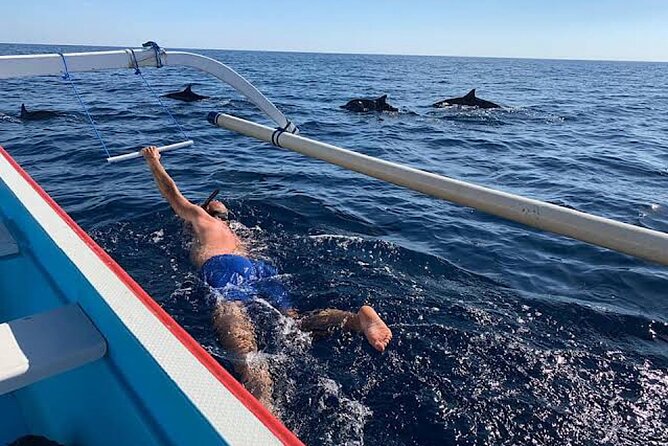
The way the swim is set up is practical. You’ll hold onto a wood support tied to the boat, then swim alongside so you can see dolphins from beneath the surface. If you’ve ever tried snorkeling where you had to keep resurfacing to look around, this setup is a big relief. It helps you stay oriented, which matters when dolphins decide to change direction fast.
Time in the water can feel like a highlight even if it’s not long. Some visitors describe a shorter snorkeling window after the dolphin session, but the dolphin swim itself is the main draw. If dolphins are active below you, it can feel like the whole sea suddenly turns into a live-action scene.
Snorkeling in Lovina: coral, fish, and underwater statues
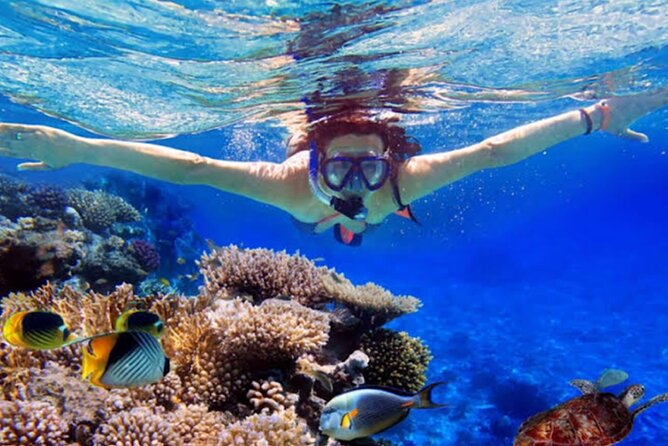
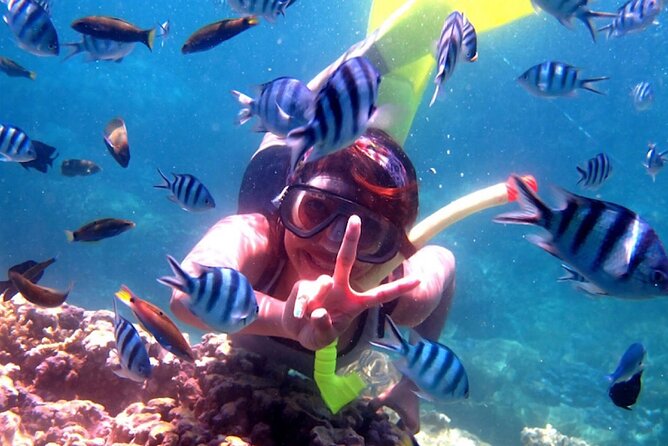
After the dolphin portion, you’ll get a chance for snorkeling in Lovina waters, and this is where you can shift from “hunt mode” to “enjoy mode.” The tour describes snorkeling over good coral areas with different types of fish, and there can even be underwater statues to spot.
This part tends to be shorter than the dolphin search. Some people mention around 30 minutes for snorkeling, so don’t treat it like a full reef session. Treat it like a bonus you’ll actually enjoy, especially if you’re tired from an early start.
If you want the most from your time in the water, do the boring things well: get your snorkel fit right before you’re far out, breathe steadily, and don’t spend the first minutes trying to find fish. Look for coral edges and movement, not just color. That’s where the action usually is.




Safety and comfort: life jackets, sea conditions, and jellyfish
The tour states you’ll be using safe sailing equipment and that the captain and guide focus on safety and having fun. Snorkeling gear is included, and safety gear like life jackets is mentioned in visitor notes, so you should expect proper flotation help during the swim.
Now for the wild card: jellyfish. One caution from the experience is that there can be jellyfish in the water around the dolphins, and stings are possible. Another visitor mentions baby jellyfish as part of what they saw, and a separate review talks about getting multiple painful stings.
What should you do with that? First, assume the possibility is real on any morning. Second, if you’re sensitive to stings or you’ve been hurt before, consider wearing protective swimwear (a rash guard or similar) and keep your hands clear of anything you don’t recognize.
Price and value: what $21.39 really covers
At $21.39 per person, this is priced like a budget-friendly North Bali morning. That sounds simple, but the value comes from what’s included:
- Air-conditioned vehicle pickup/transport
- Boat tour
- Snorkeling equipment
- Mineral water
- All fees and taxes
Not included: breakfast and personal expenses.
The math is pretty straightforward. If you had to separately buy a boat outing, hire snorkeling equipment, and pay for transportation from Ubud, the cost would add up fast. Here, you’re basically paying for one package that covers the expensive, time-critical parts—getting you on the water early and giving you the gear to use once you get there.
The only “hidden cost” is your energy level. You’re waking up very early, which can make you less patient if you’re expecting a perfectly timed dolphin appearance. If you can handle an ocean-based schedule, the price feels fair.
Small-group limits and the crowd reality
The tour runs with a maximum group size of up to 50 travelers. That’s not tiny, but it also isn’t a cattle-car vibe where you can’t hear the guide.
Still, crowds in the water are common for dolphin days. Even if your group is managed well, you can be surrounded by other boats chasing the same signals. That can affect how much space you have when you’re scanning for dolphins, and it can make the water feel more like a shared workspace than a private ocean moment.
Staff you might hear about: drivers and captains
Service quality can make or break an early-morning tour. A few named staff members get mentioned positively, and it’s worth noting because it tells you the operation actually does driver/captain matching rather than rotating completely at random.
People mention drivers like Adi, Juna, Ferry, and also praise for punctuality and friendliness (plus willingness to help if someone feels seasick). On the captain side, names like Ponal, Donald, Kadek State, and Komang Suwika come up, with praise for being respectful and patient.
I don’t treat names as a promise. The ocean doesn’t care who’s steering. But a consistent crew is usually a good sign for safety, timing, and calm energy in a chaotic early-morning scramble.
Weather and schedule changes: when the ocean calls shots
This experience depends on good weather. If conditions are poor enough to cancel, you’ll be offered a different date or a full refund. That’s the key point to remember: no company controls wind, waves, or sea visibility.
I’d also keep your plans flexible around that morning. Even with a confirmed pickup, delays can happen simply because the captain is making decisions based on what the sea is doing. That can be frustrating—especially when you woke up before sunrise—but it’s also the difference between a safe ocean day and a risky one.
Who this tour is perfect for (and who should think twice)
You’ll probably love this if you want:
- A North Bali sunrise experience, not a late-morning sightseeing loop
- Real time on the water with a chance to swim alongside dolphins
- A simple snorkeling add-on focused on coral and fish
It may be less ideal if:
- You hate early mornings and don’t handle waiting well
- You’re extremely motion-sensitive and haven’t used any seasickness method before
- Jellyfish stings would ruin the experience for you
If you’re on a tight Bali schedule, this can be a great “one morning, big payoff” tour. If you’re after a long, slow reef snorkeling day, you might find the snorkeling segment shorter than you hoped.
Should you book this dolphin watching and snorkeling tour?
Yes, I think you should book it if you can do pre-dawn logistics and you’re excited by the idea of a true wildlife morning—sunrise, dolphin search, then swimming and reef time. At this price, with pickup and gear included, the value is strong.
Book it with eyes open, though. Dolphins aren’t guaranteed, the water can be busy with other boats, and jellyfish are a real risk on some days. If you’re prepared for those realities, this tour is exactly the kind of Bali morning that sticks in your head.
FAQ
How long is the dolphin watching and snorkeling tour?
It runs for about 4 hours (approximately).
Do they pick up from Ubud?
Hotel pickup is offered, and the tour includes an air-conditioned vehicle.
Is snorkeling equipment included?
Yes. Snorkeling equipment is included, along with mineral water.
Is breakfast included?
No. Breakfast is not included.
What if the weather isn’t good?
The experience requires good weather. If it’s canceled due to poor weather, you’ll be offered a different date or a full refund.
Where does the tour end?
The activity ends back at the meeting point.