REVIEW · PHILLIP ISLAND
Dolphin & Whale Cruise
Book on Viator →Operated by Wildlife Coast Cruises · Bookable on Viator
Whales on a short cruise beat a long day of waiting. I like the large catamaran set-up with onboard commentary, and I also like the bonus of afternoon tea and coffee or tea while you scan the water.
The main thing to plan for is motion: this runs in open water, and choppier conditions can make some people feel seasick.
In This Review
- Key reasons this cruise works
- Why Phillip Island winter waters are a whale-watching magnet
- San Remo Jetty departure: the 3-hour rhythm
- The catamaran setup: comfort, commentary, and a real snack
- Open water reality check: motion and what to do
- Seal Rock, dolphins, and seabirds: how to actually spot wildlife
- Cape Woolamai Old Granite Quarry: a short land stop with context
- Humpback and southern right whales: what you’re looking for
- Price and value: what $96.83 gets you for 3 hours
- Who this cruise suits best (and who should think twice)
- Making it work on choppy days: a quick game plan
- Should you book the Dolphin & Whale Cruise from San Remo Jetty?
- FAQ
- How long is the Dolphin & Whale Cruise?
- Where does the cruise depart from?
- Does the tour end back at the same place?
- What time does the cruise start?
- What animals can you see on the cruise?
- Is there food or drink included?
- Is the cruise affected by weather?
- What is the maximum group size?
Key reasons this cruise works
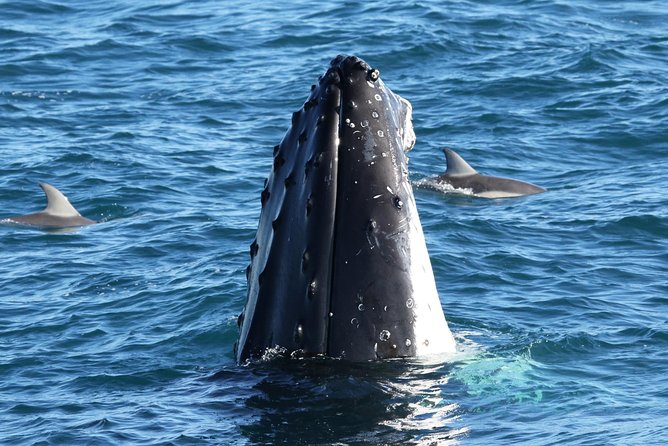
- Winter whale routes: Cape Woolamai and Phillip Island sit right on annual migration pathways
- Seal Rock sightings: you go for close viewing of seals around the rock area
- Onboard learning: commentary helps you spot what you’re actually looking at
- Afternoon tea on board: a real comfort break during a 3-hour outing
- Small-enough group feel: capped at 80 travelers
Why Phillip Island winter waters are a whale-watching magnet
This is a winter-season cruise built around one simple idea: the whales come to these waters. Around Cape Woolamai and Phillip Island, the ocean plays host to thousands of humpback and southern right whales each winter. They’re in the region as part of their annual migration pathway, so your time out on the water lines up with when animals are most likely to be nearby.
What I like about this approach is that it’s not a generic wildlife tour. It’s timed and routed to the same general ocean corridor where you’re more likely to spot whales, plus dolphins and seals along the way. And even when whale sightings are light on a given day, you’re still cruising the wild coastline looking for other marine life.
You can also read our reviews of more tours and experiences in Phillip Island.
San Remo Jetty departure: the 3-hour rhythm
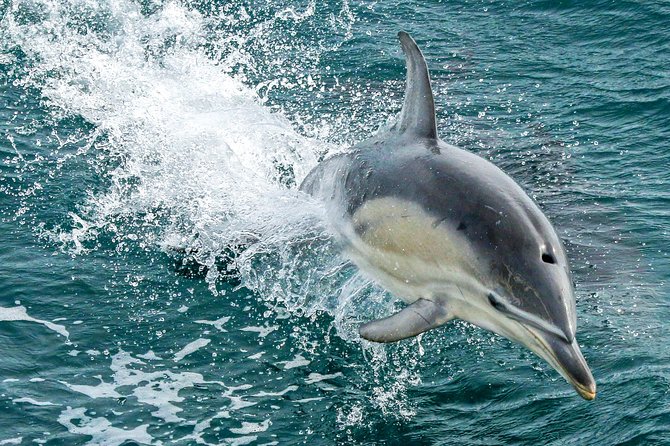
The cruise leaves from San Remo Jetty (170 Marine Parade, San Remo VIC 3925) and returns to the same meeting point. Start time is 1:00 pm, and the total outing is about 3 hours (approx.). That’s an ideal length when you want wildlife without turning your afternoon into a half-day or full-day logistics project.
The vessel is capped at a maximum of 80 travelers, which matters more than it sounds. On a catamaran with a lot of space, you still want enough room to shift your view as animals pop up. A smaller cap helps keep the experience from feeling like a cattle call when you’re all scanning the horizon at once.
The catamaran setup: comfort, commentary, and a real snack
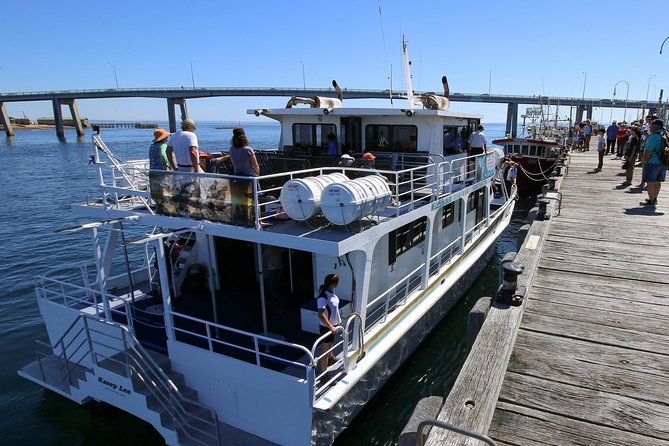
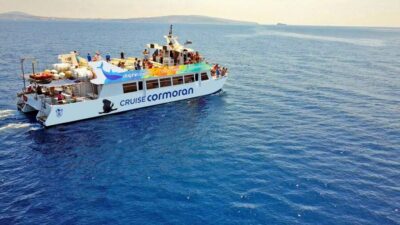
This cruise runs on a large, comfortable catamaran, and that comfort is practical, not just marketing. You’re spending a chunk of time on open water, and the more comfortable the seating and space feel, the more likely you are to stay in the moment instead of checking the clock.
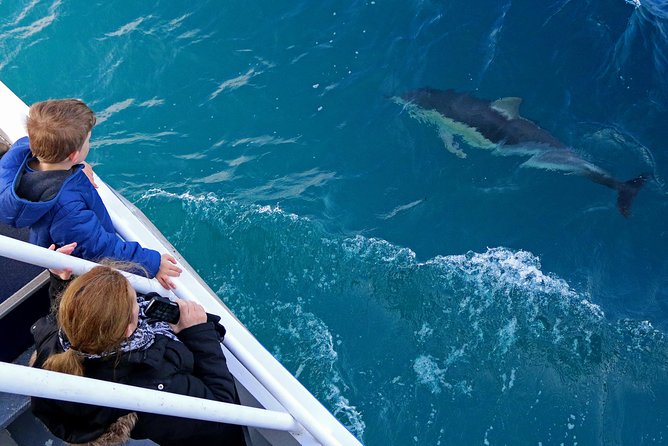
The onboard commentary adds real value. When you understand how the crew is reading the water—where to watch, what behavior might mean, and which areas to focus on—you stop treating the trip like a blind search. You get a guided way of looking at the coastline, the seals around Seal Rock, and the water where whales may surface.
And then there’s the perk that makes the whole thing feel less like a “stand out in the wind” expedition: afternoon tea and coffee or tea onboard. It’s an easy win for enjoyment on a winter day, especially if you’re traveling from a cooler morning schedule and want a warm break while you’re out there.
Open water reality check: motion and what to do
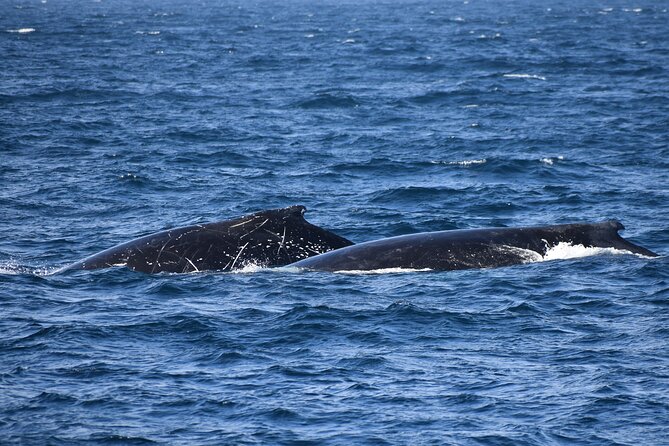
Here’s the honest trade-off. This cruise operates in open water, and the vessel motion may cause discomfort to those affected by motion sickness. Even if you’re generally fine on boats, winter seas can still turn into a rough ride.
One of the most useful bits of info from the experience reports is that the operator provides warnings about choppy conditions. If you get a heads-up message about seasickness risk, take it seriously and plan ahead. I also recommend you dress for the weather and keep a small plan for motion—whether that’s taking motion-sickness medication you know works for you, or keeping your view on the horizon if you start to feel off.
If you’re someone who has had strong seasickness in the past, this is the only part of the trip where I’d urge extra caution. Everything else is designed to keep you comfortable and informed.
Seal Rock, dolphins, and seabirds: how to actually spot wildlife
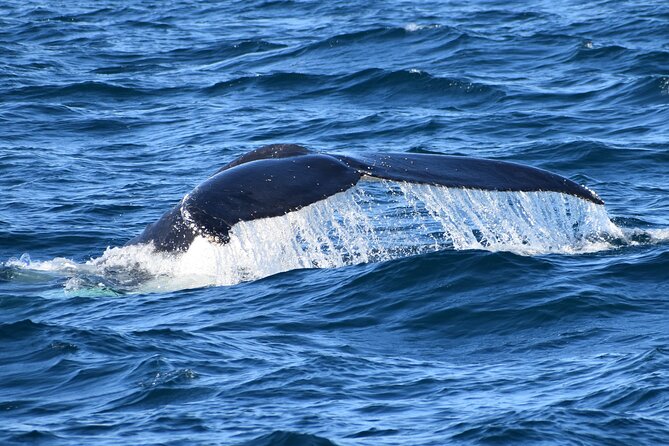
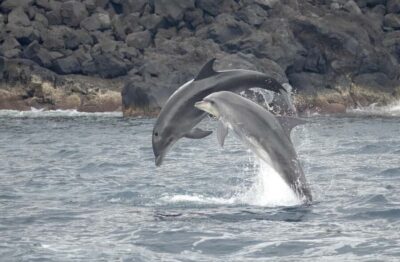
The whole cruise is built around a simple viewing mission: explore the wild coastline from the water, then keep your eyes peeled for what’s likely along the way. You can expect opportunities for dolphin watching, and the route is also aimed at seeing seals close to Seal Rock.
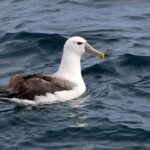
There’s also a bonus possibility: an occasional albatross circling above. That detail matters because it means you’re not only watching the sea surface. You’ll also want to glance upward when the crew mentions birds, since seabirds can signal food moving through the water.
Practical tip: don’t stare at one spot for too long. Waves shift, whales move, and dolphins can appear quickly. If you stay flexible—scan wider, then narrow your focus—you’ll feel like you’re participating in the hunt instead of just waiting.
Cape Woolamai Old Granite Quarry: a short land stop with context
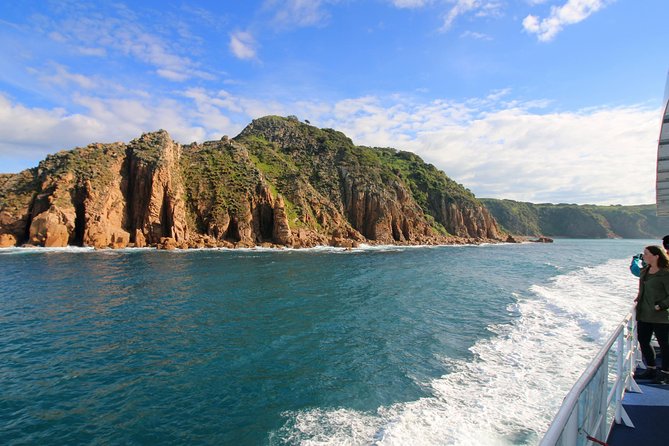
You’ll stop at Cape Woolamai Old Granite Quarry for about 10 minutes. This part is brief, but it gives the trip context. Instead of only learning about whales and seals from the boat, you get a quick look into the area’s history as you head out into open water.
The quarry stop also helps you understand why Cape Woolamai is a key piece of the story here. When you’re later scanning the coastline from the sea, the land meaning makes your observations feel sharper. You’ll know what you’re seeing and why that specific coast matters.
The drawback is also clear: it’s short. Don’t expect a full land tour. If you want long stops for photos or walking, this isn’t that style of excursion. It’s a quick historical setup to support the main goal—wildlife from the water.
Humpback and southern right whales: what you’re looking for
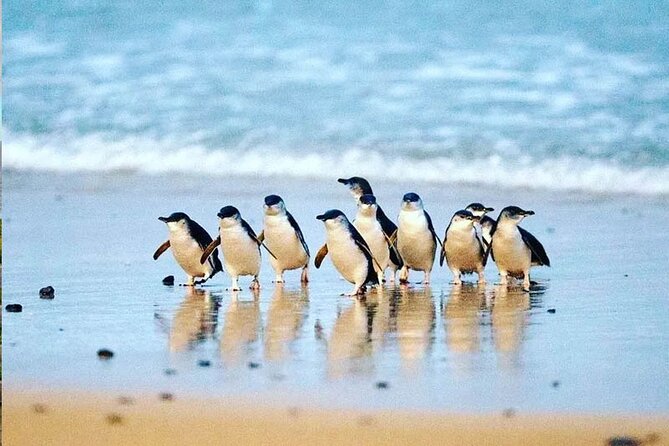
This whale watching cruise targets humpback and southern right whales in the winter months. Both are large, and both are typically part of the region’s migration pathway timing, which is why this cruise works best in the right season.
What you can take from the structure of the trip is that you’re not just cruising randomly. You’re going out to the ocean to catch a glimpse of these gentle giants. That matters because whale watching is all about being where whales are likely to surface—not only about luck.
Even on a good day, whales might not show up the way you imagine. But the upside is that the trip doesn’t rely on whales alone. Dolphins and seals can show themselves even when whale sightings are quieter, and that keeps the experience from feeling like a “one-species” gamble.
Price and value: what $96.83 gets you for 3 hours
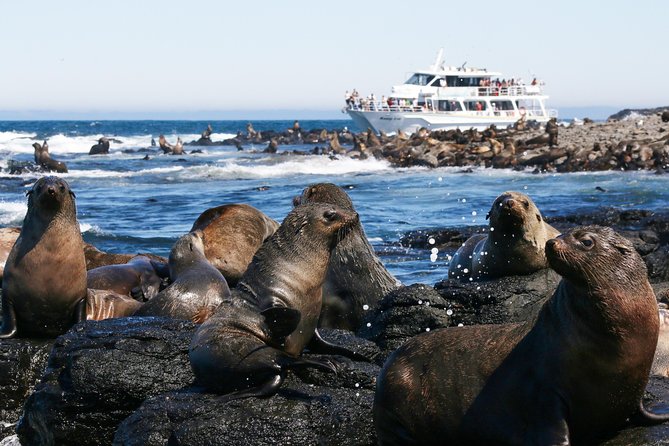
At $96.83 per person for an approximately 3-hour cruise, the value comes from the combination. You’re paying for access to a purpose-built wildlife route off Phillip Island, using a large catamaran, plus onboard commentary that helps you actually interpret what you see.
The food and warmth piece also affects value. Many wildlife cruises leave you with little more than sea air and a view. Here, you get afternoon tea and coffee or tea included. That small comfort can make a noticeable difference on winter outings when you’d otherwise be cold and hungry.
Finally, the capped group size (up to 80) matters for the overall feel. If you’ve ever tried to enjoy an animal sighting with a wall of people in front of you, you know why that cap helps. It supports better viewing, and that turns the money into a more enjoyable experience rather than a crowded wait.
Who this cruise suits best (and who should think twice)
This is ideal if you:
- Want a short wildlife outing that still feels like an actual experience, not a quick stop
- Like animal watching where learning is part of the deal, thanks to onboard commentary
- Are traveling during winter and want to target a season when whales are more expected around Cape Woolamai
It’s also a good fit for people who want both chances: whales plus seals and dolphins. The “multi-species” viewing approach reduces the risk of an all-or-nothing wildlife trip.
Who should think twice?
- Anyone with a strong history of seasickness. The cruise is in open water and motion discomfort is explicitly a factor.
- Anyone who needs very calm conditions. Choppy water is possible, and this cruise doesn’t pretend otherwise.
Making it work on choppy days: a quick game plan
Because this cruise can get rough, your best strategy is to show up ready. Dress appropriately for winter open-water conditions. Layers help because you’ll be moving between shaded spaces and windier edges depending on where you want to watch.
If you receive warnings about choppiness, use them. The best “hack” here is simple: plan for the motion so your attention stays on the scenery and wildlife. That’s exactly how people end up enjoying it even when the sea feels like a roller-coaster ride.
Also, have your mindset set for movement. Keep your eyes scanning, expect animals to appear without a long build-up, and don’t take one rough moment as a sign the whole trip is ruined. The ride can be lively, but that energy often pairs with good viewing.
Should you book the Dolphin & Whale Cruise from San Remo Jetty?
I’d book this if you’re visiting Phillip Island in winter and you want a wildlife-focused cruise that combines whale watching with seals, dolphins, and onboard learning. The included afternoon tea is a small but smart touch, and the catamaran format is built for comfort during a few hours of open water.
I’d hesitate only if you’re very sensitive to boat motion. Since the cruise runs in open water and vessel motion can cause discomfort, seasickness risk is the main real limiter. If you handle boats well—or you’re willing to plan for motion—this becomes a strong value way to spend an afternoon.
If your goal is a practical, season-timed shot at humpback and southern right whales without tying up your entire day, this one checks a lot of boxes. Just go in ready for the ocean, and you’ll get the best shot at memorable wildlife moments.
FAQ
How long is the Dolphin & Whale Cruise?
It runs for about 3 hours (approx.).
Where does the cruise depart from?
The meeting point is San Remo Jetty, 170 Marine Parade, San Remo VIC 3925, Australia.
Does the tour end back at the same place?
Yes, the activity ends back at the meeting point.
What time does the cruise start?
The start time is 1:00 pm.
What animals can you see on the cruise?
You may see dolphins, seals (including near Seal Rock), and whales. Humpback and southern right whales are part of the seasonal focus, and an occasional albatross may appear.
Is there food or drink included?
Yes. There is afternoon tea and coffee or tea onboard.
Is the cruise affected by weather?
Yes. Cruises are weather dependent, and you may be asked to contact the local tour operator prior to departure.
What is the maximum group size?
There is a maximum of 80 travelers.