REVIEW · EVERGLADES NATIONAL PARK
Everglades National Park: 2 hour Dolphin & Birding Boat Tour
Book on GetYourGuide →Operated by Everglades Area Tours · Bookable on GetYourGuide
A two-hour Everglades boat ride is the fast track. You get a quiet powerboat and a guide who talks birds, wildlife, and the Park’s ecology while you slip through areas most people never reach. I love that the tour is small and focused, and I also like how the guide’s explanations make the wildlife feel less random and more like a system.
The second big win is access. Most of Everglades National Park is flooded and effectively off-limits for the average birder and photographer, but this route is built to get you closer without disturbing animals. A possible drawback: you’ll need to do your own prep, since water and the Park pass are not included.
In This Review
- Key things I’d watch for on this tour
- Why a 2-hour Everglades boat tour is a smart birdwatch shortcut
- Your guide, the small-boat feel, and what that means for you
- On the water: how the quiet powerboat reaches flooded birding zones
- What you’ll be doing during the ride
- Wildlife odds: what you might see (and how to think about it)
- Dolphins, manatees, and turtles
- Birds: herons, egrets, and the raptor sweep
- Mangroves and ecosystem talk: why the explanations improve your sightings
- The hidden benefit: better photography and better birding
- Price and value: is $110 per person fair for 2 hours?
- What to bring (and what to plan for) so the ride feels easy
- Best fit: who should book this dolphin and birding tour
- Should you book Everglades Area Tours’ Dolphin & Birding Boat Tour?
- FAQ
- How long is the Everglades Dolphin & Birding Boat Tour?
- What wildlife might I see during the tour?
- What’s included in the $110 price?
- Do I need an Everglades National Park pass?
- Is hotel pickup or drop-off included?
- Is this tour wheelchair accessible?
Key things I’d watch for on this tour
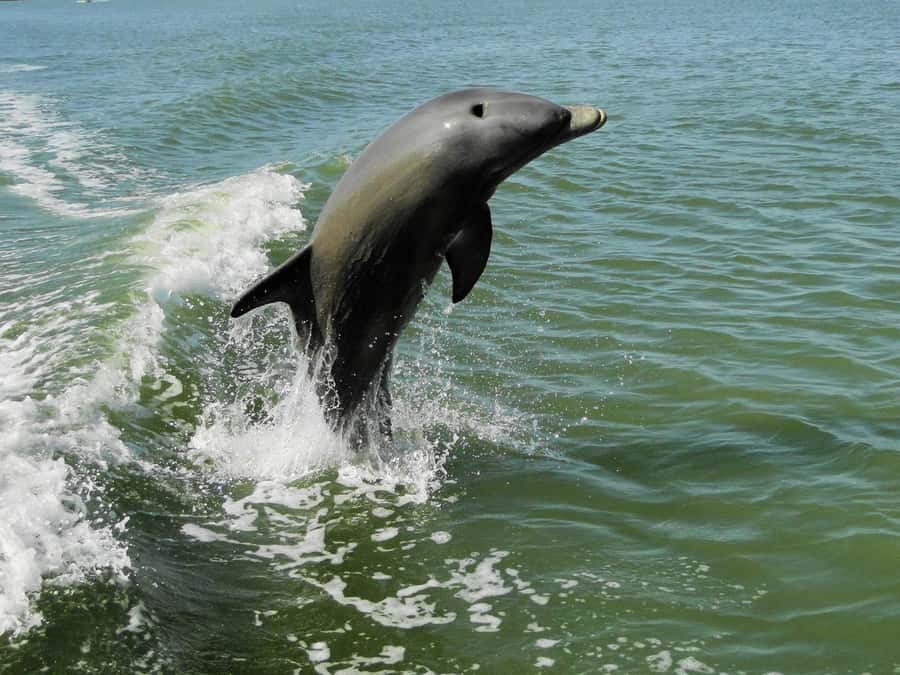
- Small group (6 people max) means you can ask questions and still hear the guide clearly
- Quiet powerboat helps reduce wildlife disturbance while you scan for birds and mammals
- Birding access into flooded areas that many visitors can’t reach on foot
- Wildlife variety by season including dolphins, manatees, sea turtles, and raptors like ospreys
- Mangrove spotting and navigation with guide commentary that turns sightings into understanding
Why a 2-hour Everglades boat tour is a smart birdwatch shortcut
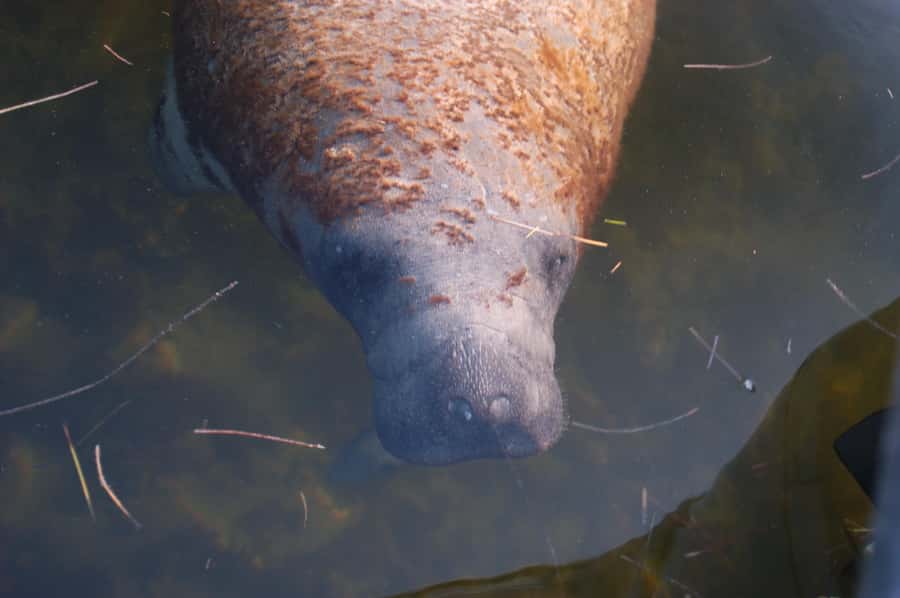
If your mental picture of the Everglades is wide open water and birds in the distance, this tour will gently rewrite that. The point here is that a lot of the Park is watery, flooded, and hard to access in a way that supports serious birdwatching. From that angle, two hours on a boat is not a gimmick. It’s a practical way to reach habitat that stays out of reach for most visitors.
I especially like that the tour focuses on the Park’s biology and ecology, not just scenery. The Everglades National Park was established mainly for its living systems and natural relationships. When your guide talks about how birds feed, how predators patrol, and why certain areas hold wildlife, you start seeing the place as a working system instead of a checklist.
And yes, you are there for wildlife. But the best part is that you’ll be able to connect what you see—wading birds, raptors, fish, and the occasional big mammal—to why that spot makes sense.
You can also read our reviews of more tours and experiences in Everglades National Park.
Your guide, the small-boat feel, and what that means for you
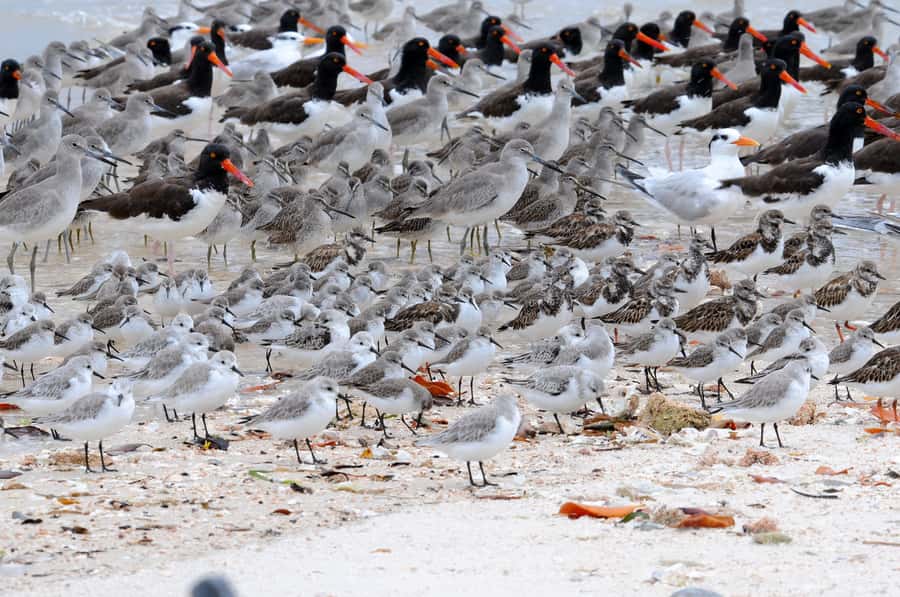
This is a six-passenger boat tour, and that matters more than it sounds. In a tiny group, you don’t spend the whole ride peering around shoulders. You actually get time to look, track motion, and follow the guide’s pointing. It also makes the wildlife scanning calmer. When the group is small, you’re less likely to surge forward every time something moves.
You’ll also travel with an expert naturalist guide who explains what you’re seeing in real time. Two names that came up in strong reviews were Dan and Capt. Don. Both were described as strong at explaining the ecosystem and helping people understand the plants and animal behavior around the boat route.
One practical note: this tour is not wheelchair suitable. If mobility is limited, you’ll want to look for an alternative format that matches your needs.
On the water: how the quiet powerboat reaches flooded birding zones
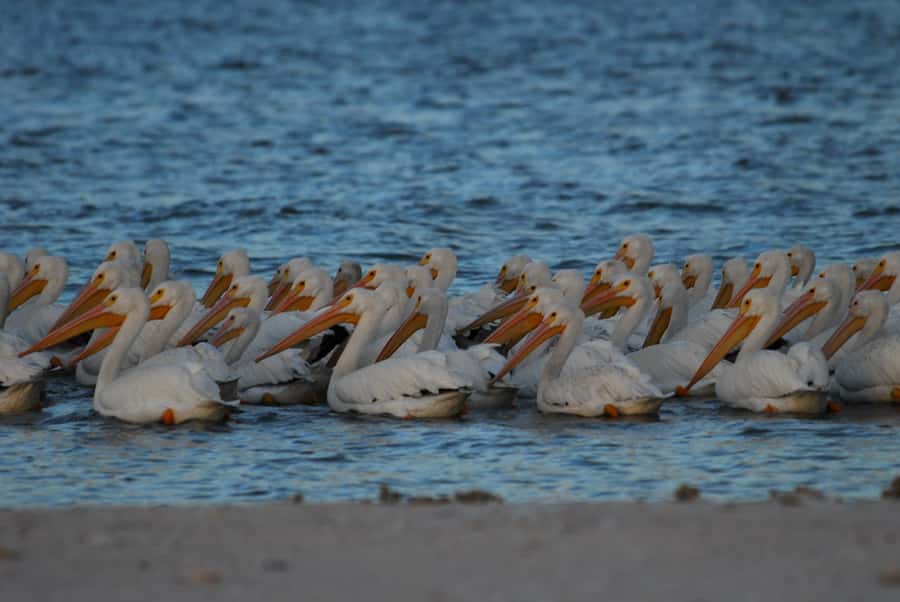
The tour runs on a quiet 6 passenger boat designed to avoid stressing wildlife. That matters in the Everglades. Animals are already doing their own thing—feeding, resting, nesting, moving with currents—and your job as a visitor is to observe without pushing them around.
From a birdwatching standpoint, the magic is the access. The Park holds over 300 species of birds across the year. But most of that happens in flooded terrain that is hard for the average visitor to reach. Boat access changes the game: you can reach areas that are essentially unreachable on foot, and you can get your eyes and binoculars onto the birds that live close to the waterline and edges.
What you’ll be doing during the ride
Expect a lot of scanning and stopping for moments when the guide thinks wildlife activity is most likely. You’ll be listening, too. The guide’s job isn’t just naming animals. It’s helping you understand how the ecosystem works in that specific habitat.
And there’s a very practical rhythm to it: look for movement first, confirm with the guide’s cues, then focus on the behavior. Are birds feeding? Are they roosting? Are they watching for fish? When you catch those patterns, you’ll get more out of every sighting.
Wildlife odds: what you might see (and how to think about it)
The tour description lists a solid menu of potential encounters, depending on the season and conditions. That list includes dolphins, manatees, sea turtles, and a wide range of wading and raptor birds—herons, egrets, ospreys, and eagles, plus pelicans and roseate spoonbills. You can also expect fish and shorebirds, which is important because so many birds are orbiting feeding opportunities.
Here’s the key mindset I think helps most: don’t treat wildlife sightings like a bingo card. Use them as clues. When you spot one animal group, you’re often seeing part of a bigger feeding network.
Dolphins, manatees, and turtles
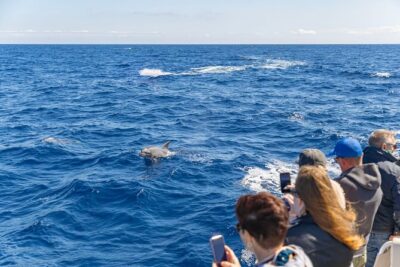
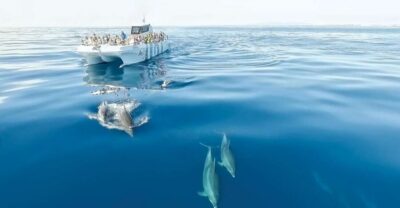
If you’re hoping for dolphins or manatees, keep your attention on water-level activity. Reviews included actual dolphin sightings and at least one manatee sighting, which is a great sign for the odds. Sea turtles are also in the seasonal possibilities, but they’re harder to predict, so plan to enjoy any calm, slow moment on the water—because that’s often when something surfaces.
Birds: herons, egrets, and the raptor sweep
For birds, you’ll likely see a mix of waders and raptors. Herons and egrets often show up in feeding areas along the water’s edge. Ospreys and other raptors are the “watch the sky and stay patient” part of the tour, and eagles can be part of the seasonal range as well.
Roseate spoonbills are especially exciting because they’re visual and distinctive. If you catch one, it helps to slow down and watch how it feeds—because that behavior is tied to the habitat the boat is moving through.
Mangroves and ecosystem talk: why the explanations improve your sightings
A lot of boat tours name animals and point at them. This one aims to help you understand the habitat behind the sighting.
In reviews, guides were praised for knowing mangroves and moving through them confidently. Mangroves are not just scenery. They’re nursery areas, feeding zones, and shelter—plus they shape how the water moves. If you’ve ever wondered why birds show up in certain patches and not others, mangrove habitat is often a big reason.
Dan and Capt. Don were also specifically noted for explaining the ecosystem and even sharing cultural context connected to the area, including the Colusa Indians who once inhabited the region. That kind of background turns your ride into more than wildlife watching. You’re seeing the Everglades as a place where life and people have been connected to the same natural patterns for a long time.
The hidden benefit: better photography and better birding
Even if you’re not a serious photographer, the explanations can still help you. When you understand what the birds are doing and why the guide chooses certain parts of the route, you stop wasting time scanning randomly. You start looking with purpose.
Price and value: is $110 per person fair for 2 hours?
At $110 per person for a 2-hour guided boat tour, the price is not cheap. But value is about what you’re buying: a quiet boat ride, expert naturalist guidance, and access to flooded, off-foot terrain.
Here’s why I think the cost can make sense:
- You’re paying for time on the water in a Park where land access is limited.
- The group is small, so the guide can work with you instead of talking at a crowd.
- The tour includes the guide and all safety equipment, which covers the essentials so you can focus on seeing wildlife.
Where value can feel weaker is if you’re only interested in one specific animal and you get an off day. Wildlife is never guaranteed. But the way this tour is built—birding focus plus ecosystem education—means even a quieter wildlife day can still feel worthwhile.
If you compare it to spending a full day driving and hiking while trying to guess where the birds will be, a focused two hours can be a bargain. You’re buying a plan.
What to bring (and what to plan for) so the ride feels easy
This tour is only two hours, so you don’t need an all-day packing list. Still, the basics matter because the Everglades sun can be relentless.
Bring:
- Sunglasses
- Sunscreen
- Water
- Hat
Plan for these not-inclusions:
- An Everglades National Park pass is not included
- Water is not included
- Hotel pickup and drop-off are not included
- Gratuities are not included
And one small reality check: you’re on a boat, not in a lodge. You’ll want to be comfortable standing or shifting your attention quickly as the guide calls out something worth looking at.
Also, the tour is in English, and it’s designed as a small-group experience. If you like asking questions and learning on the spot, this format is a good fit.
Best fit: who should book this dolphin and birding tour
I’d aim for this tour if you:
- Want to see wildlife but you don’t want to spend most of your day chasing parking lots and walking in flooded areas
- Love birds and want a guide to help you understand what you’re seeing
- Prefer a quieter experience on a small boat over a bigger, louder crowd
- Are traveling with family or mixed ages and want a tour that doesn’t drag
It’s also a good choice for first-time Everglades visitors who feel overwhelmed by the sheer size of the park. You’re getting a focused slice, guided by someone who knows the ecosystem and the habitat.
Should you book Everglades Area Tours’ Dolphin & Birding Boat Tour?
I’d book it if you want two hours with real wildlife potential plus real learning. The strongest reason to choose it is the combination of small-group boat access and expert naturalist interpretation. You’re not just looking for animals; you’re learning why the birds and mammals show up where they do.
Skip it only if you strongly need hotel pickup, wheelchair access, or a guaranteed sighting of a specific species. Wildlife timing is never in your hands, and the tour doesn’t try to promise certainty. But it does deliver the more useful thing: a guided way to watch, understand, and enjoy the Everglades ecosystem without fighting your way through flooded terrain on foot.
FAQ
How long is the Everglades Dolphin & Birding Boat Tour?
It lasts 2 hours.
What wildlife might I see during the tour?
The tour can include dolphins, manatees, sea turtles, and birds such as herons, egrets, ospreys, eagles, pelicans, and roseate spoonbills, with sightings depending on the season.
What’s included in the $110 price?
The included items are the guide and all safety equipment.
Do I need an Everglades National Park pass?
Yes. An Everglades National Park pass is not included.
Is hotel pickup or drop-off included?
No. Hotel pickup and drop-off are not included.
Is this tour wheelchair accessible?
No, it is not suitable for wheelchair users.
If you tell me when you’re going (month is enough) and whether your top goal is birds or marine mammals, I can suggest how to prioritize your expectations for that season.