REVIEW · EVERGLADES NATIONAL PARK
Two-Hour Everglades Dolphin, Manatee and Birding Boat Tour
Book on Viator →Operated by Everglades Area Tours · Bookable on Viator
You can do a lot in just two hours. This Everglades dolphin, manatee, and birding boat trip gets you into the 10,000 Islands for wildlife sightings and real local interpretation.
I love the small group size (up to six guests), which means you actually hear the guide and can ask questions. I also like how the route focuses on places most visitors don’t reach, where dolphins can swim close and birds work the shoreline.
One drawback to plan for: the boat is open-top with lots of sun, and there isn’t bottled water included—so you’ll want to pack accordingly.
In This Review
- Key things to know before you go
- Why a 2-hour dolphin and birding cruise works in the Everglades
- Small group rides in the 10,000 Islands (max six)
- What you can expect to see: dolphins, manatees, and birds
- How the Everglades National Park water shapes your trip
- Island time and shell collecting at low tide
- Price and what you’re really paying for
- What to pack: sun, cameras, and comfort basics
- Logistics that affect your day (and a couple of real-world gotchas)
- Who this tour fits best
- Should you book this dolphin, manatee and birding boat tour?
- FAQ
- How long is the Two-Hour Everglades Dolphin, Manatee and Birding Boat Tour?
- Where does the tour start?
- Is this tour a small group experience?
- What wildlife might I see on this tour?
- Is bottled water included?
- What should I bring with me?
- What language is the tour offered in?
- Are service animals allowed?
- What if the tour is canceled due to weather?
- Is there a refund if I need to cancel?
Key things to know before you go
- Maximum six guests keeps the boat feeling personal, not crowded.
- Open-top boat means strong sun exposure unless the weather cools things down.
- Wildlife is seasonal, so sightings of manatees, turtles, and dolphins depend on timing and conditions.
- Everglades National Park access takes you into flooded country that’s hard to reach on land.
- Island time and shell collecting can be a highlight when conditions line up.
- Guides bring local know-how, with people often naming specific captains for their effort to find wildlife.
Why a 2-hour dolphin and birding cruise works in the Everglades
The Everglades can feel huge and a bit confusing when you’re trying to fit it into a vacation schedule. This tour keeps it simple: get out on the water, learn what you’re seeing, and spend your time where animals actually use the habitat. It’s a smart move if you want a first taste of the park without committing to a full day of driving and walking.
What makes this one especially practical is its focus on the mix of ecosystems in the area—fresh water meeting salt water, mangroves giving way to shallow flats, and lots of bird activity year-round. You’re not just sightseeing from a distance. You’re learning how the water shapes the food chain, and how the shoreline becomes a stage for feeding and nesting.
The best part? Even if you’re not there for “the one big animal,” you still get value from the variety: dolphins and birds can be seen in different ways, and your guide can connect the dots between plants, water flow, and animal behavior.
You can also read our reviews of more tours and experiences in Everglades National Park.
Small group rides in the 10,000 Islands (max six)
This is not a mass-market boat tour. You’re limited to six travelers, so the guide can tailor the pace and pay attention to what each person cares about—whether that’s dolphins close to the boat, a certain bird species, or learning how the habitat works.
That small-group setup shows up in the way the tour feels. You’re not squeezed into tight rows or fighting for attention. Instead, it’s more like a guided outing with a working naturalist mind. People also rave about specific captains—names that come up include Captain Don McCumber, Captain Dan, Captain Glenn, and guides like Dan and Ray—because they put energy into finding wildlife and explaining what you’re seeing.
If you like asking questions mid-ride, this size makes it doable. And since the boat is set up for comfort, you can watch without feeling like you’re hunched over the rail the entire time.
What you can expect to see: dolphins, manatees, and birds
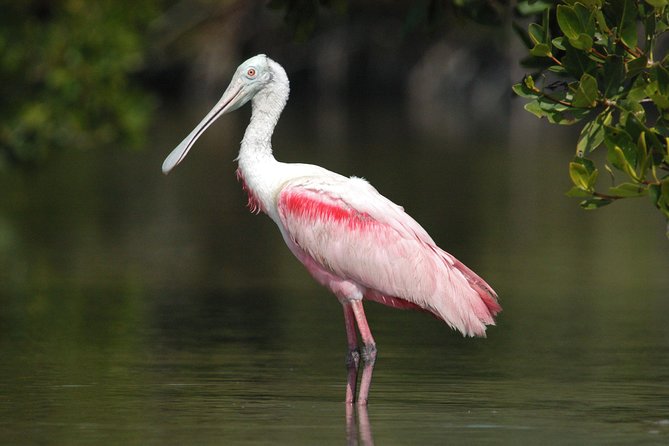
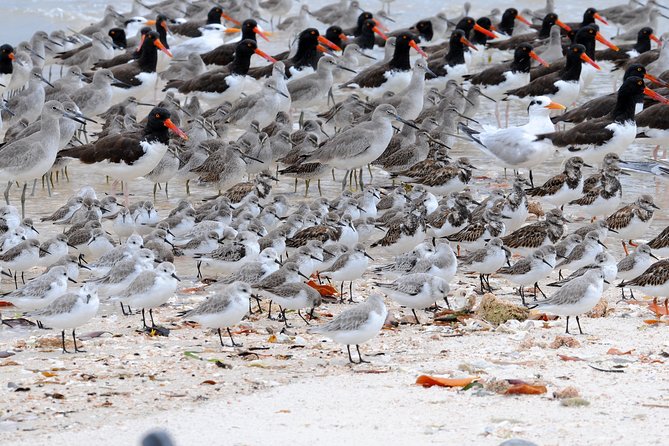
This tour is designed around wildlife. The Everglades area is a serious bird place—over the year there are more than 300 species—and your guide helps you spot what’s in front of you.
Depending on season and conditions, you might see:
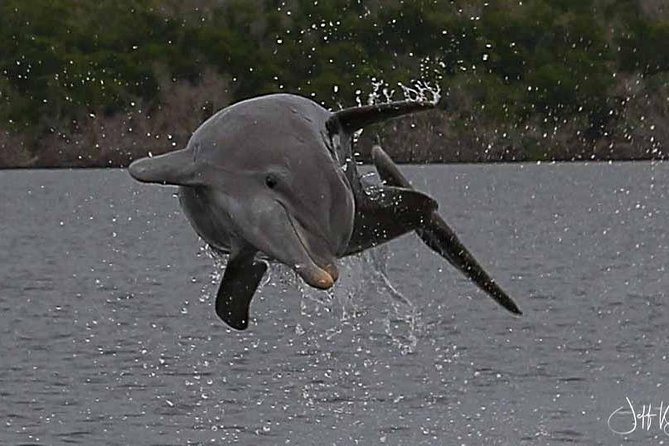
- Dolphins (including close-up behavior like riding along the boat’s wake)
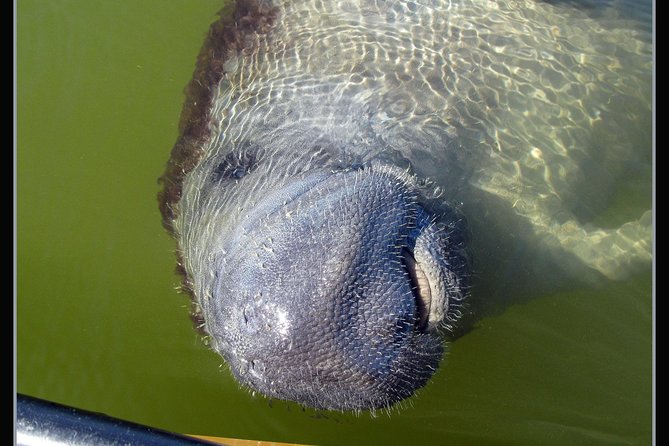
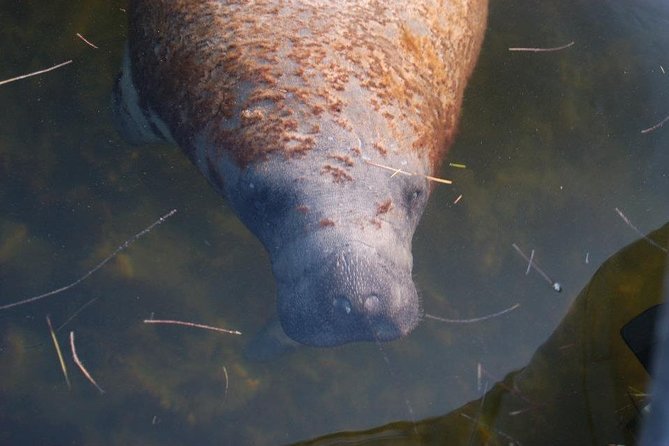
- Manatees (not guaranteed, but possible)
- Sea turtles
- Bald eagles and ospreys
- Herons, egrets, pelicans
- Roseate spoonbills
- Lots of fish and shore birds
Here’s the key point for your expectations: wildlife isn’t on a schedule. Even on a good day, animals decide when to show up. That’s why the guide’s skill matters. Captains often adjust routes and try different spots so you have more chances—especially for dolphins, which can be very close when they’re active.
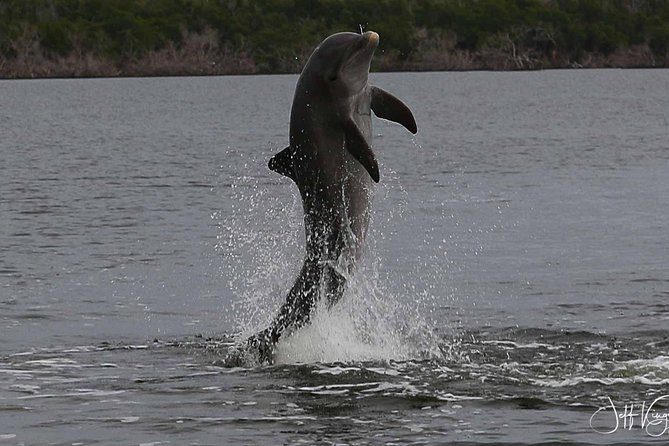
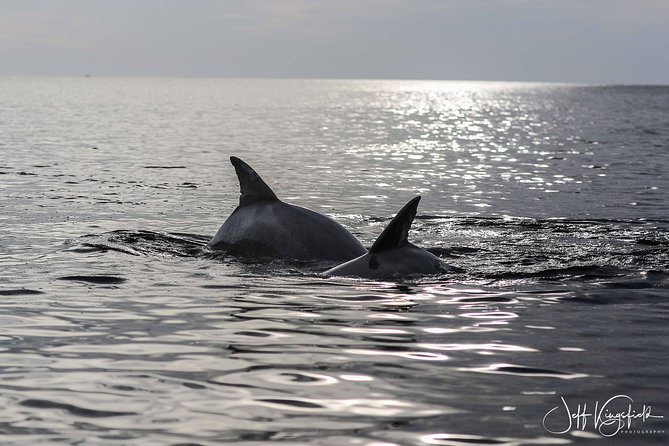
One of the most-loved moments is simply watching dolphins approach and travel with the boat—some trips end with dolphins swimming alongside or just behind, close enough that you can track their movements without binoculars. You might also get surprises like birds clustering on the shoreline or nesting activity in the mangroves.
How the Everglades National Park water shapes your trip
You’re taking a boat ride into Everglades National Park, but the important context is this: a large chunk of the park is flooded, and much of it is effectively out of reach for the average visitor on foot. The water is the access road, and that’s why a guided boat tour can feel like a cheat code.
You’ll spend time in the 10,000 Islands area, cruising mangroves and channels where wildlife uses the edge habitats. The guide’s narration typically focuses on ecosystems and the practical “why” behind what you see: how water depth changes feeding, how plants handle salt and fresh water differences, and how birds use the shoreline.
A couple of standout examples from the guide-style on this tour:
- You may hear very specific talk about how local trees handle salt exposure—some species adapt by changing how they handle salinity through their growth and structure.
- On shelling and shoreline stops, you might get details about horseshoe crabs (including how to distinguish male vs. female features) and how those creatures fit into the coastal food web.
- Some guides connect bird and animal behavior to the area’s longer story, including references to Calusa shell formations, which tie ecology to human history.
The practical takeaway for you: treat this as an education-by-doing trip. Your time on the water becomes the classroom.
Island time and shell collecting at low tide
One thing that keeps popping up as a favorite is the chance to step onto land—often an island or mangrove edge—where you can collect shells and look at small life up close. On the best-timed outings, you’re there around low tide, when shells are easier to spot and birds shift their behavior.
A few of the details that matter for your planning:
- Bring shoes that can handle wet sand and uneven ground.
- Have sun protection ready, even if the ride felt mild at the dock.
- If you’re hoping for shelling, understand it can be partly weather- and tide-driven—some days are better than others.
Even the “scenery breaks” tend to be useful. A shell-collecting stop isn’t just a souvenir moment; it helps you connect what you’re learning about the ecosystem to physical evidence—shorelines, marine leftovers, and how the habitat changes with tide.
And yes, dolphins and shelling can overlap. Some trips end with dolphins showing up late in the ride, just before you head back, which is why it’s worth staying fully focused until the end rather than mentally clocking out early.
Price and what you’re really paying for
At $109.95 per person for about two hours, this isn’t a “bargain cruise.” It is, however, one of the more value-heavy options when you care about quality guiding and access.
Here’s where the cost makes sense:
- You’re paying for a real guide, not just a driver. The narration is the product.
- You’re on a small boat with limited guests, which improves spotting and makes it easier to ask questions.
- You’re going into flooded regions that are hard to reach any other way—so the boat time is doing actual work, not just looping around a dock.
What you’ll want to budget for outside the ticket:
- Bottled water is not included, so bring your own or plan to purchase locally.
- Food is not part of the tour, so if you’re hungry after, you’ll likely want a nearby meal.
For value, my advice is simple: if dolphins, manatees, and birding are on your must-do list and you’re short on time, this tour gives you a concentrated hit of all three.
What to pack: sun, cameras, and comfort basics
This is an outdoor, sun-forward tour. The boat is set up with comfortable seating, but you should assume you’ll be exposed. I’d treat it like a full-on day of sun even if the ride is short.
Bring:
- Sunscreen and a hat
- Cameras (and if you have binoculars, you might appreciate them)
- Sunglasses and a light layer for wind
- Drinks (since bottled water isn’t included)
One practical tip: plan for the boat to be open to the elements. That means you’ll feel the wind and the sun quickly. If you’re someone who burns fast, you’ll have a better time if you protect yourself before you’re already out on the water.
Also, expect a likely changeable rhythm. Some trips adjust based on conditions, and guides often work to keep the wildlife search going rather than treating the itinerary like a script.
Logistics that affect your day (and a couple of real-world gotchas)
The meeting point is Parkway Motel & Marina, 1180 Chokoloskee Dr, Chokoloskee, FL 34138. The tour ends back at the same spot, so you’re not juggling transportation at the end of your wildlife chase.
A couple of real-world considerations:
- Open-top boat + sun: bring protection even in shoulder seasons.
- Restroom situation: there are toilets at the meeting point, but one review noted they were closed when guests returned. If you care about bathroom timing, go before you start.
- Water and snacks: water isn’t included, and there’s no guarantee you’ll have time to grab something on the way back.
Accessibility note: this tour involves climbing down to the boat and back up to the dock, and there’s no ramp mentioned for getting to the boat. If walking is difficult for you, this is worth thinking about early.
Who this tour fits best
This is a great fit if you:
- Have limited time in the area and want a guided introduction to the Everglades ecosystem.
- Want a dolphin-focused trip without sacrificing birding and local interpretation.
- Prefer small-group experiences where the guide can slow down and answer questions.
- Enjoy “active spotting”—watching wildlife behavior rather than only looking at scenery.
It’s also a solid choice for couples and families. The small group size keeps it calmer, and the shell-collecting moments can be especially fun for kids when conditions work out.
On the other hand, if wildlife sightings are your only goal and you’re expecting constant action, you should know the Everglades runs on animal behavior, not guaranteed results. Some days are quieter. Still, the guide’s explanation should help you “see” more even when wildlife pops less often.
Should you book this dolphin, manatee and birding boat tour?
I’d book it if you want a high-value, guided Everglades experience that packs a lot into two hours: small group, strong birding potential, and a real shot at seeing dolphins up close. The tour also shines if you enjoy learning—how water systems shape what lives there, why the park looks the way it does, and what animals do in the habitat.
Skip it if you’re extremely sensitive to sun exposure, you don’t want an open-boat experience, or you have mobility limitations that make climbing down to the dock difficult. In that case, look for a different format with easier boarding and more sheltered viewing.
If you do book, my best advice is to come prepared for the conditions and stay engaged through the full ride. That’s when dolphins (and great bird moments) often make the final show.
FAQ
How long is the Two-Hour Everglades Dolphin, Manatee and Birding Boat Tour?
The tour is about 2 hours.
Where does the tour start?
It starts at Parkway Motel & Marina, 1180 Chokoloskee Dr, Chokoloskee, FL 34138.
Is this tour a small group experience?
Yes. The tour has a maximum of 6 travelers.
What wildlife might I see on this tour?
Depending on the season and conditions, you may see dolphins, manatees, sea turtles, bald eagles, ospreys, herons, egrets, pelicans, roseate spoonbills, and other fish and shore birds.
Is bottled water included?
No. Bottled water is not included.
What should I bring with me?
Bring your camera, hat, sunscreen, and drinks.
What language is the tour offered in?
The tour is offered in English.
Are service animals allowed?
Yes, service animals are allowed.
What if the tour is canceled due to weather?
This experience requires good weather. If it’s canceled due to poor weather, you’ll be offered a different date or a full refund.
Is there a refund if I need to cancel?
Yes. Free cancellation is available up to 24 hours in advance for a full refund.