REVIEW · CHARLESTON
Folly Beach Dolphin Viewing Boat Excursion and Estuary Tour
Book on Viator →Operated by Castaway Island Excursions · Bookable on Viator
Dolphins plus Morris Island Lighthouse in 90 minutes.
This Folly Beach boat trip is a fun, hands-on eco estuary tour where you also get a close look at Morris Island Lighthouse. I like that it’s short enough to fit any Charleston plan, but still packs in real wildlife time.
I especially enjoy how the USCG-licensed captain and eco guide turn the marsh into something you can actually picture. On trips led by Captain Luke, the questions flow fast, and you learn what you’re seeing—whether it’s spartina grass, oysters, or the squishy stuff you step around on land.
The main thing to consider is weather. This is a good-weather outing, and if storms pop up quickly, the captain will adjust for safety.
In This Review
- Key Highlights Worth Marking on Your Map
- First Stop: Where Your Folly Beach Dolphin Tour Starts
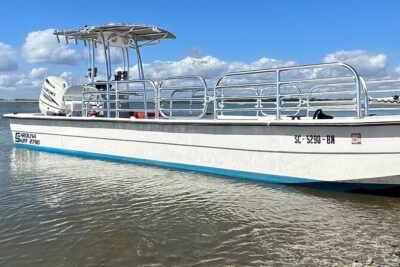
- Getting Comfortable on the 27′ Carolina Skiff
- Morris Island Lighthouse: The Photo Stop That Makes This Tour Feel Bigger
- Dolphin and Estuary Time: What You’ll Actually See
- Learning the Marsh: Spartina, Oysters, and Pluff Mud
- The Captain and Eco Guide Factor (Captain Luke, Captain Jodi, Captain Justin)
- How Long Is Enough? Why 1 Hour 30 Minutes Works
- Comfort, What’s Included, and What You Need to Bring
- Price and Value: Is $56 Worth It?
- Weather and Safety: What Happens If Conditions Change
- Who Should Book This Tour (and Who Might Not Love It)
- Should You Book This Folly Beach Dolphin Boat Tour?
- FAQ
- How long is the Folly Beach dolphin viewing boat excursion and estuary tour?
- How much does the tour cost?
- Is the tour offered in English?
- Where does the tour start?
- What is the group size limit?
- What is included in the price?
- Are drinks, snacks, sunscreen, or bug spray included?
- Is there a restroom available?
- What is the cancellation and weather policy?
Key Highlights Worth Marking on Your Map
- Morris Island Lighthouse photo stop with time to watch waves and frame shots
- Small group (max 12) for a calmer, more personal feel on the water
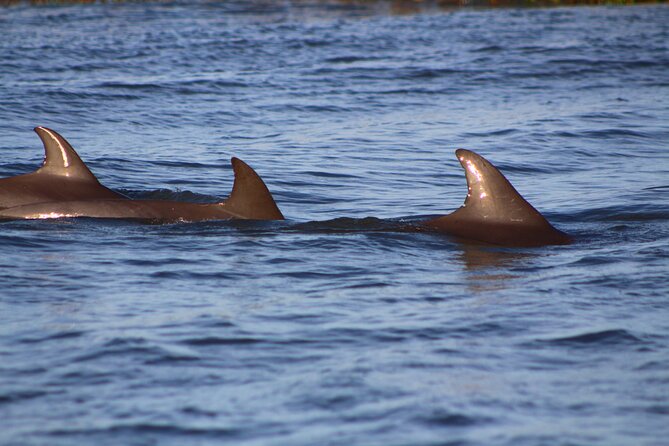
- Dolphin spotting time built into a 1 hour 30 minute route
- Estuary lessons on the go like spartina grass, oysters, and pluff mud
- USCG-licensed captain plus eco guide—ask questions as you ride
- Comfort basics included: cushioned benches, cooler with ice, and parking at the start
First Stop: Where Your Folly Beach Dolphin Tour Starts
You’ll meet at 2223 Folly Rd, Charleston, SC 29412, and the tour ends right back where you started. The location is easy to find, with ample parking, so you’re not doing mental gymnastics with downtown traffic.
Expect a mobile ticket, and since the tour is offered in English, it’s straightforward to follow along. This is also the kind of trip that books up earlier than you’d think—about 15 days in advance on average, so I’d aim to lock in your spot before you get too deep into planning other activities.
On arrival, you’ll handle the simple check-in and get sorted for boarding. The boat itself is a 27′ Carolina Skiff with cushioned bench seating, which matters because you’re on the water long enough to feel every jostle in a bare-bones setup.
You can also read our reviews of more tours and experiences in Charleston.


Getting Comfortable on the 27′ Carolina Skiff
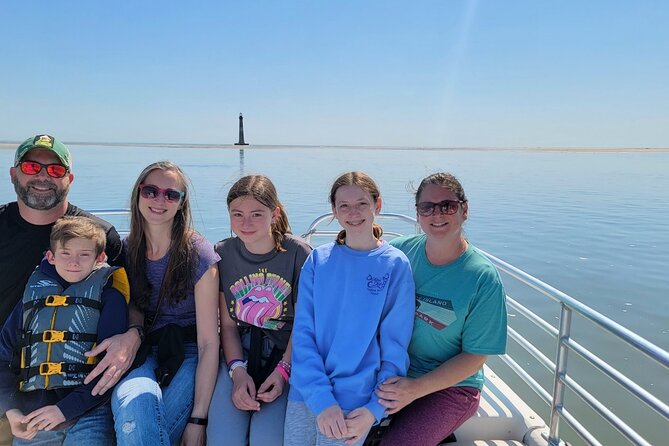
Boat size is a big deal on dolphin tours. This one caps at 12 travelers, so you’re not packed in like a floating commuter bus. That extra breathing room helps you see better and it makes the captain’s explanations easier to hear.
The cushioned benches are a practical upgrade, especially if you’re with kids or you’re not a fan of “sit stiff for 90 minutes” vacations. There’s also a cooler full of ice, so you can keep your own drinks chilled (since drinks and snacks aren’t included).
One comfort detail that’s easy to overlook: restroom facilities are at the departing location. So use the restroom before you board, then focus on the fun. If you’re the kind of person who hates “quick pit stops,” you’ll appreciate having it settled early.
Morris Island Lighthouse: The Photo Stop That Makes This Tour Feel Bigger
The signature “bonus” here is the up-close look at Morris Island Lighthouse. You’re not just cruising past it from a distance—you get close enough for meaningful photos, and there’s plenty of time to take shots without feeling rushed.
Why this is such a good value: dolphin tours can sometimes feel like a waiting game. Adding a lighthouse stop gives you a sure win even if the dolphin action is slow that day. The lighthouse also gives you a different kind of view—more still, more dramatic, and perfect for wide-angle photos.
Practical tip: bring a phone strap or secure your camera. On open water, the quick turns the captain makes to chase sightings can move gear. And since you’ve got time for photos, you’ll want your hands free.
Dolphin and Estuary Time: What You’ll Actually See
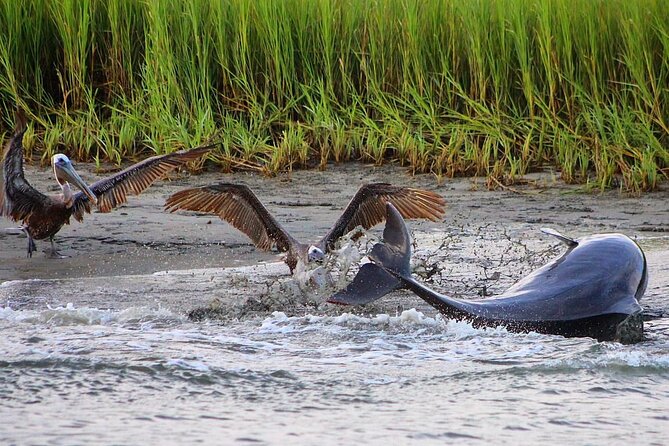
This tour is built around the marsh and the estuary. Translation: you’re not just looking for dolphins in the abstract—you’re learning where they live and why the water looks the way it does.
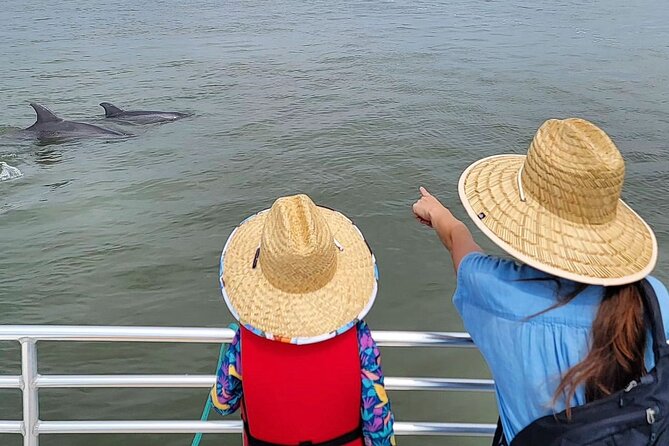
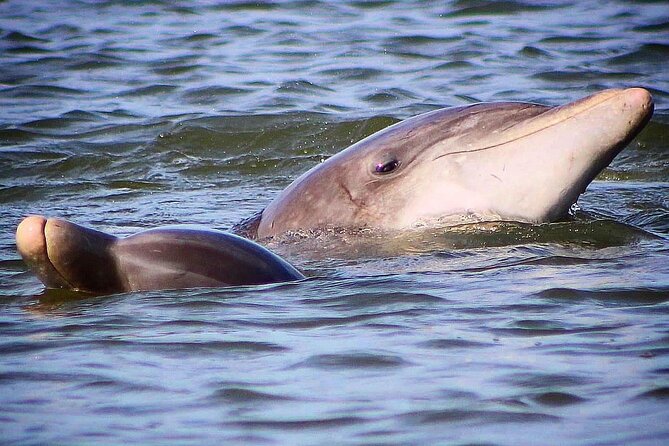
During the trip, you can expect stop-and-go movement through creeks and marsh areas, timed to where marine life is active. Many outings include frequent dolphin sightings, including times when people spot babies. I can’t promise counts on any wildlife tour, but the pattern here is clear: when the captain finds dolphin activity, you’ll get time near them rather than a rushed glance.
Wildlife variety is part of the appeal. Along with dolphins, people have reported spotting loggerhead sea turtles and otters, plus bird activity like herons hunting in the shallows. Even if dolphins are fewer on a particular day, the estuary itself doesn’t feel empty.
Learning the Marsh: Spartina, Oysters, and Pluff Mud
What I like most about this tour is the “I get it now” effect. You’re shown things like spartina grass (the kind of plant that helps stabilize marsh edges), and you’ll learn how oysters connect to the ecosystem. You’ll also hear about pluff mud—the famous lowcountry muck that sounds funny until you see how it works.
This is the kind of information that changes how you look out at the water. Instead of seeing generic “wetland,” you start noticing patterns: where shoreline vegetation forms, how water moves around oyster beds, and why certain spots tend to attract wildlife.
On boats with strong guiding, questions turn into part of the fun. This tour encourages you to pick the captain’s brain, and the best moments are when the captain is answering real-time sightings—like pointing out what you’re watching and what it means for where dolphins might travel next.

The Captain and Eco Guide Factor (Captain Luke, Captain Jodi, Captain Justin)
You’re not just buying a seat. You’re getting a real crew.
Across the experience, USCG-licensed captains and eco guides run the show. In particular, Captain Luke appears in many great outings, with guests praising how he keeps the trip energetic while still teaching you what you’re looking at. Captain Justin has also been noted for strong local interpretation and passion for the environment.
If you’re the type who likes to understand the “how” and “why,” this matters. Dolphin viewing is unpredictable. A captain who reads the water well makes the ride better even on the days when sightings are fewer.
And on the safety side, Captain Jodi was praised for getting people back safely when weather came up quickly. That’s a relief if you’re traveling with kids, elders, or anyone who hates uncertainty.
How Long Is Enough? Why 1 Hour 30 Minutes Works
Ninety minutes is the sweet spot for this kind of outing. Long enough to settle in, get your eyes on wildlife, and enjoy the lighthouse stop. Short enough that it doesn’t hijack your whole afternoon.
If you’re building a Charleston itinerary, this works like a plug-in block: you can pair it with beach time, lunch, or nearby attractions without sweating timing. Many people also choose sunset-style departures because that’s when the sky turns photogenic and the water looks calmer.
Even if you’re not a sunset person, there’s still plenty to enjoy. The lighthouse time and the marsh ecology lessons give you two “streams” of interest, so you don’t feel like you’re stuck waiting for one thing.
Comfort, What’s Included, and What You Need to Bring
Here’s the practical breakdown of what’s included:
- USCG licensed captain and eco guide
- 27′ Carolina Skiff with cushioned bench seating
- Cooler full of ice
- Restroom facilities at the departing location
- Ample parking
- Mobile ticket
- English-language experience
Not included means you should plan ahead:
- Drinks or snacks
- Sunscreen or bug spray
That “not included” list is worth treating like a checklist. Charleston sun can be intense, and marsh trips mean you’ll want bug protection. Bring both, even if the forecast looks mild.
One extra tip from the area: there’s said to be a small bar near the dock where you can grab drinks to-go, and people have taken them onto the boat. If you want a casual treat, that can be an easy add-on.
Also, consider what you’ll wear and store. Bring a cap, sunglasses, and something that can handle salt spray. A lightweight bag helps keep your phone safe when the captain makes quick turns.
Price and Value: Is $56 Worth It?
At $56 per person, this tour is priced like an affordable “do something outdoors” day. The value comes from a few things that add up in real dollars:
- You get a licensed captain and an eco guide, not just a driver.
- You’re on a real skiff with cushioned seating and a cooler with ice.
- You also get the Morris Island Lighthouse stop, which expands the experience beyond “just dolphins.”
Most importantly, the small group size helps you feel the time. A crowded boat makes wildlife viewing harder and it makes explanations feel rushed. Here, the setup supports better viewing and more meaningful conversation.
If you’re budgeting for one active nature thing in the Charleston area, this is one of the more straightforward choices: you trade a small amount of time (about 90 minutes) for a strong mix of scenery, wildlife, and local know-how.
Weather and Safety: What Happens If Conditions Change
This experience requires good weather. That’s not a scare tactic—it’s how lowcountry water trips work. Wind, storms, and sudden weather shifts can change what’s safe and what’s possible.
In at least one situation, a storm came up quickly and the captain turned back safely, with a partial reimbursement offered. The key takeaway for your planning: keep some flexibility in your day, and don’t schedule this as the only activity you can’t move.
If weather forces cancellation due to poor conditions, you’ll be offered a different date or a full refund. That flexibility is useful when you’re trying to keep your Charleston trip smooth.
Who Should Book This Tour (and Who Might Not Love It)
This tour is a great match if you want:
- Dolphin viewing with a captain who actively looks for sightings
- A short, fun outing that doesn’t eat your whole day
- Nature learning you can actually use, like marsh ecology and why certain spots matter
- A small-group experience with room to move and ask questions
It may not be the best fit if you need a guaranteed dolphin sighting. Wildlife routes can’t promise perfect outcomes. But if you’re the type who enjoys the journey as much as the payoff, the estuary setting and lighthouse stop help ensure you still get a strong trip.
Kids often do well here too, because the timing is short and the guide-captain storytelling turns the ride into something memorable instead of “just waiting.”
Should You Book This Folly Beach Dolphin Boat Tour?
I think you should book it if you want a 90-minute mix of dolphins, marsh education, and an actual scenic anchor in Morris Island Lighthouse. The small group size, ice-cooler comfort, and the fact that a USCG-licensed captain runs the route make it feel like a serious outing, not a casual half-hour cruise.
I’d pass if you hate any chance of weather disruption or you’re only satisfied by a guaranteed dolphin count. Still, even then, the lighthouse photo stop and estuary learning give you a reason to feel good about the time.
If you’re visiting Charleston and want one boat excursion that’s practical, educational, and genuinely fun, this is a solid bet.
FAQ
How long is the Folly Beach dolphin viewing boat excursion and estuary tour?
The tour runs for about 1 hour 30 minutes.
How much does the tour cost?
The price is $56.00 per person.
Is the tour offered in English?
Yes. The experience is offered in English.
Where does the tour start?
The meeting point is 2223 Folly Rd, Charleston, SC 29412, USA.
What is the group size limit?
The tour has a maximum of 12 travelers.
What is included in the price?
The tour includes a USCG licensed captain and eco guide, a 27′ Carolina Skiff with cushioned bench seating, a cooler full of ice, restroom facilities at the departing location, and ample parking.
Are drinks, snacks, sunscreen, or bug spray included?
No. Drinks or snacks are not included, and you should bring sunscreen and bug spray.
Is there a restroom available?
Yes, there are restroom facilities at the departing location.
What is the cancellation and weather policy?
You can cancel for a full refund up to 24 hours in advance. The experience requires good weather; if it’s canceled due to poor weather, you’ll be offered a different date or a full refund.