REVIEW · FLORIDA
Fort Pierce: 4-hr Mangroves & Dolphin Watch Sandbar in FL
Book on GetYourGuide →Operated by Rivers to Ocean Kayaking · Bookable on GetYourGuide
A mangrove kayak ride feels like stepping into a secret world. In Fort Pierce, this 4-hour trip blends calm paddling with wildlife watching, then adds a sandbar break when the tide cooperates. You’ll cruise a Florida lagoon tied to the Treasure Coast, learn how mangroves support fish and birds, and keep an eye out for dolphins and manatees.
What I really like here is the wildlife-and-ecology focus and how hands-on it feels near the mangroves themselves. I also love that the return uses an electric propulsion motor, so you can enjoy the scenery without turning the whole outing into a workout.
One consideration: the best sandbar time depends on tidal conditions, so you’ll want to be flexible. It’s also not a great match if you have medical limits related to respiratory, heart, or back issues, or you’re currently dealing with a cold.
In This Review
- Key things you’ll notice on this Fort Pierce kayak trip
- Pepper Beach Park launch: getting on the water without stress
- The 4-mile route: 2 miles of paddling, 2 miles with electric help
- Mangrove island time: where the “real” ecosystem action happens
- Wildlife spotting in calm lagoon waters (and what to do when you see movement)
- Sandbar break: relax, wade, swim, and keep your eyes open
- Price and value: is $89 a good deal for 4 hours?
- What to bring (so you don’t regret it halfway through)
- Who should book this mangroves and dolphin watch kayak tour?
- Quick logistics that can matter more than you think
- Should you book it or skip it?
- FAQ
- How long is the Fort Pierce Mangroves & Dolphin Watch Sandbar tour?
- How much does the tour cost?
- Where does the kayaking tour start?
- What’s included in the price?
- Is food or drinks included?
- Will you be able to wade or swim at the sandbar?
- What wildlife might you see?
- How much paddling do you do?
- Are there any participant limits or safety rules?
Key things you’ll notice on this Fort Pierce kayak trip
- Small group size (8 max) makes it easier for your guide to steer you to good wildlife spots.
- Two miles of paddling plus two miles with an electric motor keeps effort reasonable while still giving you full kayaking time.
- Mangrove island time lets you get up close to the trees, plants, and sea birds.
- Sandbar break (when tides allow) gives you a real pause for wading, swimming, or just relaxing on your kayak.
- Stingrays, eagle rays, dolphins, and manatees are on the wildlife checklist, so your eyes stay busy.
Pepper Beach Park launch: getting on the water without stress
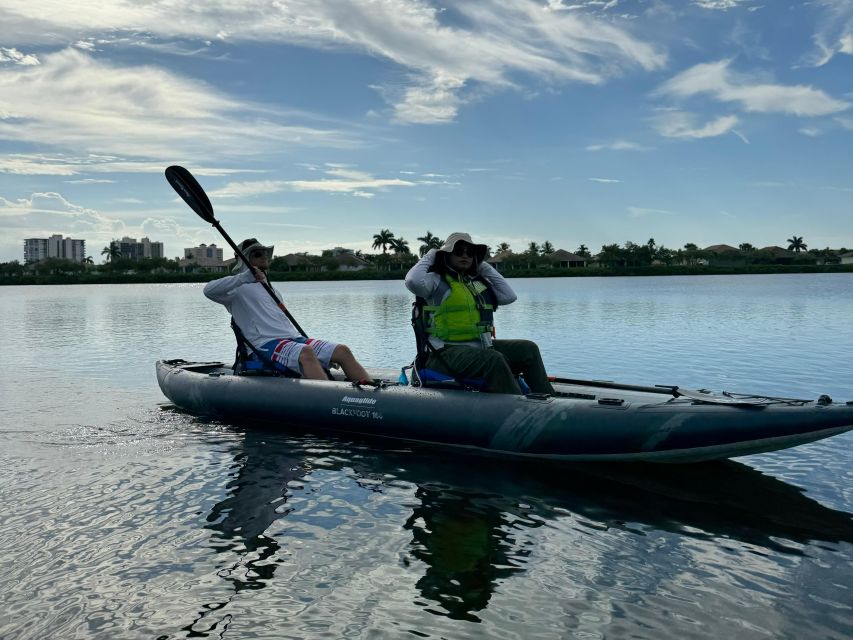
Your trip starts at Pepper Beach Park Riverside Kayak Launch. The pull-through main lot is the one to aim for, then you drive down past the restroom facility. This launch is across the road from the Navy Seal Museum, which makes it easier to orient yourself when you’re arriving in Fort Pierce. If you use the what3words app, the reference is ///elects.kayak.peacekeeping.
Once you arrive, the vibe is straightforward: suit up, get your gear sorted, and get ready for a lagoon ride. The kayaking setup is designed with comfort in mind. You’ll use a 13- or 16-foot kayak with lots of room for children, plus an elevated high back support chair(s). That high back support matters more than you’d think on a 4-hour outing, especially if you’re balancing, looking around, and trying to keep a steady pace.
You also get the basics that make a day on the water easier: a life vest and dry bags, plus lightweight carbon fiber paddles (about 28 ounces). The dry bag is your friend for keeping your phone and camera safer, and it also helps you stay calm instead of constantly worrying about spray.
You can also read our reviews of more tours and experiences in Florida.
The 4-mile route: 2 miles of paddling, 2 miles with electric help
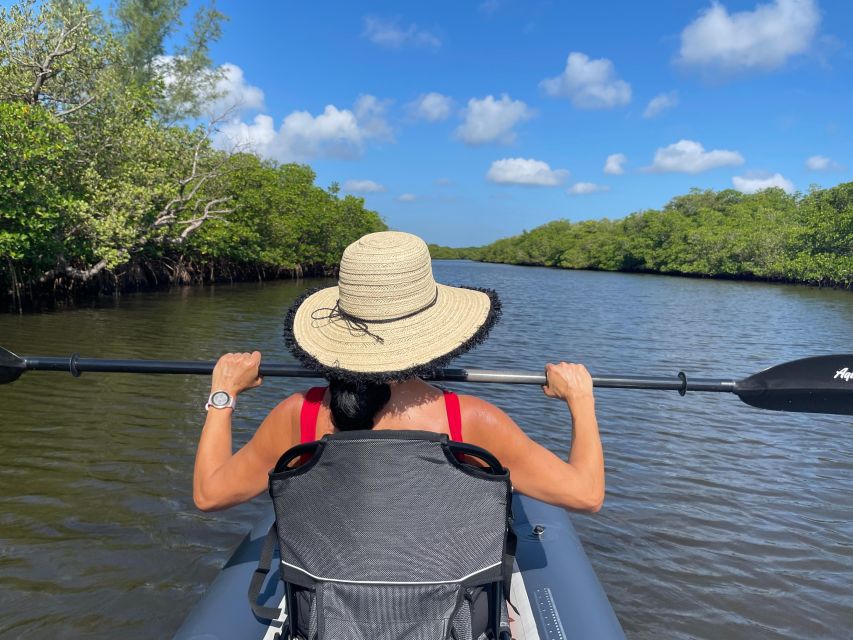
The core of this experience is a 4-mile kayaking adventure in a Florida Treasure Coast lagoon system. The route is split into two different energy styles, and that changes how you experience the day.
First comes about 2 miles of paddling in calm waters. This is when you’ll feel most connected to the mangroves, because your speed is slow enough to watch birds land, check the waterline for fish activity, and follow your guide’s instructions on where to look.
Then the trip shifts to about 2 miles using an electric propulsion motor for the return. Your guide installs the electric motor for the return trip, which is a smart design for a mixed group. It helps you save energy for the moments you’ll want to be alert—like scanning for dolphins and manatees near the sandbar area or catching movement around the mangrove edges.
Why this matters for you: if you’ve done paddling trips where you’re worn out before the wildlife shows up, this structure helps prevent that. You still paddle, but you don’t have to treat the entire outing like a fitness test.
Mangrove island time: where the “real” ecosystem action happens
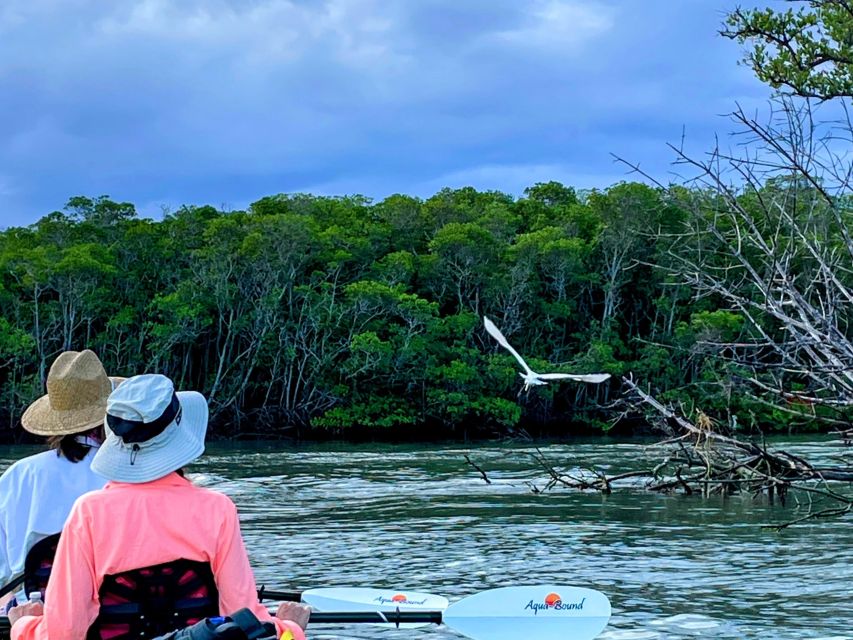
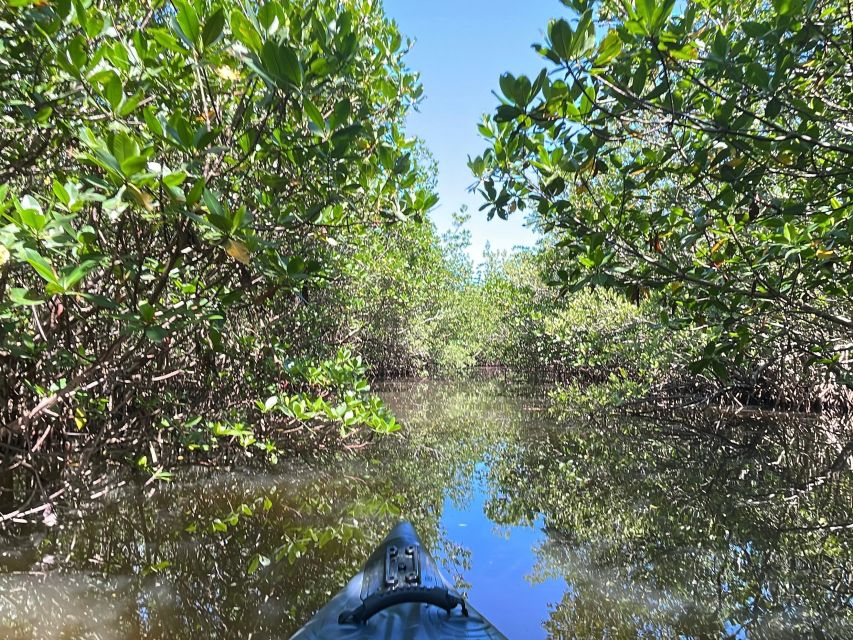
The highlight isn’t just seeing mangroves from a distance—it’s getting close enough to notice the details that make mangrove habitat so important. You’ll glide across the lagoon toward a mangrove island, guided to the best spots. Expect time around the trees and plants, plus sea birds and marine life.
This part is valuable because mangroves do a lot of work for the coastal ecosystem. The trees act like living shoreline protection, and they create shelter and feeding areas for small marine life. In plain terms: the mangroves aren’t scenery. They’re a nursery and a filter system for the water life you’re here to spot.
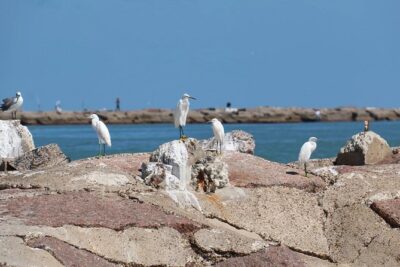
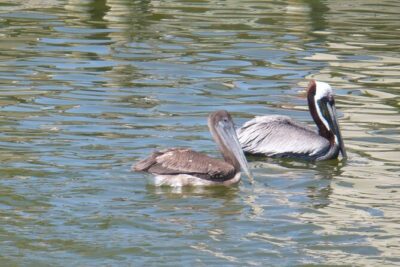
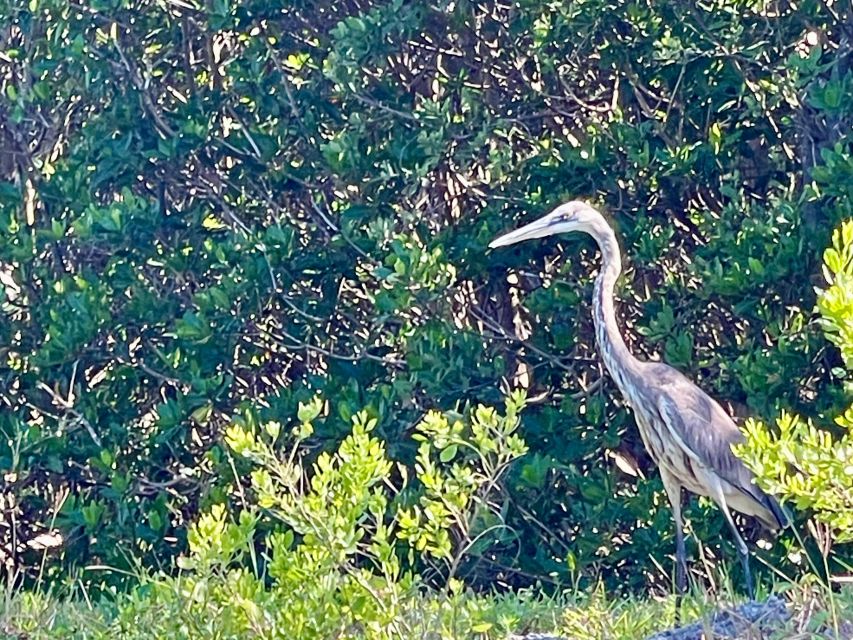
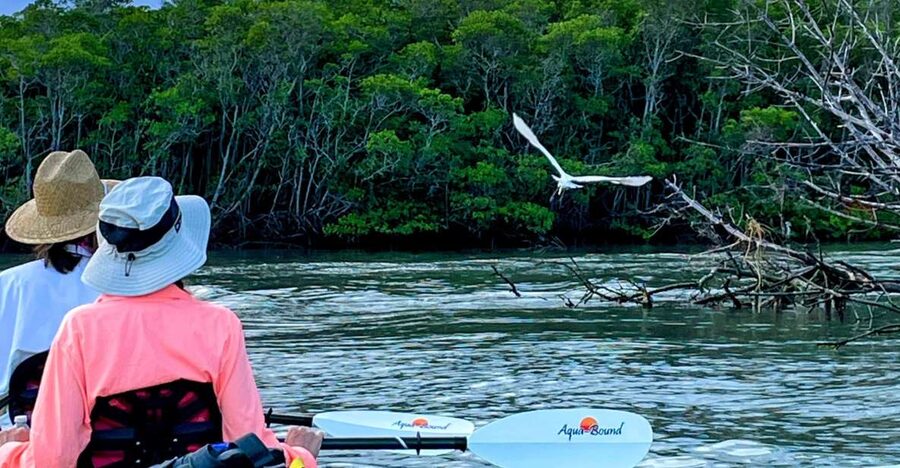
As you paddle in the mangrove maze, keep your eyes open for birds. Your guide will help you watch for snowy egrets and great egrets, along with pelicans and ibises. You may also spot fish in the water and other marine creatures depending on conditions. The key is the slow pace and the guided “look here” moments, which is how you turn a casual paddle into a nature-focused trip.
A small practical tip: bring binoculars if you have them. The tour encourages them, and in a mangrove setting, distance can vary a lot. Binoculars help you confirm bird species and track movement without constantly moving your kayak position.
Wildlife spotting in calm lagoon waters (and what to do when you see movement)
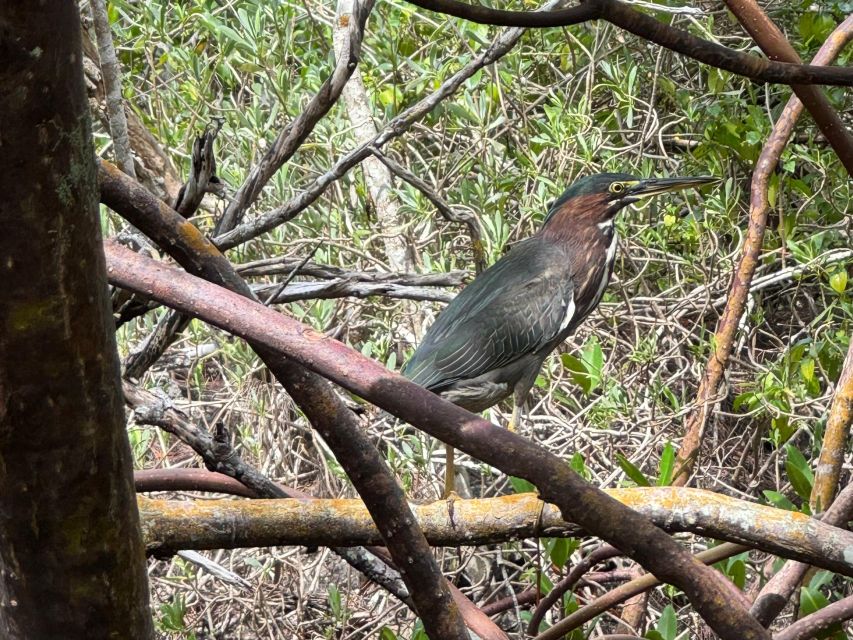
This tour is built for spotting wildlife in a quiet environment. You’re moving through calm waters, which means you’re more likely to notice subtle behavior—birds hovering, fish surfacing, and larger animals surfacing farther out.
Here’s the kind of wildlife you’re specifically looking for:
- Snowy egrets and great egrets
- Pelicans and ibises
- Various fish
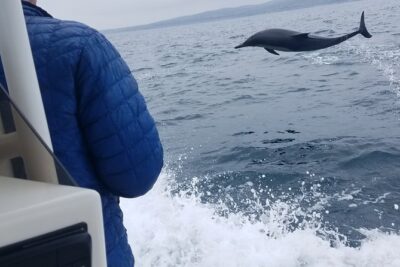
- Dolphins and manatees (watch for them in their natural environment)
Your guide also points you toward the best spots, which is huge. In a mangrove lagoon, you can’t always tell what’s worth watching from far away, and a guide’s local pattern recognition saves you from drifting into random areas.
When you spot something interesting, do two things: stay steady and keep scanning. A lot of the fun here is watching animals do what they do—feeding, traveling, or pausing near cover. If you keep changing position, you risk spooking the activity you’re trying to observe.
Also, don’t ignore birds. In mangrove systems, birds often signal what’s happening below. If you see herons or egrets working an area, it can be a clue that fish are present.
Sandbar break: relax, wade, swim, and keep your eyes open
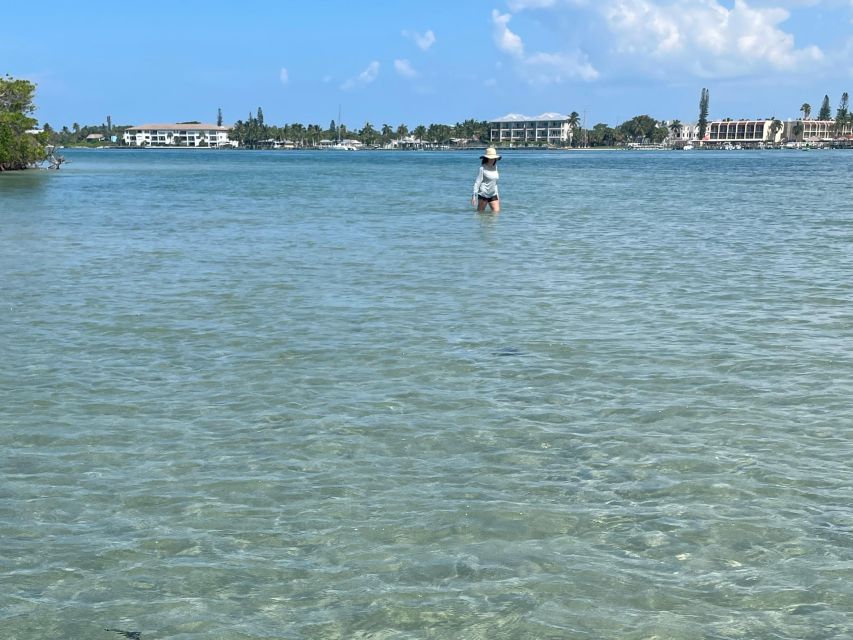
After the mangrove portion, you’ll head to a sandbar in the heart of the lagoon. This is the moment that gives the trip its “vacation” feel. Your break options depend on tide: if tidal conditions are favorable, you can swim or wade, or you can simply relax on your kayak.
What makes the sandbar time work is that it’s not just a random stop. It’s tied to where wildlife often gathers. While you’re taking that pause, keep watch for stingrays and eagle rays, plus dolphins that often frequent the area. Your chances also connect back to the broader wildlife focus of the trip, including the chance to see manatees.
A practical approach if you plan to wade or swim: wear water shoes. The tour specifically recommends them, and they help you move safely without stressing about slippery spots or unknown bottoms. If you’re the kind of person who hates stopping to dig around for gear, pack a swim kit and change clothes in advance so you can enjoy the break.
And yes—camera time matters here. The sandbar is usually where you’ll get your clearest, most relaxed wildlife viewing, since you’re not paddling and can focus.

Price and value: is $89 a good deal for 4 hours?
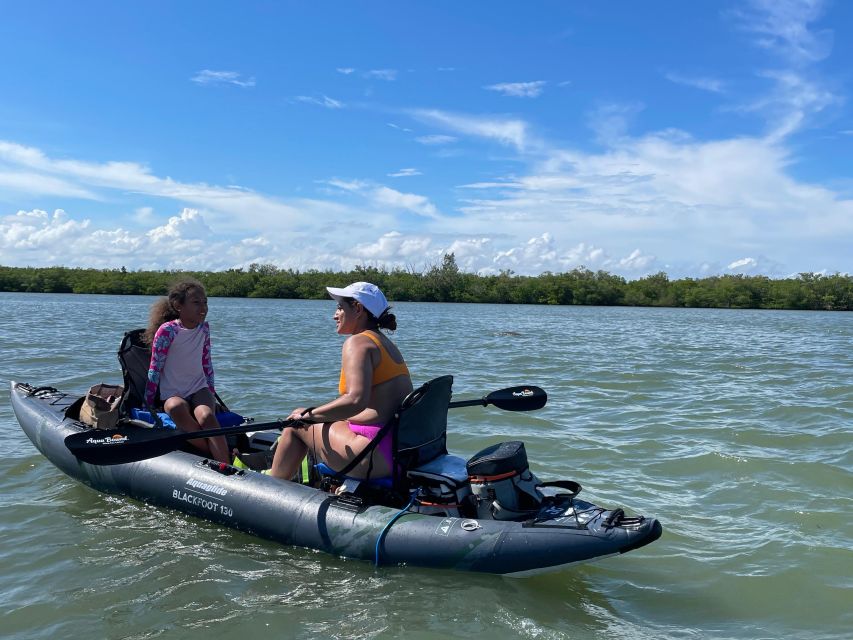
At $89 per person for a 4-hour tour, you’re paying for more than “just kayaking.” You’re paying for a guided wildlife-and-ecosystem experience plus premium equipment and electric assistance.
Here’s how that value shows up in real life:
- The equipment is already covered: 13- or 16-foot kayaks, life vests, dry bags, and carbon fiber paddles (about 28 ounces).
- There’s comfort built in with the elevated high back support chairs, which can make long seating easier.
- The electric propulsion motor reduces fatigue on the return, so you get more time to look at wildlife instead of just powering through.
- You’re in a small group (limited to 8 participants), which usually means less “crowd noise” and more guided attention.
The one thing not included is food and drinks. That matters because a 4-hour outing can create real hunger, especially if you’re out in Florida sun. If you want to feel satisfied after, plan to bring snacks and water so the trip stays comfortable.
So, is it worth it? For the mix of mangrove education, wildlife time, and the motor-assisted return, I think it’s a fair price. It’s not a budget bargain, but it’s also not overpriced for what’s included.
What to bring (so you don’t regret it halfway through)
If you want the day to feel smooth, pack like you’re doing a water-and-wildlife outing, not a casual walk.
Bring:
- Food and drinks (not included)
- Water
- Insect repellent
- Biodegradable sunscreen
- Camera
- Binoculars (recommended)
- Breathable clothing
- Sunglasses
- Hat
- Swimwear
- Change of clothes
- Water shoes
- Passport or ID card
- Cash
A smart trick: keep essentials accessible. You’ll want sunscreen and insect repellent ready before you’re far from the launch. Also, sunglasses and a hat help a lot when you’re staring outward for birds and water movement.
And if you’re planning to wade or swim at the sandbar, treat swimwear and water shoes as non-negotiable comfort items.
Who should book this mangroves and dolphin watch kayak tour?
This is a great fit if you want:
- A nature-focused paddle in calm lagoon waters
- A chance to see birds and marine life in a mangrove ecosystem
- Guided help finding wildlife spots
- A manageable day on the water thanks to the electric motor on the return
It’s especially good for families and mixed groups because the kayaks are set up with children in mind (lots of room, and stability features like the high back support). That said, there’s a safety rule you must follow: you need a 1 adult to 1 child ratio on the reservation (for example, 2 children need 2 adults, 3 need 3, and the system won’t allow more children than adults). Build that into your planning.
It’s not a good match for people with respiratory issues, heart problems, back problems, pre-existing medical conditions, or if you currently have a cold. If any of those apply, it’s worth considering a different type of outing.
Quick logistics that can matter more than you think
The tour is 4 hours total, and it’s run with a live English-speaking guide. It also notes wheelchair accessibility, which can be a big deciding factor for mobility planning.
Small group size is limited to 8 participants, so you’re not shoved into a long line of kayaks. That typically makes it easier for the guide to stop, explain, and shift you to the better viewing zones.
Weather and tide can affect your experience, especially the sandbar option. Since the sandbar wade/swim depends on tidal conditions, don’t plan this as a guaranteed swimming stop. Plan to enjoy it even if you’re just relaxing on the kayak.
Should you book it or skip it?
I’d book this if you want a guided mangrove ecosystem experience in the Fort Pierce area, with a real chance to spot dolphins and manatees and a sandbar break when conditions allow. The best part is the balance: you get meaningful paddling time, plus electric help so the day stays enjoyable.
I’d skip it if you’re looking for a fast, high-energy paddle-only workout, or if medical conditions might make this type of water outing unsafe. And if you’re extremely tied to swimming on the sandbar, treat it as conditional—tides decide that piece.
If you come prepared with water, snacks, insect repellent, and water shoes, you’ll be set up for a day that feels natural, calm, and genuinely focused on the coastal life around Fort Pierce.
FAQ
How long is the Fort Pierce Mangroves & Dolphin Watch Sandbar tour?
The tour lasts 4 hours.
How much does the tour cost?
It costs $89 per person.
Where does the kayaking tour start?
It starts at Pepper Beach Park Riverside Kayak Launch. It’s across the road from the Navy Seal Museum.
What’s included in the price?
You get premium kayaking equipment including a 13- or 16-foot kayak, elevated high back support chair(s), carbon fiber paddles, a life vest, and dry bags, plus a live English-speaking guide.
Is food or drinks included?
No. Food and drinks are not included.
Will you be able to wade or swim at the sandbar?
That depends on tidal conditions. If conditions are favorable, you can swim or wade.
What wildlife might you see?
You’ll be watching for snowy egrets, great egrets, pelicans, ibises, various fish, and you’ll also look for dolphins and manatees. Stingrays and eagle rays may also be present around the sandbar area.
How much paddling do you do?
The route is 4 miles total: about 2 miles of paddling and about 2 miles using an electric propulsion motor.
Are there any participant limits or safety rules?
The group is limited to 8 participants. There’s also a safety ratio rule: reservations must have 1 adult per child, and the system won’t allow more children than adults. The activity is not suitable for people with certain medical conditions listed by the provider.