REVIEW · FLORIDA
4-Hour Mangrove Island and Dolphin Watch Sandbar in Fort Pierce
Book on Viator →Operated by Rivers to Ocean Kayaking · Bookable on Viator
Mangroves and dolphins in one calm paddle. You glide through a mangrove lagoon with guides Mark and Fabia explaining the ecosystem, and you get a sandbar pause for wading or relaxing while dolphins cruise nearby. One heads-up: sandbar swimming depends on the day’s weather and tides.
I like the pacing here. It’s a 4-hour outing with about a 4-mile total route—roughly 2 miles paddling and 2 miles on motorized propulsion—so you can focus on birds, fish, and guide talk instead of fighting current or exhaustion. The group stays small too (max 8), which makes it easier to ask questions and hear answers.
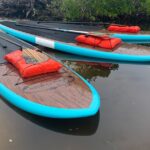
The setup is also a big deal. You’re in a premium kayak with a high back support chair, life vest, dry bags, and lightweight carbon fiber paddles (28 ounces), plus help getting comfortable and organized for your break. Price is $79 per person, but snacks and bottled water are on you.
In This Review
- Key things I’d circle before you book
- Why this Fort Pierce mangrove route feels different than “just kayaking”
- The 4-hour schedule: when you’re paddling, when you’re gliding
- Hutchinson Island: the “shoreline-to-water” viewpoint moment
- Navy Seal Museum stop: a quick local-history anchor
- Mangrove island paddling: up close with roots, birds, and small sea life
- The sandbar stop: wading, relaxing, and watching dolphins from close range
- The return glide: electric motor means less fatigue, more attention
- Premium equipment details that make a real difference
- Wildlife expectations: what to watch for (and how to spot it)
- Price and value: why $79 can work (if you want this specific experience)
- Who should book this kayaking and dolphin-watch sandbar tour
- Practical tips to make your day better
- Should you book it?
- FAQ
- How long is the kayak and dolphin watch tour?
- How much does it cost?
- What’s included in the tour price?
- Is there swimming at the sandbar?
- How big is the group?
- Do adults need to be present for children?
Key things I’d circle before you book
- Mark and Fabia’s wildlife explanations: ecology and local history woven into the route
- 4-mile total route: about 2 miles paddling plus 2 miles motorized for an easier glide
- Sandbar time for wading or swimming: your guide decides based on conditions
- Premium kayak comfort: elevated chair, room for kids, and dry bags included
- Cameras stay in your pocket: photos and videos are taken and shared after the trip
Why this Fort Pierce mangrove route feels different than “just kayaking”
Fort Pierce has plenty of water views, but this trip gives you a close-up, working view of the coast. You’re not only passing scenery—you’re moving through a mangrove system that protects shorelines and shelters young marine life. That context changes how you watch everything: roots become habitat, birds become indicators, and even the calm water starts to make sense.
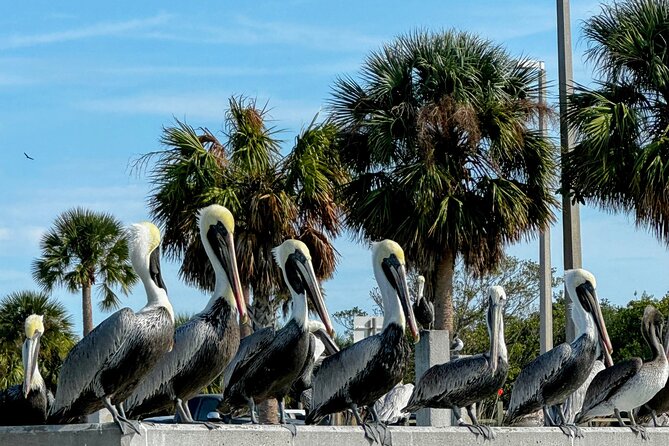
The best part is the human scale of it. The max group size is 8, so you’re not stuck in a long line where you can’t hear the guide. With Mark and Fabia running the show, you’ll get explanations that match what you’re seeing right then—snowy egrets, great egrets, pelicans, ibises, and more.
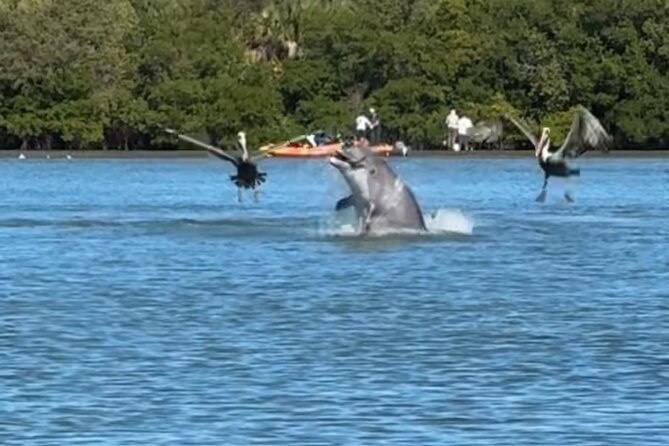
And yes, dolphins are part of the reason people sign up. The area can bring dolphins into view, especially around the sandbar stop, where you’ll be watching from a place designed for a break.
You can also read our reviews of more tours and experiences in Florida.
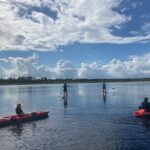
The 4-hour schedule: when you’re paddling, when you’re gliding
This is a 10:00 am start and it runs about 4 hours, ending back at the meeting point. The total trip distance is about 4 miles: you paddle 2 miles, then use motorized propulsion for the return portion.
That split matters. Paddling time is long enough to feel like kayaking—not a slow drift—but short enough that most people can manage it. Then the electric motor takes over so you can keep your eyes up for wildlife instead of staying locked on your stroke.
You’ll also have stops along the way. The route includes a start area near Hutchinson Island and a Navy Seal Museum stop, which functions as a land-based way to anchor the outing before you spend the main time on the water. The heart of the experience is still the mangrove lagoon kayaking and the sandbar break.
Hutchinson Island: the “shoreline-to-water” viewpoint moment
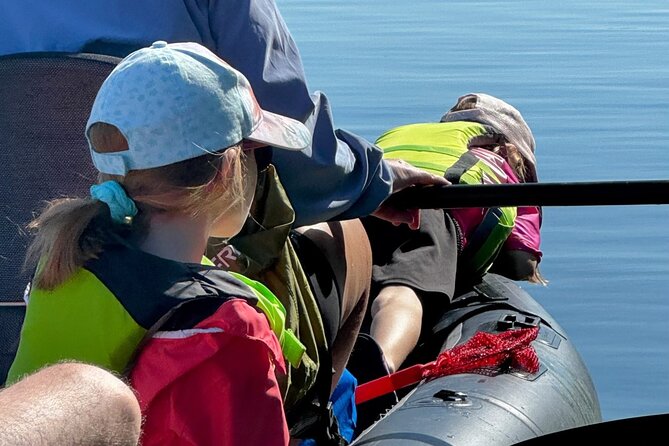
Hutchinson Island is the first listed stop, and it’s the kind of place that helps you shift from highway-speed Florida to the slower rhythm of tidal waters. Even if you’re not hopping out for long, you’re building context for what comes next: mangroves don’t look like much from far away, but up close they’re the whole story.
Expect your guide to set the tone here—what you’ll look for, how the ecosystem works, and what to watch during the paddling segments. This is also where you’ll likely get those practical instructions that make the rest of the trip smoother, especially if it’s your first time in a kayak.
Navy Seal Museum stop: a quick local-history anchor
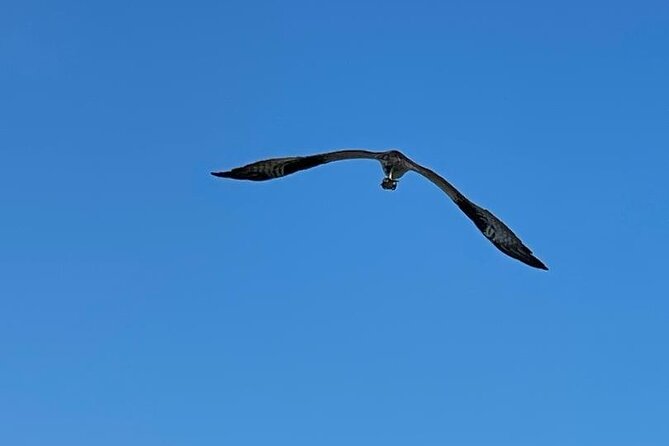
The Navy Seal Museum is the second stop on the route. This is less about museum time (nothing in the tour description guarantees a full visit) and more about orientation—another landmark that places you in the real Fort Pierce coastal setting before you get into mangrove channels.
I like when tours do this. It prevents the outing from feeling like a generic wildlife cruise. You’re learning about the area’s coastal ecosystem and local history as you go, and a landmark stop gives your guide a natural setup point for that storytelling.
Mangrove island paddling: up close with roots, birds, and small sea life
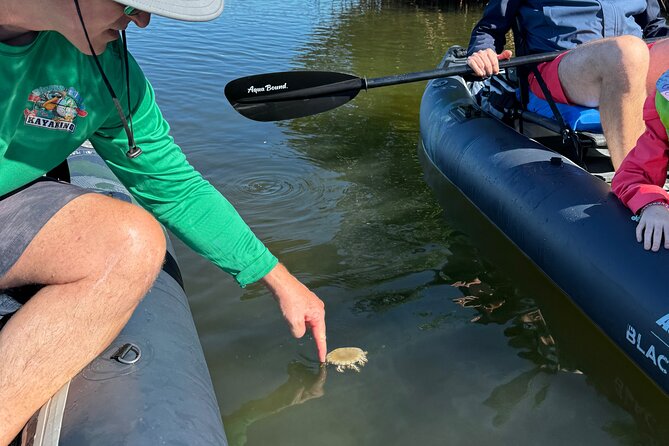
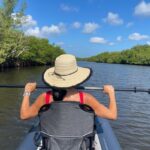
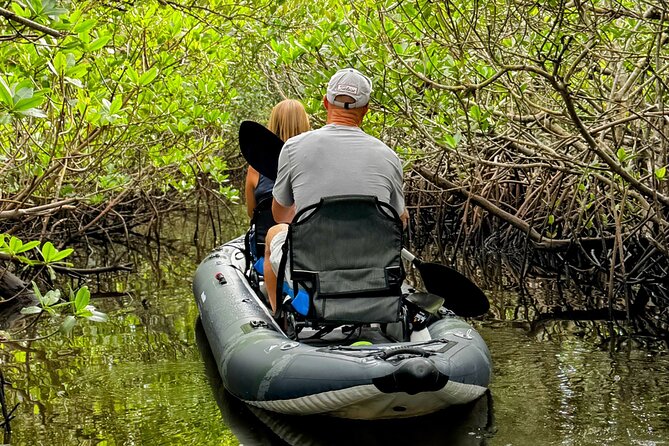
This is the main event: you glide across a lagoon to a mangrove island where you’ll get close to the trees, plants, sea birds, and marine life. Your guide leads the group to the best spots, so you’re not guessing where the wildlife activity concentrates.
Paddling through calm water inside mangroves is a different kind of quiet than open-water kayaking. You’re moving through a natural nursery. Mangroves protect the shoreline and support small marine life, and your guide will connect that to what you’re seeing—birds perched or feeding, fish near the vegetation, and the general sense that the roots are doing real work.
What you might spot (based on what’s commonly seen on this route):
- snowy egrets and great egrets
- pelicans and ibises
- fish in the shallows and around mangrove edges
- additional small marine creatures that guides point out when conditions are right
The guide explanations are the difference between a photo stop and an educational outing. You’ll learn the why behind the where, and it keeps your eyes working even when wildlife is quiet for a few minutes.
The sandbar stop: wading, relaxing, and watching dolphins from close range
After the mangrove section, you head to a sandbar in the heart of the lagoon. This is where the trip shifts from paddling focus to “stay and watch” mode.
Your guide can bring you to spots where you can swim, wade, or simply relax in your kayak downtime. But this part is explicitly weather and tide dependent for safety and enjoyment. So if your day has rougher conditions or the water isn’t right, you may still enjoy the wildlife watching without getting the full swimming break.
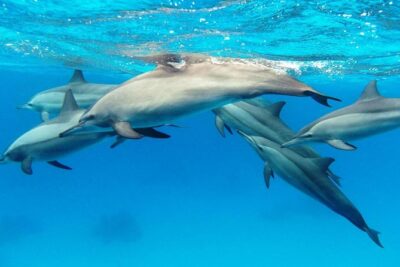
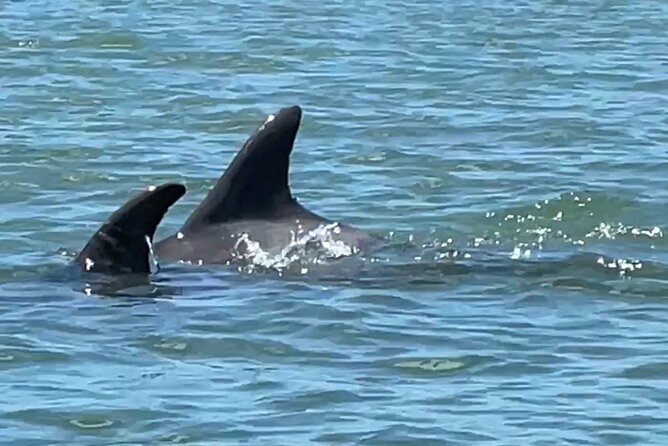
This is also where dolphins are part of the equation. Dolphins often frequent the area, and a sandbar makes a good viewing platform: you’re positioned, you’re not chasing, and you get time to watch surface activity.
Bring your own snacks and drinks for this break. Bottled water and snacks aren’t included, and having something on hand makes the stop feel like a real half-day outing instead of a rushed water break.
The return glide: electric motor means less fatigue, more attention
On the way back, your guide installs an electric motor for your relaxing return trip. That’s a smart design for a mixed-skill group, because it keeps the return from turning into a workout.
It also changes where you look. When you’re not expending energy paddling the entire time, you can watch:
- birds moving through the mangroves
- fish activity near the edges
- any dolphins that come closer while everyone’s still gathered in the lagoon
It’s a good setup for families and first-timers because the trip doesn’t punish you for getting tired.
Premium equipment details that make a real difference
Kayak tours can be hit-or-miss on gear. Here, the equipment is clearly built for comfort and stability, not just getting you on the water.
You’ll get:
- a 13- or 16-foot kayak
- elevated high back support chair(s)
- life vest
- carbon fiber paddles that weigh about 28 ounces
- dry bags
- helpful space to store your items (including room for a cooler)
That high back support matters if you’re on the water for hours. It helps you stay seated comfortably during paddling and keeps the experience relaxing rather than cramped.
Dry bags matter too. Mangrove water stays close to your route, and you want your phone, snacks, and layers protected.
Wildlife expectations: what to watch for (and how to spot it)
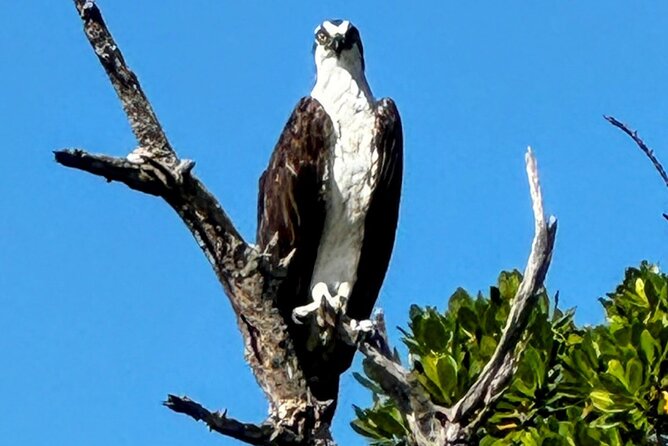
You’ll get informative explanations as you paddle, and the guide will point out wildlife as it appears. On this route, the bird life is often the easiest place to start—egrets and pelicans are big, obvious cues in a mangrove setting.
Then you’ll get a chance at the “wow” animals when the lagoon cooperates. On this outing, people have reported encounters with stingrays and eagle rays, along with dolphins. Smaller marine creatures also show up depending on visibility and water conditions.
One more detail I really like: photos and videos are taken for you and sent soon after the trip (reported timing is within 30–60 minutes). That means you can keep paddling and watching instead of trying to capture everything one-handed.
Price and value: why $79 can work (if you want this specific experience)
At $79 per person for about 4 hours, the value comes from three places:
First, you’re paying for guided ecology, not just a rental kayak. Mark and Fabia’s explanations tie what you see to how the ecosystem works and why mangroves matter.
Second, the route design helps you get more enjoyment with less strain. The 2 miles of paddling plus 2 miles on motorized propulsion is a big part of the value. It widens who can enjoy the trip without feeling like they need to be athletic.
Third, the included premium gear is a real perk. A high back chair, dry bags, and lightweight paddles aren’t small details when you’re out for hours.
Snacks and bottled water aren’t included, so plan on bringing those. But overall, this feels like a guided half-day experience rather than a cheap self-guided paddle.
Who should book this kayaking and dolphin-watch sandbar tour
This tour is a strong match if you want:
- wildlife viewing with real explanations
- a comfortable kayak setup (especially for families)
- a relaxed pace thanks to motorized return
- a sandbar stop where you can linger and watch
It also appears family friendly in practice, and the gear is designed with kids in mind (with room for children in the kayak setup). There’s also a specific adult-to-child rule: it requires a 1:1 ratio (one adult per child).
One practical limitation: the group is capped at 8 travelers. That’s good for attention, but it can also mean fewer openings on popular days.
Practical tips to make your day better
A few simple things can upgrade the experience:
- Bring your own snacks and drinks, since they’re not provided.
- Wear swim-ready clothes if you want the sandbar wading option, but stay flexible—weather and tides control what’s safe.
- Use sunscreen and sunglasses with a strap. Even calm water still reflects light.
- If you’re traveling as a family, plan the adult-child ratio early so you don’t end up scrambling last minute.
- Keep your phone protected. You’ll have dry bags, but it helps to pack like you’re going to get splashed.
Should you book it?
I’d book this tour if you want a guided kayak day that mixes close mangrove encounters with a true sandbar break and a chance at dolphin sightings. The small group size, the motor-assisted return, and the premium kayak comfort make it feel manageable, even if you’re not a “serious paddler.”
Skip it (or at least rethink your expectations) if sandbar swimming is the main reason you’re going. That part is explicitly dependent on weather and tidal conditions, so you may end up mostly doing wildlife watching instead of a swim. Also, check your family setup against the 1:1 adult-to-child requirement.
If you want a half-day that feels like learning the coast from the inside, this is a very solid bet from Fort Pierce.
FAQ
How long is the kayak and dolphin watch tour?
It’s about 4 hours total, starting at 10:00 am and ending back at the meeting point.
How much does it cost?
The price is $79.00 per person.
What’s included in the tour price?
Premium equipment is included: a 13- or 16-foot kayak, elevated high back support chair(s), carbon fiber paddles, life vest, and dry bags. Snacks and bottled water are not included.
Is there swimming at the sandbar?
Swimming at the sandbar stop depends on weather and tidal conditions for safety and enjoyment.
How big is the group?
The tour has a maximum of 8 travelers.
Do adults need to be present for children?
Yes. The tour requires a 1:1 adult-to-child ratio (for example, 1 child per 1 adult, or 2 children per 2 adults).