REVIEW · OLBIA
From Olbia: RIB Tour to Capo Figari with Dolphin Sighting
Book on GetYourGuide →Operated by Escursì · Bookable on GetYourGuide
Dolphins feel close here. This RIB tour along Sardinia’s east coast blends marine-biologist dolphin spotting with a real snorkeling outing at Figarolo Island, guided by skipper and experts who know how to read the water. The only catch: your exact stops and time on the sea depend on wind and sea conditions, so the day’s plan can flex.
I love that the tour is built around comfort and access. You’re not stuck on a long, rigid ferry—this is an inflatable dinghy ride with an awning that keeps things workable if the sun is strong or the breeze picks up. And I really like the practical extras: masks and flippers are provided, plus a small snack and drinks on board.
One consideration: it’s not a sit-back-and-do-nothing cruise. You’ll want to be comfortable in and around the water, and it’s not suitable for children under 2 or pregnant women (and pets aren’t allowed).
In This Review
- Key highlights worth planning around
- Getting from Olbia Marina to Figarolo Island
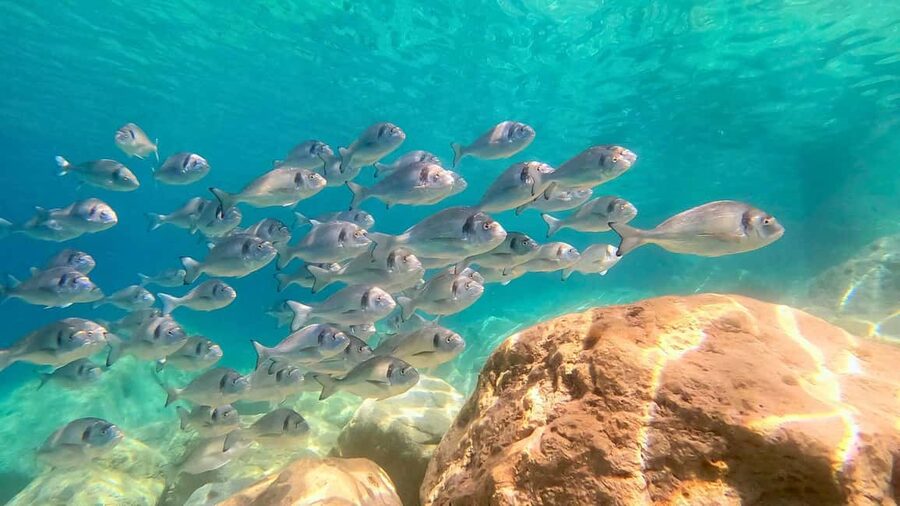
- Snorkeling at Figarolo Island: what the seabed stop is really like
- Capo Figari or Capo Ceraso: limestone views and flexible water stops
- How dolphin watching works (and why the guide matters)
- On-board comfort: what it feels like on a RIB dinghy
- Price and value: why $77 feels fair for this mix
- Who this tour fits best (and who should skip it)
- Practical tips so your morning goes smoothly
- So, should you book this Capo Figari dolphin tour?
- FAQ
- How long is the RIB tour?
- Where do I meet the guide in Olbia?
- What languages does the guide speak?
- What’s included in the price?
- Do I need to bring snorkeling equipment?
- Can I get a wetsuit for snorkeling?
- Are dolphin sightings guaranteed?
- What should I bring with me?
- Is the tour suitable for children or pregnant travelers?
- Can I cancel for a refund?
Key highlights worth planning around
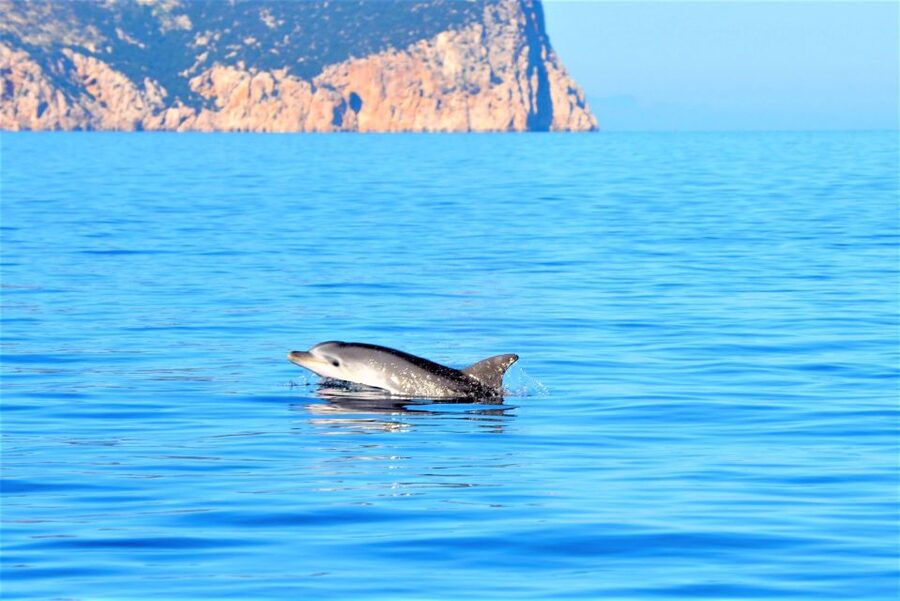
- Marine-biologist-led dolphin watching with clear explanations and a respectful approach
- Snorkeling at Figarolo Island to see the seabed up close with provided gear
- Cape Figari limestone cliffs (or Capo Ceraso inlets) chosen based on conditions
- Multiple potential water stops (including areas near Cala Moresca or Figarolo)
- A boat designed for comfort at sea with a fixed awning, lockers, and a ladder at the stern
- Built-in value: snorkeling equipment, snack, drinks, and nature sheets are included
Getting from Olbia Marina to Figarolo Island
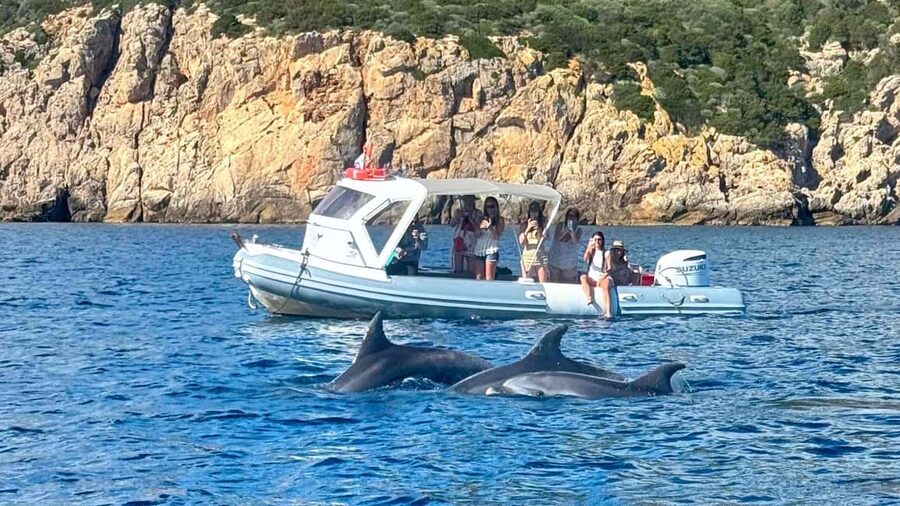
The experience starts at the Marina di Olbia, where you meet your guide at Mooring A15 (about 20 meters from the car park). Plan to arrive a bit early. You’ll meet at 9:00 am, then the boat pulls out around 9:30 am. That first stretch matters: mornings on the water tend to feel calmer, and your chances for dolphin activity are better when the sea is more cooperative.
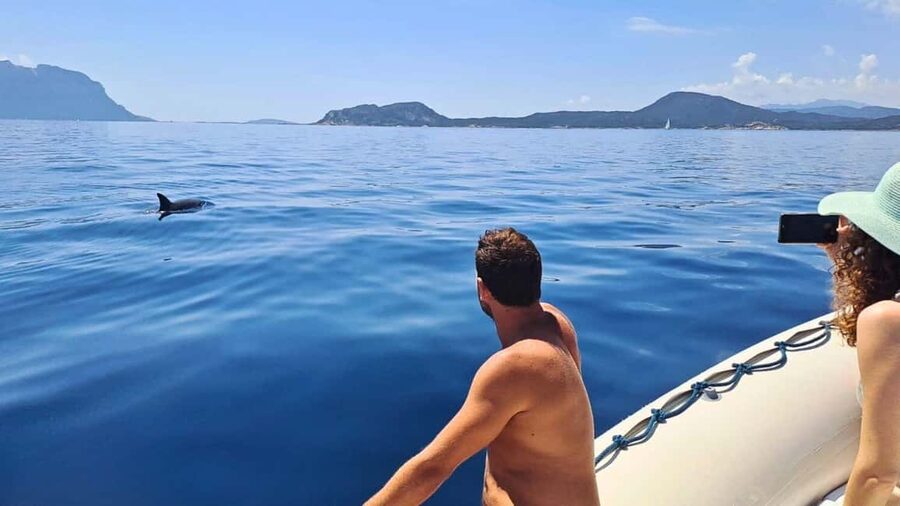
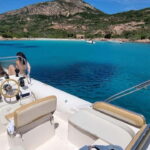
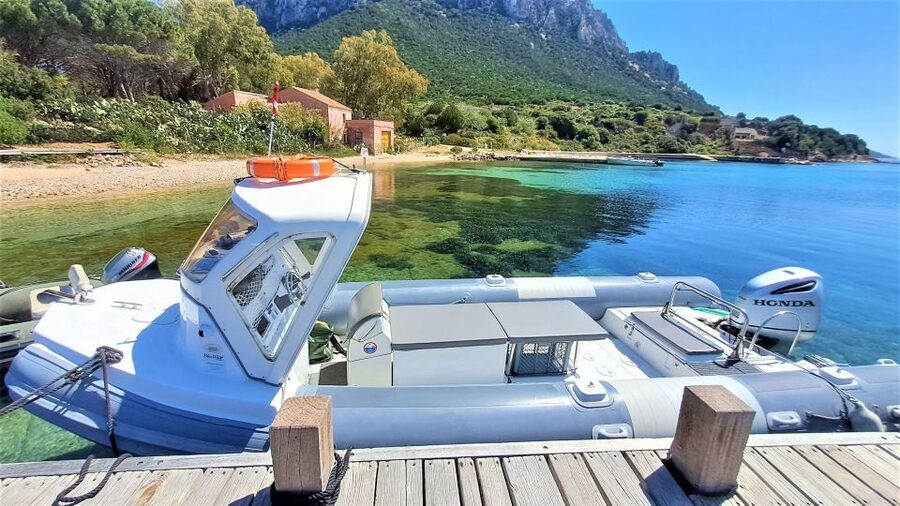
Right away you get the feel for the boat. It’s a Bwa inflatable dinghy (about 7.5 meters long) with a fixed awning even while moving, so you’re not baking under direct sun the whole time. There are also practical touches like large lockers for backpacks and personal items, plus a steel ladder at the stern for getting back in safely and efficiently.
The navigation to the first dolphin area takes about 30 minutes. During that transit, the guide typically sets expectations: what you might see, where dolphins tend to appear, and what you should do if you spot them. If you’re the type who gets impatient on boats, don’t worry—there’s a purpose to those minutes. You’re positioning for the most likely sightings.
You can also read our reviews of more tours and experiences in Olbia.
Snorkeling at Figarolo Island: what the seabed stop is really like
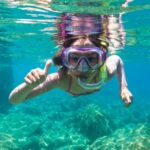
Figarolo Island is your first true water moment. After the dolphin-watching window, you’ll head to a snorkeling spot near Figarolo Island to check out the seabed using mask and snorkel (and fins, which are included). This is where the tour earns its keep, because you’re not just looking at the sea—you’re in it.
The experience is set up for real beginner-to-intermediate snorkelers. Your gear is already handled, and there’s even an option for a short wetsuit on request if you tend to get cold or the water feels cooler that day. If you hate the hassle of assembling your own kit (and most people do), this saves time and helps you focus on the water instead of the checklist.
A quick note on expectations: snorkeling here is about seeing what’s under the surface—rocks, textures, and marine life you might spot along the seabed. The tour description emphasizes the evocative seabed, but visibility can vary with wind and currents. Your guide’s job is to pick the best spot based on conditions, which is why the itinerary isn’t completely fixed.
Also, remember you’re on a moving boat with waves. That means you’ll want to be mindful when you enter the water and when you get back onboard. The stern ladder helps, but the sea can still splash. Bring the basics—swimwear, towel, sunscreen, and a sun hat—and you’ll be comfortable enough to enjoy the stop instead of rushing.
Capo Figari or Capo Ceraso: limestone views and flexible water stops
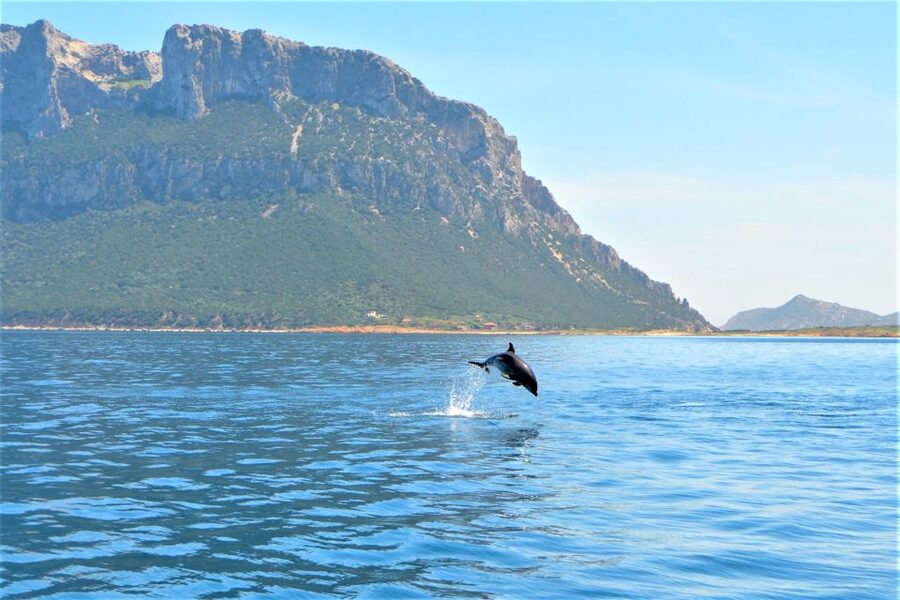
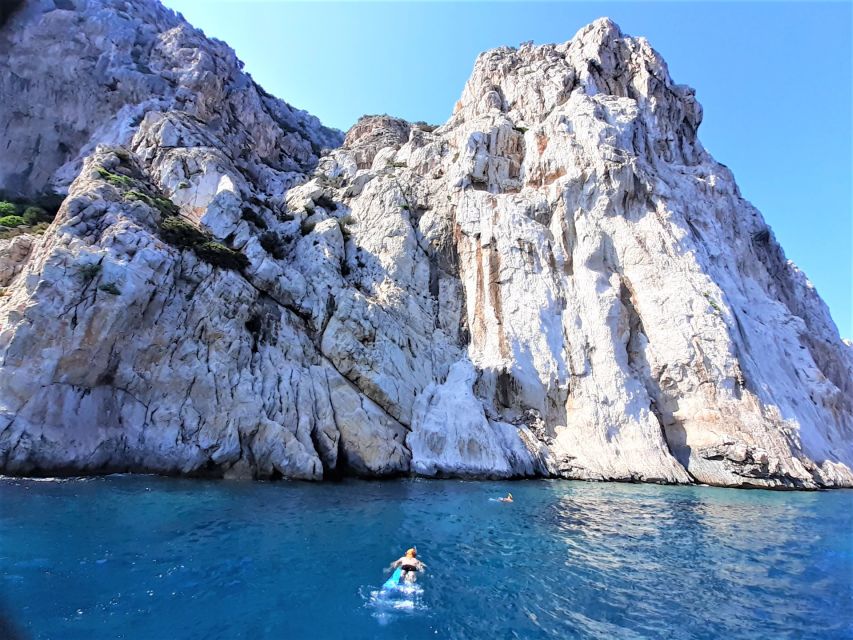
After snorkeling, the tour heads toward Cape Figari (the limestone cliff overlooking the sea) or Cape Ceraso, which is known for its inlets. Which one you get isn’t random—it depends on the meteomarine conditions and the skipper’s decisions. In plain terms: the captain chooses where the water is best for stopping and where it’s safe to enjoy the sea.
This part of the tour is all about scenery and “floaty” time. You’ll get those dramatic coastline views from the water, with cliffs and rocky edges dropping toward the sea. Even if you’re not a dedicated photographer, it’s the kind of coastline where you’ll naturally look around because the shapes keep changing.
You may also stop near Cala Moresca or again around areas near Figarolo depending on the day. That flexibility is valuable because it lets the tour adjust to what the sea is doing rather than forcing one location no matter how choppy it gets. The downside is you can’t plan on one specific photo spot. If Cape Figari is your must-see, treat it as likely but not 100% promised, because wind can change the plan.
Somewhere during this stretch, you’ll have the “small snack on board” moment. It’s simple, but it’s a nice reset, especially after swimming or snorkeling. You’ll also have drinks available, which matters on a RIB where you feel sun and wind together.
How dolphin watching works (and why the guide matters)
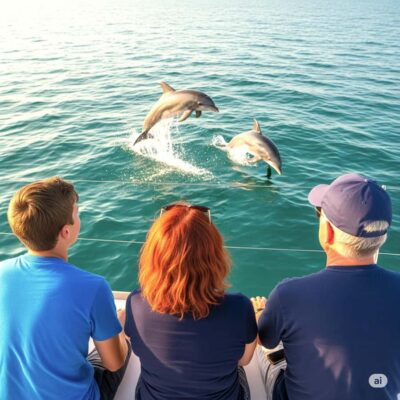
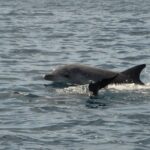
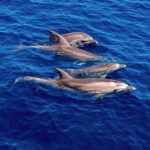
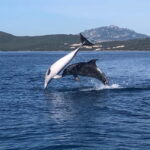
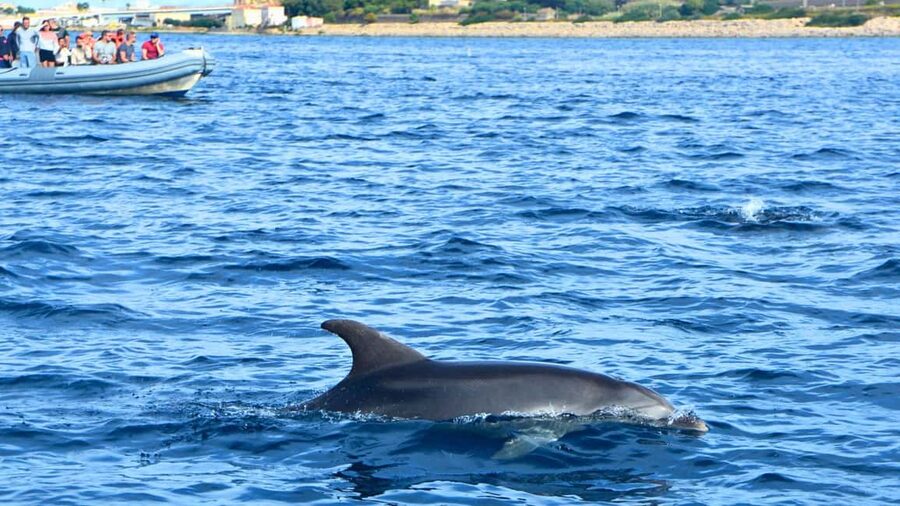
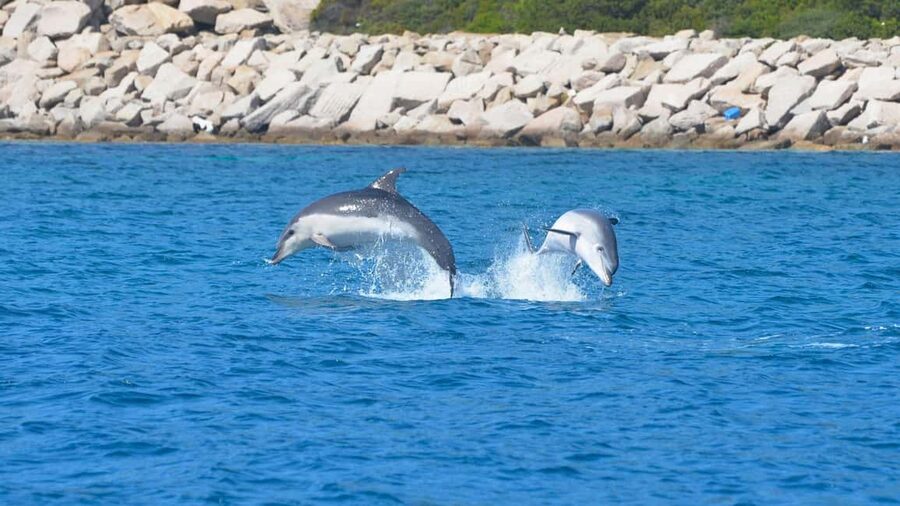
The dolphin portion is the headline, but the real skill is in how the tour goes after the best odds without pushing the animals. You’ll spend about 30 to 50 minutes on dolphin watching near the island of Figarolo, after roughly 30 minutes of navigation. The exact timing depends on the conditions and quality of sightings, so the guide can extend if there’s activity—or adjust quickly if it’s quiet.
What makes this feel different is the marine-biologist-trained guide approach. You’re not just being told that dolphins exist; you get insights about what you’re seeing and why those animals might be showing up. The tour context notes that dolphins can be attracted in this area by fish farming, so the guide can help you understand why the water may be more interesting at certain times.
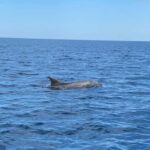
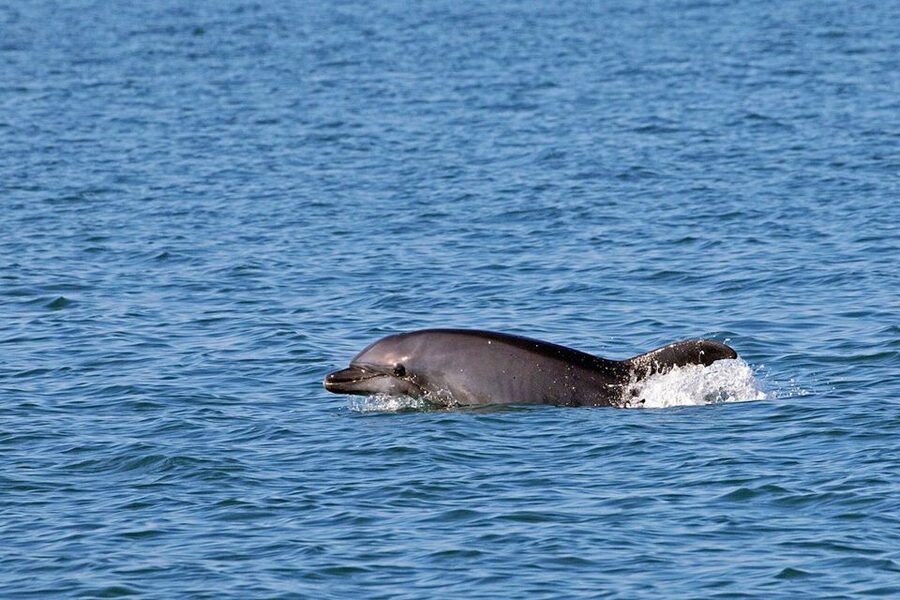
If you’re lucky, dolphins may come closer. In many cases, you’ll likely see them at a distance, moving through the water in their normal routine. Either way, the emphasis is on not disturbing their daily activities. That respectful distance is part of why the experience can feel peaceful rather than chaotic.
I also took note of guide style from real-name feedback: guides like David (often spelled Davide in the guide info) are praised for being professional and giving lots of explanations during the trip. That kind of narration matters. It turns a spotted fin into a story you can actually understand.
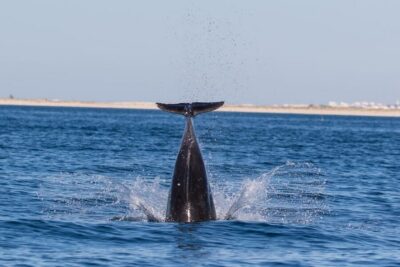
One honest expectation to set: dolphin sightings aren’t guaranteed. The tour is built around the possibility, and your guide does their best with what the sea offers that morning. If you treat dolphin spotting as a bonus—and the scenery and snorkeling as the base—you’ll enjoy the day even when visibility is lower.
On-board comfort: what it feels like on a RIB dinghy
This is not a massive cruise boat. It’s a 7.50-meter inflatable dinghy, designed for quick, agile travel along the coast. That can mean more movement than a large ferry. If you’re sensitive to waves, consider that the RIB can feel bouncy at speed, especially if wind is up.
At the same time, the boat is set up for comfort in practical ways:
- A fixed awning so you’re not fully exposed
- Lockers for backpacks and personal items
- A stern ladder that makes reboarding straightforward
- USB charging for your smartphone or tablet
- Life-saving gear onboard, including life jackets (the setup includes additional child life jackets)
There’s also navigation tech onboard like an echo sounder/GPS. You don’t need to understand the electronics to benefit from it—the point is that your skipper has tools to pick spots.
One more comfort detail: this tour includes a short wetsuit option on request, plus snorkeling masks and flippers. That reduces the awkward gear factor and makes it easier to swim without showing up underprepared.
Price and value: why $77 feels fair for this mix
At about $77 per person for roughly 3.5 hours, this tour stacks several value drivers into one outing:
- Dolphin watching on the water
- A guide plus skipper
- Snorkeling equipment (mask, snorkel, fins)
- A snack and drinks
- Multilingual nature information sheets
- Short wetsuit availability on request
- A live guide in Italian, English, and French
You’re also getting a “coastline + sea life + water time” format rather than a single-note activity. Snorkeling alone can easily take up a full half-day when you factor in time and logistics. Here, you’re paired with marine-life observation, and you’re not doing it in a slow, sightseeing-only setup.
Important catch: transfer is not included. So if you’re staying outside walking or short driving distance from Marina di Olbia, you’ll want to budget for that on your own. Still, once you’re there, the rest feels structured and ready.
There’s also a useful practical requirement: the tour is confirmed with at least 4 participants. That means it’s not a guaranteed daily solo expedition, but it does keep things flexible.
Who this tour fits best (and who should skip it)
This experience is ideal if you:
- Want a morning outing that’s part snorkeling and part wildlife watching
- Feel comfortable getting in the water with provided gear
- Prefer small, active marine trips over long, low-engagement sightseeing
- Appreciate learning something specific about what you’re seeing (dolphins, seabed life, and local sea context)
It’s not suitable if you:
- Are pregnant
- Have children under 2
- Need a strict no-splash, no-movement experience
- Want to bring pets (not allowed)
Because the tour includes snorkeling and a swim stop, I’d treat it as a “light adventure” rather than a purely scenic cruise. If you want mostly dry land time, look for a different format.
Practical tips so your morning goes smoothly
A few simple things make the difference between a great boat trip and an annoying one.
Bring:
- Sun hat
- Swimwear
- Towel
- Sunscreen
Wear:
- Something you can wet and then dry quickly
- Shoes or sandals you can handle around boats (you don’t want to be barefoot on deck if it’s slippery)
Use the boat wisely:
- Plan to use the USB charging if you want to save battery for dolphin spotting photos.
- Take a moment to know where your life jacket is before the action starts. It’s normal to feel a little rushed on boats—this small step helps.
Language:
- Your guide works in Italian, English, and French, so if you’re worried about understanding safety instructions or explanations, you’re covered.
So, should you book this Capo Figari dolphin tour?
I’d book it if you want an east-coast Sardinia outing that mixes three things you actually care about: wildlife watching, snorkeling gear that’s included, and a captain/guide team that adjusts to real sea conditions. The price feels reasonable because you’re paying for a whole package, not just time on a boat.
Skip it—or at least go with flexible expectations—if you’re only chasing dolphins and would be disappointed by lower visibility. Dolphin sightings depend on the day. Also, if you’re pregnant, have very young children, or need a totally gentle, dry experience, this one isn’t the right fit.
If you match the vibe—comfortable around water, open to learning, and ready for a morning adventure—this is exactly the kind of tour that makes Sardinia’s coast feel personal, not touristy.
FAQ
How long is the RIB tour?
The tour lasts about 3.5 hours.
Where do I meet the guide in Olbia?
You meet at Mooring A15, about 20 meters from the car park.
What languages does the guide speak?
The live guide speaks Italian, English, and French.
What’s included in the price?
Included are the dolphin watching boat tour, skipper, multilingual dolphin information sheets, snorkeling masks and flippers, a snack, and drinks. A short wetsuit is available on request.
Do I need to bring snorkeling equipment?
No. Masks, snorkels, and flippers are provided.
Can I get a wetsuit for snorkeling?
Yes, a short wetsuit is available on request.
Are dolphin sightings guaranteed?
No. Dolphin watching depends on conditions and the quality of sightings. The guide plans observation time based on what happens on the water.
What should I bring with me?
Bring a sun hat, swimwear, a towel, and sunscreen.
Is the tour suitable for children or pregnant travelers?
It’s not suitable for children under 2 and not suitable for pregnant women.
Can I cancel for a refund?
Yes. You can cancel up to 24 hours in advance for a full refund.