REVIEW · OLBIA
Gulf of Olbia: Dolphin watching by dinghy
Book on GetYourGuide →Operated by Atlantis Olbia Charter & Tours di Riccardo Manueddu · Bookable on GetYourGuide
Dolphins in Sardinia tend to steal the show. This Gulf of Olbia trip pairs a fast RIB ride with a marine biologist on board, plus a dinghy visit to dramatic coastal cliffs. I like the way the crew slows down for wildlife viewing, which makes dolphins feel less like a checklist item and more like something happening right in front of you.
What I love most is the mix of practical time on the water and real interpretation. You get island scenery, a swimming break in clear bays like Cala Moresca, and guided explanations in English and Italian from guides such as Mila and skippers including Riccardo.
One thing to keep in mind: dolphins are wild animals. Even with a stated 90% chance of a sighting, you can’t control where they are or how many show up.
In This Review
- Key highlights you’ll feel right away
- Where Gulf of Olbia dolphin watching makes sense
- The crew: marine biologist guidance plus real skipper know-how
- Heading out from Chiringuito Bados: quick start, easy access
- Why Isola di Figarolo is the wildlife magnet
- What dolphin spotting feels like when the boat slows down
- Capo Figari cliffs: the scenery bonus you shouldn’t skip
- Cala Moresca swim stop: short time, clear rewards
- Duration and timing: why 1.5 hours is the smart size
- Price: what $41 covers and why it can be good value
- What to bring (and what to leave behind)
- Who this trip is best for
- Should you book the Gulf of Olbia dolphin watching by dinghy?
- FAQ
- How long is the dolphin watching trip?
- Where do you meet for the tour?
- What languages are offered on board?
- Is there a swimming stop?
- Are snorkeling gear and a wetsuit included?
- Are dolphin sightings guaranteed?
- Can I cancel and get a full refund?
Key highlights you’ll feel right away
- Marine biologist on board for dolphin-focused explanations in English and Italian
- Wild dolphin watching at minimum speed, so you can actually watch instead of just ride by
- Swim stop in a beautiful cove (Cala Moresca or Figarolo area), about 15 minutes
- Capo Figari cliffs by dinghy, adding variety beyond just the open water
- Small-group feel and alert guides, with time that doesn’t swallow your whole day
- Wildlife rules respected: you don’t need to touch marine life to have the best moment
Where Gulf of Olbia dolphin watching makes sense
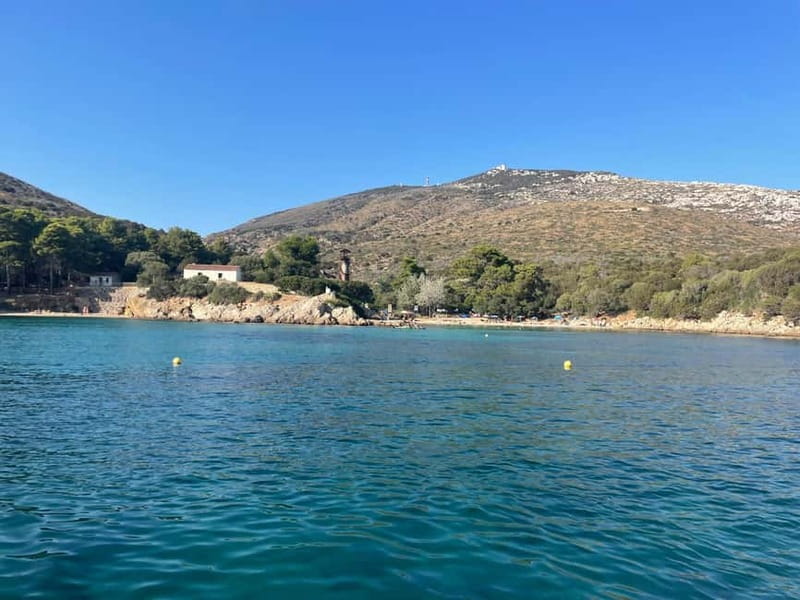
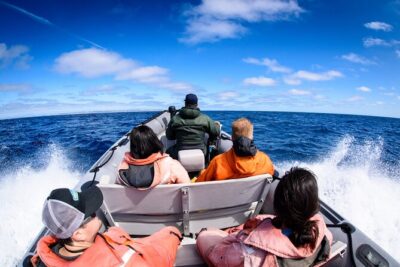
Sardinia can feel like two vacations at once: one part postcard beaches, one part wild coastline. This tour sits right in the overlap. You start from Bados beach (Olbia) and head out on a RIB (rigid inflatable boat), the kind of boat that gets you out to the good water without turning the day into a long commute.
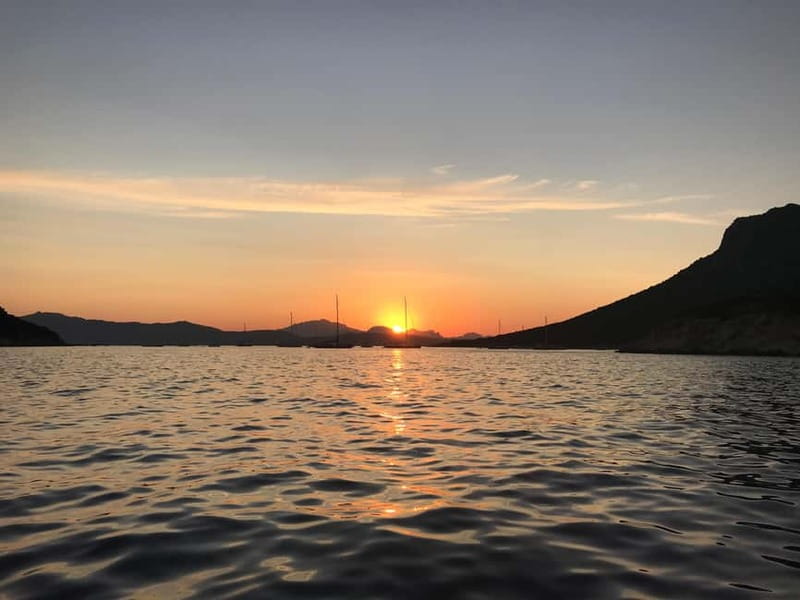
What makes this experience work is the balance. You’re not just hoping for dolphins from far away. The trip is designed around close, careful wildlife observation, then it gives you a second reward: a proper swim stop and a dinghy ride near cliff viewpoints.
Also, the timing is friendly. At about 1.5 hours, it’s short enough to slot in between beach time, lunch, and whatever you’re doing next in Olbia. If you’ve ever done all-day boat tours, you know how quickly they can eat up momentum. This one doesn’t.
You can also read our reviews of more tours and experiences in Olbia.
The crew: marine biologist guidance plus real skipper know-how
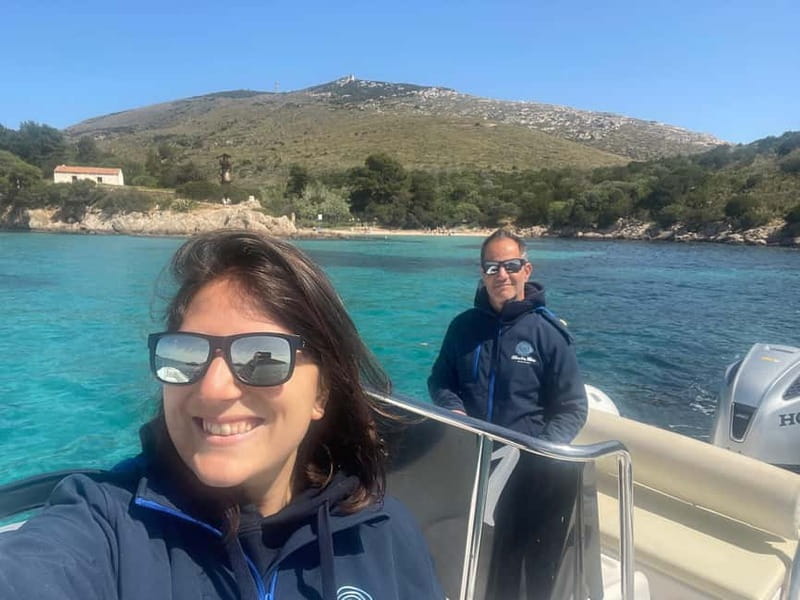
The biggest value-add here is that the wildlife viewing comes with interpretation, not just “look left.” The experience includes a marine biologist guide who explains dolphins and the local marine environment in Italian and English.
That matters for two reasons:
First, you’ll understand what you’re seeing. Dolphins aren’t just cute animals that jump occasionally. The better you understand their behavior and the surrounding conditions, the more you notice: how they move, what kinds of surfaces they react to, and why certain stretches of coastline can feel busier with wildlife.
Second, it helps you “read” the water. When the boat slows down and the crew watches with patience, you’re more likely to pick up patterns instead of staring blankly while waiting for luck.
On the human side, the guides seem to run the trip with a calm, professional rhythm. Names that come up often include Mila as a friendly guide and Riccardo as a skipper. In practice, that usually means you get clear instructions and smooth coordination during the dinghy transition and the swim stop.
Heading out from Chiringuito Bados: quick start, easy access
Your departure and drop-off point is Chiringuito Bados, right on Bados beach. That’s a useful detail because you’re not stuck with a complicated transfer. The meeting spot is described as easy to reach from Olbia, including by public transport, with both free and paid parking available nearby.
When you arrive, look for the guide in a T-shirt with the Atlantis Olbia logo in front of the Chiringuito Bados bar. It sounds small, but it saves time—especially if you’re pairing this tour with a beach morning and you don’t want a 30-minute scavenger hunt.
Plan to show up a bit early. Even short boat trips run on timing, and once you’re on board, your schedule is set by sea conditions and the skipper’s decisions.
Why Isola di Figarolo is the wildlife magnet
After a short boat ride, you reach the area around Isola di Figarolo, about 10 minutes away. This is where the tour’s dolphin focus really kicks in.
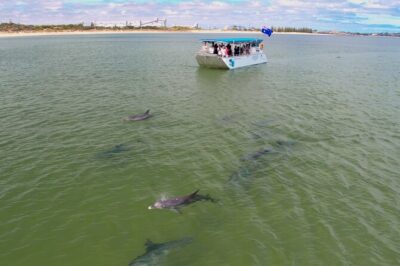
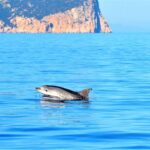
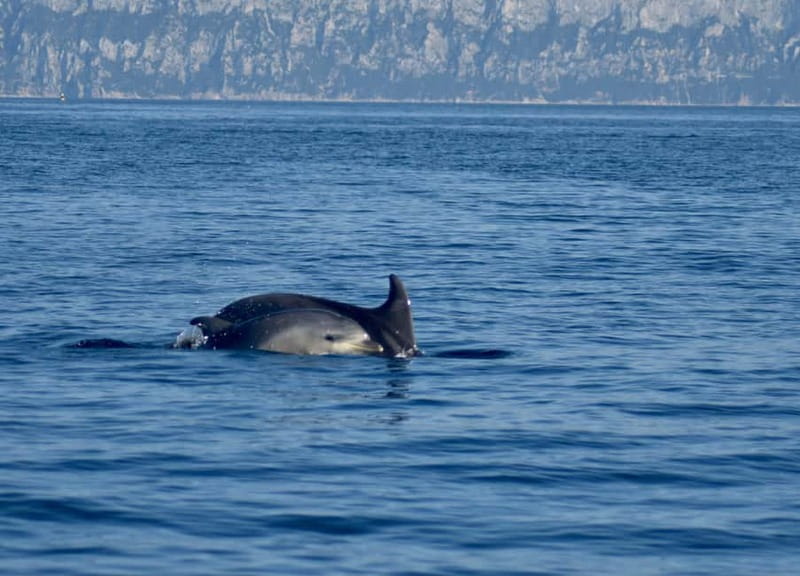
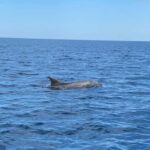
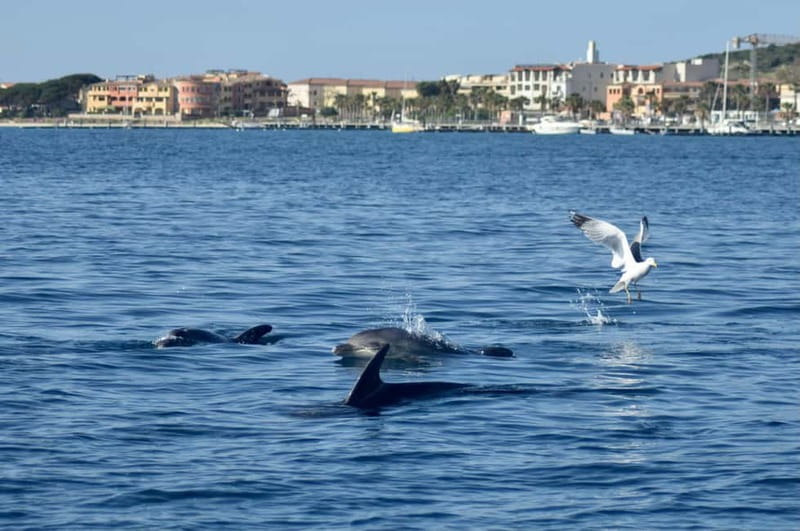
The local setup is important. The area includes an aquaculture facility, and the combination of seabirds and water activity helps attract bottlenose dolphins (Tursiops truncatus). In other words, you’re not venturing into random ocean hoping something appears. You’re sailing toward a zone that already pulls marine life in.
The crew’s strategy is to travel at minimum speed while searching and observing. That’s what turns this into real wildlife watching instead of a high-speed chase.
And because dolphins are wild, the tour is honest about expectations: there’s an important 90% chance of sighting, but sightings can’t be guaranteed and you can’t predict where the dolphins will be or how many you’ll see.
If you’re the kind of person who can appreciate wildlife even when it’s brief—watch, learn, and enjoy the moment—you’re set up for a good experience here.
What dolphin spotting feels like when the boat slows down
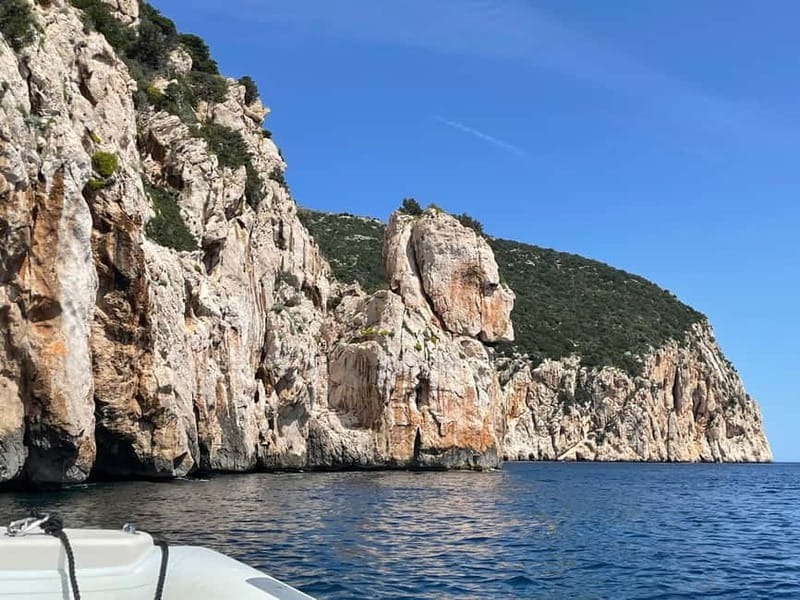
Here’s what makes this part more satisfying: you’re not just scanning from one angle. The RIB approach lets you follow activity as it happens, while the crew focuses on staying slow and respectful.
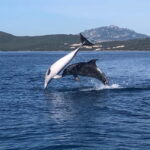
When dolphins show up, look for the behavior patterns the biologist will likely point out—movement through the water, coordinated surfacing, and sudden bursts that look like play. If you’re lucky, you may even catch jumps and acrobatics, which are the moments people remember long after they forget the exact minutes.
Also, you’ll likely notice how the boat positioning changes. That’s not just for drama. It’s about keeping you close enough to see, while still letting dolphins act naturally. There are rules that reinforce this—like not touching marine life—so you get the best view without turning it into an interaction.
One practical tip: bring your best “no-phone camera” posture. If you spend the entire sighting trying to frame a perfect video, you’ll miss the smaller cues. Watch first, record second.
Capo Figari cliffs: the scenery bonus you shouldn’t skip
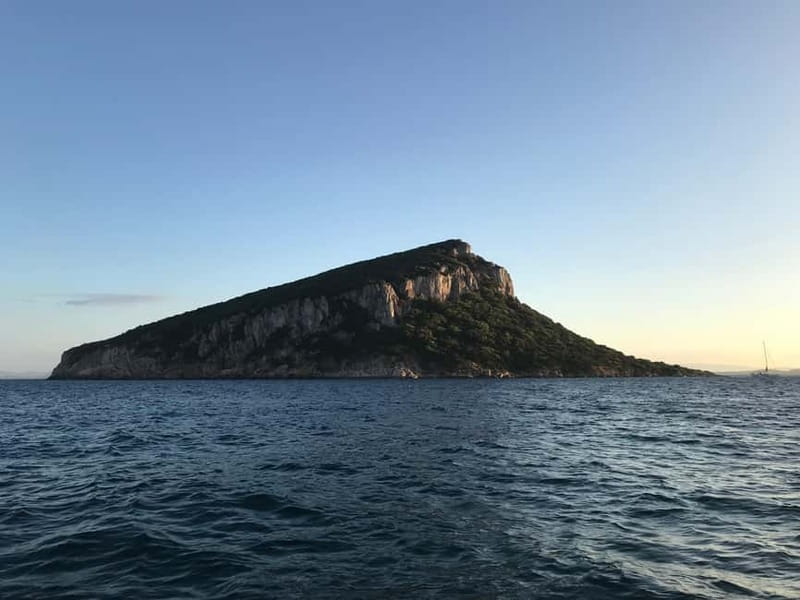
Dolphins are the headline, but the tour doesn’t end there. You also make time for scenic coastline viewing, including the cliffs of Capo Figari. You’ll do part of this by dinghy, which gives you a different feel than the main RIB ride.
This matters because open-water boat trips can feel repetitive. The coastline stop breaks that up with visual variety—rocky edges, changing angles, and those sharp Sardinian coastal textures that look great whether the sun is high or the light turns softer.
Depending on sea conditions, the itinerary can flex. That’s normal in real ocean travel. But the intent is consistent: pair wildlife with coastline so the trip feels like more than a hunt.
Cala Moresca swim stop: short time, clear rewards
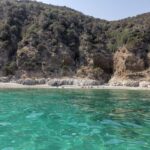
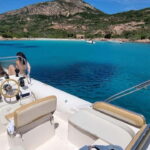
One of the best “you’ll actually use this” parts of the schedule is the swim break. The trip includes a swimming stop in front of places such as Cala Moresca (and the Figarolo area is also mentioned as an option).
The swim time is roughly 15 minutes. That’s not long, but it’s enough to cool off, float, and enjoy the water clarity without turning it into a full beach program.
The water in these coves is described as crystal clear, and it’s the kind of visibility that makes you want to look straight down. Even if you don’t plan to snorkel for long, being able to see the sea floor at least a bit is a big part of why people say this is a highlight.
Bring what you’ll need:
- Beachwear and a towel
- Sunscreen
- A backpack (light and secure)
- Snacks if you think you’ll get hungry
- Water (at least 1 liter is recommended)
Snorkeling gear is not included. If you want masks and fins, you’ll need to bring them. A short wetsuit is also suggested in colder or windier conditions.
One more reality check: this is a boat trip on the water. Wind and sea state can change the comfort level, and the swim stop is still time-boxed. Keep expectations realistic.
Duration and timing: why 1.5 hours is the smart size
At 1.5 hours, this trip is built for people who want a real experience without sacrificing the whole day. You’re on the water long enough to search for dolphins, enjoy a swim, and take in the cliffs. You’re not stuck on a boat until dinner.
That shorter duration also helps with pacing if you’re traveling with kids. One family shared that 1.5 hours felt perfect for children aged 4 and 7, which matches the practical logic of this kind of activity: shorter exposure, fewer logistics, faster return to shore.
Still, it’s not for everyone. The tour notes that it’s not suitable for children under 2, and it also flags people prone to seasickness and pregnant women.
Price: what $41 covers and why it can be good value
The price is listed as $41 per person. On paper, it’s not a bargain like a local bus ride. But for what you get, it can be solid value.
Here’s what’s included:
- RIB-boat dolphin watching excursion
- Skipper
- Marine biologist guide
- Fuel
- Water and a soft drink
What’s not included:
- Snorkeling gear (masks, fins, and a short wetsuit)
- Extra drinks
- Ground transfers and pick-ups
For a dolphin-focused trip, the biologist and the fuel/boat time are often the difference between a “nice outing” and a “real experience.” And because this is short, you’re paying for a focused burst of time rather than an all-day outing where you might spend more hours than you really want on the sea.
If you already planned to spend time at the beach anyway, this adds wildlife watching and a guided education piece without turning your day into a full production.
What to bring (and what to leave behind)
You’ll have a better trip if you pack light and practical. The tour asks for beach basics and sun protection. It also notes a few seasonal add-ons: in cooler months and on windier days, bring a sweatshirt and/or rain jacket.
It also lists rules that affect what you should carry:
- No high-heeled shoes
- No pets
- No weapons or sharp objects
- No oversize luggage / no large bags
- No smoking
- No fishing
- No touching marine life
If you’re thinking, Great, I’ll bring a fancy camera setup: note that tripods aren’t allowed. Glass objects are also not allowed. It’s one of those “safety and space” realities on smaller boats—do yourself a favor and keep gear simple.
And yes: sunscreen matters. A few people specifically hinted at bringing enough, which is smart advice when you’re exposed on open water.
Who this trip is best for
This is a great match if:
- You want wild dolphin watching with a biology explanation, not just scenic riding
- You like short tours that still feel complete
- You want a swim stop in a pretty bay without committing to a full-day plan
It may not be your best choice if:
- You’re prone to seasickness
- You’re pregnant
- You need wheelchair access (wheelchair users aren’t suitable per the tour note)
- You’re traveling with a very young child (not suitable under 2)
If you’re in that “middle” group—active, sun-ready, and comfortable on boats—this hits a nice sweet spot.
Should you book the Gulf of Olbia dolphin watching by dinghy?
If your goal is a focused, guided dolphin experience out of Bados, I’d say this is worth your time. The combination of a marine biologist, a skipper team that slows down for wildlife, a swimming stop, and the Capo Figari cliffs adds up to more than just a photo moment.
Book it if you like structure: a short time commitment, clear stops, and guidance in English or Italian. Skip it if you know you won’t do well on moving water, or if you’re looking for a long beach day instead of a quick marine excursion.
One last practical call: treat dolphins as the star, not the guarantee. Even with the high sighting odds, go in ready to enjoy the water, the coastline, and the biologist’s explanation. That way, the day is rewarding no matter what the sea decides.
FAQ
How long is the dolphin watching trip?
The experience lasts about 1.5 hours.
Where do you meet for the tour?
You meet at Chiringuito Bados on Bados beach. The guide is described as wearing a T-shirt with the Atlantis Olbia logo.
What languages are offered on board?
The tour is available in English and Italian.
Is there a swimming stop?
Yes. The trip includes a swimming stop of about 15 minutes in the area of Cala Moresca or nearby spots such as Figarolo.
Are snorkeling gear and a wetsuit included?
No. Snorkeling gear (masks, fins, and a short wetsuit) isn’t included.
Are dolphin sightings guaranteed?
No. The tour notes a 90% chance of dolphin sightings, but sightings can’t be guaranteed because dolphins are wild and their location can’t be predicted.
Can I cancel and get a full refund?
Yes. You can cancel up to 24 hours in advance for a full refund.