REVIEW · FUERTEVENTURA
Fuerteventura: Whale & Dolphin Watching Boat Tour with Guide
Book on GetYourGuide →Operated by Barracuda Perdomo · Bookable on GetYourGuide
Dolphins and whales, served with paella at sea. This guided catamaran outing cruises between Fuerteventura and Lanzarote, with the goal of spotting bottlenose dolphins, pilot whales, and other marine life along the way. I love the small-group feel (so you’re not lost in a crowd), and I also like that you get a real break with drinks and paella while you scan the water.
The main drawback to know up front: wildlife sightings depend on the ocean, so the first stretch can be quiet when the animals are elsewhere. On choppier days, expect splashes and spray, so you’ll want to dress for getting wet.
Guides from Barracuda Perdomo—people like Valentina, Melissa, and Esther show up in the stories—tend to run a patient, respectful search pattern. If you’re lucky, you can end the day near Isla de Lobos for optional snorkeling and water time opposite La Concha Beach.
In This Review
- Key highlights you’ll actually care about
- Why this Fuerteventura-to-Lanzarote cruise works for whales and dolphins
- Finding the meeting point at Barracuda Perdomo huts
- The 5-hour flow: how the search usually unfolds
- Lunch and drinks on the water: paella, then more scanning
- Isla de Lobos and La Concha Beach: the water-time payoff
- What you might actually see (and why it’s not always predictable)
- The guide team makes or breaks the day
- Boat comfort and the reality check on getting soaked
- Value: is $88 worth it?
- Who should book this tour
- Should you book this whale and dolphin tour?
- FAQ
- How long is the whale and dolphin watching tour?
- Where is the meeting point?
- What marine animals are you looking for?
- What’s included for food and drinks?
- Do you stop at Isla de Lobos for snorkeling or kayaking?
- What languages does the guide speak?
- What should I bring for the trip?
Key highlights you’ll actually care about
- Catamaran cruise through prime coastal waters between South Lanzarote and North Fuerteventura
- Live guidance in Spanish, English, and Italian that helps you spot what you’re looking at
- Food and drinks onboard, including paella (seafood or chicken) plus beer, wine, sangria, and soft drinks
- Isla de Lobos stop near La Concha Beach, where snorkeling and water activities can happen
- Small-group pacing that keeps the wildlife search from feeling rushed
- A “slow down and watch” mindset, with crews reported as respectful and attentive to the sea
Why this Fuerteventura-to-Lanzarote cruise works for whales and dolphins
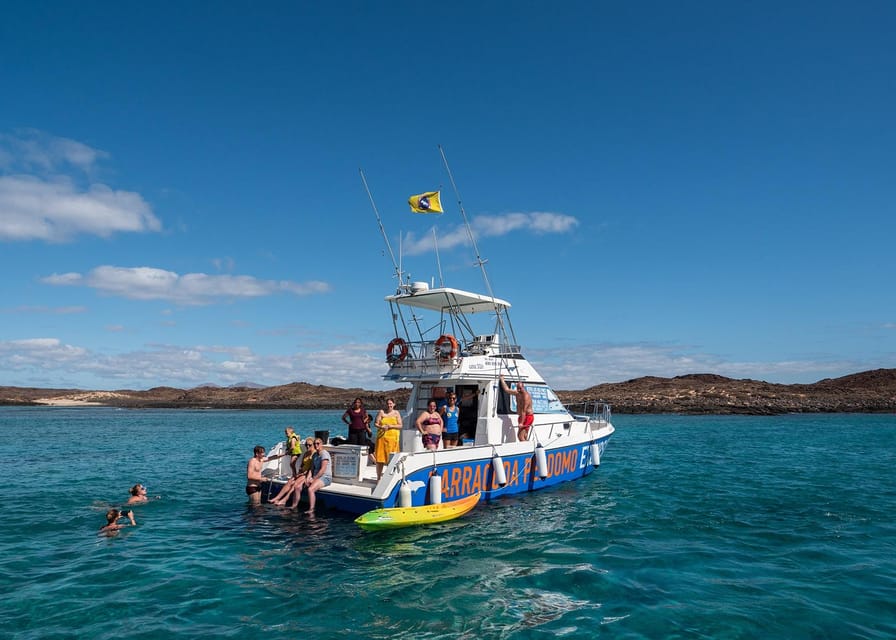
The good thing about this route is simple: you’re cruising the stretch of water between Fuerteventura and Lanzarote where dolphins and other marine animals can show up. The tour isn’t trying to force a sighting; it’s built around the search—moving with the conditions and letting you follow along when animals appear.
What makes it satisfying isn’t only the wildlife possibility. You’re also getting long views from the catamaran: rocky coastlines, volcanic islands in the distance, and the feeling of being out on the Atlantic instead of just hugging a harbor.
And yes, you’re there for dolphins and whales—but you’ll also likely come home with “I didn’t know that” moments, because the guide’s job is to point out what matters once you spot something.
You can also read our reviews of more tours and experiences in Fuerteventura.
Finding the meeting point at Barracuda Perdomo huts
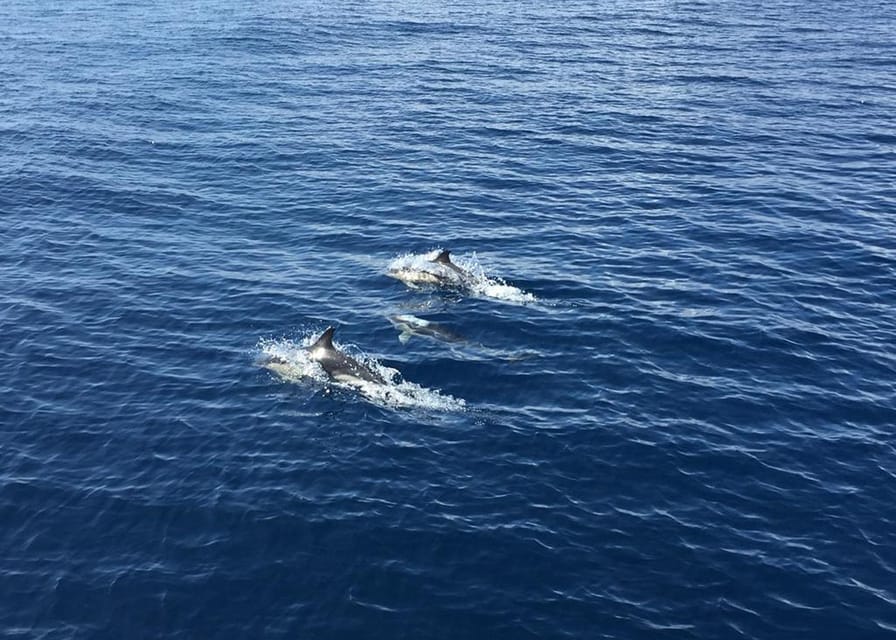
Meet up at a row of wooden huts, and look for the one signed Barracuda Perdomo. It’s a straightforward rendezvous, not a complicated maze of docks and tickets.
This matters more than you might think. When you’re going out on open water, arriving on time helps the crew manage the day’s search, and it means you spend more of your 5 hours actually cruising and watching.
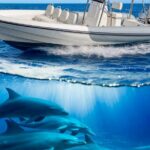
Once you meet your guide, you board the catamaran and settle in. The boat setup is part of the comfort story: seats were described as clean and comfortable, and people appreciated being able to move around during the hunt.
The 5-hour flow: how the search usually unfolds
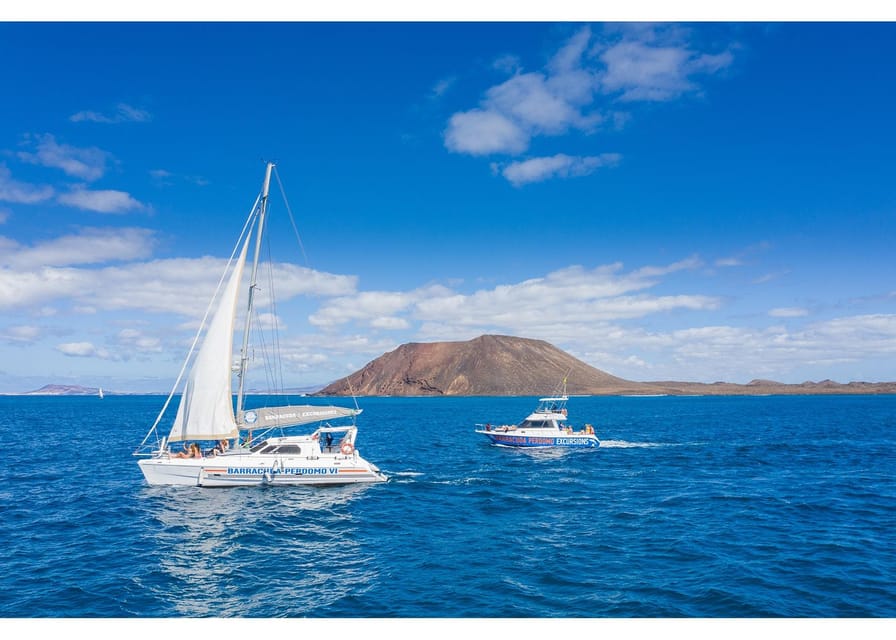
This tour is scheduled for 5 hours total, and the rhythm is built around cruising, scanning, and following sightings when they happen. The itinerary style is relaxed rather than frantic, which helps your brain stay in “watch mode” instead of “waiting mode.”
One pattern you should be ready for: sometimes the first part feels quiet. That’s not a failure of the crew; it’s just how ocean life and weather work. When animals do appear, the mood shifts quickly—suddenly everyone’s paying attention, and the boat slows into a better viewing position.
You may also find that the crew checks other wildlife spots along the route, not just dolphins and whales. That’s why even on days when a whale doesn’t show, the trip can still feel active: you’re not stuck staring at nothing the whole time.
Lunch and drinks on the water: paella, then more scanning
Food onboard makes a big difference on a wildlife boat. It’s not “snack time and done.” You get a proper paella meal with a choice of seafood or chicken, plus drinks throughout the cruise.
What’s especially practical is that the drinks aren’t something you have to hunt for. You can grab them as you go, which helps you stay comfortable while you’re waiting for that next cue—like a blow, a dorsal fin, or a burst of movement on the surface.
People have described the lunch delivery as a bit of an ocean spectacle, with food brought to the boat by water taxi. It feels like an order arriving from the middle of the sea, which is exactly the kind of detail that makes a boat day memorable.
If you’re planning to swim later near Lobos Island, eating early helps. You’ll also be glad you’re fueled, because watching animals takes patience.
Isla de Lobos and La Concha Beach: the water-time payoff
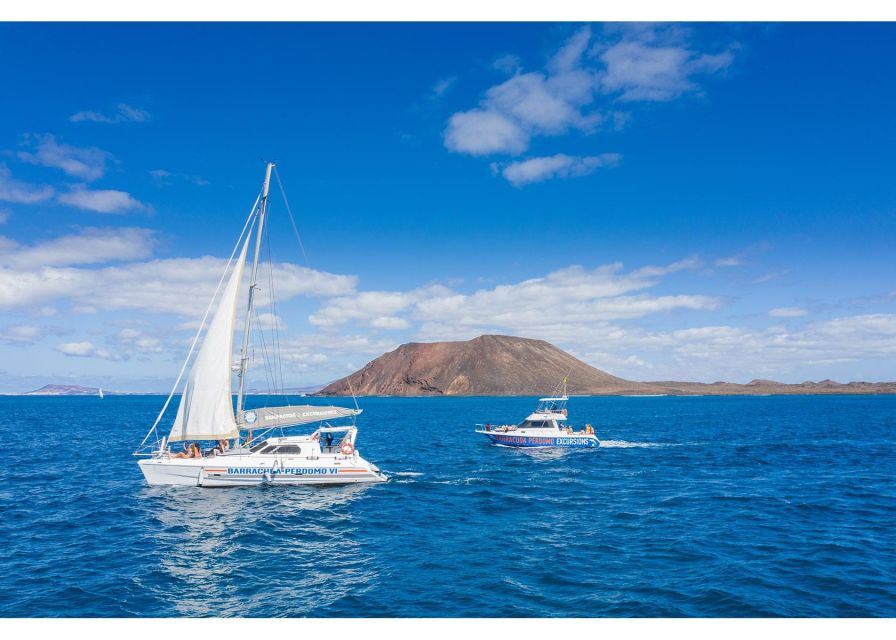
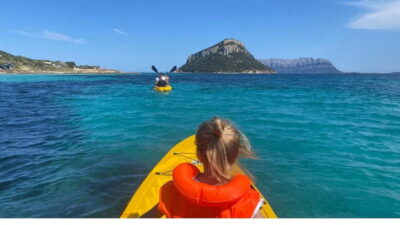
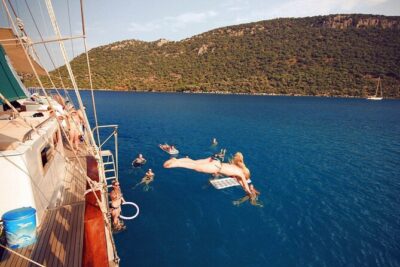
A major reason to book this tour (even for non-swimmers) is the chance to get off the catamaran near Isla de Lobos, opposite La Concha Beach. On some departures, that stop includes optional activities like snorkeling, kayaking, and stand-up paddle.
What I like about this approach: it doesn’t pretend you’re guaranteed dolphins at the exact moment you want. Instead, it builds in a second experience—clear water and marine life you can see with your own eyes—so the day still feels like a full outing.
When conditions are good, snorkeling around Lobos can add that “wow” factor. Multiple accounts mention crystal-clear water and fish you can spot close by.
Also, be prepared for the logistics of water time: bring a towel and keep your swimwear ready. If you want a camera for this part, have it accessible, not buried.
What you might actually see (and why it’s not always predictable)
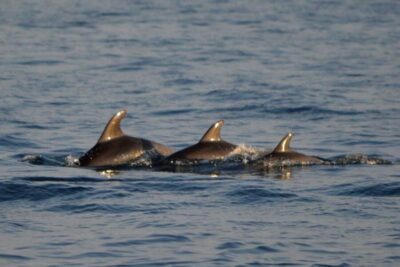
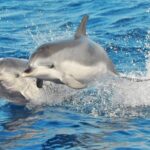
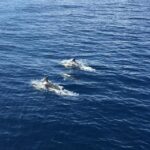
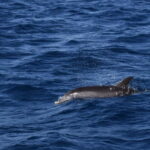
This tour’s focus is spotting bottlenose dolphins and pilot whales, but real life in the ocean is messier—in a good way. On some trips, bottlenose dolphins and pilot whales show up clearly. On others, you might see turtles, and a whale sighting can appear unexpectedly.
Here are the types of sightings reported often enough to take seriously:
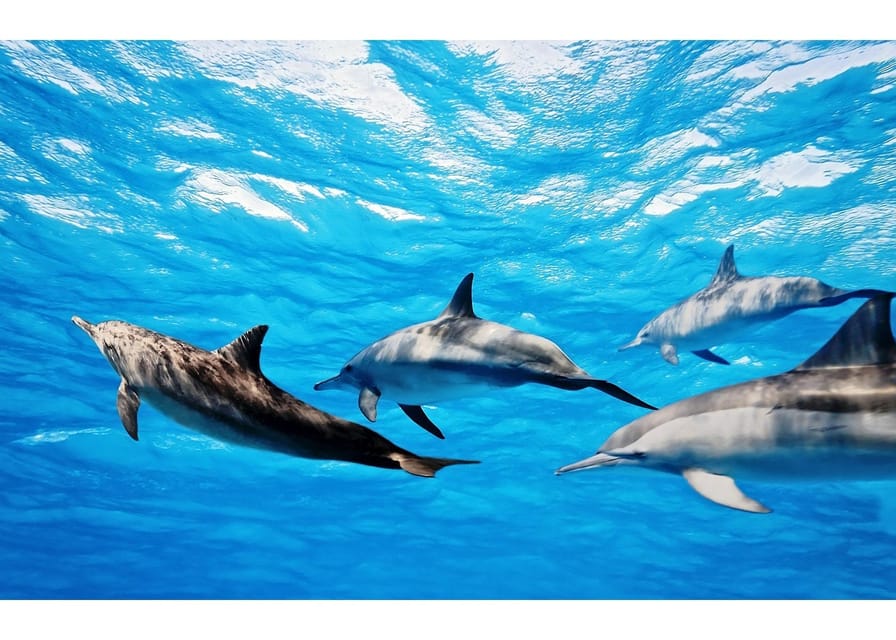
- Bottlenose dolphins, sometimes in pods that come close to the boat
- Pilot whales, with a few trips reporting close, exciting encounters
- Turtles, including stories where the crew noticed one in trouble
- Other dolphin varieties, including spotted dolphins and striped dolphins on some days
- Occasional whale sightings beyond pilot whales
One important consideration: even when sightings are strong, you’re still watching wild animals. You’ll never get the certainty of a zoo schedule, and that’s why the guide’s search effort matters.
A nice bonus: when dolphins are present, you’ll usually get time to follow them rather than simply spotting them once and moving on. People described pods swimming alongside and staying in view long enough for photos and real viewing.
The guide team makes or breaks the day
This is one of the highest-rated types of wildlife tours because the crew tends to bring both care and structure. Several accounts highlight that guides are friendly, attentive to comfort, and quick to explain what’s happening.
Names that come up across experiences include Valentina, Esther, Melissa, and crew members like Carlos and Raffael. The consistent thread isn’t just enthusiasm—it’s how they manage the day.
For example, guides reportedly:
- keep an eye on passenger comfort, asking if everyone is feeling okay
- offer drinks regularly during the search
- use the environment to help you understand what you’re spotting
- respond to situations with care (including one story where the crew assisted with a plastic bag in the sea)
This matters because when you know what you’re seeing—dolphin behavior, whale surfacing patterns, and what “close” means—you get more out of every minute.
Boat comfort and the reality check on getting soaked
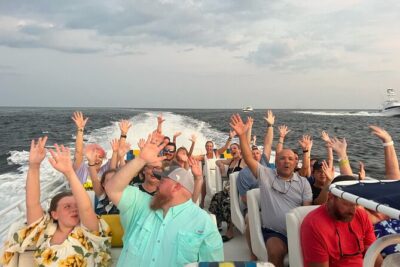
You should plan for getting wet. Some days are calm and refreshing; other days have wind and chop, and you’ll feel it as the catamaran bounces.
That’s not a deal-breaker, but it’s a heads-up. If you’re prone to motion sickness, bring what you normally use before boat rides. One person specifically warned that the sea can be choppy and suggested taking something beforehand.
Comfort tips that are supported by the on-water reality:
- Wear clothes you’re okay with getting splashed
- Bring a jacket even if it looks sunny at the start
- Keep sunscreen on and reapply if you’re out for long sun exposure
And if you’re traveling with kids, this kind of boat outing can work well. A few accounts mention families having a great time together, with the crew keeping energy high and giving younger participants little moments on board.
Value: is $88 worth it?
At about $88 per person for a 5-hour guided catamaran experience, the value depends on what you want from the day.
Here’s the practical breakdown:
- You get an organized wildlife search with a live guide
- You get onboard drinks: beer, wine, sangria, and soft drinks, plus water
- You get paella (seafood or chicken), not just a snack
- You get the chance for water time near Isla de Lobos
In other words, this isn’t only a “sit on a boat and hope” style outing. It includes enough comfort and structure that even partial success feels like a complete day.
Also, the reviews average lands at 4.5 out of 5 across 206 reviews, which is a strong signal that people aren’t just chasing dolphins—they’re happy with the day’s overall experience, including food, guidance, and pacing.
Who should book this tour
You’ll likely love this if you:
- want a guided day out on the Atlantic rather than a self-driven excursion
- enjoy wildlife watching but also want a built-in reward like Lobos snorkeling
- appreciate a small-group vibe and slower pacing
- care about learning what you’re seeing, not just checking a species box
- want food and drinks included so you’re not stressed about spending onboard
It’s also a solid choice for couples and families because the day has multiple “modes”: wildlife watching, relaxing cruising, and optional water time.
Should you book this whale and dolphin tour?
If you’re open to the ocean being unpredictable, I think this is a strong yes. The tour gives you real time on the water, a proper onboard meal, and a second payoff at Isla de Lobos, so a day without perfect whale timing doesn’t automatically become a disappointment.
Book it if seeing dolphins and whales in the wild matters to you and you want the guide’s support. Skip it only if you absolutely need certainty of a whale sighting or if you strongly dislike boat spray and choppy water.
FAQ
How long is the whale and dolphin watching tour?
The tour lasts 5 hours.
Where is the meeting point?
Meet at the row of wooden huts and look for the hut with the sign Barracuda Perdomo.
What marine animals are you looking for?
The tour focuses on spotting whales and dolphins, including bottlenose dolphins and pilot whales. Other sightings mentioned include turtles and different dolphin types.
What’s included for food and drinks?
Drinks are included (beer, wine, sangria, coca cola, fanta orange, and water), and paella is included with a seafood or chicken option.
Do you stop at Isla de Lobos for snorkeling or kayaking?
Yes. You may dock opposite La Concha Beach on Lobos Island, where there’s an opportunity for snorkeling, kayaking, and stand-up paddle.
What languages does the guide speak?
The live tour guide is available in Spanish, English, and Italian.
What should I bring for the trip?
Bring a hat, swimwear, a towel, a camera, sunscreen, a jacket, and comfortable clothes.