REVIEW · GALLE
Great Whales Education Programe Dolphins and Whales are in SL
Book on Viator →Operated by Great Whales · Bookable on Viator
Blue whales don’t always show up—so learn first. Great Whales is a 1-hour dolphin and whale education programme in Matara, Sri Lanka, built for families, couples, and curious solo travelers who want real insight even when live sightings are quiet. It’s led by Ms. A.H. Deepika Kumari, a long-time local watcher with 12+ years in the industry.
I love how this session focuses on the why and the how: which species can show in Sri Lankan waters, where people typically watch, and what affects sightings. I also like that you’re not just sitting through facts—this is set up as an open discussion with tea/coffee, snacks, and bottled water included.
One possible drawback: it’s education, not a guaranteed live-sighting trip. If you’re hoping for whales and dolphins on the water, you may still need to plan a separate live boat option in Mirissa—and weather can matter.
In This Review
- Key things that make Great Whales worth your time
- Where Great Whales fits in your Sri Lanka plan (Galle area, Matara base)
- The 1-hour education format: what you actually talk about
- Meet your guide: Ms. A.H. Deepika Kumari’s local experience
- Refreshments included: small thing, real value
- The Matara meeting point: timing and how to plan your day
- Great Whales vs. live dolphin and whale watching: how to choose
- Topics you’ll learn that make live watching better
- Souvenirs you can grab without derailing your day
- Who should book Great Whales (and who might skip it)
- Practical tips before you go
- Quick price and value check
- Should you book Great Whales?
- FAQ
- Where does Great Whales meet?
- How long is the Great Whales education programme?
- Is this a live whale and dolphin watching trip?
- Who conducts the programme?
- What’s included in the price?
- What should I bring or plan for?
- What kind of ticket do I get?
- Is it a private experience?
- Are service animals allowed?
- What’s the cancellation policy?
Key things that make Great Whales worth your time
- Ms. A.H. Deepika Kumari’s firsthand perspective from 12+ years of whale and dolphin watching in Sri Lanka
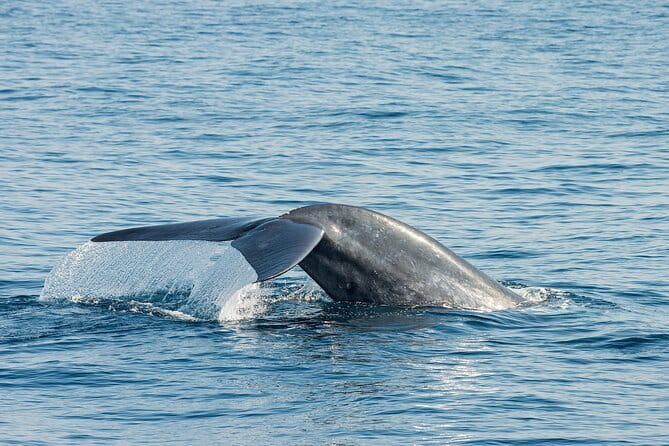
- A real species-and-location briefing for Sri Lanka’s main dolphin and whale watching areas
- Current sighting discussion (when available), plus an open Q&A style flow
- 1 hour that feels practical, not like a lecture marathon
- Refreshments included (tea/coffee, snacks, bottled water)
- Optional live watching connection: you can buy tickets for Mirissa whale and dolphin watching
Where Great Whales fits in your Sri Lanka plan (Galle area, Matara base)
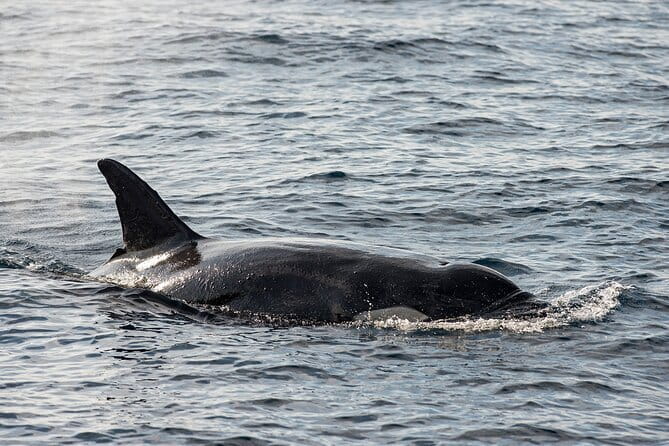
Great Whales runs out of Matara, which is handy because it sits close to two of the big names people base themselves around for wildlife watching: Mirissa and Polhena. From the Matara meeting point, you’re looking at about 30 minutes from Mirissa and 15 minutes from Polhena beach. That matters because many whale-and-dolphin schedules in Sri Lanka revolve around where you sleep.
If you’re staying in the south—Weligama, Mirissa, or around Galle—you’ll likely spend time trying to line up a boat trip. This programme is a smart match for that rhythm. It gives you context so that when you do go out (or when you don’t), you’ll understand what you’re seeing—or why you’re not seeing much that day.
Also, it’s priced in a way that makes sense as either a main activity or a backup plan when the weather turns. At $25 per person and about one hour long, it’s a low-stress add-on.
You can also read our reviews of more tours and experiences in Galle.

The 1-hour education format: what you actually talk about
This is not a long, vague nature talk. It’s structured as an education programme that runs for roughly an hour, and the topics are specific. You’ll cover the commercial whale-and-dolphin watching background in Sri Lanka, plus the main watching points used by the industry.
Here’s the kind of content you should expect to come up during the session:
- Why whales and dolphins are present in Sri Lankan waters
- Common dolphin and whale species you can find in Sri Lanka
- Current sightings (when relevant to the time of your visit)
- How long typical whale-and-dolphin trips last
- The weather conditions that influence what boats can do
- What kind of boats or yachts are used for watching
- Best methods for live watching (what people do to maximize chances)
- What facilities are typically provided by boat operators
- Time for discussion and questions, so your learning isn’t one-direction only
What I like about this format is that it explains the whole system, not just the animals. You get the human side too: how watching trips work, why some days are better, and what “good watching” looks like in practice.
And since it’s open discussion, you can ask the annoying-but-important questions: which times tend to be better, what to expect from different boat styles, and what to look for so you don’t miss activity when it’s brief.
Meet your guide: Ms. A.H. Deepika Kumari’s local experience
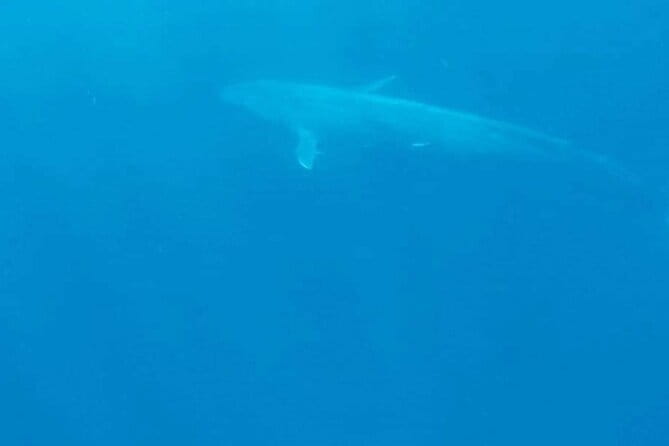
This programme is conducted by Ms. A.H. Deepika Kumari, described as one of the first members involved in whale and dolphin watching in Sri Lanka. She’s also credited with more than 12 years of experience.
That background shows up in how these sessions tend to feel: more like you’re learning from someone who’s done it repeatedly, and less like you’re hearing recycled facts. The reviews also point to a warm welcome and the way she takes time to explain and show what matters.
For you, that means the session is more likely to answer the questions you’re actually carrying—like what species you might realistically hope for and how boat operators handle watching on different sea days.
Refreshments included: small thing, real value
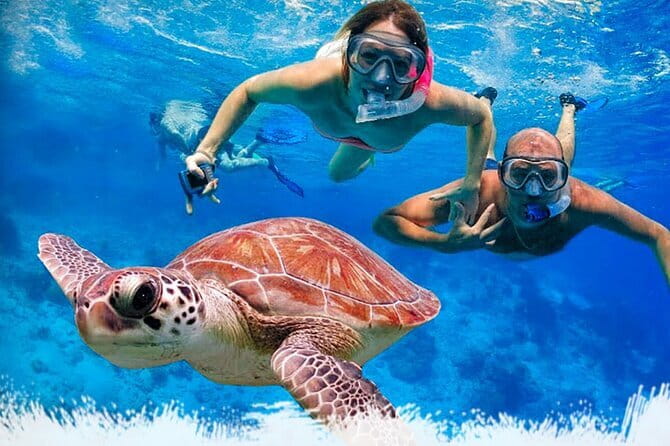
In many “education” style activities, you get a dry hour with no break. Here, you get tea or coffee, plus snacks and bottled water included.
This sounds minor, but it’s practical in the Sri Lanka heat. It helps if you’re doing this before a boat day, or if you’re traveling with kids who don’t love long waiting. It also means you can focus on listening instead of thinking about where to grab something first.
If you’re pairing this with Mirissa live watching, that caffeine and snack can be the difference between a decent afternoon and an “I’m too tired to care” afternoon.
The Matara meeting point: timing and how to plan your day
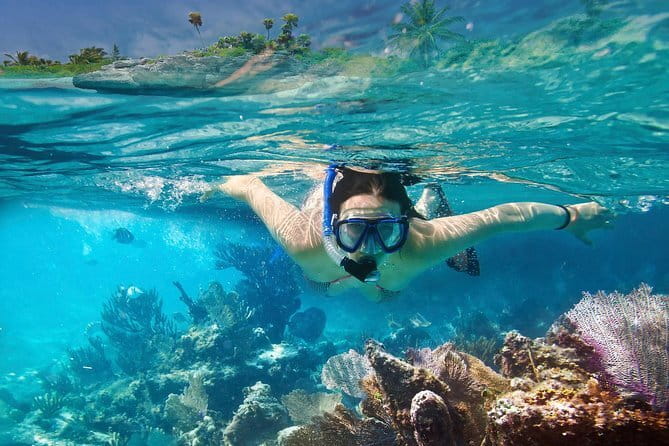
You meet at No: 12 Paramulla Rd, Matara 81000, Sri Lanka, and the activity ends back at the meeting point. Opening hours are listed from 7:00 AM to 7:00 PM daily.
Duration is about 1 hour, so it’s easy to fit around other plans in the area. If you’re aiming for live whale or dolphin watching in Mirissa afterward, I’d treat Great Whales as a primer. You’ll be better at spotting behavior, and you’ll understand what the boat operators are doing once you’re out there.
Price-wise, $25 feels fair for what you get: a focused hour with a specialized guide, discussion time, and refreshments. It’s also a good spend if you’re traveling as a small group and you want one activity that doesn’t depend entirely on the sea being active that day.
Great Whales vs. live dolphin and whale watching: how to choose
This is the key decision. Great Whales is an education programme. You can also buy tickets for live dolphin and whale watching in Mirissa, but the live water part isn’t guaranteed as part of the programme itself.
That distinction matters because Sri Lanka’s conditions can change quickly. One theme in the reviews is that on some dates, live boat operations were affected by bad weather, and in those cases the education session still delivered value. Another theme is the importance of how live trips are run, including boat crowding and the quality of information you get once you’re out on the water.
So here’s a practical way to decide:
- If you want a sure activity that teaches you and doesn’t depend on the ocean behaving, book Great Whales.
- If your main goal is seeing animals on the water, treat this as preparation—and still plan your live watching separately.
- If you’re traveling with kids or elders, education is often the calmer, more comfortable first step, and you can choose whether to gamble on a boat day afterward.
I also think it’s smart to ask questions during the session about trip lengths and boat types. Even if you don’t control the weather, you can control your expectations.
Topics you’ll learn that make live watching better
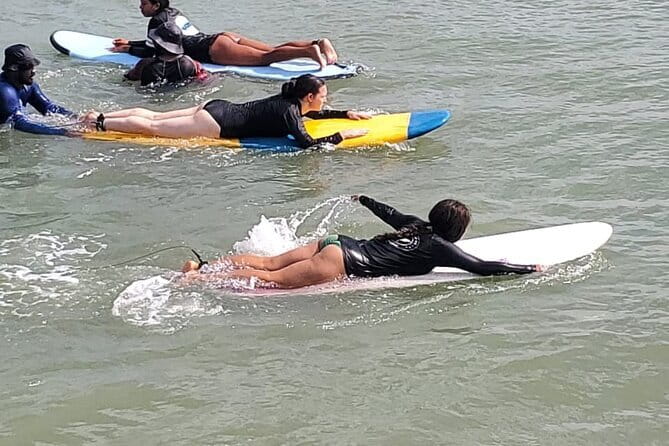
Even when you later go on a boat, Great Whales can make that trip feel more rewarding because you’ll know what you’re looking for. The programme covers:
- Which species are more commonly discussed in Sri Lankan waters
- Where watching typically happens (and why you might see different things in different places)
- What affects sighting odds: weather condition, timing, and how boats operate
- How watching trips are structured, including typical duration
You’ll also learn the kind of things that seasoned watchers pay attention to, like how long live trips tend to last and how boats may position themselves for sightings. That turns whale and dolphin watching from a random search into a skill you understand.
And if your live trip ends up disappointing on the day, you’re not stuck with “we paid and saw nothing.” You still leave with a clearer picture of how watching works and what to try differently next time.
Souvenirs you can grab without derailing your day
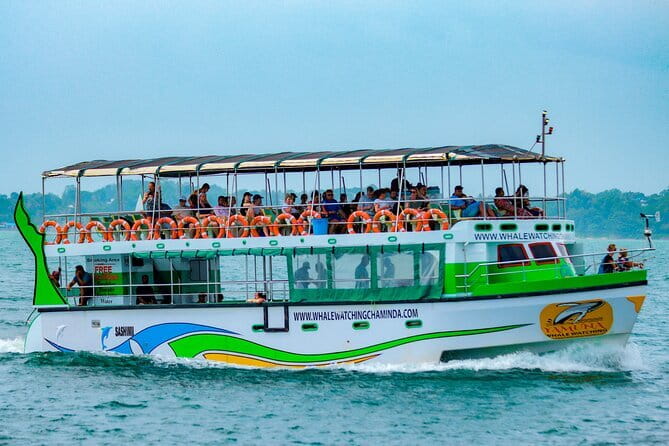
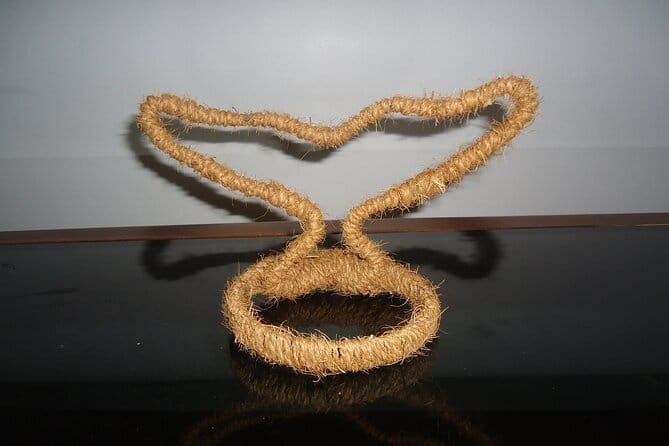
There’s also an easy bonus: you can buy locally designed and made dolphin and whale souvenirs. This matters if you’re trying to balance wildlife-focused travel with the reality of daily browsing. You’re not hunting for souvenirs after an activity—you can do it right as part of your stop.
Who should book Great Whales (and who might skip it)
Great Whales suits a lot of people because it’s flexible and low risk:
- Families with kids who want something engaging but not too long
- Couples who want a thoughtful activity in Matara or the Galle region
- Seniors who may not want to spend long hours on the water
- Anyone who likes wildlife, but wants context, not just a sighting photo
You might skip it only if your schedule is extremely tight and you want every hour to be spent on a boat. But even then, it’s worth considering as a backup primer, especially if you’re planning around weather.
Practical tips before you go
Here’s how to get the most out of your hour:
- Ask about current sighting context during the session. Even basic guidance helps you set expectations.
- If you plan to do live watching later, pay attention to the parts about trip duration and boat types. Those details can affect your comfort.
- Go in with questions. This is an open discussion, so you’ll get more out of it if you bring your curiosity.
- Bring a bit of patience for weather realities. The whole point of learning first is to keep the day from feeling wasted.
And one more thought: the biggest value here is that you leave knowing how whale-and-dolphin watching works in Sri Lanka, not just what it’s supposed to feel like.
Quick price and value check
At $25 per person, you’re paying for:
- A specialized, one-hour education session in Matara
- A guide with long local experience (12+ years)
- Discussion time rather than a one-way presentation
- Tea/coffee, snacks, and bottled water included
- A connection to where you can buy live watching tickets in Mirissa
If you’re comparing this to the cost of a live boat day that might get limited by conditions, the logic is simple: Great Whales reduces the “all eggs in the weather basket” feeling.
Should you book Great Whales?
I think you should book Great Whales if you want your wildlife trip to make sense. It’s especially smart if you’re staying in the south around Mirissa / Weligama / Matara / Polhena and you’re trying to juggle weather and scheduling.
Book it as:
- A calm, educational anchor on a day when a boat trip is uncertain
- A way to level up before you go live watching
- A good family activity that doesn’t depend on the sea cooperating
If your only goal is to be on a boat as long as possible and you already feel confident about whale watching mechanics, you might not need this. But for most people, learning first makes the whole experience better—even if the water day is quiet.
FAQ
Where does Great Whales meet?
You meet at No: 12 Paramulla Rd, Matara 81000, Sri Lanka, and the activity ends back at the meeting point.
How long is the Great Whales education programme?
It lasts about 1 hour (approx.).
Is this a live whale and dolphin watching trip?
No. Great Whales is an education programme. You can also buy tickets for live dolphin and whale watching in Mirissa separately.
Who conducts the programme?
The session is conducted by Ms. A.H. Deepika Kumari.
What’s included in the price?
Included are all fees and taxes, tea or coffee, snacks, and bottled water.
What should I bring or plan for?
It’s not listed as including an air-conditioned vehicle, so you’ll want to plan for local conditions during transfers if you’re moving around the area.
What kind of ticket do I get?
You get a mobile ticket.
Is it a private experience?
Yes. It’s listed as private, meaning only your group participates.
Are service animals allowed?
Yes, service animals are allowed.
What’s the cancellation policy?
Cancellation is free up to 24 hours in advance for a full refund.
If you tell me where you’re staying (Mirissa? Weligama? Galle?) and what day you’re aiming for, I can suggest the smoothest order to pair Great Whales with live watching.