REVIEW · FUNCHAL
Madeira Dolphin and Whale Watching on a Ecological Catamaran
Book on Viator →Operated by Magic Dolphin · Bookable on Viator
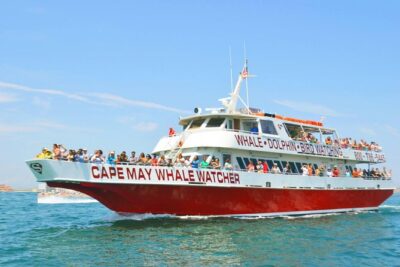
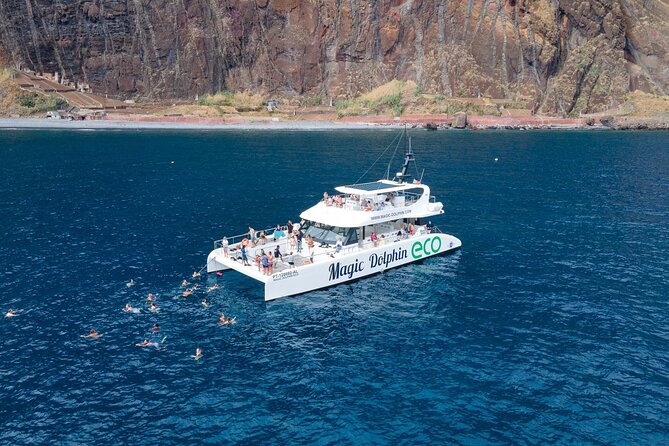
Dolphins and whales feel different here. On Madeira’s south coast, I like how this tour uses a hybrid-electric catamaran and land spotters to steer you toward wildlife fast, without turning it into a frantic chase. I’m also drawn to the onboard species commentary and safety-first approach, so you know what you’re looking at while you’re watching it.
One thing to plan for: the return ride can be choppy and spray-wet, and that water mist can chill you if you’re not dressed for it. Even with a great day, the sea has its own opinions.
There’s plenty to enjoy besides the animals: on the way back, you sail close to the coast and pass landmarks like Cabo Girão and Câmara de Lobos, plus views of Reid’s Hotel area that Winston Churchill and celebrity guests have visited.
In This Review
- Key things I think are worth your attention
- Madeira’s south coast: why this cruise can pay off
- The eco catamaran system: spotters + hybrid-electric engines
- What you might spot: dolphins, pilot whales, and other good surprises
- The ride and viewing comfort: what to wear and where to sit
- The return route: Cabo Girão, Câmara de Lobos, and Reid’s Hotel from the sea
- Price and value: is $42.33 per person worth it?
- Logistics that affect your experience: where to meet and timing basics
- Who should book this cruise, and who should think twice
- Should you book Magic Dolphin in Funchal?
- FAQ
- How long is the dolphin and whale watching cruise?
- Where do I meet in Funchal?
- Is the tour offered in English?
- What’s included, and what’s not included?
- What makes the boat eco-friendly during sightings?
- What happens if the weather is bad or the tour is canceled?
Key things I think are worth your attention
- Hybrid-electric cruising when sea life arrives helps keep the experience calmer for cetaceans.
- Binocular spotters on land guide the boat to the best sightings.
- Certified guides with fun facts and safety reminders make the whole trip more than just watching.
- You don’t just race out and back: the return route includes Madeira coastal highlights like Cabo Girão and Câmara de Lobos.
- Comfort is solid, but not for everyone: hard seats and ocean spray can be a factor in rough weather.
Madeira’s south coast: why this cruise can pay off
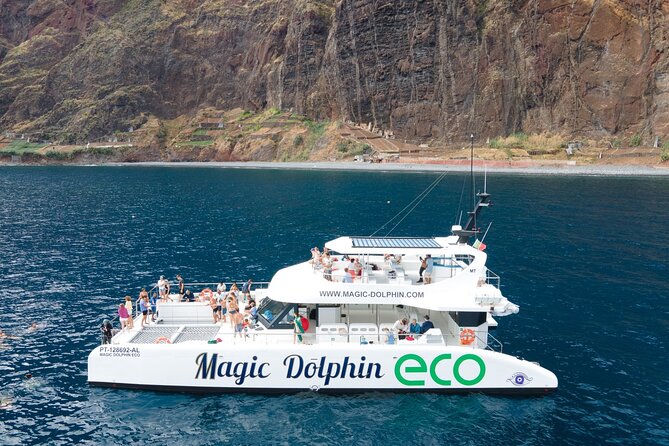
Madeira has a way of turning ocean time into an actual event. This cruise focuses on the island’s southern coast, where the waters are active enough that you can sometimes see multiple species in a single outing. The timing matters too: when the boat is in the right zone, sightings tend to happen quickly, and the crew is set up to react fast.
I also like that the experience is designed around the real-world behavior of whales and dolphins, not just a generic search pattern. The whole system relies on people on land watching with binoculars, then directing the catamaran to where animals are showing up. That means you spend less time drifting in hopes and more time actually looking.
Still, I want you to be realistic: wildlife viewing is wildlife viewing. You’re not guaranteed a specific animal every time. The good news is that the crew’s method is aimed at maximizing your chances while keeping distance and safety in mind. When conditions cooperate, that’s when the trip feels like a big win.
You can also read our reviews of more tours and experiences in Funchal.
The eco catamaran system: spotters + hybrid-electric engines
This isn’t only marketing. The eco approach shows up in how the trip runs.
First, there are spotters on land using binoculars to find animals and then guide the boat toward them. That land-based spotting is a big deal. It reduces the need for random searching and helps the crew approach sightings with a plan.
Second, once sea life is present, the catamaran switches to hybrid-electric engines for quieter, lower-emission cruising. The goal is simple: less disturbance. And when you’re on the water near wildlife, the calm factor matters for both the animals and your comfort. Less noise also helps the experience feel more natural.
Third, the trip is run with certified guides who provide commentary and safety reminders. You’re not just staring at water and guessing. The guide explanations help you recognize what you’re seeing and understand why the crew does things a certain way (like maintaining proper viewing distance).
If you’re thinking about “eco” in a practical sense, this is the kind you can feel: it affects speed, sound, and how close the crew tries to get.
What you might spot: dolphins, pilot whales, and other good surprises
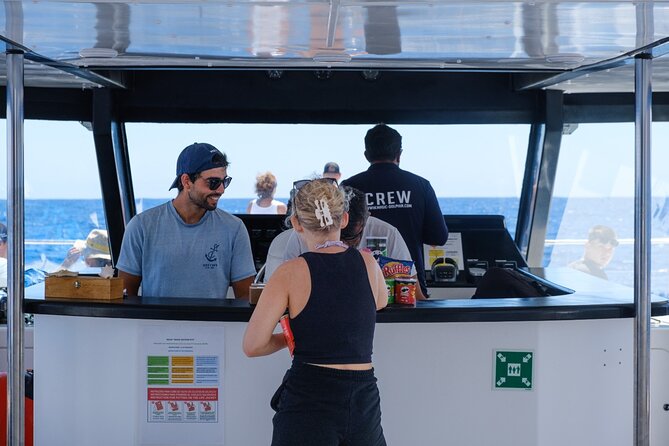
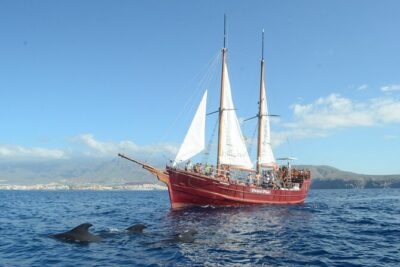
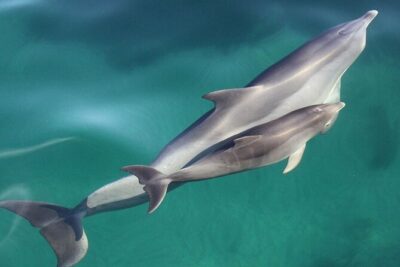
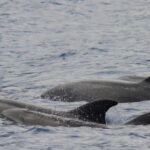
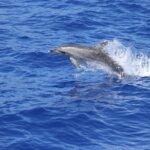
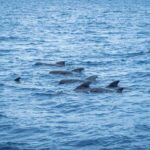
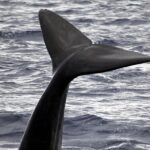
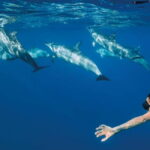
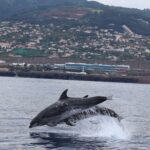
The headline species are dolphins and whales, with frequent reports of pilot whales and bottlenose dolphins. You might also see other types depending on the day, such as common dolphins, sperm whales, rough-toothed dolphins, and even seals.
Here’s how to think about it for planning: a “good” outing might mean one strong sighting and some coastal cruising, while an “excellent” outing can mean multiple groups and repeated looks as the animals move through the area. On some days, people report dolphin schools close enough for everyone to get a solid view, and then later another species shows up.
Timing on the water helps. There’s typically a point where sightings become the center of the trip, and the captain stays in constant contact with the shore spotters to stay aligned with where the animals are.
One more practical note: if you’re hoping to photograph, the experience is set up so you can get photo time once a group is spotted. You may have a short window for pictures, so it’s smart to be ready (camera out, lens set, and a towel for your lap if spray starts).
Also, if you meet staff member Salvador (he’s mentioned in the feedback), you’ll likely appreciate his friendly vibe and strong grasp of what’s going on at sea.
The ride and viewing comfort: what to wear and where to sit
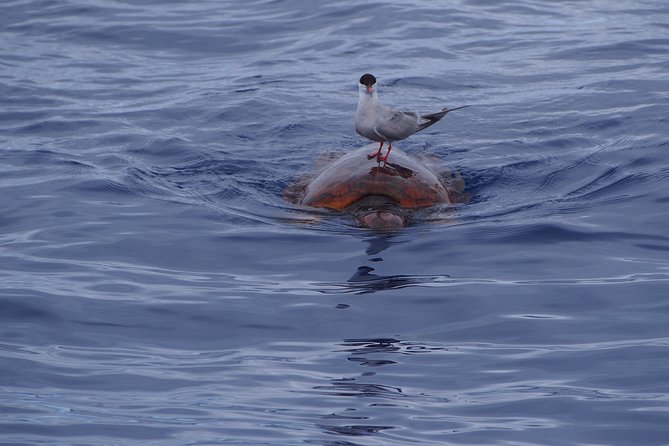
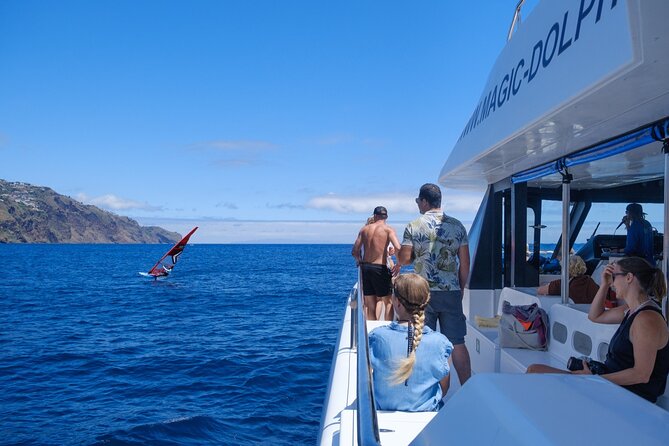
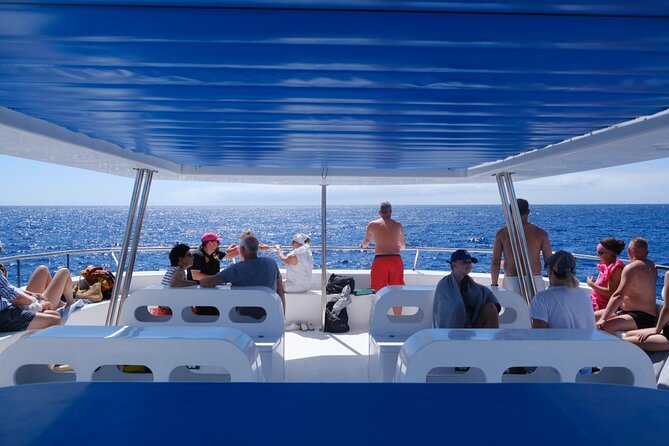
A catamaran can be a great match for whale watching because you get open sightlines. This one is described as spacious with plenty of seats and viewing areas, and the crew works to make sure people get a chance to see once sightings happen.
But comfort is weather-dependent. The most consistent caution from the experience is about the return journey: it can get choppy, and you can get wet from sea spray. Even if the first part feels smooth, plan for the possibility that waves will build on the way back.
Dress like you’re going from warm port air into wind + spray:
- Bring a waterproof layer (or at least a poncho/rain jacket you don’t mind getting salted).
- Pack warm layers for when the sun drops behind clouds or you’re facing wind.
- If you get cold easily, don’t rely on summer clothing alone. The mix of wind and wet can change the whole mood quickly.
Seating is another real detail. Some people mention that seats are hard plastic with limited cushioning. If you have back issues or mobility concerns, that matters more than you’d think once the boat starts pitching.
If you want the best viewing, a smart move is to aim for a spot where you have a clean line to the water without getting trapped by spray on the outer edges. On rough days, you’ll see people shift their positions to balance protection from wind with decent sightlines.
The return route: Cabo Girão, Câmara de Lobos, and Reid’s Hotel from the sea
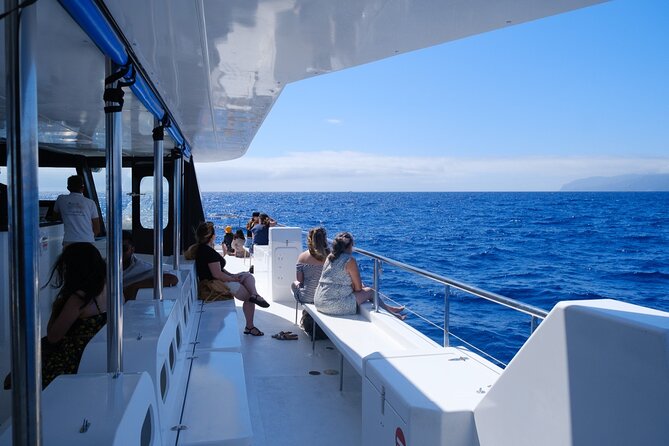
After the main wildlife time, you don’t just turn and motor off into the distance. The return path keeps the scenery going, and that’s a big part of why this cruise feels like more than a one-note experience.
On the way back, the boat sails close enough to get sea-level views of key places, which may include:
- Cabo Girão, the second-highest sea cliff in the world. If timing allows and conditions cooperate, there’s sometimes an opportunity for a quick swim.
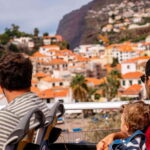
- Câmara de Lobos Bay, a traditional fishing village with a distinctive coastline look from offshore.
- The area around Reid’s Hotel, which has hosted Winston Churchill and other high-profile visitors.
- General coastal views of Madeira from the water, with the island’s shape and cliffs giving you a perspective you won’t get from land roads.
The “time permitting” part is worth noting. Sea conditions and overall schedule will decide whether you get extra moments like a short swim near the cliff.
Even if you don’t get a water stop, sailing past these landmarks from the ocean usually delivers that wow factor: sudden scale, dramatic drop-offs, and a sense of Madeira’s geography that road viewpoints can’t match.
Price and value: is $42.33 per person worth it?
At $42.33 per person for about 3 hours (roughly 2.5 to 3 hours on the water), you’re paying for three things: a purpose-built catamaran experience, the spotting system that helps locate animals, and guided interpretation.
That price starts to feel like good value when you look at what’s included:
- Hybrid-electric sailing during wildlife time
- Land spotters + guided direction to sightings
- A certified guide’s commentary
- A cruise length that’s long enough to have time for multiple moments of interest
- Coastal sightseeing on the way back
What’s not included also matters. You’re not getting hotel pickup and drop-off, and lunch isn’t included. If you’re building the full day plan, you’ll want to eat before or after.
One more pricing reality: this is an experience that often draws demand, since booking is commonly done around two weeks ahead. If you want a specific departure window, booking earlier makes life easier.
Overall, the value is strongest if you’re the kind of person who likes doing one focused thing really well: water time, wildlife time, and then scenery on the way back.
Logistics that affect your experience: where to meet and timing basics
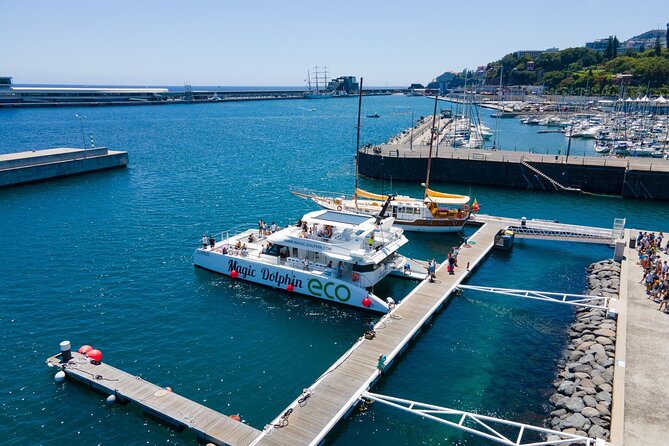
You’ll meet at Magic Dolphin, Praça do Povo, Av. Do Mar, São Martinho, 9000-900 Funchal. The end point is back at the same meeting location.
This is helpful if you like staying flexible on vacation. It also means you can use local transport and don’t need a long hotel pick-up chain to get started.
The tour runs in English (and may run with multilingual guides), which is a plus if you want your experience explained clearly rather than just heard as background noise.
If you’re arriving by cruise ship, you’ll appreciate that this meeting point is close to the port area; many people handle it by walking over or using a short taxi.
Finally, this is a good weather–dependent activity. If conditions are poor, you’ll be offered another date or a full refund.
Who should book this cruise, and who should think twice
This tour fits best if you want:
- A wildlife-focused outing with a system for locating animals (spotters on land)
- A calmer, eco-leaning catamaran approach with hybrid-electric cruising
- Guided interpretation so you learn what you’re seeing
- Scenic coastline time on the return route
It’s also a strong pick for families and groups because it’s designed around safety and structured viewing.
Think twice if:
- You’re sensitive to cold and wind. The return can be spray-wet and chilly, and you’ll feel it.
- You have back problems or mobility limits. Some seats are described as hard plastic, and rougher seas can make it harder to stay comfortable.
- You dislike crowds. The boat has a maximum of 149 travelers, and on peak days that can mean less personal space than you’d like.
If you’re on the fence, I’d prioritize this if you’re excited about dolphin and whale viewing and you’re willing to dress for the sea.
Should you book Magic Dolphin in Funchal?
If your goal is a hands-on, guided chance to see marine life with an eco-minded boat setup, I think this is a good bet. The standout strengths are the hybrid-electric approach, the land spotters that keep the hunt efficient, and the fact that you also get serious coastline views on the way back.
I’d book it when:
- You’re okay with the idea of possible wind, spray, and a cooler return.
- You want a half-day plan that doesn’t require complicated logistics.
- You’d rather learn from the guide and see animals in their natural setting from a safe distance.
Skip or at least prepare extra carefully if you’re prone to seasickness or you know rough water affects your mobility or comfort. In that case, bring your best warm layers and a waterproof plan, and consider whether you want to gamble on sea conditions.
FAQ
How long is the dolphin and whale watching cruise?
The catamaran cruise runs about 2.5 to 3 hours, so plan for roughly a half-day outing from start to finish.
Where do I meet in Funchal?
You meet at Magic Dolphin, Praça do Povo, Av. Do Mar, São Martinho, 9000-900 Funchal. The tour ends back at the same meeting point.
Is the tour offered in English?
Yes. The experience is offered in English.
What’s included, and what’s not included?
Included is the catamaran cruise time (about 2.5 to 3 hours). Not included are lunch, and hotel pickup and drop-off.
What makes the boat eco-friendly during sightings?
When sea life arrives, the catamaran uses hybrid-electric engines for quieter, lower-emission cruising while the guides and spotters coordinate the viewing.
What happens if the weather is bad or the tour is canceled?
This experience requires good weather. If it’s canceled due to poor weather, you’ll be offered a different date or a full refund.