REVIEW · MIRISSA
Mirissa: Whale & Dolphin Watching Cruise with Breakfast
Book on GetYourGuide →Operated by Aktivitar · Bookable on GetYourGuide
A calm ocean morning can turn into a real wildlife show. This Mirissa whale and dolphin cruise starts with breakfast, then takes you out for a 3–4 hour search for whales, dolphins, and (sometimes) sea turtles.
What I like most is the simple flow—pickup, breakfast, then go—and the fact you’re targeting multiple species, not just one. I also like that the trip is built for real viewing time, not a rushed “look and leave” loop. The one thing to keep in mind: sightings aren’t guaranteed, and rain (and rougher seas) can cut the outing short or limit what you can see.
In This Review
- Key takeaways before you go
- How the Mirissa morning works: pick-up, breakfast, and an early start
- Breakfast and snacks: fuel for a 3–4 hour ocean scan
- Leaving land behind: what the boat trip is really like
- Whale-and-dolphin hunting in the Indian Ocean: what you might spot
- Boat size, viewing angles, and why weather changes everything
- The itinerary in plain terms: photo stop, brunch, then back by 11:00
- Pickup and arrival (around 6:00)
- Pre-departure pause (before the 7:00 start)
- Whale watching window (7:00 onward)
- Return (around 11:00)
- Price and value: what $65 covers (and what to compare)
- Who this cruise fits best in Sri Lanka
- Practical packing: the small things that make a difference
- Should you book this Mirissa whale and dolphin breakfast cruise?
- FAQ
- What time do I get picked up?
- Where does the cruise depart from?
- How long is the whale and dolphin watching part?
- How long do we stay at sea for whale spotting?
- What animals can I see on the cruise?
- Is breakfast included?
- Do they allow snorkeling?
- Where are the drop-offs?
- What should I bring?
- Who is this tour not suitable for?
Key takeaways before you go
- Breakfast included right before the cruise, plus snacks and bottled water on board
- Real time on the water with a 3–4 hour whale-and-dolphin window
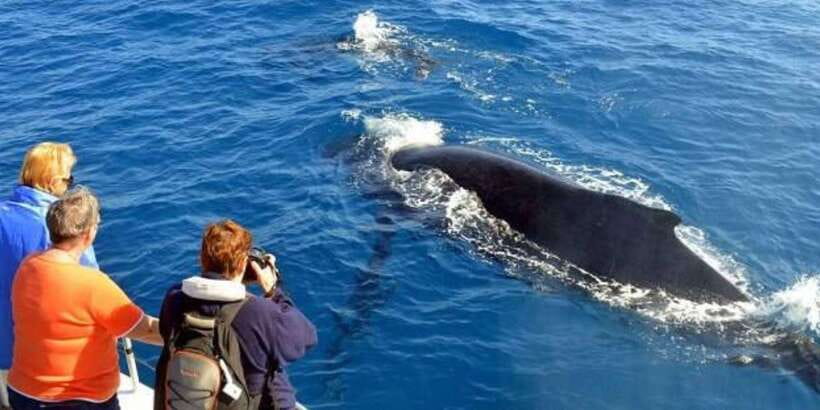
- Multiple species you might see, including blue and sperm whales and several dolphin types
- Pick-up works across Mirissa area towns, with several hotel locations covered
- Bigger boats can mean tighter sightlines, especially when they maneuver to get views
- Weather matters, so pack for sun and for the possibility of rain
How the Mirissa morning works: pick-up, breakfast, and an early start
The day is timed for good chances at sea. You’re typically picked up around 6:00 from select hotels in the Mirissa area (Mirissa, Koggala, Galle, Unawatuna, and Weligama), then you head to Mirissa Fishery Harbour to get set for the cruise.
You’ll start heading out around 7:00, and the whale and dolphin watching portion runs about 3 hours, with the full tour taking roughly 4–5 hours once you factor in transfers and the pre-departure meal. You’re back at the harbour by around 11:00, then dropped off back to your hotel in Koggala, Weligama, Unawatuna, Mirissa, or Galle.
There’s also a built-in rhythm once you’re in Mirissa: you can expect a quick photo stop and a brunch/breakfast-style meal before departure, which helps you avoid going out hungry.
You can also read our reviews of more tours and experiences in Mirissa.
Breakfast and snacks: fuel for a 3–4 hour ocean scan
This tour includes breakfast before the cruise, plus snacks and bottled water on the boat. For a morning start, that matters. You’re out watching wildlife, often under strong sun, and you don’t want your energy crashing halfway through scanning the horizon.
One practical consideration: the included breakfast can be pretty basic. Plan on it being a functional meal, not a full café breakfast with extras like tea or coffee. If you’re picky about hot drinks, it may be worth preparing yourself for a simple setup.
Because you’re not doing snorkeling (more on that later), the meal is mainly there to keep you comfortable before and during the main viewing time.
Leaving land behind: what the boat trip is really like
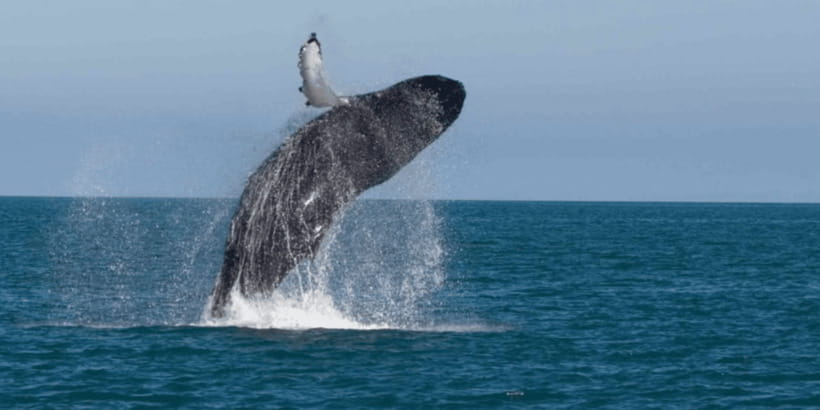
Once you’re on the water, the experience is straightforward: keep eyes on the surface, watch for blows and fin breaks, and let the crew do their searching. This area is known for whales and dolphin activity, and the cruise focuses on the deep-water parts of the Indian Ocean rather than shallow reef viewing.
Expect the ride to be a mix of cruising and repositioning. When the crew spots activity, they work to bring the animal cluster into view. That’s part of the thrill, but it also affects what you can see from your seat—especially on larger boats.
If you get seaspray, sun, or wind, it’s normal. You’re on the open water, and your comfort will depend on how prepared you are with basic sun and weather gear.
Whale-and-dolphin hunting in the Indian Ocean: what you might spot
Here’s what you can hope to see during the 3–4 hour cruise, depending on conditions and animal movement:
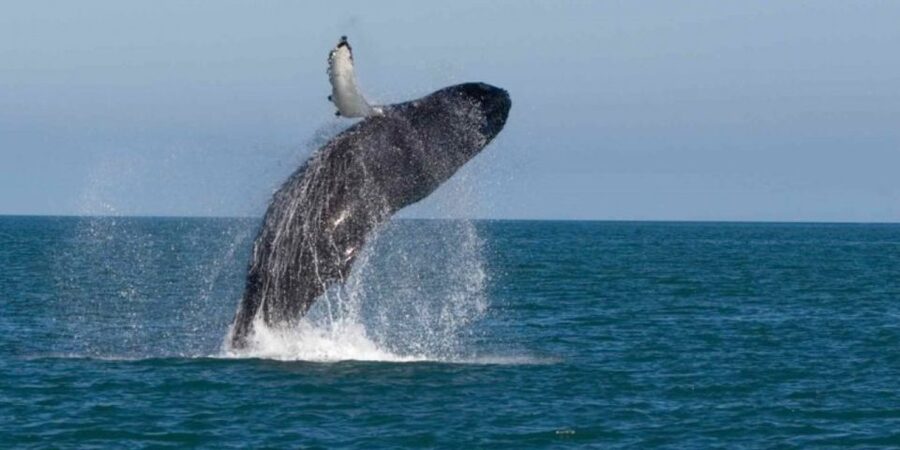
- Whales: blue whales, Bryde’s whales, sperm whales, and fin whales
- Killer whales: sometimes, with a bit of luck
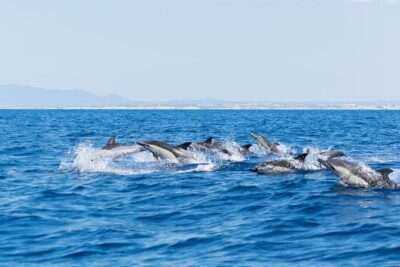
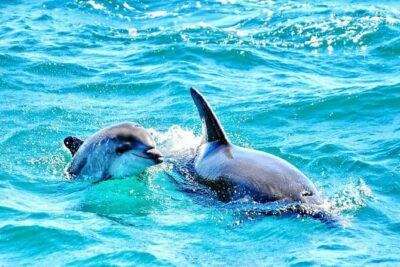
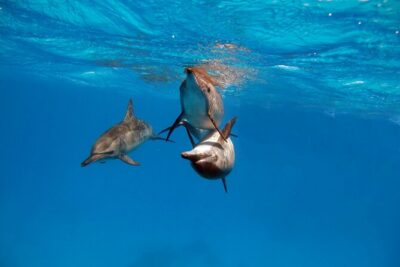
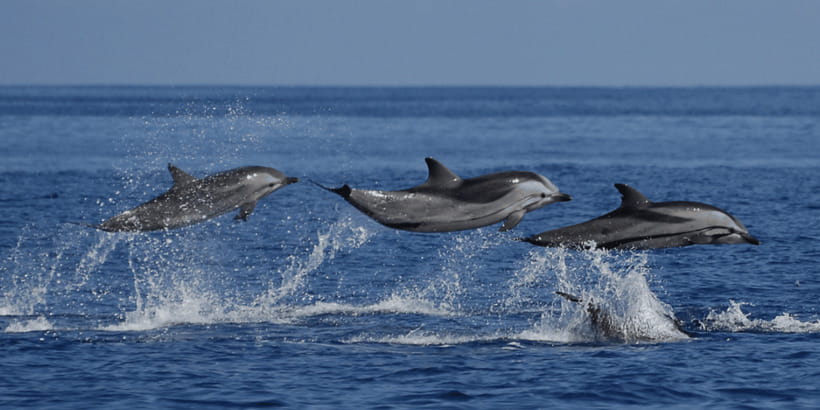
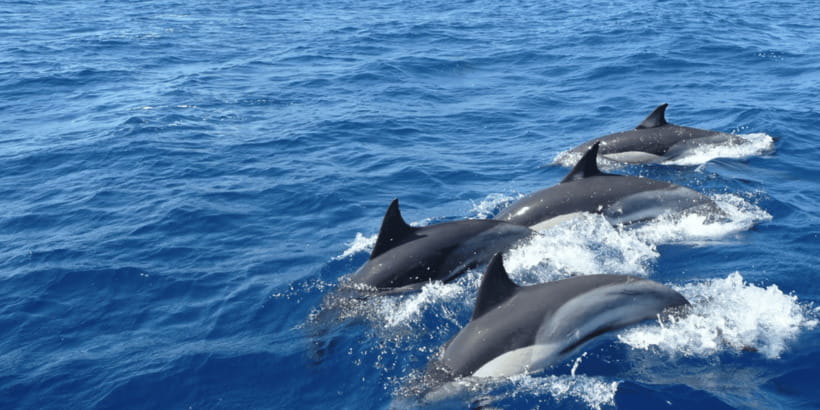
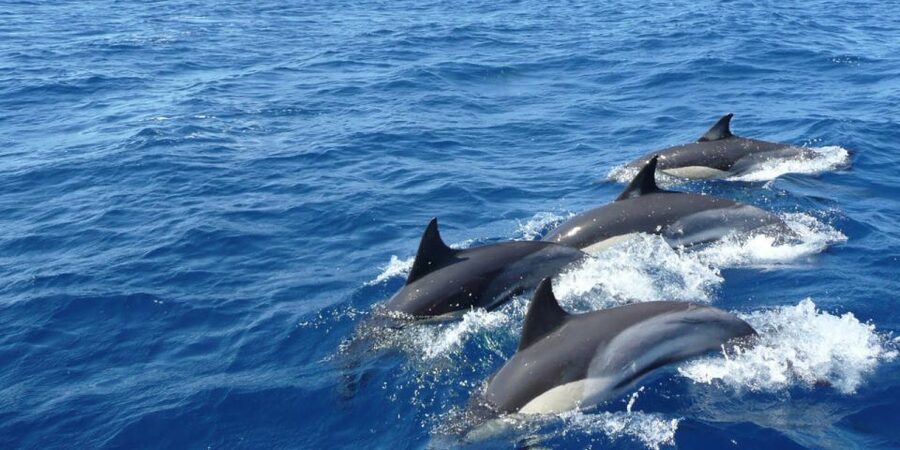
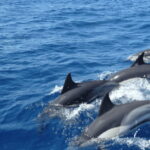
- Dolphins: common dolphins, bottlenose dolphins, spinner dolphins, Risso’s dolphins, and striped dolphins
- Sea turtles: occasional glimpses
That wide list is the key value here. You’re not just hoping for one animal. You’re scanning for multiple species—whales first, dolphins very often, and turtles when the sea decides to show off.
Also notice the way the schedule is built: the longer you stay out, the more chances you get as animals surface in different places and at different times. The cruise window is designed to give you time for that “second chance” moment when the sea quiets down and then suddenly pops again.
Boat size, viewing angles, and why weather changes everything
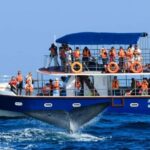
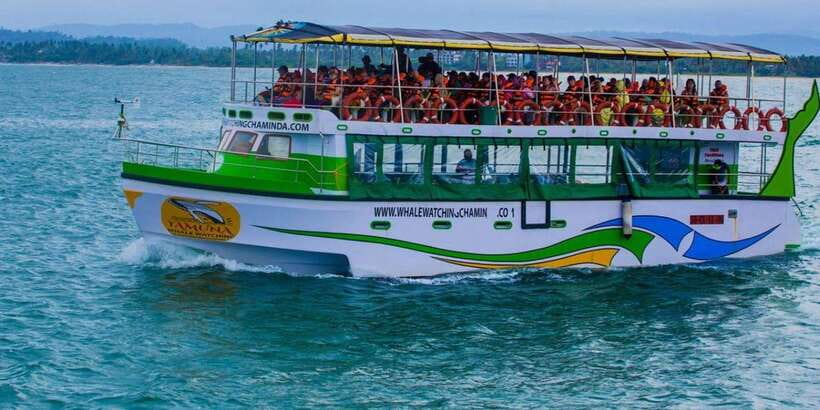
This tour uses a boat that’s set up for group viewing. That’s good for logistics, but it does come with a tradeoff: bigger vessels can make it harder to get the best angle when they maneuver to improve sightlines for everyone. You may see whales and dolphins clearly, but you might also miss certain moments simply because of where you’re positioned on the boat.
There’s also weather. Rain can shut down or shorten the outing, and sudden weather shifts are a real part of sea-based wildlife watching. If the sea gets choppy, the crew still aims to find animals, but visibility can drop and the ride can become less comfortable.
My advice: treat this as a chance-based wildlife trip. If you’re okay with “maybe” and you value the overall morning experience, you’ll be happier. If you need guaranteed sightings, you’ll feel frustrated—because the ocean is the boss.
The itinerary in plain terms: photo stop, brunch, then back by 11:00
Let’s map the day so you don’t feel rushed.
Pickup and arrival (around 6:00)
You’ll be collected from your hotel area and taken to Mirissa Fishery Harbour. The pickup coverage is broad enough for most people staying around Mirissa, Unawatuna, Galle, and Weligama.
Pre-departure pause (before the 7:00 start)
Once you’re in Mirissa, there’s a photo stop and a brunch/breakfast moment. This is also when you’ll get organized for what to bring on board and where to go when boarding begins.
Whale watching window (7:00 onward)
At sea, you’ll focus on scanning for blows and surfacing patterns, while the crew searches for whale and dolphin activity. This is where sightings can range from a single whale encounter to multiple dolphin pods. Occasionally, sea turtles appear too.
Return (around 11:00)
You’re back at the harbour by about 11:00, then dropped off to your hotel area. That early return is useful. You can still eat a proper lunch in Mirissa, swim later, or add a second activity without eating up your whole day.
Price and value: what $65 covers (and what to compare)
At about $65 per person, this trip is priced as a packaged half-day experience: transport, breakfast, wildlife cruise time, and basic on-board support are bundled together. You also get hotel pickup and drop-off, the boat tour, and snacks plus bottled water, with government taxes included.
So the real question is value versus alternatives. If you want a smoother viewing experience, you might compare this to smaller craft operators, since some boats can make it harder to see when they maneuver. Smaller boats often give better sightlines, but they may come with different comfort levels and different pricing.
For most people, this $65 setup hits a good middle ground: enough structure that you don’t have to plan anything, and enough time on the water to keep your chances alive.
Who this cruise fits best in Sri Lanka
This is best for you if you want a straightforward Mirissa wildlife morning without extra planning. It suits people who like to be outside, pay attention to the horizon, and accept that animals move on their own schedule.
It may not fit if you fall into the listed “not suitable” group:
- Children under 3
- Pregnant women
- People with heart problems
If you’re traveling with anyone who has mobility needs, the good news is that the activity is wheelchair accessible with a collapsible wheelchair.
Also, the cruise is strictly boat-based. Since snorkeling isn’t allowed, it’s for wildlife viewing, not for underwater exploration.
Practical packing: the small things that make a difference
This trip is simple, but your comfort will depend on smart basics:
Bring:
- Comfortable shoes (you may be on uneven harbour surfaces)
- Sunglasses
- A sun hat
- Sunscreen
- Comfortable clothes (light layers are usually a win for sun + wind)
Not allowed:
- Snorkeling
And one more tip: since the tour is outdoors for hours, plan for glare. Even if it’s not boiling hot, sea sun can feel intense.
Should you book this Mirissa whale and dolphin breakfast cruise?
If you want a low-effort, half-day whale and dolphin experience with pickup, breakfast, and real time on the water, I’d say it’s a solid choice. The included meal, snacks, and the strong species target list make it easy to justify the cost, especially when you’re staying around Mirissa, Unawatuna, Galle, Koggala, or Weligama.
Book it when you’re flexible. Keep expectations realistic about sightings. Bring sun protection, and know that rain can affect the day. If you’re chasing perfect viewing angles above all else, you may want to compare with smaller-boat options—but for many people, the convenience and time on the water make this one worth it.
FAQ
What time do I get picked up?
Pickup is arranged at 6:00 from participating hotel areas, followed by travel to Mirissa Fishery Harbour.
Where does the cruise depart from?
The tour departs from Mirissa Fishery Harbour.
How long is the whale and dolphin watching part?
The whale and dolphin watching cruise lasts about 3–4 hours, with the full tour taking roughly 4–5 hours.
How long do we stay at sea for whale spotting?
You’ll have around 3 hours of whale watching time during the tour.
What animals can I see on the cruise?
You may see whales (blue, Bryde’s, sperm, fin, and sometimes killer whales), dolphins (including common, bottlenose, spinner, Risso’s, and striped dolphins), and sea turtles occasionally.
Is breakfast included?
Yes. Breakfast is included before the cruise, and you’ll also have snacks and bottled water on board.
Do they allow snorkeling?
No. Snorkeling is not allowed on this activity.
Where are the drop-offs?
Drop-offs are available in Koggala, Weligama, Unawatuna, Mirissa, and Galle.
What should I bring?
Bring comfortable shoes, sunglasses, a sun hat, sunscreen, and comfortable clothes.
Who is this tour not suitable for?
It’s not suitable for children under 3 years, pregnant women, or people with heart problems.